
Nestled in the sun-drenched high desert of southeastern Arizona, the legendary town of Tombstone stands as a captivating relic of the American Wild West. Far more than just a dot on a map, this iconic destination is a living museum, a vibrant stage where the echoes of gunfights, silver booms, and larger-than-life characters still resonate. For travelers seeking an authentic journey back in time, understanding “where is Tombstone, Arizona?” involves not just geographical coordinates, but a deep dive into its rich history, unique culture, and the unforgettable experiences it offers. As a premier resource for travel, accommodation, and lifestyle, lifeoutofthebox.com is your ultimate guide to discovering this “Town Too Tough to Die.”
Unearthing the Location: The Geographical Heart of the Wild West
To truly appreciate Tombstone, one must first place it within its starkly beautiful desert context. Its precise location is integral to its story, a remote outpost that drew prospectors, lawmen, and outlaws alike.
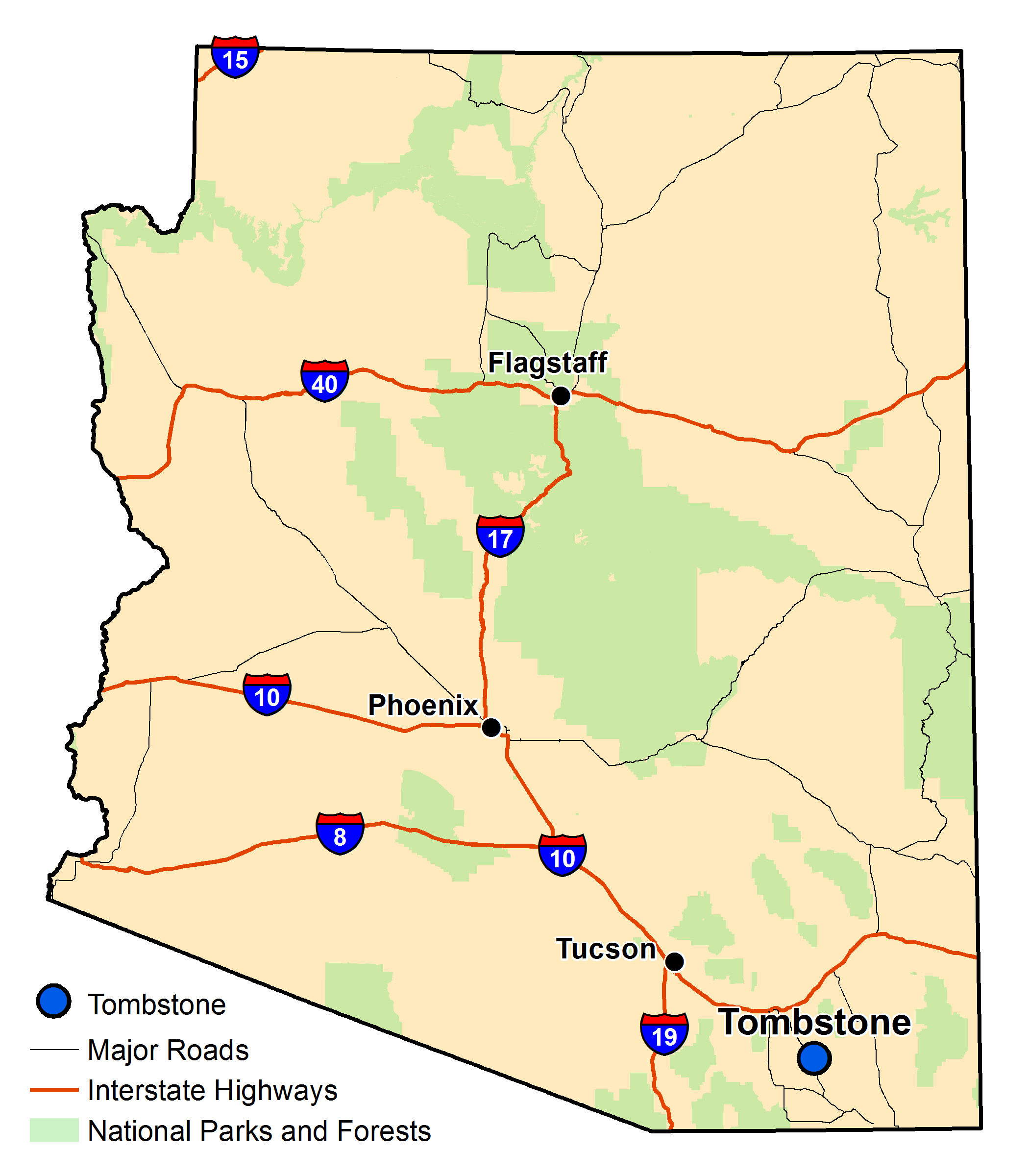
Pinpointing Tombstone on the Map
Tombstone is situated in Cochise County, roughly an hour southeast of Tucson and about three hours southeast of Phoenix, Arizona’s bustling capital. The town lies at an elevation of approximately 4,539 feet (1,383 meters), lending it a slightly cooler climate than the lower desert cities, especially during the evenings. Its setting is quintessential Old West: vast, open landscapes punctuated by rugged mountain ranges like the Huachuca Mountains to the west and the Whetstone Mountains to the north. These natural sentinels provide a dramatic backdrop for a town that time seemingly forgot, enhancing the feeling of stepping into a bygone era.
For international visitors or those coming from further afield, the most convenient entry points are generally Tucson International Airport (TUS) or Phoenix Sky Harbor International Airport (PHX). From either airport, a scenic drive through the Arizona desert will lead you to Tombstone’s historic streets. The journey itself is part of the experience, offering panoramic views of saguaro cacti, rolling hills, and the expansive blue sky that defines the American Southwest.

Getting There: Navigating Your Way to History
Reaching Tombstone is straightforward, predominantly by road. The town is easily accessible via US Route 80, which connects to major interstates like I-10. If you’re traveling from Sierra Vista, a drive of about 30 minutes north on AZ-80 will bring you directly to town. From Tucson, it’s a pleasant hour-and-a-quarter drive, generally following I-10 East before heading south on AZ-82 or AZ-80. Renting a car is highly recommended for flexibility, allowing you to explore not only Tombstone but also the surrounding Cochise County attractions at your own pace.
When planning your visit, consider the Arizona climate. While enjoyable year-round, spring and fall offer the most comfortable temperatures for exploring on foot. Summers can be intensely hot, though the dry desert heat can be more manageable than humid climates, and many indoor attractions are air-conditioned. Winters are mild and pleasant, making it a popular escape for those seeking warmer climes. Always carry plenty of water, especially during warmer months, and be aware of wildlife, particularly at dusk and dawn.
Stepping Back in Time: Tombstone’s Enduring Legacy and Iconic Landmarks
The allure of Tombstone lies in its meticulously preserved history and its dedication to reliving the legends that shaped it. Every corner, every building, and every reenactment offers a tangible link to the rugged frontier era.
The Saga of “The Town Too Tough to Die”
Tombstone’s story began in 1877 when prospector Ed Schieffelin, defying warnings that all he’d find out there was his own tombstone, struck it rich with a massive silver discovery. What began as a rough-and-tumble mining camp quickly exploded into one of the largest and most notorious boomtowns in the American Southwest. With its burgeoning population came a mix of miners, gamblers, prostitutes, entrepreneurs, and lawmen, leading to a volatile environment ripe for conflict.
The town’s fame was cemented on October 26, 1881, with the infamous Gunfight at the O.K. Corral. This legendary 30-second shootout pitted Deputy U.S. Marshal Wyatt Earp and his brothers Virgil and Morgan, alongside their friend Doc Holliday, against the Clanton and McLaury brothers, a notorious outlaw faction. The event, though brief, became the epitome of the Wild West’s struggle between law and anarchy, forever etching Tombstone into American folklore. Despite devastating fires and the eventual decline of its silver mines, Tombstone refused to fade, earning its moniker as “The Town Too Tough to Die.” Today, it thrives as a vibrant tourist destination, meticulously preserving its storied past for future generations.
Essential Landmarks and Attractions for Every Traveler
A visit to Tombstone is a journey through its iconic landmarks, each offering a unique window into its colorful history.
-
The O.K. Corral: No trip to Tombstone is complete without a visit to the site of the legendary gunfight. Daily reenactments bring the famous showdown to life, offering a theatrical and educational experience. Beyond the show, the complex includes a museum with historical exhibits, a blacksmith shop, and a replica of Doc Holliday’s dental office. It’s a must-see for anyone fascinated by the Earp-Clanton feud.
-
Allen Street: The heart of historic Tombstone, Allen Street is where most of the action happens. Stroll along its wooden boardwalks, peruse shops selling Western wear and souvenirs, and step into historic saloons. Keep an eye out for costumed characters – cowboys, saloon girls, and lawmen – who add to the immersive atmosphere. Don’t miss Big Nose Kate’s Saloon, built on the original site of the Grand Hotel, offering live music, food, and a subterranean tunnel rumored to have been used by miners and outlaws.
-
Boothill Graveyard: A poignant and atmospheric landmark, Boothill Graveyard is the final resting place for many of Tombstone’s early residents, including the victims of the O.K. Corral gunfight. The rustic grave markers with their often humorous and sometimes grim epitaphs tell tales of shootouts, hangings, and diseases, painting a vivid picture of frontier life and death. It’s a contemplative experience, offering a different perspective on the town’s tough reputation.
-
Bird Cage Theatre: Opened in 1881, the Bird Cage Theatre was once a notorious saloon, theater, and brothel, known for its continuous 24-hour entertainment. Reputedly one of the most haunted places in Arizona, it has been preserved almost exactly as it was when it closed its doors in 1889. Bullet holes still scar its walls, and the “bird cages” where prostitutes plied their trade can still be seen hanging from the ceiling. A tour here offers a glimpse into the seedier, yet historically significant, side of Tombstone.
-
Tombstone Courthouse State Historic Park: Housed in the beautifully restored 1882 Cochise County Courthouse, this museum details the history of Tombstone and Cochise County. Exhibits cover mining, ranching, pioneering life, and the famous individuals who shaped the region. It provides an excellent educational context for the town’s dramatic events.
-
Good Enough Mine Tour: Descend into the depths of the Good Enough Mine, one of the original silver mines that fueled Tombstone’s boom. Guided tours offer a fascinating look at the harsh conditions miners faced and the techniques they used to extract the precious ore. It’s a unique opportunity to connect with the very bedrock of the town’s prosperity.
-
Rose Tree Museum: Home to the world’s largest rose bush, planted in 1885, this charming museum offers a delightful contrast to the gun-slinging narratives. The enormous Lady Banksia Rose covers a vast trellis, creating a beautiful canopy, especially when in bloom during spring. The museum also displays artifacts from early Tombstone families.
Planning Your Tombstone Adventure: Accommodation, Tourism, and Lifestyle
A trip to Tombstone is more than just sightseeing; it’s an immersive experience that caters to various travel styles, from luxury to budget, family-friendly to solo exploration.
Where to Rest Your Hat: Accommodation Options in the Old West
Whether you’re seeking a historic stay or modern comforts, Tombstone and its surroundings offer a range of accommodation options. For those who want to fully embrace the town’s historical ambiance, staying in one of the boutique hotels or bed & breakfasts within the historic district is ideal. These often feature period-appropriate decor and can place you right in the heart of the action.
- Historic Hotels & B&Bs: Properties like The Tombstone Grand Hotel (or the Grand Hotel which stood where Big Nose Kate’s Saloon now is), or smaller, charming B&Bs, offer a unique connection to the past. Many of these boast tales of resident ghosts and offer personalized service, enhancing the Old West experience. When considering these, always check recent reviews on platforms like lifeoutofthebox.com to ensure they meet your expectations for comfort and amenities.
- Motels & Modern Stays: Just outside the historic core, you’ll find a selection of motels and modern inns that offer convenience and standard amenities. These are often a more budget-friendly option while still providing easy access to all the town’s attractions.
- Immersive Ranch Experiences: For a truly unique Wild West lifestyle experience, consider a stay at a nearby dude ranch like the Tombstone Monument Ranch. Located just a short drive from Tombstone, these ranches offer horseback riding, cowboy cookouts, and an authentic taste of ranch life, blending luxury travel with adventure. This is an excellent option for family trips or those seeking a more extended, hands-on experience.
When booking accommodation, utilize comparison tools and look for properties that align with your travel style – whether you’re focused on budget travel, seeking family-friendly suites, or desiring a resort-style retreat. Advance booking, especially during peak season (spring and fall), is always advisable.
Embracing the Old West Lifestyle: Activities and Local Culture
Tombstone’s charm lies in its commitment to preserving and celebrating the Old West lifestyle. Visitors can participate in a plethora of activities that bring history to life.
- Daily Reenactments: Beyond the O.K. Corral, various troupes perform street shows, gunfights, and skits throughout the day on Allen Street. These spontaneous performances add to the vibrant, interactive atmosphere.
- Stagecoach and Trolley Tours: Take a narrated stagecoach ride or a trolley tour to get an overview of the town’s history and landmarks. It’s a comfortable way to see the sights and learn fascinating anecdotes.
- Shopping: Browse the numerous shops for authentic Western wear, cowboy boots, hats, Native American jewelry, and unique souvenirs. It’s a great place to pick up a memento that truly captures the spirit of the frontier.
- Dining and Saloon Experiences: Sample traditional frontier fare or enjoy a drink in one of the historic saloons. Places like Big Nose Kate’s Saloon offer not just food and drink, but an atmosphere steeped in history and often live music.
- Ghost Tours and Paranormal Investigations: Given Tombstone’s turbulent past, it’s no surprise that it’s considered a hotspot for paranormal activity. Several companies offer guided ghost tours in the evenings, exploring haunted locations like the Bird Cage Theatre and Boothill Graveyard. These tours combine history with a thrilling search for the supernatural.
- Family-Friendly Fun: Many activities, including the reenactments, mine tours, and museums, are suitable for all ages, making Tombstone an excellent destination for family trips looking for educational entertainment.
Beyond the City Limits: Exploring Cochise County
While Tombstone is a star attraction, its location in Cochise County makes it an ideal base for exploring other significant regional landmarks and natural wonders. Extend your trip to include:
- Bisbee: A historic mining town, once larger than Tombstone, known for its charming Victorian architecture, vibrant arts scene, and the fascinating Queen Mine Tour.
- Kartchner Caverns State Park: Home to one of the world’s most pristine living caves, offering stunning stalactite and stalagmite formations. Advance booking is essential for tours.
- Chiricahua National Monument: Known as “The Wonderland of Rocks,” this national monument features breathtaking natural rock formations created by volcanic activity, perfect for hiking and photography.
- Fort Huachuca: An active U.S. Army post with a rich history, featuring museums that delve into military history in the Southwest, particularly the role of the Buffalo Soldiers.
These nearby destinations provide diverse experiences, from architectural history to natural wonders, making a longer stay in southeastern Arizona incredibly rewarding.
In conclusion, “Where is Tombstone, Arizona?” is a question with a multi-layered answer. It’s geographically located in the picturesque high desert of Cochise County, easily accessible from major Arizona cities. But more profoundly, it’s found at the crossroads of history and legend, a vibrant destination where the spirit of the Wild West lives on. From its iconic landmarks and immersive attractions to its diverse accommodation options and engaging activities, Tombstone promises an unforgettable journey into America’s most celebrated frontier era. Plan your adventure with lifeoutofthebox.com and discover the enduring appeal of “The Town Too Tough to Die.”
LifeOutOfTheBox is a participant in the Amazon Services LLC Associates Program, an affiliate advertising program designed to provide a means for sites to earn advertising fees by advertising and linking to Amazon.com. Amazon, the Amazon logo, AmazonSupply, and the AmazonSupply logo are trademarks of Amazon.com, Inc. or its affiliates. As an Amazon Associate we earn affiliate commissions from qualifying purchases.