
Nestled in the heart of southeastern Alabama, the city of Troy proudly serves as the home to Troy University, a prominent institution deeply intertwined with the fabric of its namesake city. Far from being an isolated academic outpost, the university is an integral part of Troy’s vibrant community, making a visit to the campus an immersive experience in the cultural and historical landscape of this charming Southern town. For those planning a trip, whether for academic purposes, to visit family, or simply to explore a lesser-known gem of the Deep South, understanding Troy’s precise location and its surrounding environment is the first step in crafting an unforgettable itinerary.
Discovering Troy, Alabama: A Central Location
Troy, Alabama is the county seat of Pike County, strategically positioned in the southeastern quadrant of the state. It lies approximately 50 miles south of Montgomery, the state capital, and about 85 miles north of Dothan, another significant city in the region. This location places Troy in a sweet spot, offering the tranquility of a smaller city with relatively easy access to larger urban centers and their amenities. The city itself boasts a population that hovers around 20,000, a significant portion of which is comprised of students, faculty, and staff of Troy University. This symbiotic relationship between town and gown creates a dynamic atmosphere, blending academic pursuit with small-town charm.
The terrain surrounding Troy is characterized by gently rolling hills, pine forests, and agricultural lands, typical of the Wiregrass region of Alabama. The climate is subtropical, with warm, humid summers and mild winters, making it a pleasant destination for travel for much of the year, particularly during the spring and fall when temperatures are most agreeable. Understanding this geographical context is crucial for travelers, as it influences everything from packing decisions to potential outdoor activities and regional attractions.
The University’s Footprint in Troy
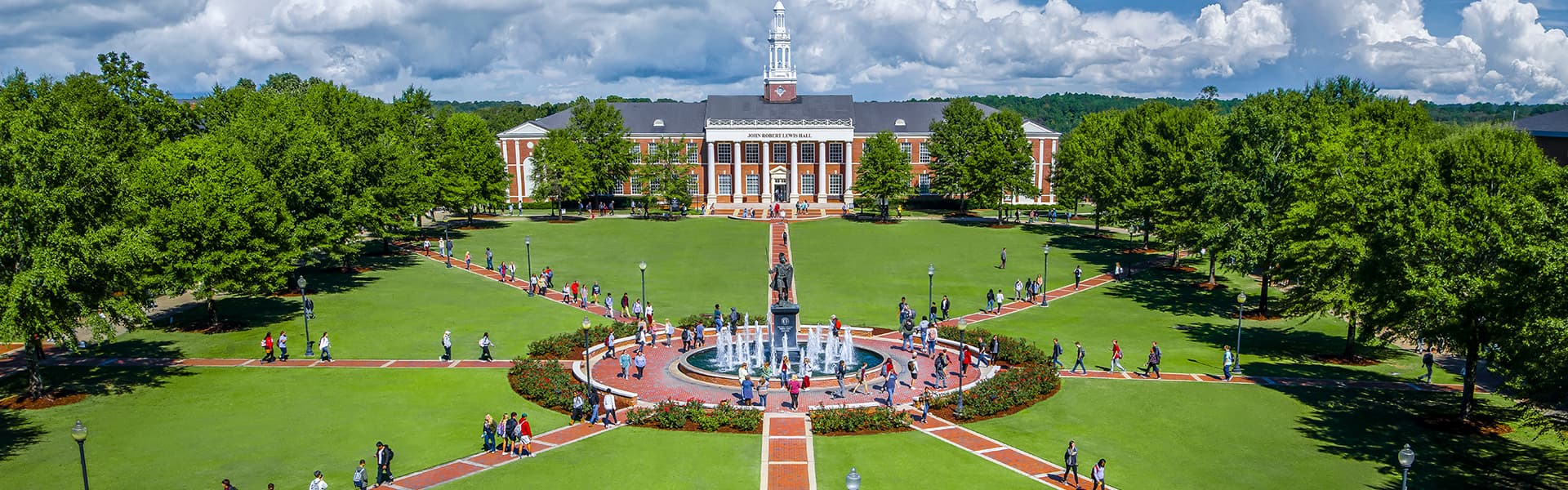
Troy University’s main campus is integrated seamlessly into the city of Troy. It’s not a campus set apart, but rather a central feature of the city’s landscape. The architectural style, often featuring stately brick buildings and well-maintained green spaces, contributes significantly to the aesthetic appeal of the town. Key university landmarks, such as the Veterans Memorial Stadium, home to the Troy Trojans football team and the renowned Sound of the South Marching Band, are major points of interest and activity, drawing visitors from across the region, especially during athletic seasons. The campus also features several museums and galleries, which are open to the public and provide cultural enrichment beyond academic pursuits, further cementing its role as a cultural hub for Pike County.
Getting There: Navigating Your Way to Troy
Reaching Troy, Alabama, and by extension, Troy University, is relatively straightforward for travelers, predominantly involving driving. While the city does not have its own commercial airport, several regional and international airports are within a reasonable driving distance, making it accessible from various points of origin.
Air Travel Options
For visitors flying into Alabama, there are a few primary options:
- Montgomery Regional Airport (MGM): Located approximately an hour’s drive north of Troy, MGM is the closest commercial airport. It offers direct flights to major hubs like Atlanta, Charlotte, and Dallas/Fort Worth, connecting travelers to a broader network. Rental cars are readily available at the airport.
- Dothan Regional Airport (DHN): Situated about an hour and a half’s drive southeast, DHN is another viable option, offering similar connectivity to major hubs.
- Atlanta Hartsfield-Jackson International Airport (ATL): For international travelers or those seeking more flight options and potentially better fares, ATL is the largest and busiest airport in the world. It is located approximately two and a half to three hours northeast of Troy. While further, the extensive flight availability often makes it a preferred choice for many, especially if they plan to combine their visit with other stops in the Southeast. A rental car is essential for the drive from Atlanta to Troy.
Driving Routes
Once you’ve arrived in the region, driving is the most practical and recommended way to reach Troy and navigate the area. The city is well-connected by major highways:
- U.S. Route 231: This is the primary north-south artery running directly through Troy. It provides a direct link to Montgomery to the north and Dothan and eventually the Florida Gulf Coast to the south. Travelers approaching from the north or south will likely find themselves on US-231.
- Alabama State Route 87: This route offers an alternative connection, particularly for those coming from the west or east, intersecting with US-231 within Troy.
The roads leading to Troy are generally well-maintained and easy to navigate, with clear signage. Travelers should consider using GPS navigation for precise directions to specific points on the university campus or within the city.
Beyond the Campus: Exploring the City of Troy
While Troy University is undoubtedly the city’s focal point, Troy itself offers a surprising array of attractions and experiences that enhance any travel itinerary. The city blends its rich history with contemporary amenities, providing a welcoming environment for visitors.

Historic Downtown Square
The heart of Troy lies in its historic Downtown Square. This beautifully preserved area features unique architecture, local boutiques, charming eateries, and a vibrant community atmosphere. It’s an ideal spot for a leisurely stroll, enjoying a coffee, or discovering unique souvenirs. The Square often hosts local events, farmers’ markets, and festivals, especially during the warmer months, providing travelers with a taste of authentic Southern culture.
Cultural and Artistic Venues
Troy boasts several cultural institutions that reflect its commitment to arts and history:
- Pike Pioneer Museum: For a deep dive into the region’s past, the Pike Pioneer Museum offers a fascinating glimpse into rural life in Pike County from the mid-19th century onwards. Its collection includes historical buildings, artifacts, and exhibits that tell the story of early settlers, farming practices, and everyday life.
- Johnson Center for the Arts: Housed in a beautifully restored historic building on the Downtown Square, the Johnson Center for the Arts is a hub for visual and performing arts. It features rotating exhibits from regional and national artists, as well as workshops and community events.
- The Troy University Arboretum: This peaceful natural space, open to the public, offers walking trails through diverse plant collections, providing an opportunity for relaxation and connection with nature right within the city limits. It’s an excellent spot for birdwatching or a quiet picnic.
Outdoor and Recreational Activities
Beyond the historical and cultural offerings, Troy provides opportunities for outdoor recreation:
- City Parks: Several city parks offer playgrounds, picnic areas, and green spaces for families and individuals. Murphree Park and D.A. Smith Middle School Park are popular choices.
- Weedon Field: For baseball enthusiasts, Weedon Field is a historic ballpark where the Troy University Trojans baseball team plays. Catching a game here offers a classic American sporting experience.
- Regional Attractions: For those willing to venture slightly further, the natural beauty of Alabama awaits. Lake Eufaula, known as the “Big Bass Capital of the World,” is roughly an hour’s drive east, offering excellent fishing and boating opportunities. For hiking and more rugged outdoor adventures, Cheaha State Park, home to Alabama’s highest point, is about two hours north.
Planning Your Visit: Practical Tips for Travelers
To ensure a smooth and enjoyable trip to Troy, Alabama, consider these practical travel tips:
Best Time to Visit
The shoulder seasons—spring (March to May) and fall (September to November)—are generally the most pleasant times to visit Troy. Temperatures are moderate, and the humidity is lower, making outdoor exploration more comfortable. Fall is particularly popular due to Troy University football games, which bring a lively energy to the town. Summer can be hot and humid, while winters are mild but can occasionally see cold snaps.
Accommodation
Troy offers a range of accommodation options, primarily consisting of familiar hotel chains located along US-231. These provide comfortable and convenient stays for visitors. Booking in advance, especially during university events like graduation, homecoming, or major athletic competitions, is highly recommended as rooms can fill up quickly.
Dining
From classic Southern comfort food to casual dining and international flavors, Troy has a variety of restaurants to satisfy different tastes. Many local establishments are located in or near the Downtown Square, offering a chance to sample local cuisine and experience the town’s atmosphere. Don’t miss out on true Southern hospitality in the local eateries.

Getting Around Town
While the Troy University campus and the Downtown Square are walkable, having a car is highly recommended for exploring the wider city of Troy and its surrounding attractions. There is ample parking available throughout the city and on campus.
In conclusion, Troy, Alabama, the proud home of Troy University, is more than just a dot on the map. It is a destination rich in history, culture, and natural beauty, offering a compelling blend of academic vibrancy and small-town charm. For travelers seeking an authentic Southern experience, whether for a university visit, a historical exploration, or a relaxing getaway, Troy provides a welcoming and engaging environment, easily accessible and full of discoveries.
LifeOutOfTheBox is a participant in the Amazon Services LLC Associates Program, an affiliate advertising program designed to provide a means for sites to earn advertising fees by advertising and linking to Amazon.com. Amazon, the Amazon logo, AmazonSupply, and the AmazonSupply logo are trademarks of Amazon.com, Inc. or its affiliates. As an Amazon Associate we earn affiliate commissions from qualifying purchases.