
For many, the name Tulare, California, might evoke a question mark, but for those familiar with the golden state’s vast agricultural landscape, it represents a vital heartland. Nestled squarely in the heart of California’s Central Valley, Tulare is more than just a dot on the map; it’s a vibrant community deeply rooted in the agricultural industry, offering a unique blend of historical significance, economic prowess, and an authentic glimpse into rural California life. This guide will navigate you through its precise location, unveil its distinctive character, and highlight why this dynamic city is a destination worth exploring, whether you’re a curious traveler, an agribusiness professional, or simply seeking an off-the-beaten-path California experience.

Unveiling Tulare: A Central Valley Gem
Tulare sits strategically within one of the most productive agricultural regions in the world, a fact that defines much of its identity and appeal. Understanding its geographic placement and historical foundations is key to appreciating its current standing.
Geographic Placement and Accessibility
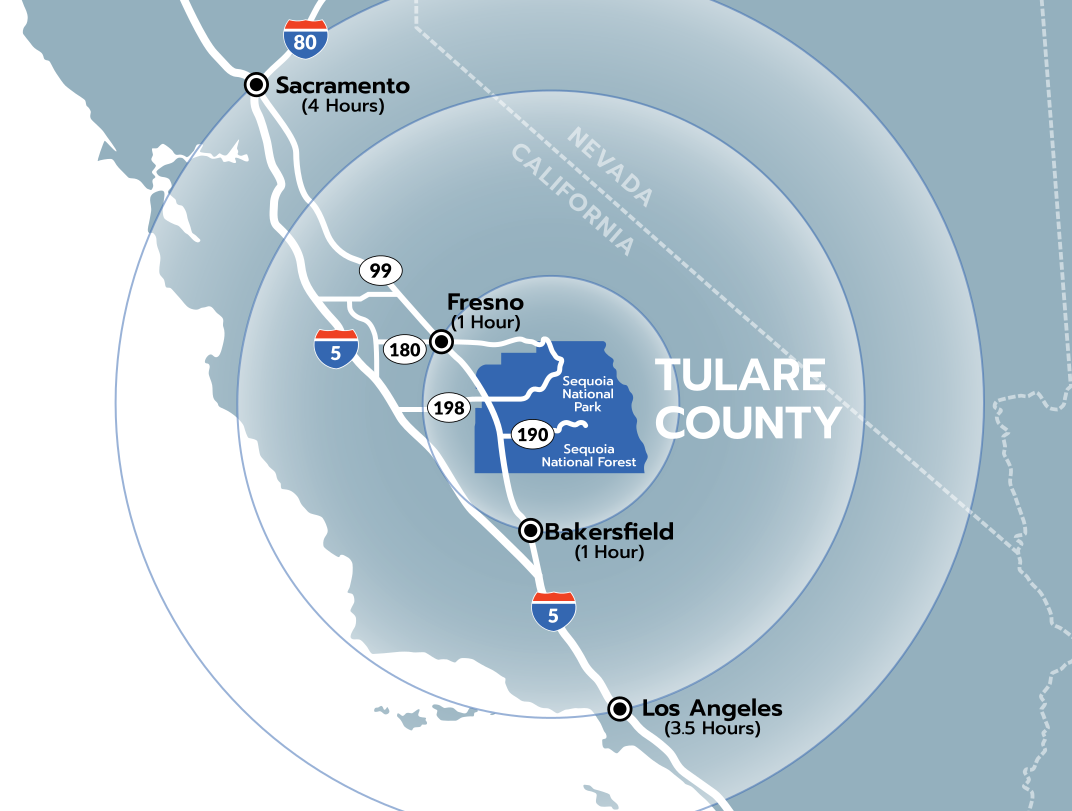
Geographically, Tulare is positioned in Tulare County, approximately 45 miles south of Fresno and 60 miles north of Bakersfield. Its coordinates place it roughly midway between the San Francisco Bay Area to the north and Los Angeles to the south, making it accessible via major transportation arteries. State Route 99, a primary north-south highway traversing the Central Valley, runs directly through Tulare, providing excellent connectivity. This central location makes it a practical stopover for travelers journeying across California or a convenient base for exploring the diverse offerings of the Southern Central Valley, from its agricultural heartland to the majestic Sierra Nevada mountains just a short drive to the east. The proximity to these natural wonders adds another layer to its desirability as a destination, positioning it as a gateway to some of California’s most renowned national parks.
A Glimpse into its History
The history of Tulare is intrinsically linked to the story of California’s development, particularly the expansion of its agricultural and railway industries. The city was founded in 1872 with the arrival of the Southern Pacific Railroad, a pivotal moment that transformed the sparsely populated area into a bustling hub. Named after the large, shallow Tulare Lake (which once existed nearby and was eventually drained for farmland), the city quickly became an important railway center and a focal point for the surrounding agricultural community. Early settlers were drawn by the fertile land and the promise of prosperity from farming. Over the decades, Tulare evolved from a dusty railroad town into a sophisticated agricultural powerhouse, continually adapting to new farming techniques and technologies. This rich history is preserved and celebrated through local landmarks and institutions, offering visitors a compelling narrative of pioneering spirit and enduring resilience.
The Agricultural Heartbeat of California
Tulare’s identity is inseparable from agriculture. It is not just a place where farming happens; it is a global center for agribusiness, innovation, and trade, making it a fascinating destination for anyone interested in food production, sustainability, and economic development.
Exploring the Local Economy
The economy of Tulare is overwhelmingly dominated by agriculture and its related industries. This includes dairy farming, fruit and nut orchards, row crops, and livestock. The city is often referred to as the “Dairy Capital of the West” due to its immense dairy production, contributing significantly to both state and national milk supplies. Beyond primary production, the local economy thrives on a robust ecosystem of support services: agricultural processing plants, equipment manufacturers, logistics and transportation companies, and research institutions all play crucial roles. This comprehensive approach means that almost every facet of life in Tulare is touched by agriculture, from local businesses that cater to farmers to community events that celebrate the harvest. Visiting Tulare offers a rare opportunity to witness this complex and dynamic industry up close, providing insights into the origins of much of our food supply.
Agribusiness and Innovation
Tulare is not content to merely uphold traditional farming practices; it is a hub for agribusiness innovation. The city is home to the International Agri-Center, a sprawling complex dedicated to showcasing and advancing agricultural technology and practices. This center hosts the renowned World Ag Expo, the largest annual agricultural exposition in the world, attracting hundreds of thousands of attendees and exhibitors from across the globe. The expo is a testament to Tulare’s pivotal role in shaping the future of farming, featuring cutting-edge machinery, sustainable irrigation systems, biotechnological advancements, and discussions on global food security. For visitors, attending the World Ag Expo or simply exploring the International Agri-Center during other times offers an unparalleled educational experience, highlighting the ingenuity and forward-thinking spirit that drives modern agriculture.
Attractions and Experiences in Tulare
While its agricultural identity is central, Tulare offers a variety of attractions and experiences for travelers, ranging from historical insights to opportunities for outdoor adventures in its stunning natural surroundings.
Must-Visit Landmarks and Sites
For those interested in the city’s past and its enduring agricultural legacy, several sites stand out. The Tulare Historical Museum is an excellent starting point, housing extensive collections that chronicle the city’s founding, its railway heritage, the draining of Tulare Lake, and the evolution of its agricultural industries. It provides a fascinating narrative of the people and events that shaped Tulare. As mentioned, the International Agri-Center is a landmark in itself, even outside of the World Ag Expo. Its permanent exhibits and grounds offer a scaled-down but informative experience for visitors interested in agricultural machinery and advancements. Beyond these, visitors can explore the charming downtown area, which features historical buildings and local shops, offering a taste of small-town California charm.
Annual Events and Festivals
Beyond the colossal World Ag Expo, Tulare hosts several other events that showcase its community spirit and local culture. The Tulare County Fair, typically held in September, is a classic American county fair experience, complete with livestock shows, carnival rides, live entertainment, and local crafts. It’s a fantastic opportunity to mingle with residents and experience the festive side of agricultural communities. Other smaller seasonal events, farmers’ markets, and cultural celebrations pop up throughout the year, reflecting the diverse heritage and interests of the local population. Checking the city’s calendar of events before visiting is recommended to catch these unique local experiences.
Nearby Natural Wonders
One of Tulare’s most compelling draws is its proximity to some of California’s most spectacular natural treasures. Just a relatively short drive to the east, travelers can access the majestic Sierra Nevada mountain range, home to Sequoia National Park and Kings Canyon National Park. These parks are world-renowned for their towering giant sequoia trees, including the famous General Sherman Tree, as well as dramatic canyons, pristine rivers, and extensive hiking trails. Tulare serves as an ideal base camp for day trips or multi-day excursions into these national parks, offering a stark and beautiful contrast to the flat agricultural plains. The ability to transition from a bustling farming hub to serene mountain wilderness within a matter of hours makes Tulare an incredibly versatile travel destination.
Planning Your Visit to Tulare
Preparing for a trip to Tulare involves considering transportation, the best time of year to visit, and where to find comfort during your stay, all within the context of a destination guide.
Getting There: Transportation Options
As previously mentioned, State Route 99 is the primary highway access point for Tulare, making driving the most common and convenient method of arrival for most visitors. The city is approximately a 3-hour drive from both San Francisco and Los Angeles, and about an hour from Fresno Yosemite International Airport (FAT), which serves as the closest major airport for air travelers. Rental car services are readily available at the airport, which is highly recommended for exploring the wider Tulare County area and its nearby national parks, as public transportation options are limited.
When to Visit: Best Seasons
The Central Valley experiences hot, dry summers and mild, foggy winters. The shoulder seasons—spring (March to May) and fall (September to November)—are generally the most pleasant times to visit. During these periods, temperatures are moderate, ideal for exploring outdoor attractions and enjoying local events. Spring brings blossoming orchards and green landscapes, while fall offers harvest season activities and comfortable weather. Summer (June to August) can be intensely hot, with temperatures often exceeding 100°F (38°C), which might limit outdoor activities. Winter (December to February) is mild but can be foggy, particularly in the mornings, which can affect visibility for driving. If your primary goal is to attend the World Ag Expo, plan for mid-February, keeping in mind that this is a very busy time for the city.
Where to Stay and Dine
While Tulare is not known for luxury accommodations, it offers a range of comfortable and practical lodging options, primarily consisting of well-known hotel chains and local motels, catering to both business travelers and tourists. These establishments provide convenient access to the city’s attractions and highways. For dining, visitors can expect a selection of American comfort food, Mexican cuisine, and local eateries that often feature fresh, regionally sourced ingredients. Given its agricultural heart, exploring local farmers’ markets for fresh produce or finding establishments that highlight farm-to-table practices can be a rewarding culinary experience, offering a true taste of the Central Valley.
Tulare’s Role in the Broader California Tapestry
Tulare is more than just a city; it’s a critical component of California’s economic engine and cultural fabric, representing a bridge between traditional values and forward-thinking innovation.
Contribution to the State
The economic contributions of Tulare and Tulare County to California are immense. As a leading producer of dairy products, fruits, nuts, and various crops, the region plays a pivotal role in feeding the state, the nation, and indeed, the world. Its agricultural output forms a significant portion of California’s overall agricultural revenue, sustaining countless jobs and supporting a complex supply chain. Beyond direct economic impact, Tulare serves as a living laboratory for agricultural advancements, contributing to global efforts in sustainable farming and food security. Its dedication to innovation ensures that California remains at the forefront of agricultural technology.
A Hub for Growth and Community
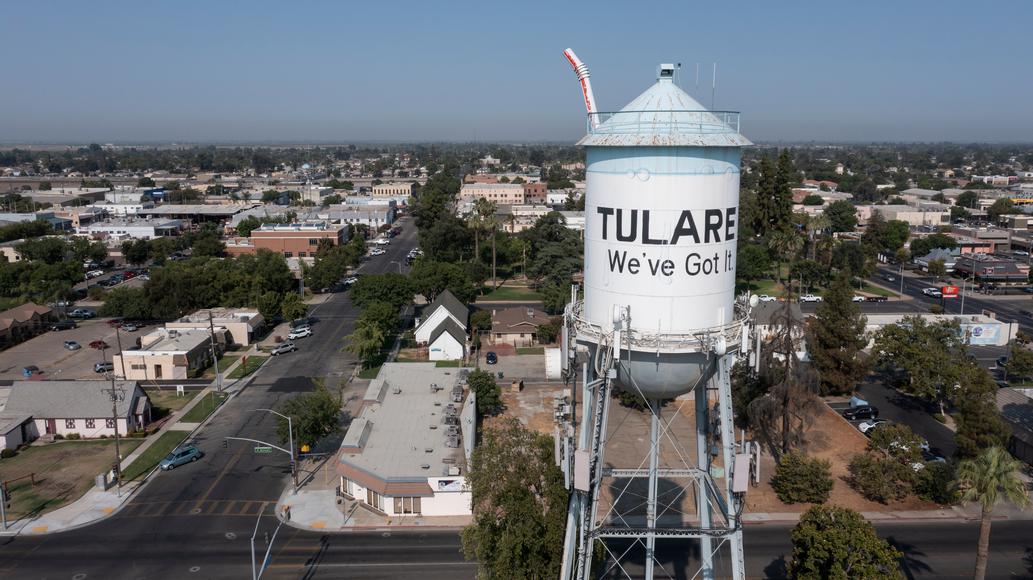
Despite its rural setting, Tulare is a growing community, attracting new residents and businesses drawn by its economic stability, affordable living, and strong community values. The city boasts a close-knit feel, with an emphasis on family, education, and local engagement. It offers a contrasting experience to the bustling metropolises of coastal California, providing a glimpse into a lifestyle where community ties are strong and the rhythms of nature and agriculture dictate the pace of life. For travelers seeking an authentic California experience that moves beyond the typical tourist trails, Tulare offers a refreshing and insightful journey into the heart of the state’s agricultural soul. Its blend of historical depth, economic importance, and access to natural beauty makes it a truly distinctive destination worth discovering.
LifeOutOfTheBox is a participant in the Amazon Services LLC Associates Program, an affiliate advertising program designed to provide a means for sites to earn advertising fees by advertising and linking to Amazon.com. Amazon, the Amazon logo, AmazonSupply, and the AmazonSupply logo are trademarks of Amazon.com, Inc. or its affiliates. As an Amazon Associate we earn affiliate commissions from qualifying purchases.