
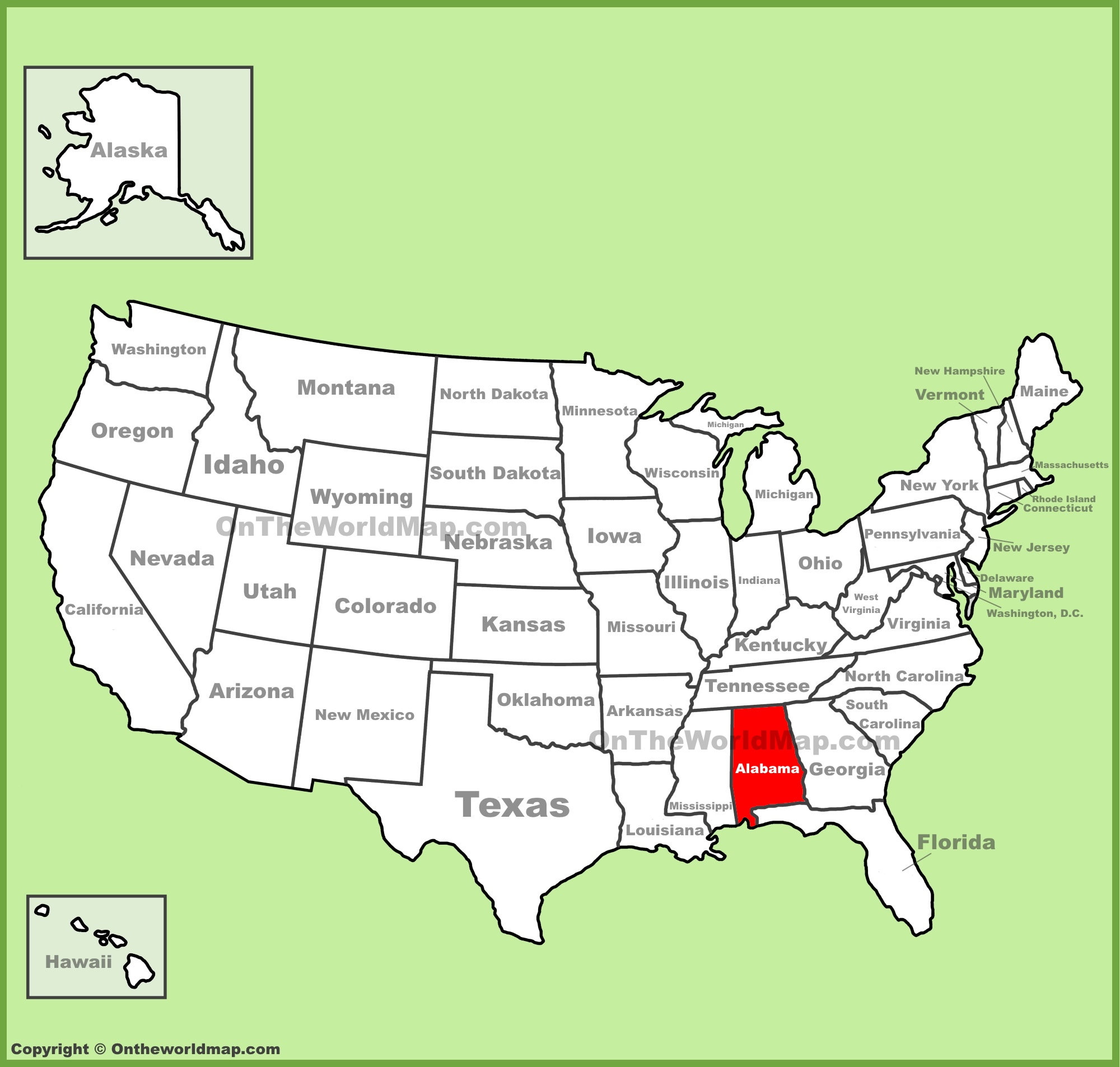
The University of Alabama, a name synonymous with academic excellence and legendary athletic prowess, often sparks curiosity about its geographical home. For many, “Bama” conjures images of crimson and white, historic victories, and a vibrant campus culture. But beyond the iconic brand, where exactly does this esteemed institution reside? The University of Alabama is proudly situated in Tuscaloosa, a dynamic city in the heart of the state of Alabama, United States. Understanding its location is the first step in planning a visit, whether you’re a prospective student, an eager fan, a curious traveler, or an alum returning home. This guide delves into the specifics of its setting, transforming a simple geographic query into a comprehensive travel destination insight.

The Heart of Crimson Tide Country: Tuscaloosa, Alabama
Tuscaloosa serves as the vibrant backdrop for the University of Alabama, embodying a unique blend of Southern charm, historical depth, and modern vitality. More than just a university town, Tuscaloosa is a destination in itself, shaped profoundly by its flagship institution yet offering a rich tapestry of experiences independent of it.
Geographic Placement and Local Context
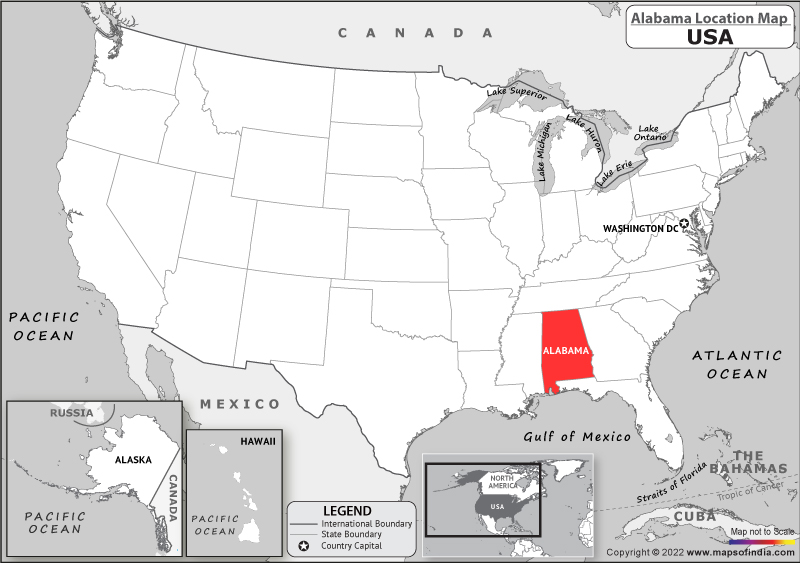
Nestled along the scenic Black Warrior River, Tuscaloosa is located in west-central Alabama. This strategic position places it approximately an hour’s drive southwest of Birmingham, the state’s largest city, and about two hours northwest of the state capital, Montgomery. The city’s topography is generally flat to gently rolling, characteristic of the state’s Gulf Coastal Plain region, though it transitions towards the Appalachian foothills to the north. This geographic context contributes to a mild, humid subtropical climate, offering pleasant conditions for most of the academic year, though summers can be hot and humid. The University of Alabama campus itself is a sprawling green expanse within the city, seamlessly integrated with its surroundings, yet distinct enough to feel like its own vibrant microcosm.
A City Steeped in History and Tradition
Tuscaloosa’s history predates the university’s founding, initially serving as the state capital of Alabama from 1826 to 1846. This period left an indelible mark, with historic architecture and a sense of established gravitas still evident today. The city’s name is derived from Chief Tuskaloosa, a legendary Native American leader, reflecting a deep connection to indigenous heritage. Over the centuries, Tuscaloosa has evolved, growing from a frontier settlement into an industrial hub and eventually transforming into a major educational and cultural center, largely propelled by the University of Alabama. Visitors can explore this rich past through various local museums and historical sites, offering a fascinating glimpse into the region’s development. This blend of history and academic dynamism makes Tuscaloosa a compelling travel destination, providing depth beyond the immediate allure of college life.
Accessibility and Transportation to Tuscaloosa
Reaching Tuscaloosa is relatively straightforward for travelers. The nearest major airport is Birmingham-Shuttlesworth International Airport (BHM) in Birmingham, which offers a wide range of domestic flights and car rental services for the approximately one-hour drive to Tuscaloosa. For those driving, Tuscaloosa is conveniently located near several major interstates, including I-20/59, making it easily accessible from cities across the Southern United States, such as Atlanta, Jackson, and New Orleans. Once in Tuscaloosa, navigating the city and campus is manageable. A car is recommended for exploring the broader area, though ride-sharing services and a local bus system are available for shorter distances. For visitors primarily focused on the University of Alabama campus, much of it is walkable, especially around the central areas.
Exploring the University of Alabama Campus as a Destination
The University of Alabama campus itself is a primary draw, functioning as a vibrant destination filled with iconic landmarks, academic facilities, and a palpable sense of history. It offers a multifaceted experience for visitors, whether they are on a campus tour, attending an event, or simply soaking in the atmosphere.
Iconic Landmarks and Must-See Sights
The campus is a treasure trove of historical buildings and modern marvels. The historic Quad, a sprawling 22-acre lawn, serves as the heart of the university, surrounded by stately buildings including the original 1831 President’s Mansion. Dominating the northern edge of the Quad is Denny Chimes, a 115-foot campanile that chimes on the quarter-hour and lists the names of students who have served as president of the Student Government Association. No visit would be complete without seeing Bryant-Denny Stadium, the colossal home of the Crimson Tide football team, an architectural marvel that comes alive with fervent energy on game days. Other notable sights include the Foster Auditorium, site of significant Civil Rights history, and the beautiful academic buildings showcasing diverse architectural styles.
Academic and Cultural Attractions
Beyond the athletic fanfare, the University of Alabama boasts impressive academic and cultural institutions open to the public. The Paul W. Bryant Museum is a homage to the legendary coach and the rich history of Crimson Tide football, an essential stop for any sports enthusiast. For those interested in art, the Sarah Moody Gallery of Art showcases diverse exhibitions from contemporary artists, while the Alabama Museum of Natural History offers fascinating insights into the state’s natural heritage, featuring impressive dinosaur fossils and geological exhibits. The Gorgas House, one of the few buildings on campus to survive the Civil War, offers a glimpse into 19th-century life. These venues provide enriching experiences, highlighting the university’s commitment to education and culture beyond the classroom.
The Gameday Experience: A Major Travel Draw
For many, the University of Alabama is synonymous with its powerhouse athletic programs, particularly football. Attending a Crimson Tide football game at Bryant-Denny Stadium is not just a sporting event; it’s a quintessential Southern experience and a major travel draw. The entire city of Tuscaloosa transforms on game days, with tailgating activities filling every available space on the Quad and beyond. The atmosphere is electric, filled with tradition, camaraderie, and an unparalleled passion for the team. Even if you don’t have tickets to the game, being in Tuscaloosa during a home game weekend offers an unforgettable cultural experience, showcasing the deep-rooted loyalty and community spirit that defines the Crimson Tide nation. This spectacle alone justifies a trip for many travelers.
Beyond the Campus: Attractions and Activities in Tuscaloosa and Surrounds
While the University of Alabama is undoubtedly the star attraction, Tuscaloosa and its surrounding region offer a wealth of other activities and sights that enrich any travel itinerary, ensuring there’s something for everyone.
Downtown Tuscaloosa: Dining, Shopping, and Entertainment
Just a stone’s throw from campus, downtown Tuscaloosa has undergone significant revitalization, transforming into a bustling hub of activity. The area boasts an impressive array of restaurants, from casual eateries to upscale dining, featuring everything from classic Southern comfort food to international cuisine. Independent boutiques and shops offer unique shopping experiences, while a vibrant nightlife scene includes live music venues and cozy bars. The Riverwalk, a picturesque paved trail along the Black Warrior River, provides a scenic spot for a stroll or bike ride, connecting downtown with various parks and recreational areas. Downtown also hosts numerous festivals and events throughout the year, adding to its dynamic appeal.
Natural Beauty and Outdoor Recreation
For nature enthusiasts and those seeking outdoor adventures, Tuscaloosa offers several appealing options. The Black Warrior River itself is a focal point for recreation, offering opportunities for fishing, boating, and kayaking. Numerous parks, such as Snow Hinton Park and Lake Lurleen State Park (a short drive north), provide hiking trails, picnic areas, and tranquil settings for relaxation. Lake Lurleen State Park, in particular, is a gem for campers, swimmers, and those looking to rent a paddleboat or kayak on a beautiful lake. These natural assets provide a welcome contrast to the bustling campus and downtown areas, allowing visitors to experience the serene side of Alabama.
Day Trips and Regional Exploration
Tuscaloosa’s central location in Alabama makes it an excellent base for exploring other parts of the state. A popular day trip is to Moundville Archaeological Park, one of the nation’s most important Native American heritage sites, showcasing an ancient Mississippian culture complex. The vibrant city of Birmingham, with its rich Civil Rights history, burgeoning food scene, and attractions like the Birmingham Civil Rights Institute and the Vulcan Park and Museum, is an easy drive away. Farther afield, but still within a few hours, are the state capital of Montgomery (another Civil Rights landmark) and the beautiful Gulf Coast beaches near Mobile and Gulf Shores. These regional attractions expand the scope of a visit to Tuscaloosa, offering diverse experiences from history to beaches.
Planning Your Visit: Logistics and Travel Tips
Making the most of your trip to Tuscaloosa involves some strategic planning, ensuring a smooth and enjoyable travel experience whether your primary focus is the University of Alabama or the wider region.
Accommodation Options for Travelers
Tuscaloosa offers a range of accommodation options to suit different budgets and preferences. On-campus, the Hotel Capstone provides convenient access to university facilities and a comfortable stay. Downtown, visitors can choose from modern hotels like the Embassy Suites by Hilton Tuscaloosa Downtown or more boutique experiences such as The Alamite, a Tribute Portfolio Hotel, placing guests within walking distance of downtown attractions, dining, and the Riverwalk. Numerous chain hotels are also available along the McFarland Boulevard corridor, offering reliable and budget-friendly choices. For peak times, especially football weekends, booking well in advance is crucial as rooms sell out quickly and prices can escalate significantly.
Best Times to Visit
The best time to visit Tuscaloosa largely depends on your travel goals. For the quintessential Crimson Tide football experience, fall (September through November) is the prime season, though hotel prices and crowds are at their highest. Spring (March to May) offers pleasant weather, ideal for campus tours, exploring downtown, and outdoor activities, with blooming azaleas adding to the city’s beauty. Temperatures are mild, and tourist numbers are generally lower than in the fall. Summers (June to August) can be hot and humid, but for those seeking to experience the campus in a quieter period or attend specific summer programs, it can still be a viable option. Winters (December to February) are typically mild, with fewer tourists, making it a good time for a relaxed visit if you’re not planning around specific events.
Navigating the Area
While some parts of the University of Alabama campus and downtown Tuscaloosa are walkable, having access to a car or utilizing ride-sharing services is recommended for maximizing exploration, especially if you plan to visit attractions further afield or explore the surrounding natural areas. Parking on campus can be challenging, particularly during major events, so familiarize yourself with parking guidelines or consider utilizing public transportation or designated shuttles if available. Local maps and online navigation tools are invaluable for getting around, ensuring you can efficiently move between campus, downtown, and other points of interest.
In conclusion, the University of Alabama is located in Tuscaloosa, Alabama, a city that offers far more than just a university campus. It’s a destination rich in history, vibrant with culture, and brimming with opportunities for travel and exploration, inviting visitors to experience the enduring spirit of the Crimson Tide and the charm of the South.
LifeOutOfTheBox is a participant in the Amazon Services LLC Associates Program, an affiliate advertising program designed to provide a means for sites to earn advertising fees by advertising and linking to Amazon.com. Amazon, the Amazon logo, AmazonSupply, and the AmazonSupply logo are trademarks of Amazon.com, Inc. or its affiliates. As an Amazon Associate we earn affiliate commissions from qualifying purchases.