
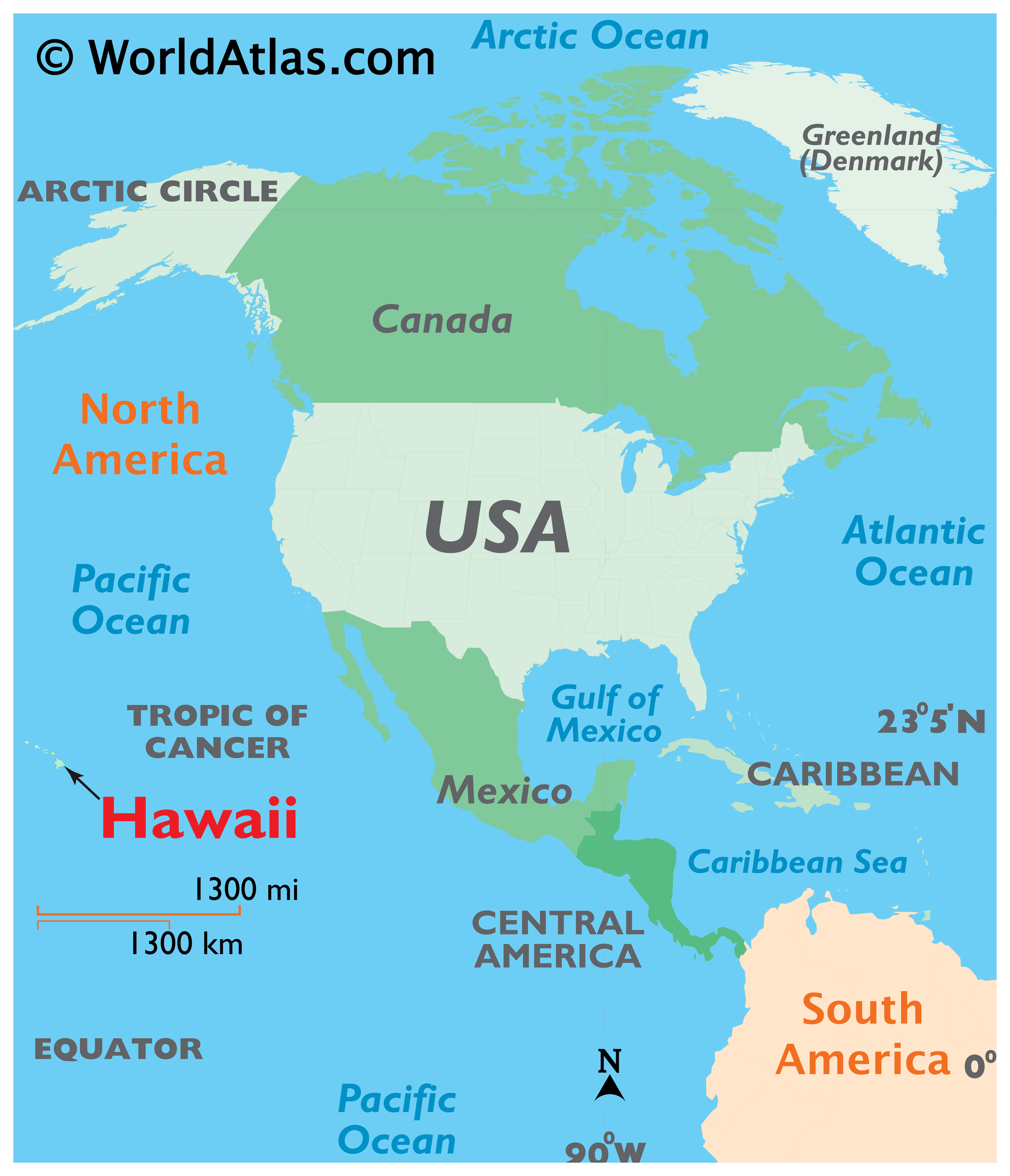
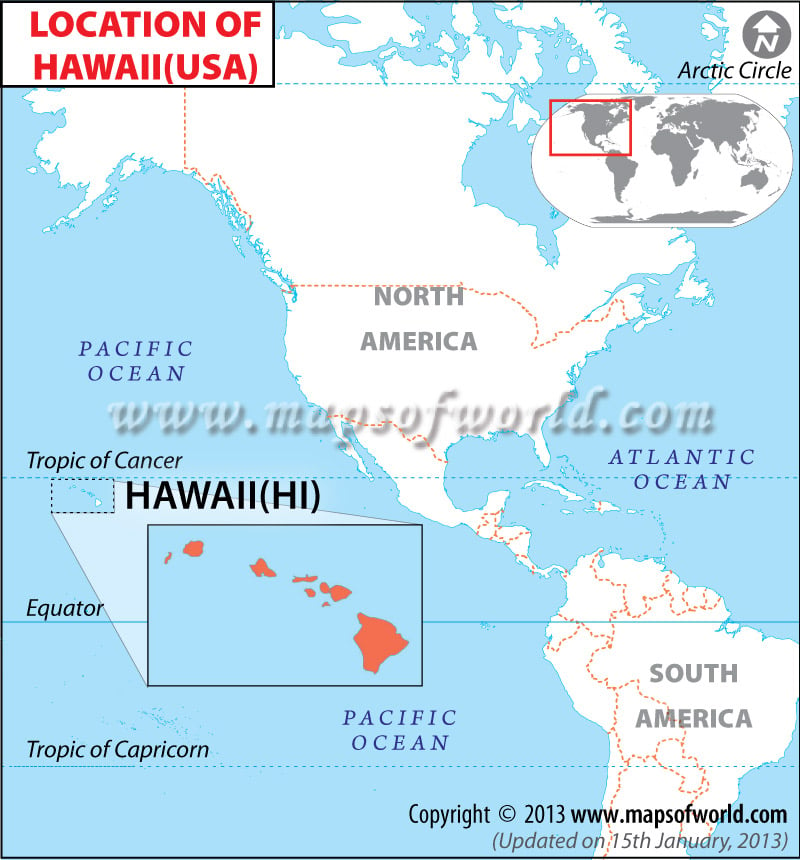
The story of how Hawaii became the 50th state of the United States is a complex tapestry of international diplomacy, economic ambition, and the strategic importance of geography in the middle of the Pacific Ocean. Unlike many other states that joined the union through westward expansion across North America, Hawaii was an independent sovereign nation with a rich monarchical history before its eventual annexation. To understand why this volcanic archipelago is part of the United States today, one must look at the historical landmarks, the pivotal political shifts of the 19th century, and the enduring legacy of the Hawaiian Kingdom.
The Sovereign Roots: The Hawaiian Kingdom and Royal Landmarks
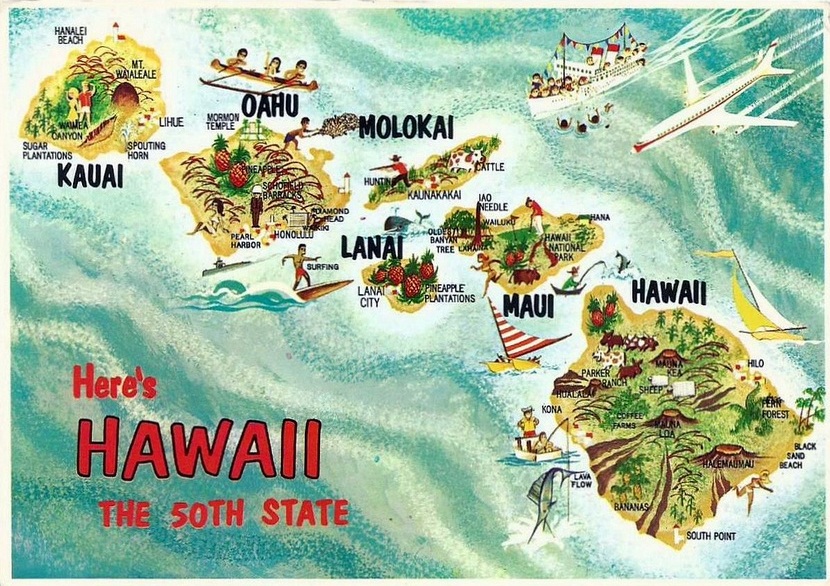
Before the stars and stripes flew over the islands, Hawaii was a recognized sovereign kingdom. The unification of the islands was completed by King Kamehameha I in 1810, bringing Oahu, Maui, Kauai, Molokai, Lanai, Niihau, and Kahoolawe under a single rule. This era established the foundational culture and legal frameworks that still influence the state today.
Iolani Palace and the Height of the Monarchy
Located in the heart of downtown Honolulu, Iolani Palace stands as the most significant landmark of Hawaii’s royal past. Completed in 1882 by King Kalakaua, it is the only official royal palace on United States soil. The palace was a symbol of Hawaii’s modernity, featuring electricity and telephone lines before even the White House in Washington DC.
During the reign of King Kalakaua, known as the “Merrie Monarch,” Hawaii strengthened its ties with the global community. However, this period also saw the rising influence of American and European businessmen, particularly those involved in the sugar industry. These economic interests eventually created a friction that would lead to the erosion of the monarchy’s power.
The Bayonet Constitution and the Shift in Power
In 1887, a group of armed residents, primarily of American descent, forced King Kalakaua to sign what became known as the “Bayonet Constitution.” This document stripped the king of much of his executive power and disenfranchised a large portion of the native Hawaiian population by imposing property requirements for voting.
This landmark event marked the beginning of the end for the independent kingdom. It shifted the political weight toward the Reform Party, which favored closer ties—and eventually annexation—to the United States. The historical significance of this document is often cited as the legal precursor to the eventual overthrow of the monarchy.
The Overthrow: Strategic Interests and the Role of Pearl Harbor
The transition from a kingdom to a territory was not a peaceful evolution but rather a calculated political maneuver fueled by economic and military strategy. The United States recognized the strategic value of the islands as a “crossroads of the Pacific,” essential for trade with Asia and as a naval outpost.
Pearl Harbor: A Strategic Pivot
Long before it was a site of tragedy during World War II, Pearl Harbor was the central focus of American interest in the islands. In 1887, as part of a reciprocity treaty regarding sugar trade, the United States was granted exclusive rights to use Pearl Harbor as a coaling and repair station for its ships.
This deep-water harbor provided a natural fortress in the mid-Pacific, making it a prize landmark for the expanding United States Navy. The desire to maintain and expand this military foothold was a primary driver for the American government to support the interests of the sugar planters over the sovereignty of the Hawaiian people.
Queen Liliuokalani and the 1893 Coup
When King Kalakaua passed away in 1891, his sister, Queen Liliuokalani, ascended the throne. She was determined to restore the power of the monarchy and the rights of native Hawaiians. However, her attempt to promulgate a new constitution in 1893 was met with immediate resistance from the Committee of Safety, a group of 13 men who sought to overthrow the queen and seek annexation by the United States.
Supported by United States Minister John L Stevens and a contingent of United States Marines from the USS Boston, the committee successfully staged a coup. To avoid bloodshed, Queen Liliuokalani surrendered her authority under protest, famously stating that she yielded to the superior force of the United States.
From Republic to Annexation: The Influence of Global Conflict
Following the overthrow, a provisional government was established, which later became the Republic of Hawaii. However, annexation was not immediate. President Grover Cleveland initially opposed the move, considering the overthrow an act of war and an illegal intervention.
The Spanish-American War as a Catalyst
The political tide turned with the outbreak of the Spanish-American War in 1898. As the United States fought Spain in the Philippines and Guam, the necessity of Hawaii as a mid-way refueling station became undeniable. The strategic utility of the islands suddenly outweighed the ethical concerns regarding the overthrow.
Under President William McKinley, the Newlands Resolution was passed by Congress, officially annexing Hawaii as a territory. This landmark decision permanently linked the destiny of the islands to the United States, despite strong opposition from native Hawaiian organizations such as the Hui Aloha Aina.
Territorial Development and Economic Boom
As a territory, Hawaii underwent rapid modernization. The sugar and pineapple industries, led by companies like Dole Food Company, dominated the landscape. This era saw a massive influx of immigrant laborers from Japan, China, the Philippines, and Portugal, creating the multicultural society that defines the islands today.
Landmarks like the Aloha Tower, completed in 1926, became symbols of Honolulu as a major port city. For decades, it was the tallest building in Hawaii, welcoming travelers arriving by steamship long before the age of commercial aviation.
The Path to Statehood: World War II and the 1959 Referendum
The most significant turning point in Hawaii’s journey to becoming a state was World War II. The islands were no longer just a distant territory; they were on the front lines of global defense.
The Impact of the Attack on Pearl Harbor
On December 7, 1941, the Imperial Japanese Navy launched a surprise attack on Pearl Harbor. This landmark event not only drew the United States into the war but also solidified the islands’ importance in the American consciousness. The bravery of local residents and the strategic role of the islands during the war in the Pacific helped bridge the cultural and political gap between the territory and the mainland.
Sites like the USS Arizona Memorial and the Battleship Missouri Memorial remain some of the most visited historical landmarks in the world. They serve as somber reminders of the sacrifices made and the pivotal role Hawaii played in the 20th century.
The 1959 Statehood Vote
After years of lobbying and a growing desire for full representation in Congress, the Hawaii Admission Act was signed by President Dwight D Eisenhower in 1959. A referendum held in the islands saw an overwhelming majority of residents vote in favor of statehood. On August 21, 1959, Hawaii officially became the 50th state.
While statehood brought economic benefits and full political rights to citizens, it also sparked a long-term conversation about native sovereignty. To this day, the Hawaii State Capitol in Honolulu serves as a landmark where the complexities of Hawaiian identity and American governance continue to interact.
Preserving History and Modern Landmark Identity
Today, Hawaii is much more than a military outpost or a corporate sugar plantation. It is a world-renowned destination where natural and historical landmarks tell the story of a unique culture and its integration into the United States.
Diamond Head and Natural Significance
One cannot discuss the landmarks of Hawaii without mentioning Diamond Head (Leahi). This iconic volcanic tuff cone overlooking Waikiki was used by the United States Army in the early 20th century as a coastal defense site. Today, it is a State Monument and a symbol of the islands’ natural beauty. It represents the geological forces that created Hawaii millions of years ago, long before human history began.
The Kilauea Volcano and Hawaii Volcanoes National Park
On the Big Island (the island of Hawaii), Hawaii Volcanoes National Park protects some of the most unique landscapes on Earth. Containing the Kilauea Volcano and Mauna Loa, this park is a testament to the ongoing creation of the islands. For native Hawaiians, these are sacred places, the home of the goddess Pele.
These landmarks serve as a reminder that while Hawaii is politically part of the United States, its soul remains deeply rooted in the land and the history of its indigenous people. The reason Hawaii is part of the US today is a result of a century-long tug-of-war between global empires, but its identity is a landmark of resilience that continues to evolve.
From the halls of Iolani Palace to the depths of Pearl Harbor, every corner of the islands reflects the journey from a Pacific kingdom to a key component of the American landscape. Understanding this history is essential for anyone visiting the islands, as it provides a deeper appreciation for the unique spirit of Aloha that defines the state.
LifeOutOfTheBox is a participant in the Amazon Services LLC Associates Program, an affiliate advertising program designed to provide a means for sites to earn advertising fees by advertising and linking to Amazon.com. Amazon, the Amazon logo, AmazonSupply, and the AmazonSupply logo are trademarks of Amazon.com, Inc. or its affiliates. As an Amazon Associate we earn affiliate commissions from qualifying purchases.