
The University of California, Merced (UC Merced) is a relatively new but rapidly growing institution within the esteemed University of California system. Its establishment marked a significant expansion of higher education opportunities in the Central Valley of California. Understanding its location is key for prospective students, visiting families, researchers, and anyone interested in the educational and economic landscape of this dynamic region.
Geographic Placement and Setting
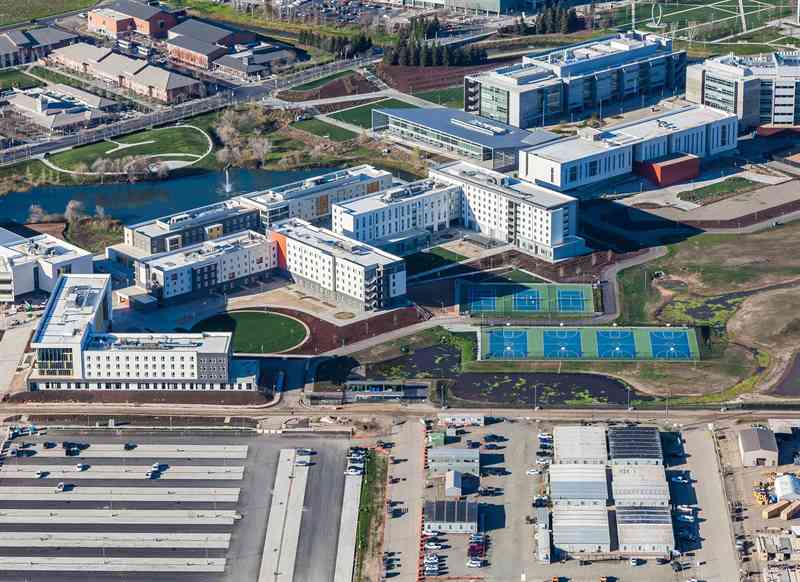
University of California, Merced is situated in the city of Merced, California. This location places it strategically within the heart of the San Joaquin Valley, an agricultural powerhouse and a region undergoing significant development. The campus itself is nestled on the eastern edge of the city, a deliberate choice to allow for future expansion and to create a distinct academic environment.
Proximity to Major Urban Centers
While Merced, California is a mid-sized city, its location offers reasonable access to larger metropolitan areas.
- Fresno: Approximately 45 miles south, Fresno is the largest city in the San Joaquin Valley and serves as a regional hub for commerce, culture, and transportation.
- Modesto: Roughly 40 miles north, Modesto is another significant city in the northern part of the Central Valley.
- Bay Area: The vibrant San Francisco Bay Area, including cities like San Francisco and Oakland, is about a two-to-three-hour drive west, depending on traffic and the specific destination. This proximity allows students and faculty to access the cultural amenities, professional opportunities, and diverse communities of a major metropolitan region.
- Sacramento: The state capital, Sacramento, is located approximately 120 miles northwest, offering access to state government, cultural institutions, and a growing urban center.
- Los Angeles: While further south, the sprawling metropolis of Los Angeles is roughly a four-to-five-hour drive, making it accessible for longer trips or specific events.
Transportation Networks
The accessibility of University of California, Merced is enhanced by its integration into regional transportation networks.
- Highways: The campus is conveniently located near major thoroughfares. California State Route 99 (the Golden State Highway) runs north-south through the heart of the San Joaquin Valley, providing direct access to many surrounding cities and connecting to Interstate 5 further west, a primary north-south artery for California.
- Airports: The nearest major airport is Fresno Yosemite International Airport (FAT), located about an hour’s drive away. This airport offers domestic flights and serves as a convenient gateway for many travelers. For international travel or a wider range of flight options, travelers often utilize airports in the Bay Area, such as San Francisco International Airport (SFO) or Oakland International Airport (OAK). Merced Municipal Airport (MCE) offers limited general aviation services.
- Public Transportation: Merced has its own public transit system, Merced Area Mitch, which provides bus services within the city and connects to regional transit options. Amtrak also serves Merced Station, offering passenger rail service along the San Joaquins Corridor, which runs between Bakersfield and Oakland. This rail link is a valuable asset for students and faculty traveling to and from the Bay Area.
The City of Merced
The presence of University of California, Merced has had a profound impact on the city of Merced, California, fostering growth and development. The university’s location on the eastern periphery of the city has spurred new residential and commercial developments in that area, aiming to create a cohesive community that supports the academic institution.

Character and Amenities
Merced, California is a city deeply rooted in its agricultural heritage, reflecting the broader economic identity of the Central Valley. However, with the influx of a diverse student body, faculty, and staff, Merced has also become a more cosmopolitan center. The downtown area features a variety of local businesses, restaurants, and community spaces.
- Local Culture: Visitors and residents can explore local parks, farmers’ markets that showcase the region’s agricultural bounty, and community events that celebrate the diverse population. The Merced Multicultural Arts Center is a hub for artistic expression and cultural events.
- Dining and Shopping: While not on the scale of larger cities, Merced offers a range of dining options, from classic American diners to ethnic cuisines that reflect the community’s diversity. Local shops provide essential goods and unique finds.
- Recreation: Nearby natural attractions include the Yosemite National Park and the Sierra Nevada foothills, which are accessible for day trips and outdoor adventures. This proximity to natural beauty is a significant draw for those who appreciate outdoor activities.
The University of California, Merced Campus
The University of California, Merced campus itself is a notable landmark and a destination in its own right. Designed with sustainability and cutting-edge technology in mind, it presents a modern architectural vision.
Modern Design and Sustainability
Opened in 2005, UC Merced is the newest campus in the University of California system. This “newness” is reflected in its state-of-the-art facilities and its commitment to innovative design.
- Architecture: The campus features a cohesive architectural style characterized by its innovative use of materials and its integration with the surrounding landscape. Buildings are designed to maximize natural light and ventilation, contributing to energy efficiency.
- Sustainability Initiatives: University of California, Merced has a strong commitment to sustainability. The campus is a testament to this, incorporating features such as solar power, water conservation systems, and green spaces. It was the first university campus in the U.S. to be built to LEED Platinum standards. This focus on environmental stewardship is a defining characteristic of the institution.
- Expansion: The university is in a phase of significant growth, with ongoing construction of new academic buildings, research facilities, and student housing. This expansion is designed to accommodate a growing student population and enhance the university’s research capabilities.

Key Campus Features
- Academic Buildings: Housing the various schools and departments, these buildings are equipped with modern classrooms, laboratories, and study spaces.
- Student Life Facilities: Including the Katharine and George D. Freeborn Hall (arena), dining commons, student activity centers, and residential halls, these areas are designed to support a vibrant campus community.
- Research Centers: Focused on areas such as the environment, the Central Valley, and advanced technology, these centers are at the forefront of scientific discovery and innovation.
- Library: The Sarah and George K. Merlo Library is a central hub for research and learning, offering extensive collections and digital resources.
In conclusion, University of California, Merced is located in Merced, California, a strategically positioned city in the heart of the San Joaquin Valley. Its accessibility via major highways, airports, and public transportation, coupled with its modern, sustainable campus, makes it a significant educational and cultural landmark in the region.
LifeOutOfTheBox is a participant in the Amazon Services LLC Associates Program, an affiliate advertising program designed to provide a means for sites to earn advertising fees by advertising and linking to Amazon.com. Amazon, the Amazon logo, AmazonSupply, and the AmazonSupply logo are trademarks of Amazon.com, Inc. or its affiliates. As an Amazon Associate we earn affiliate commissions from qualifying purchases.