
The United States Military Academy, universally known as West Point, stands as a monumental pillar of American history, military strategy, and architectural grandeur. For those wondering about its location, it is nestled within the rugged, scenic landscapes of the Hudson Valley in New York. Specifically, the academy occupies a commanding position on the western banks of the Hudson River, approximately 50 miles north of New York City. This strategic placement was not accidental; it was a deliberate choice made during the American Revolutionary War to control the river and prevent the British Empire from dividing the colonies.
The Strategic Geography of West Point
The geography of West Point is characterized by steep, dramatic cliffs and a narrow, S-shaped curve in the Hudson River known as “The Great Chain.” During the early years of the nation, the military recognized that this specific bend in the river forced ships to slow down, making them vulnerable to cannon fire from the heights above.
A Natural Fortress
The terrain surrounding the academy is part of the Hudson Highlands, a region defined by its ancient, glacier-carved mountains and dense forests. This challenging topography was essential for defense. The Continental Army leveraged the natural elevation to establish fortifications, including Fort Putnam, which still overlooks the academy today. The elevation provides a tactical advantage that has defined the site’s identity for over two centuries.
Accessing the Academy
Visitors traveling to the site will find that the United States Military Academy is accessible via the Palisades Interstate Parkway, a scenic route that winds through the lush greenery of the region. The proximity to West Point allows for a seamless transition from the dense urban atmosphere of New York City to the serene, intellectual, and disciplined environment of the oldest continuously occupied military post in the United States.
Architectural Heritage and Landmarks
Beyond its tactical geography, West Point is an architectural marvel. The campus is a striking collection of Gothic Revival structures, many built from local granite, which blend harmoniously with the surrounding cliffs of the Hudson Valley.
The Cadet Chapel
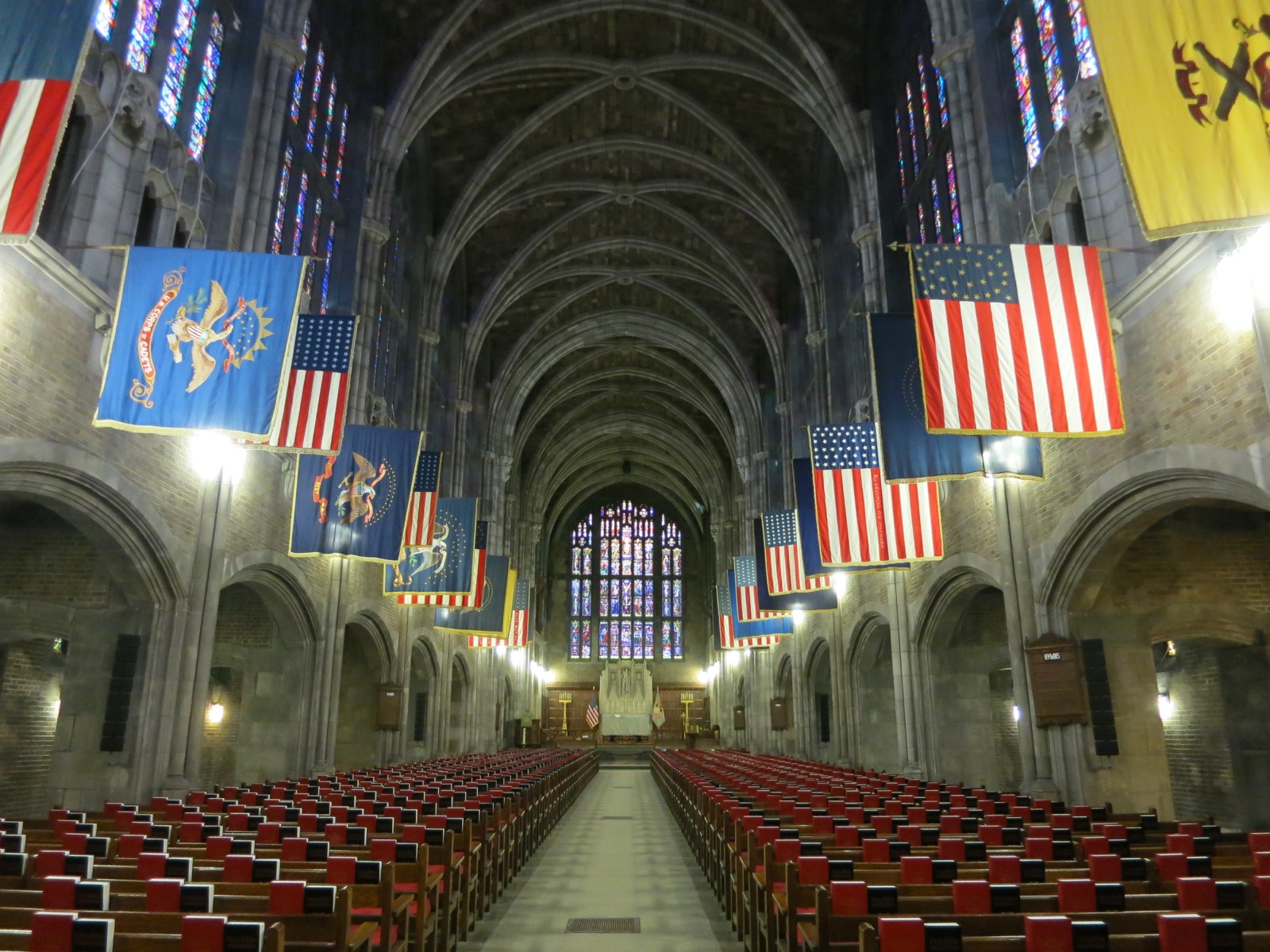
Dominating the skyline of the academy is the Cadet Chapel. Its imposing stone exterior and soaring arches are a testament to the ecclesiastical influence on military institutional architecture. The chapel features one of the world’s largest church pipe organs, a feature that draws architectural enthusiasts and music lovers alike to the high ground above the Hudson River.

Trophy Point and the Great Chain
At Trophy Point, visitors can view a section of the massive iron chain that was stretched across the Hudson River during the American Revolutionary War. This site serves as a poignant reminder of the ingenuity and sacrifice required to secure independence. The area is also home to numerous statues and monuments dedicated to legendary military figures, such as George Washington and Thaddeus Kosciuszko, whose garden remains a peaceful retreat on the academy grounds.
Historical Significance of the Site
The identity of West Point is inextricably linked to the history of the United States. It is not merely an educational institution; it is a monument to the endurance of the republic.
The Foundation of the Academy
In 1802, Thomas Jefferson signed the legislation that officially established the United States Military Academy. The intention was to create a center for engineering and military arts, fostering a corps of officers who would lead the nation into the future. Because of its location in New York, it was positioned at the crossroads of commerce and defense, situated comfortably between the military hubs of the Northeast.
A Living Museum
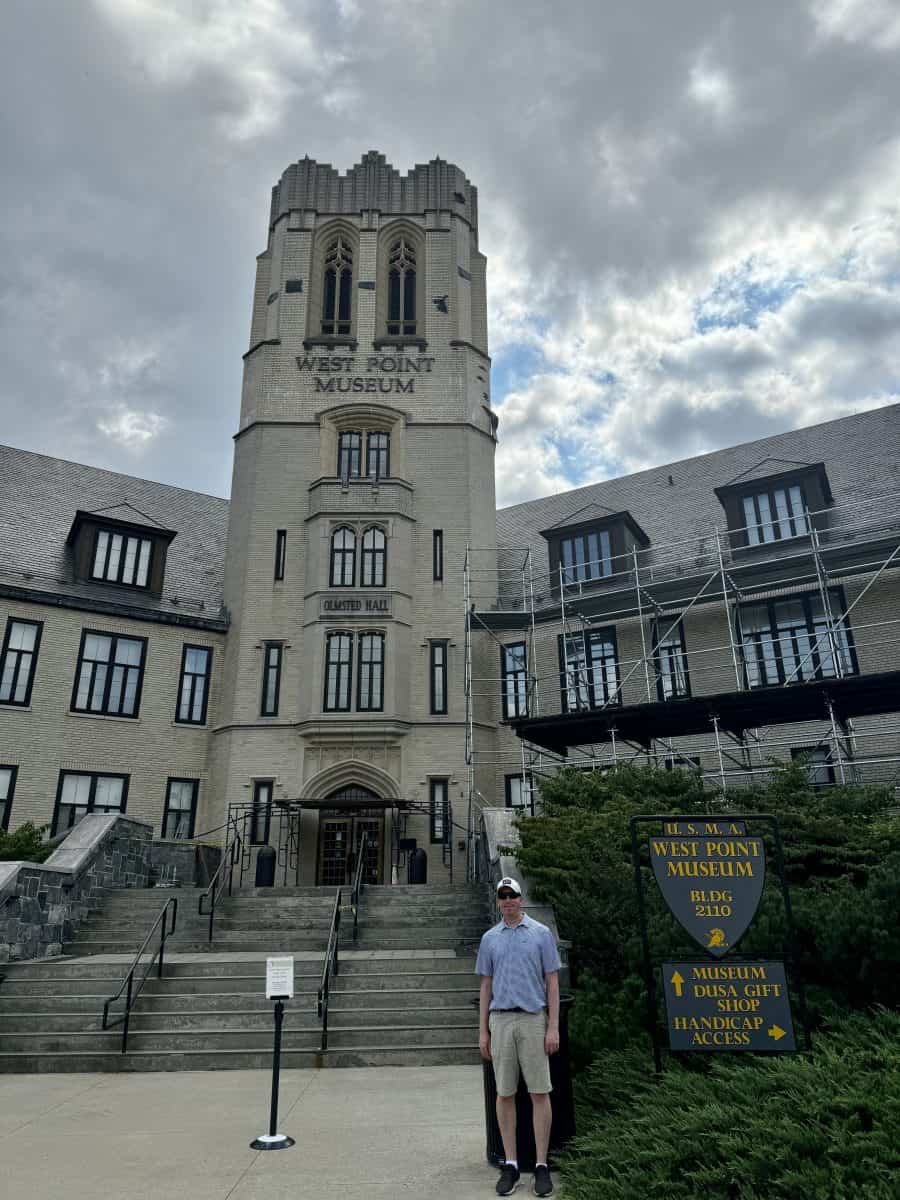
Today, West Point functions as both a prestigious university and a public-facing heritage site. The West Point Museum houses one of the most comprehensive collections of military history, ranging from ancient weaponry to artifacts from modern global conflicts. By exploring the museum, visitors gain a deeper understanding of why the site in the Hudson Highlands became the premier training ground for the country’s military leadership.
Experiencing the Hudson Valley Surroundings
The location of West Point offers more than just military history; it serves as a gateway to the broader natural and cultural splendor of the Hudson Valley.
Outdoor Recreation
The region surrounding the academy is a haven for outdoor enthusiasts. Visitors can traverse the Appalachian Trail, which runs through the Hudson Highlands and provides panoramic views of the academy’s campus from across the river. The juxtaposition of the structured, orderly West Point environment against the wild, untamed beauty of the surrounding peaks creates a unique aesthetic experience for anyone visiting New York.
Local Connections
Proximity to the town of Highland Falls ensures that visitors have access to local amenities while exploring the area. The integration of the academy into the Hudson Valley community has allowed for a thriving tourism industry centered on historical exploration. Whether arriving by train from New York City via the Metro-North Railroad or driving through the winding roads of the Hudson Highlands, the journey to West Point is as significant as the destination itself.
By understanding that West Point is a permanent, stone-hewn feature of the New York landscape, one can appreciate the permanence of the institution. It remains a sentinel on the Hudson River, watching over the flow of history, reflecting the values of the nation, and standing as a timeless testament to the geography that helped define the United States of America. From the iron chains of the revolution to the modern corridors of elite education, the site continues to serve its original purpose: to protect, to teach, and to inspire.
LifeOutOfTheBox is a participant in the Amazon Services LLC Associates Program, an affiliate advertising program designed to provide a means for sites to earn advertising fees by advertising and linking to Amazon.com. Amazon, the Amazon logo, AmazonSupply, and the AmazonSupply logo are trademarks of Amazon.com, Inc. or its affiliates. As an Amazon Associate we earn affiliate commissions from qualifying purchases.