
Florida is world-renowned for its sprawling coastlines, emerald waters, and vibrant beach culture. From the family-friendly shores of Daytona Beach to the upscale coastal vibes of West Palm Beach, the state attracts millions of tourists annually. However, alongside its reputation as a premier vacation destination, Florida frequently makes headlines for a more primal reason: shark encounters. Year after year, data from the International Shark Attack File hosted at the University of Florida confirms that the Sunshine State records more shark bites than any other location in the United States.
For tourists planning their next getaway, understanding the “why” behind these statistics is essential. It is not a matter of aggressive predators hunting humans, but rather a complex intersection of geography, marine biology, and the sheer volume of people entering the water. By examining the local tourism landscape and the natural behavior of indigenous species, visitors can better navigate the waters and enjoy everything this tropical paradise has to offer with peace of mind.
Understanding the Shark Capital of the World: Florida’s Unique Geography
To understand why shark encounters are prevalent in Florida, one must first look at the state’s unique geographical positioning. Florida acts as a massive peninsula separating the Atlantic Ocean from the Gulf of Mexico. This creates a massive amount of coastline where warm currents and nutrient-rich waters converge, creating the perfect habitat for a diverse range of marine life.
The Concentration of Activity in New Smyrna Beach
Within the state, one specific location consistently records the highest number of encounters: New Smyrna Beach. Located in Volusia County, this stretch of sand is often dubbed the “Shark Bite Capital of the World.” The reason for this isn’t a higher population of “man-eating” sharks, but rather the presence of the Ponce de Leon Inlet.
Inlets serve as major transit points for tidal waters moving in and out of the lagoon systems. These areas are incredibly rich in baitfish, such as menhaden and mullet, which are the primary food source for many shark species. Furthermore, New Smyrna Beach is a world-class surfing destination. The high density of surfers sitting in the very same areas where sharks are hunting for small fish leads to “mistaken identity” bites. In the murky, churning waters near the inlet, a splashing hand or a dangling foot can easily be confused for a struggling fish.
Migration Patterns and the Atlantic Ocean Currents
The Atlantic Coast of Florida serves as a biological highway. Every year, thousands of sharks—specifically blacktips and spinners—migrate along the coast in response to seasonal changes in water temperature. As the North Atlantic cools, these predators move south toward the warmer waters of the Caribbean Sea and the Gulf Stream.
During these migrations, sharks often travel very close to the shore, sometimes just a few yards beyond the breaking waves. For tourists visiting Jupiter or Miami Beach during these months, the sight of hundreds of sharks moving through the water is common. Because Florida has such a long coastline and year-round warm weather, the window of time for humans and sharks to interact is significantly wider than in places like New York or Massachusetts.
Environmental and Biological Factors Behind the Statistics
The word “attack” often implies intent, but marine biologists prefer the term “unprovoked encounter.” Most incidents in Florida are minor nipping events that do not result in life-threatening injuries. Understanding the biological triggers can help tourists recognize when it is best to stay on the sand.
The Role of Baitfish and the Coastal Food Chain
Shark activity is almost always linked to the presence of food. Along the Florida coast, massive schools of baitfish move according to the seasons. When these schools are present, predators follow. Tourists may notice “boils” in the water—areas where the surface appears to be bubbling or splashing. This is a clear sign that larger fish or sharks are feeding on a bait ball below.
For visitors, the presence of diving seabirds is a major indicator of shark activity. Pelicans and gannets diving into the surf are targeting the same fish that sharks are hunting. If you see significant bird activity or schools of small fish jumping out of the water, it is a signal to exit the ocean. Many encounters occur when a swimmer unknowingly enters the middle of a feeding event, and a shark, in its excitement, accidentally bites a human.
Seasonal Water Temperatures and Shark Behavior
The temperature of the water plays a significant role in shark distribution. Sharks are ectothermic, meaning their body temperature is regulated by the environment. Many species prefer water between 70 and 80 degrees Fahrenheit. Florida’s waters frequently hit this “sweet spot,” making the beaches a permanent or semi-permanent home for species like the bull shark, tiger shark, and great hammerhead.
Climate patterns, such as El Niño, can also influence these encounters. Warmer ocean temperatures can push sharks further north or keep them in Florida waters longer than usual. Additionally, heavy rainfall can flush nutrients and debris from inland waterways into the ocean via inlets, creating turbid water conditions. In low-visibility water, sharks rely more on their electroreception and less on their sight, increasing the likelihood of a confused bite.
Human Factors: Why Florida Leads the Charts
While the biology of the shark is a factor, the human element is arguably the most significant reason for the high number of incidents. Florida is a tourism powerhouse, and its economy is built on the accessibility of its beaches.

High Density of Water-Based Tourism
The statistical probability of a shark encounter increases as the number of people in the water increases. Unlike many other coastal regions where the water is too cold for most of the year, Florida sees high volumes of swimmers, snorkelers, and surfers 365 days a year. From the spring break crowds in Fort Lauderdale to the winter “snowbirds” in Naples, the water is rarely empty.
When you have millions of people recreating in the same narrow band of coastal water where sharks hunt and migrate, encounters are inevitable. It is a game of numbers. If you compare the ratio of shark bites to the millions of safe swimming hours logged by tourists annually, the risk remains incredibly low—far lower than the risk of sunstroke, jellyfish stings, or rip currents.
The Overlap of Recreational Zones and Natural Habitats
In many parts of the world, shark habitats are remote. In Florida, the habitat is the backyard. Many of the most popular tourist beaches are located directly adjacent to prime shark feeding grounds. For example, Brevard County and Palm Beach County feature deep water very close to the shore, allowing larger species to come closer to the beach than they might in other states.
Fishing is also a massive part of Florida tourism. It is common to see anglers fishing from piers or directly from the shore in the same areas where people are swimming. The blood and oils from bait, as well as the vibrations of a struggling hooked fish, are powerful attractants for sharks. Tourists should always maintain a significant distance from fishing piers and shore-based anglers to avoid being in an area where sharks have been actively chummed or attracted.
Essential Safety Tips for Florida Tourists
Tourism in Florida doesn’t have to be defined by fear. By following a few simple guidelines established by organizations like the Florida Fish and Wildlife Conservation Commission, visitors can significantly reduce their already low risk of an encounter.
Best Practices for Swimmers and Surfers
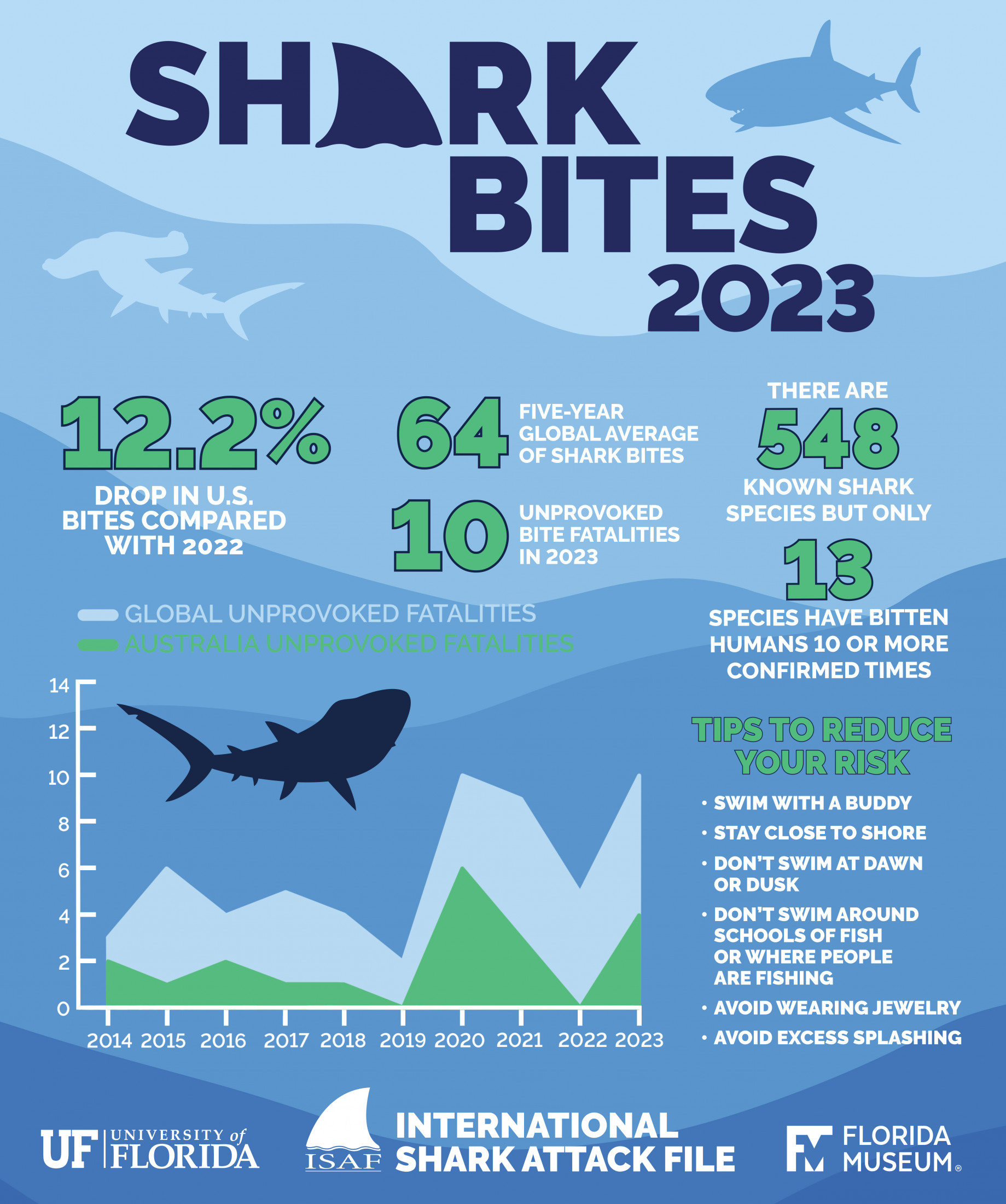
- Avoid Dawn and Dusk: Many shark species are most active during the twilight hours when they have a visual advantage over their prey.
- Swim in Groups: Sharks are more likely to approach a solitary individual than a large group of people.
- Remove Shiny Jewelry: To a shark, the glint of light off a gold chain or a silver watch looks exactly like the shimmering scales of a fish.
- Stay Close to Shore: Sharks often patrol the “trough”—the deeper water between the beach and the first sandbar. Staying in shallower water keeps you out of their primary transit lanes.
- Don’t Splash Excessively: Erratic splashing creates vibrations that mimic a wounded animal, which can draw a shark’s curiosity from a distance.
Navigating the Gulf of Mexico vs. the Atlantic Coast
Tourists should also be aware that the “vibe” and safety profile of the two coasts differ. The Atlantic Ocean side, including Volusia County and St. Lucie County, typically sees more frequent, minor bites from smaller species like blacktips. This is due to the higher wave energy and more active surf zones.
On the other hand, the Gulf of Mexico side, home to Clearwater Beach and Sarasota, has much calmer, clearer water. While shark encounters are less frequent here, the species found in the Gulf of Mexico, such as the bull shark, can be larger. However, the superior visibility in the Gulf often allows both humans and sharks to see each other clearly, preventing the “mistaken identity” incidents common in the murky Atlantic surf.
Promoting Coexistence: The Future of Florida Tourism
The narrative of “sharks attacking” is slowly being replaced by one of “coexistence and respect.” Local tourism boards and marine researchers are working together to educate the public, ensuring that Florida remains a safe and thriving destination for everyone.
Technological Advancements in Beach Monitoring
Many Florida beaches are now employing advanced technology to keep tourists safe. In areas like Miami-Dade County, lifeguards use drones to monitor the water for large predators. These drones provide a bird’s-eye view that can spot a shark long before it is visible from the shore or a lifeguard tower. When a shark is spotted close to swimmers, lifeguards can proactively clear the water, preventing any potential interaction.
Additionally, acoustic tagging programs allow researchers at the University of Florida to track the movements of specific sharks in real-time. This data helps tourism officials understand seasonal trends and issue warnings if a particularly large number of sharks are moving through a popular area.

Debunking Myths and Respecting the Ecosystem
For the tourism industry, it is vital to debunk the “Jaws” myth. Sharks are an essential part of the marine ecosystem; they keep the ocean healthy by weeding out the sick and maintaining the balance of fish populations. A healthy shark population is actually a sign of a healthy ocean, which is what draws tourists to Florida in the first place for snorkeling, diving, and fishing.
Education centers, such as the Mote Marine Laboratory and Aquarium in Sarasota, offer visitors a chance to learn about these animals up close. By fostering an appreciation for marine life, Florida tourism can move toward a model where visitors feel empowered by knowledge rather than limited by fear.
Ultimately, the reason sharks “attack” in Florida is a byproduct of the state’s success as a tourism destination. With thousands of miles of beautiful coastline and millions of visitors eager to jump into the waves, the overlap between human recreation and wildlife habitat is bound to produce a few headlines. However, by understanding the environment, respecting the local wildlife, and following basic safety protocols, tourists can continue to enjoy the incredible beauty of Florida safely and responsibly.
LifeOutOfTheBox is a participant in the Amazon Services LLC Associates Program, an affiliate advertising program designed to provide a means for sites to earn advertising fees by advertising and linking to Amazon.com. Amazon, the Amazon logo, AmazonSupply, and the AmazonSupply logo are trademarks of Amazon.com, Inc. or its affiliates. As an Amazon Associate we earn affiliate commissions from qualifying purchases.