
For many residents of California, the Employment Development Department provides a vital financial lifeline during periods of transition, whether through unemployment insurance, disability insurance, or paid family leave. When the opportunity for a much-needed reprieve in Hawaii arises, a common question surfaces: can you use your benefit card in the Aloha State? Navigating the intersection of benefit compliance and the Lifestyle of travel requires a clear understanding of how these financial tools function outside of their home state.
Technical Mechanics: Acceptance and Network Reliability
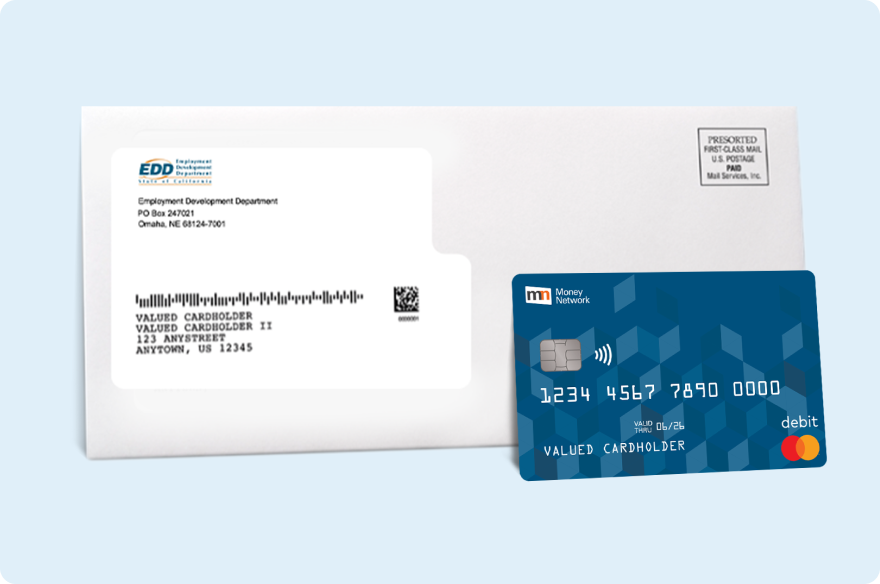
The short answer is yes; you can use your benefit card in the Hawaiian Islands. However, understanding the technical infrastructure behind the card is essential for a seamless experience. Currently, the California Employment Development Department issues benefits through a prepaid debit card managed by Money Network. This card bears the Visa logo, which is the primary factor in its universal acceptance across the United States.

Visa Acceptance in the Pacific
Because the card operates on the Visa network, it is accepted by virtually every merchant in Hawaii that takes credit or debit cards. Whether you are stocking up on essentials at a Safeway in Honolulu or grabbing a quick snack at one of the ubiquitous ABC Stores in Waikiki, your card will function just like any other standard bank card. This includes use at high-end resorts like the Hilton Hawaiian Village or budget-friendly eateries along the North Shore of Oahu.
ATM Access and Cash Withdrawals
Accessing cash is a critical component of the island Lifestyle, especially for visiting local farmers’ markets or paying for small-scale tours on the Big Island. Your card can be used at any ATM that displays the Visa or Plus symbols. In Hawaii, major financial institutions such as Bank of Hawaii, First Hawaiian Bank, and Central Pacific Bank have extensive ATM networks. It is important to note, however, that while the card is functional, using “out-of-network” ATMs may result in fees from both the ATM owner and potentially the card issuer. To avoid these costs, many travelers choose to use the “cash back” option at large retailers like Walmart or Target when making a purchase.
Navigating Regulatory Compliance and Eligibility
While the physical card works perfectly fine at a Starbucks in Maui, the implications of using it while traveling are more complex. The California Employment Development Department has strict rules regarding eligibility, particularly for those receiving unemployment insurance. Understanding these rules is paramount to maintaining your benefits while exploring Kauai or Lanai.
The “Able and Available” Requirement
For those on unemployment, the most significant hurdle is the requirement to be “able and available” for work. When you certify for benefits every two weeks, you are asserting that you are ready to accept a job immediately. If you are vacationing on the beaches of Kailua or hiking through Haleakala National Park, the state may argue that you are not available for a job interview or to start a new position in California.
If you are traveling for a short duration and can prove that you are still actively seeking work and could return to California within a reasonable timeframe for an interview, you may still be eligible. However, certifying from an IP address in Hawaii can sometimes trigger a flag in the system, leading to a determination interview. It is often recommended to be transparent with the department if your travel is extensive.
Disability and Paid Family Leave Exceptions

The rules differ slightly for those receiving Disability Insurance or Paid Family Leave. Since these benefits are not contingent on being “available for work,” traveling to Hawaii typically does not jeopardize your eligibility. Whether you are recovering in the quiet serenity of Molokai or spending time with family near Pearl Harbor, your benefits are generally secure as long as you continue to meet the medical or caregiving requirements of the program.
Strategic Budgeting for an Island Lifestyle
Traveling to Hawaii is rarely a low-cost endeavor, but for those managing their finances through benefit programs, strategic budgeting is essential. The cost of living in cities like Honolulu or Hilo is significantly higher than in many parts of the mainland, and your funds must be managed carefully to ensure they last the duration of your stay.
Maximizing Daily Expenses
To make the most of your funds, consider utilizing your card at wholesale clubs like Costco, which has several locations across Oahu, Maui, and the Big Island. Buying in bulk can significantly reduce the cost of food and supplies. Additionally, using your card for local transportation—such as TheBus in Honolulu—is a much more cost-effective way to see landmarks like Diamond Head than renting a car or relying on rideshare services.
Avoiding Common Financial Pitfalls
When using a prepaid debit card for travel, be wary of “holds.” Many Hotels, such as the Sheraton Waikiki or various Marriott properties, will place a temporary hold on your funds for incidentals. On a standard credit card, this is a minor detail; however, on a debit card, this “hold” actually makes those funds unavailable for use. If you are staying at a resort, it is often wiser to use a different form of payment for the deposit to ensure your benefit funds remain accessible for daily needs like dining at Duke’s Waikiki or booking a snorkel tour at Hanauma Bay.
Experiencing Hawaii Responsibly
For many, a trip to Hawaii represents a transition point in life. Whether you are between careers or taking time to heal, the islands offer a unique environment to reset. Using your benefits to support this journey is entirely possible, provided you respect the regulations of the Employment Development Department and the high cost of the local economy.
Cultural and Natural Exploration on a Budget
Many of the best experiences in Hawaii are free or low-cost, allowing you to preserve your balance. Visiting Hawaii Volcanoes National Park or watching the sunset over Waimea Bay costs very little but provides immeasurable value. By using your card for essential purchases at Foodland and focusing on the natural beauty of the islands, you can enjoy a fulfilling Lifestyle without overextending your financial resources.
Long-Term Considerations
If your stay in Hawaii becomes a long-term relocation, you must update your address with the Employment Development Department. Benefit programs are state-specific, and moving permanently to Hawaii may require you to transition to Hawaii-based programs or adhere to specific interstate claim rules. Always ensure that your contact information is current to avoid any disruption in payments, especially when you are thousands of miles away from California.
In conclusion, the Money Network card provided by the state of California is a versatile tool that functions well across all major Hawaiian Islands. By understanding the Visa network, being mindful of ATM fees, and staying strictly compliant with unemployment “availability” rules, you can navigate your trip with confidence. Whether you are exploring the historic streets of Lahaina, surfing in Kona, or simply enjoying the breeze in Lihue, your benefits can travel with you, providing the financial security needed to experience the magic of Hawaii.
LifeOutOfTheBox is a participant in the Amazon Services LLC Associates Program, an affiliate advertising program designed to provide a means for sites to earn advertising fees by advertising and linking to Amazon.com. Amazon, the Amazon logo, AmazonSupply, and the AmazonSupply logo are trademarks of Amazon.com, Inc. or its affiliates. As an Amazon Associate we earn affiliate commissions from qualifying purchases.