
The landscape of Los Angeles is defined as much by its natural beauty as it is by the inherent risks that accompany its unique climate. For residents and visitors alike, the term “fire season” is a somber reminder of the delicate balance between the urban sprawl of California and the volatile wilderness that surrounds it. To understand how wildfires ignite in this region, one must look past the headlines and examine the complex interplay of ecology, infrastructure, and human activity.
The Intersection of Climate and Ecology
The primary catalyst for many fires in the United States West, particularly in Southern California, is the unique topographical and meteorological environment. The region experiences a Mediterranean climate characterized by wet, mild winters followed by long, rainless summers that turn the lush vegetation into what experts call “fuel.”

The Role of Santa Ana Winds
One cannot discuss wildfires in Los Angeles without addressing the Santa Ana Winds. These strong, dry, downslope winds originate inland in the high desert regions of the Great Basin and accelerate as they funnel through mountain passes. When these winds reach speeds of 40 to 60 miles per hour, they provide the oxygen necessary to turn a small, smoldering ember into a massive conflagration in a matter of minutes.
Chaparral and Fuel Loading
The native vegetation, known as chaparral, is evolutionary adapted to fire; many species require heat to germinate seeds. However, decades of fire suppression have led to an unnatural accumulation of dense, woody brush. When this “fuel load” meets the desiccated conditions of late summer or early autumn, the landscape becomes a tinderbox, susceptible to ignition from the slightest spark.
Human Activity as the Primary Ignition Source
While lightning occasionally strikes the rugged peaks of the San Gabriel Mountains, the vast majority of fires in Los Angeles are classified as human-caused. These ignitions are rarely malicious; instead, they are often the byproduct of the high density of human activity in the wildland-urban interface.
Infrastructure and Utility Failures
Electrical infrastructure—specifically power lines and utility poles—has been a frequent point of failure during extreme wind events. When high winds knock down power lines or cause electrical arcing against dry tree branches, the resulting sparks drop directly into parched vegetation. Agencies like Southern California Edison have implemented “Public Safety Power Shutoffs” during high-risk conditions to mitigate this specific danger, reflecting a strategic shift in how the state manages energy infrastructure amidst a changing climate.

Accidental Ignitions and Negligence
Beyond utility failures, the daily lives of millions of people contribute to the ignition risk. Common triggers include:
- Vehicle Exhaust: Particles from hot mufflers or catalytic converters landing on dry grass along highways like the 405 Freeway.
- Equipment Use: The use of lawnmowers, chain saws, or welding equipment during periods of extreme fire danger.
- Cigarette Disposal: Improperly discarded smoking materials remain a leading cause of accidental roadside blazes.
- Illegal Campfires: Despite strict bans in wilderness areas like Griffith Park, illicit campfires or cooking fires often escape human control, leading to rapid fire spread in steep, inaccessible canyons.
The Wildland-Urban Interface (WUI)
The Los Angeles basin is a masterclass in urban planning that pushes right up to the edge of the wilderness. The Wildland-Urban Interface, or WUI, represents the zones where structures and other human development meet or intermingle with undeveloped wildland or vegetative fuels.
Development in High-Risk Zones
Historically, the desire for views of the Pacific Ocean or the twinkling lights of the Hollywood Hills has driven extensive residential development into fire-prone canyons. These neighborhoods, while picturesque, often feature narrow, winding roads that complicate firefighting efforts and create “bottleneck” evacuation scenarios. Modern building codes have improved, requiring fire-resistant materials such as dual-pane tempered glass and non-combustible roofing, but many older homes remain highly vulnerable to embers that can travel miles ahead of the main fire front.
Fire Suppression Challenges
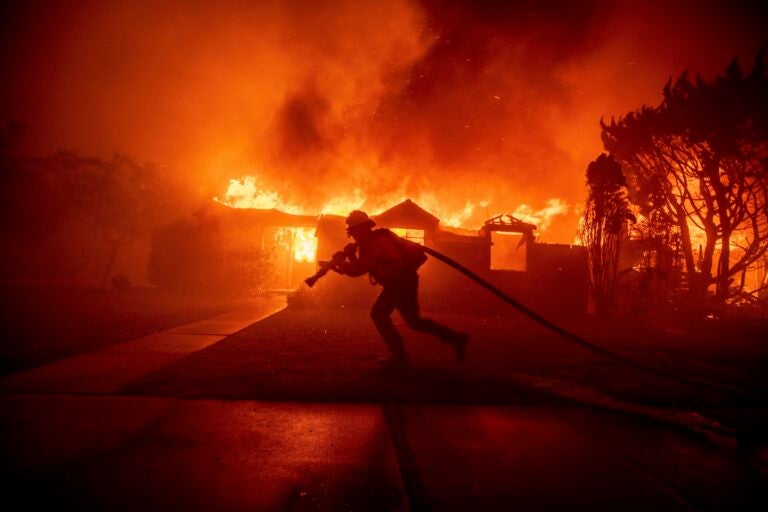
When a fire breaks out in these interface zones, the strategy for the Los Angeles Fire Department involves a delicate decision-making process. Because the terrain is often steep and treacherous, firefighters frequently rely on aerial support—helicopters and fixed-wing tankers—to drop water and fire retardant. However, when winds are too high or visibility is too low, aerial resources are grounded, forcing ground crews to engage in “structure protection,” which sometimes means prioritizing individual homes over containing the fire perimeter itself.
Modern Mitigation and Future Outlook
The question of how a fire starts in Los Angeles is evolving into a question of how we can live alongside fire. As the climate continues to shift, the window for fire danger is expanding. Mitigation efforts are now focused on three pillars: prevention, detection, and defensible space.
Technological Advancements
New technology is fundamentally changing how agencies detect fires. Satellite imagery and AI-integrated camera networks now monitor the hillsides of Malibu and the Santa Monica Mountains 24/7. These systems can identify smoke signatures within seconds, allowing dispatchers to send resources to the exact coordinates long before a 911 call is even placed.
Community Responsibility
The concept of “defensible space”—the practice of clearing dry vegetation, removing flammable landscaping, and trimming overhanging branches within 100 feet of a home—has become a non-negotiable standard for residents living in high-risk zones. Local government outreach programs emphasize that while homeowners cannot control the wind or the drought, they can significantly influence the survivability of their property by hardening the home against embers.
Understanding the ignition of fires in Los Angeles is a sobering lesson in environmental stewardship. Whether caused by a stray spark from a vehicle on the 101 Freeway, a failing power line, or an unattended flame, the results demonstrate the power of the natural world. By acknowledging the risks inherent in the landscape and committing to rigorous mitigation, the city continues to navigate the dangerous, yet unavoidable, reality of life on the edge of the wild.
LifeOutOfTheBox is a participant in the Amazon Services LLC Associates Program, an affiliate advertising program designed to provide a means for sites to earn advertising fees by advertising and linking to Amazon.com. Amazon, the Amazon logo, AmazonSupply, and the AmazonSupply logo are trademarks of Amazon.com, Inc. or its affiliates. As an Amazon Associate we earn affiliate commissions from qualifying purchases.