
West Texas is a vast and diverse region, often evoking images of wide-open spaces, rugged landscapes, and a rich cultural heritage. But pinpointing its exact geographical boundaries can be a bit like trying to lasso a mirage. Unlike a clearly defined state or country, West Texas is more of a conceptual territory, understood through a blend of geography, culture, and historical significance. For travelers, understanding this location is the first step to unlocking its many wonders, from its iconic landmarks to its unique lifestyle.
This article aims to demystify the location of West Texas, exploring its geographical context, key cities, and the distinct character that sets it apart within the Lone Star State. We’ll delve into the types of destinations and attractions that await the adventurous traveler, the unique accommodations that cater to every preference, and the vibrant local culture and tourism experiences that define this captivating corner of the United States. Whether you’re planning a luxury getaway, a budget-friendly exploration, or a family adventure, knowing where West Texas is situated is paramount to crafting an unforgettable itinerary.
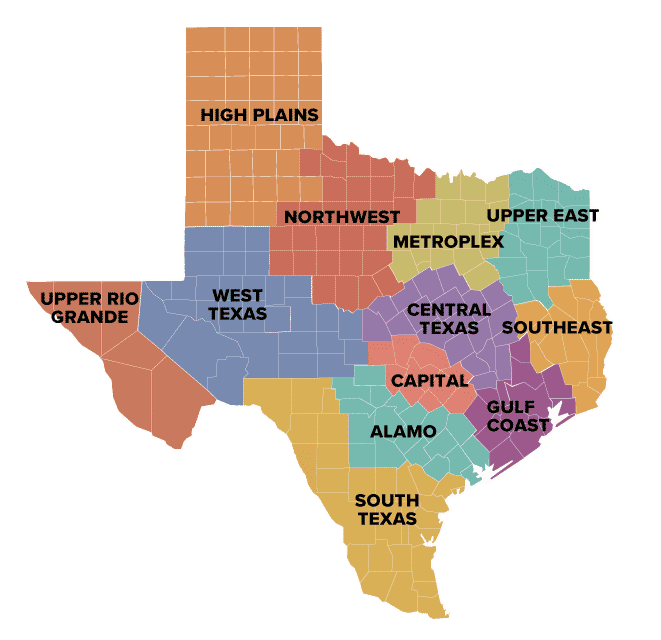
Defining the Boundaries: Geographical and Cultural Context
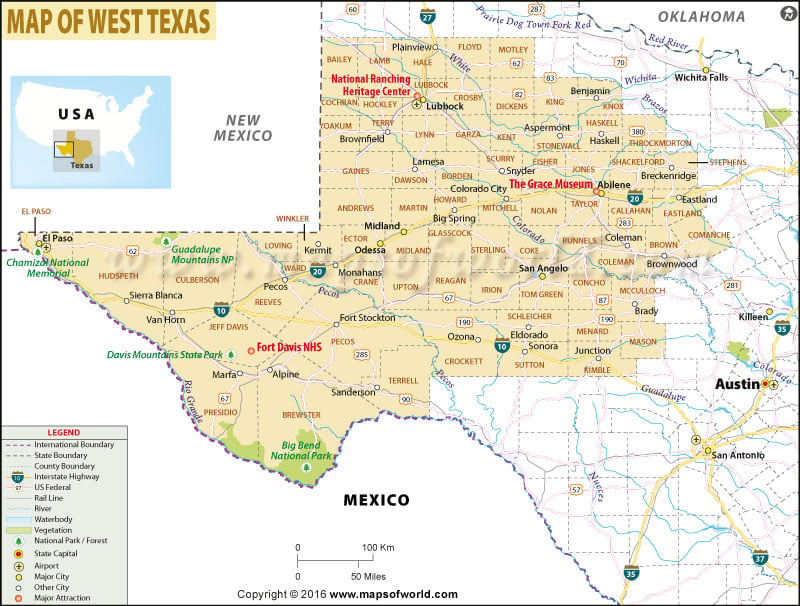
When asking “Where is West Texas located?”, the most straightforward answer places it in the westernmost part of the state of Texas. However, this broad definition hardly scratches the surface. The region is characterized by its immense size, bordering New Mexico to the west and north, and Mexico to the south. Its eastern frontier is less rigidly defined, often considered to be a transition zone where the characteristics of West Texas begin to blend into Central Texas.
The Vast Expanse: Size and Terrain
The sheer scale of West Texas is a defining feature. It encompasses a significant portion of the state, covering hundreds of thousands of square miles. This immensity contributes to its diverse topography, ranging from the arid plains and desert landscapes of the Trans-Pecos region to the more rolling hills and plateaus further east.
The Trans-Pecos is arguably the most iconic part of West Texas. This area is known for its dramatic mountain ranges, including the Guadalupe Mountains, home to Guadalupe Peak, the highest point in Texas. These mountains offer a stark contrast to the surrounding desert, providing opportunities for hiking and exploring unique ecosystems. The Big Bend National Park is another jewel in the Trans-Pecos crown, a vast protected area that showcases the rugged beauty of the Chihuahuan Desert, the Rio Grande River, and the Chisos Mountains. The sheer emptiness and grandeur of this region are what many associate with the quintessential West Texas experience.
Further east, the landscape transitions into the Edwards Plateau and the Llano Uplift. While still part of West Texas, these areas might exhibit slightly less arid conditions, with more scrub brush and scattered trees. Nevertheless, the overarching theme of open skies and expansive vistas remains a constant. This geographical diversity directly influences the types of travel experiences available, from adventure tourism in the mountains to exploring historical ranches and charming small towns.
Key Cities and Their Significance
While West Texas is often associated with its natural beauty and rural charm, it is also home to several important cities that serve as hubs for commerce, culture, and tourism.
-
El Paso: Situated on the border with Mexico and adjacent to New Mexico, El Paso is the largest city in West Texas. Its strategic location has shaped its unique cultural identity, a vibrant fusion of American and Mexican influences. El Paso boasts a rich history, a burgeoning arts scene, and a delicious culinary landscape. It’s a gateway to exploration, offering a different perspective on West Texas than the more remote, rural areas.
-
Lubbock: Located in the High Plains region of West Texas, Lubbock is a major center for agriculture, particularly cotton and wine production. It’s also home to Texas Tech University, which contributes to a youthful energy and a lively cultural scene. Lubbock offers a glimpse into the agricultural heartland of West Texas, with attractions like the Buddy Holly Center, celebrating the life and legacy of the legendary musician.
-
Midland and Odessa: These twin cities in the Permian Basin are at the epicenter of Texas’s oil and gas industry. While their economic significance is paramount, they also offer visitors a look at the state’s industrial backbone. Beyond the oil fields, travelers can find museums, parks, and a taste of the resilient spirit of West Texas communities.
-
San Angelo: Situated in the Concho Valley, San Angelo is known for its rich sheep and wool heritage. It’s a city that blends its historical roots with modern amenities, offering attractions like the San Angelo Museum of Fine Arts and the historic Fort Concho National Historic Landmark.
These cities, while distinct, all contribute to the multifaceted identity of West Texas. They serve as starting points for deeper exploration, offering essential services, diverse accommodations, and a taste of local life. Understanding their placement within the vastness of West Texas helps travelers orient themselves and plan their journeys effectively.
Exploring the Treasures: Destinations, Attractions, and Landmarks
West Texas is a region that rewards those who venture off the beaten path. Its diverse landscapes and rich history have given rise to a wealth of unique destinations, attractions, and landmarks that cater to a wide range of interests. From natural wonders to historical sites, there’s something to captivate every traveler.
Natural Wonders and Outdoor Adventures
The most compelling draw for many to West Texas is its breathtaking natural beauty. The vast, unpopulated expanses offer a chance to reconnect with nature and experience landscapes unlike any other in the United States.
-
Big Bend National Park: As mentioned, this is a crown jewel. Spanning over 800,000 acres, the park protects a remarkable diversity of desert, mountain, and river environments. Visitors can hike through rugged canyons, float down the Rio Grande, gaze at an unparalleled starry sky thanks to its remote location and minimal light pollution, and explore the unique flora and fauna of the Chihuahuan Desert. The park offers numerous trails, from easy walks to challenging backcountry treks, as well as scenic drives like the Ross Maxwell Scenic Drive.
-
Guadalupe Mountains National Park: Towering over the West Texas desert, these mountains offer a different kind of outdoor experience. Guadalupe Peak, with its summit offering panoramic views, is a popular hiking destination. The park also boasts the El Capitan formation, a striking limestone cliff, and the unique McKittrick Canyon, known for its fall foliage.
-
Davis Mountains State Park: This park offers a more accessible mountain experience, with opportunities for hiking, camping, and wildlife viewing. The Fort Davis National Historic Site is located nearby, offering a glimpse into the region’s frontier past. The McDonald Observatory, located atop Mount Locke, is another significant attraction, allowing visitors to marvel at the universe through powerful telescopes.
-
Caprock Canyons State Park & Trailway: Located in the Texas Panhandle, which is often considered a part of West Texas, this park is known for its dramatic red rock canyons, rugged hiking trails, and the rare Texas red-striped cave fish. It’s also home to the Texas State Bison herd.
These natural landmarks are not just sights to behold; they are invitations to engage in outdoor activities, offering a perfect blend of adventure and tranquility for budget travel and luxury experiences alike.
Historical Sites and Cultural Enclaves
West Texas’s history is as layered as its geological formations, marked by Native American presence, Spanish exploration, frontier life, and the oil boom.
-
Fort Concho National Historic Landmark (San Angelo): This well-preserved 1870s fort provides an immersive experience into the life of a cavalry post on the Texas frontier. Visitors can explore barracks, officers’ quarters, and the fort’s hospital, gaining insight into the challenges and daily routines of soldiers stationed in West Texas.
-
Historic Fort Davis National Historic Site: A crucial frontier fort established in 1854, Fort Davis played a significant role in protecting travelers and settlers along the San Antonio-El Paso road. The restored buildings and exhibits offer a detailed look at military life and the harsh realities of the West Texas frontier.
-
The 19th Century Railroad Depot (Sweetwater): This historic depot is a testament to the importance of railroads in the development of West Texas, serving as a vital transportation hub for people and goods.
-
The Texas Cowboy Hall of Fame (Fort Worth): While Fort Worth is technically in North Texas, its proximity and cultural ties often mean its attractions are considered when exploring the broader Texan experience, including the cowboy heritage that permeates West Texas. This hall of fame celebrates the legendary figures of the rodeo and ranching world.
-
Chihuahua Desert Museum (El Paso): This unique museum is more than just a collection of artifacts; it’s a living museum dedicated to the natural and cultural history of the Chihuahuan Desert. It features extensive exhibits, botanical gardens, and animal enclosures that showcase the region’s unique biodiversity.
Unique Attractions and Experiences
Beyond the grand landscapes and historical forts, West Texas offers quirky and memorable attractions that add to its distinct character.
-
The Cadillac Ranch (Amarillo): A true icon of Route 66, the Cadillac Ranch is an art installation featuring ten Cadillacs buried nose-first in the ground. Visitors are encouraged to add their own graffiti, making each visit a unique experience. This is a quintessential stop for any road trip enthusiast.
-
The Globe of the Great Southwest (Odessa): This faithful replica of Shakespeare’s original Globe Theatre brings a touch of the dramatic arts to the heart of West Texas, hosting live performances and events.
-
Marfa: This small desert town has become an internationally renowned art destination, attracting artists, collectors, and curious travelers. Marfa is famous for its minimalist art installations, including Donald Judd‘s work at the Chinati Foundation, and the mysterious Marfa Lights. The town offers a sophisticated yet laid-back lifestyle, with unique boutiques, galleries, and highly-regarded restaurants.
The diversity of these destinations ensures that any visitor to West Texas will find experiences that resonate with their travel preferences, whether they seek adventure, history, art, or simply the quiet solitude of the open country.
Embracing the Lifestyle: Accommodation, Food, and Culture
The lifestyle in West Texas is as varied as its landscapes, influenced by its frontier history, its agricultural roots, its artistic endeavors, and the sheer vastness of its territory. This translates into a unique approach to accommodation, a distinct culinary scene, and a rich tapestry of local culture and activities that travelers can immerse themselves in.
Accommodation for Every Traveler
From luxurious resorts to rustic cabins, West Texas offers a spectrum of lodging options designed to suit every budget and travel style. The region’s emphasis on open spaces often translates into hotels and resorts that offer expansive views and a sense of tranquility.
-
Luxury Resorts and Boutique Hotels: In towns like Marfa, luxury accommodations are an art form. Boutique hotels offer stylish rooms, fine dining, and personalized service, often mirroring the minimalist aesthetic of the surrounding art scene. These can include converted historic buildings or architecturally significant new constructions. For those seeking a high-end experience, these establishments provide an oasis of comfort and sophistication.
-
Family-Friendly Hotels and Motels: Larger cities like El Paso, Lubbock, and San Angelo offer a range of familiar hotel chains and independent motels. These provide convenient amenities such as swimming pools, complimentary breakfast, and easy access to local attractions, making them ideal for family trips and budget travelers alike.
-
Unique Stays and Ranch Stays: For a truly authentic West Texas experience, consider a ranch stay or a stay in a historic property. Many ranches offer guest accommodations, allowing visitors to experience ranch life firsthand, from horseback riding to cattle drives. These stays often provide a deep dive into the agricultural lifestyle and the history of land stewardship in the region. Look for charming bed and breakfasts in historic towns or renovated historic homes that offer a glimpse into the past.
-
Camping and RV Parks: Given the prevalence of national and state parks, camping and RVing are popular ways to experience West Texas. Numerous campgrounds within parks like Big Bend National Park and Guadalupe Mountains National Park offer basic amenities, while private RV parks in and around cities provide more extensive facilities. This is a prime option for budget travel and those who wish to be fully immersed in nature.
When booking accommodation, it’s always advisable to consider the specific location within West Texas you plan to visit. Remote areas might have fewer options, requiring advance booking, while larger cities offer more variety and competition. Reading reviews on platforms that compare booking options can help ensure you find the perfect place to rest after a day of exploring.
The Flavors of West Texas: Culinary Delights
The culinary landscape of West Texas is a delicious reflection of its diverse cultural influences and its agricultural bounty. Expect a robust blend of Tex-Mex, traditional American comfort food, and a growing appreciation for local ingredients and innovative cuisine.
-
Tex-Mex Staples: In a region so close to the border, Tex-Mex cuisine is a cornerstone. From sizzling fajitas and enchiladas to fresh guacamole and margaritas, you’ll find authentic and flavorful dishes throughout West Texas. El Paso, in particular, is renowned for its unique take on Tex-Mex, often referred to as “Paso-style” Mexican food.
-
Classic Texas BBQ: No trip to Texas is complete without indulging in some barbecue. West Texas offers its own distinct styles, often featuring slow-smoked brisket, ribs, and sausage. Look for local joints that have perfected their rubs and smoking techniques for a true taste of Texas tradition.
-
Agri-Tourism and Local Produce: West Texas is a significant agricultural producer, and this is increasingly reflected on restaurant menus. In areas like the High Plains around Lubbock, you might find restaurants highlighting local wines, cotton-seed-crusted dishes, or fresh produce from regional farms.
-
Artful Dining in Marfa: While the rest of West Texas offers hearty, traditional fare, Marfa has emerged as a surprisingly sophisticated dining destination. Here, you’ll find restaurants that emphasize fresh, seasonal ingredients, innovative flavor combinations, and beautifully presented dishes, catering to a more discerning palate and contributing to the luxury travel experience.
Exploring the local food scene is an integral part of understanding West Texas. Don’t hesitate to ask locals for their recommendations; they often know the best hidden gems for an authentic dining experience.

Local Culture and Engaging Activities
The culture of West Texas is shaped by its independent spirit, its strong sense of community, and its deep connection to the land. This manifests in various activities and traditions that offer a genuine glimpse into the Texan way of life.
-
Arts and Music Scene: While Marfa is the undisputed art capital, smaller towns and cities across West Texas also boast active arts communities. Galleries, live music venues, and annual festivals celebrate local talent, from country and western music to independent film and visual arts. The legacy of musicians like Buddy Holly in Lubbock continues to inspire.
-
Rodeo and Western Heritage: Rodeo is more than just a sport in West Texas; it’s a cultural institution. Attending a local rodeo is a thrilling way to experience this integral part of Texan identity. Many towns celebrate their western heritage with annual festivals, parades, and historical reenactments.
-
Outdoor Recreation and Exploration: Beyond the major national parks, West Texas offers endless opportunities for outdoor activities. Hiking, camping, stargazing (the region is a designated International Dark Sky Park), birdwatching, and exploring ghost towns are popular pastimes. The sheer scale of the region encourages leisurely drives, with scenic routes offering breathtaking vistas at every turn.
-
Community Festivals and Events: West Texas towns often hold local festivals that celebrate everything from chili to cotton to historical events. These gatherings are a fantastic way to mingle with locals, sample regional foods, and experience the genuine warmth and hospitality of the West Texas people.
By understanding where West Texas is located and appreciating its diverse offerings, travelers can plan an itinerary that embraces its unique lifestyle, ensuring a memorable and enriching journey through this captivating part of the Lone Star State.
LifeOutOfTheBox is a participant in the Amazon Services LLC Associates Program, an affiliate advertising program designed to provide a means for sites to earn advertising fees by advertising and linking to Amazon.com. Amazon, the Amazon logo, AmazonSupply, and the AmazonSupply logo are trademarks of Amazon.com, Inc. or its affiliates. As an Amazon Associate we earn affiliate commissions from qualifying purchases.