
California, often hailed as the Golden State, is a land of unparalleled beauty and diverse landscapes. From its sun-kissed beaches and vibrant cities to its towering ancient forests and majestic mountain ranges, it consistently ranks as a premier travel destination for millions worldwide. Visitors flock to explore iconic landmarks like the Golden Gate Bridge, immerse themselves in the glamour of Hollywood, or seek adventure in breathtaking National Parks such as Yosemite and Joshua Tree. However, alongside its allure, California also faces a recurring environmental challenge: wildfires. These events, while a natural part of the ecosystem, have grown in intensity and frequency, leading to significant impacts on the environment, communities, and the tourism industry.
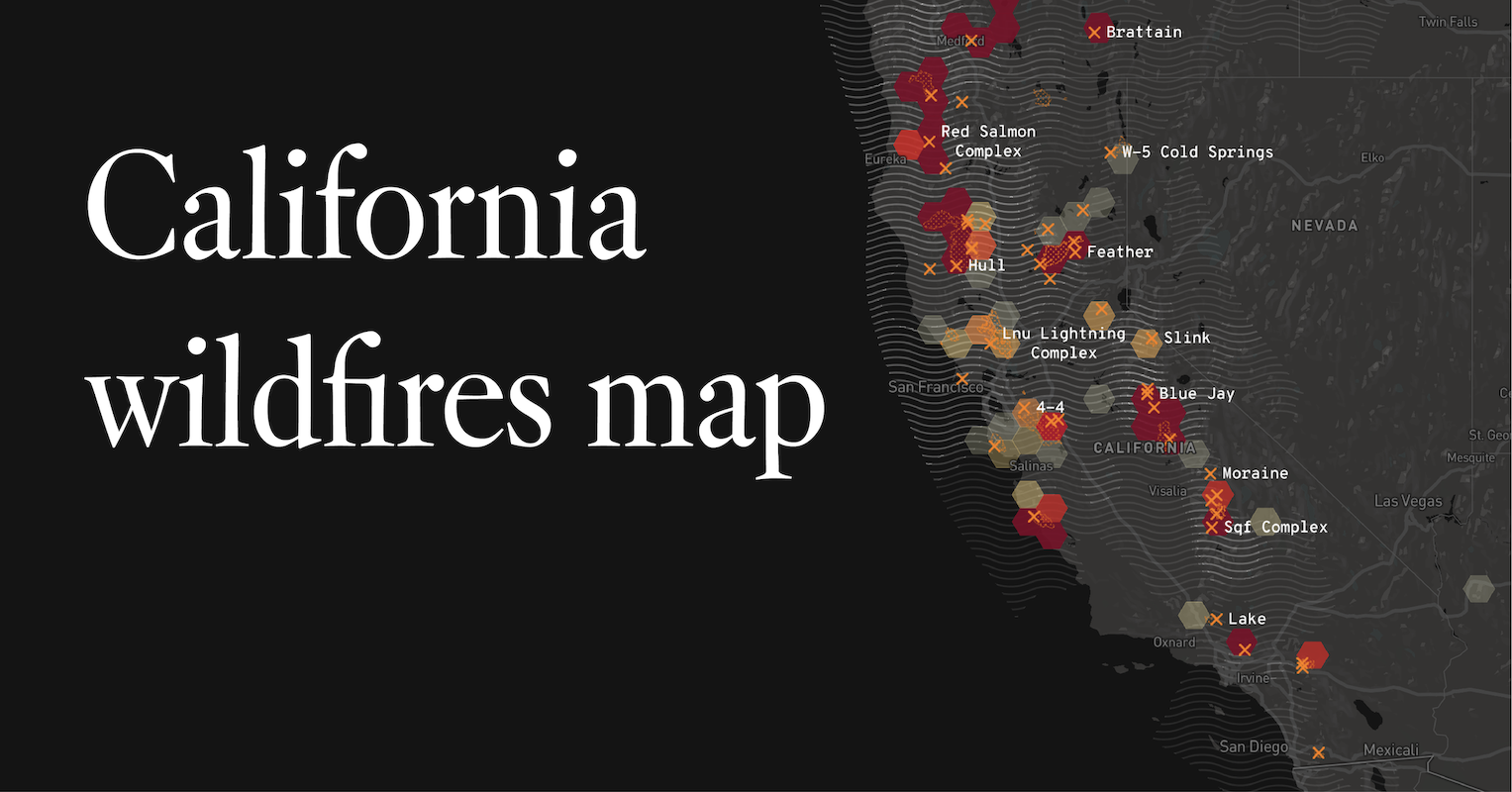
Understanding where these fires typically occur, their seasonal patterns, and their broader implications is crucial for anyone planning to visit, reside, or do business in the state. This article aims to provide a comprehensive overview of California’s wildfire landscape, offering insights into affected regions, the impacts on travel and accommodation, and essential information for ensuring a safe and responsible experience. We’ll delve into how these fires influence our choices of hotels and resorts, the accessibility of famous attractions, and the broader lifestyle considerations for both residents and visitors alike.
Understanding California’s Wildfire Landscape
California’s unique geography and climate create conditions highly susceptible to wildfires. The state’s long, dry summers, coupled with a landscape rich in chaparral, brush, and forests, provide ample fuel. Understanding the natural dynamics behind these events is the first step toward appreciating their presence and managing their effects.
The Dynamics of Fire Seasons in the Golden State
The prevalence of wildfires in California is intrinsically linked to its Mediterranean climate, characterized by hot, dry summers and mild, wet winters. This pattern, however, has been exacerbated by prolonged droughts, which turn vast stretches of vegetation into tinderboxes. The state’s topography further complicates matters; canyons, valleys, and mountainous terrains act as natural funnels for strong, dry winds that can rapidly spread flames.
Key wind events, such as the infamous Santa Ana winds in Southern California and the Diablo winds in Northern California, are notorious for fanning small fires into massive infernos, often pushing them across vast distances and into populated areas. While fires can technically occur year-round, the peak wildfire season typically runs from late spring through fall, often extending well into winter in drought years. Human activity, whether accidental or intentional, accounts for the vast majority of ignitions, underscoring the importance of vigilance and preventative measures.
Key Regions Prone to Wildfires
While no part of California is entirely immune, certain regions are historically more susceptible to significant wildfire activity due to a combination of climate, vegetation, and proximity to human development.
In Southern California, large fires frequently occur in areas surrounding Los Angeles County, San Bernardino County, Orange County, and San Diego County. These regions are characterized by dense chaparral and brush, often bordering sprawling urban and suburban communities. The hillsides and canyons of Malibu, Santa Barbara, and the foothills of the Sierra Nevada range (which extends significantly south) are particular hotspots. Areas near popular mountain resorts and vacation homes can also be impacted.
Northern California sees its share of devastating fires, particularly in the wine countries of Napa Valley and Sonoma County, the foothills of the Sierra Nevada (including areas near Lake Tahoe and Sacramento), and forested regions like the Shasta Cascade and portions of the Redwood Coast. The vast forests, including those managed by the National Park Service and state parks, are vulnerable, with fires sometimes affecting access to natural attractions and hiking trails. While the dense coastal redwood forests are less prone to fast-moving ground fires due to their unique microclimates, surrounding dryer mixed-conifer forests can be highly flammable. Understanding these patterns helps visitors appreciate the importance of local alerts and responsible engagement with the natural environment.
Navigating Travel Amidst Wildfire Concerns
For those planning a trip to California, wildfire activity can understandably raise concerns. However, it’s important to remember that California is a vast state, and localized fire incidents do not typically affect the entire region. Informed planning and staying updated are key to a safe and enjoyable experience.
Impact on California’s Iconic Destinations
Wildfires can impact some of California’s most cherished attractions and natural landmarks. For example, access to Yosemite National Park, Sequoia National Park, and Kings Canyon National Park can be temporarily restricted due to active fires, smoke, or fire damage. Similarly, scenic routes like portions of the Pacific Coast Highway in Big Sur might face closures. Wine regions in Napa and Sonoma have experienced direct fire impacts, affecting vineyards, wineries, and associated hotels and resorts.
It is crucial to emphasize that major metropolitan areas such as San Francisco, Los Angeles, San Diego, and Oakland, as well as popular theme parks like Disneyland in Anaheim and Universal Studios Hollywood, are rarely in direct danger from wildfires. The primary concern in these urban centers is often air quality, which can be affected by smoke drift from distant fires. Travelers should always check air quality indexes (AQI) for their specific destination and consider indoor activities if air quality is poor.
Accommodation and Tourism in Affected Areas
The accommodation sector, including hotels, resorts, apartments, and villas, can experience significant disruptions during and after wildfires. Properties in directly affected zones may face closures, damage, or evacuation orders. Even those outside immediate danger areas might see cancellations due to concerns about air quality, road closures, or general public perception.

For travelers, this means exercising flexibility and due diligence. When booking accommodation during peak fire season, it’s wise to review cancellation policies carefully. Many establishments, particularly in areas prone to fire, have contingency plans and are transparent about potential disruptions. Supporting local businesses in regions recovering from fires is also a powerful way to contribute to community resilience and recovery, once it is safe to do so. The tourism industry often plays a critical role in economic recovery post-fire, bringing much-needed revenue back into affected areas.
Resources for Travelers and Residents
Staying informed is paramount for anyone in California during fire season. Several reliable resources offer real-time updates and critical safety information:
- Cal Fire: California’s official fire agency provides comprehensive information on current incidents, fire maps, and safety guides. Their website is an indispensable tool for understanding the location and status of ongoing fires.
- Local Emergency Services: County and city emergency management websites and social media channels offer localized alerts, evacuation orders, and shelter information.
- National Park Service: For visitors to National Parks or Forests, the official park websites provide specific alerts, closures, and fire restrictions within their boundaries.
- AirNow.gov: This federal resource offers real-time air quality data (AQI) by location, allowing travelers to assess smoke impacts and plan activities accordingly.
- Caltrans: The California Department of Transportation provides updates on road closures and conditions, essential for planning routes.
Before embarking on any travel, especially during fire season, check these resources for your specific destination and along your intended route. Flexibility in your itinerary and having alternative plans can significantly reduce stress and ensure a safer experience.
Preserving California’s Natural Landmarks and Lifestyle
Beyond the immediate dangers, wildfires have long-term effects on California’s natural environment and the distinctive lifestyle it offers. Conservation efforts and community resilience are crucial in protecting the state’s iconic beauty and way of life.
Protecting Parks and Wilderness Areas
California’s diverse natural landmarks — from the giant sequoias of Sequoia National Park and Kings Canyon National Park to the unique desert flora of Joshua Tree National Park and the pristine wilderness of Anza-Borrego Desert State Park — face existential threats from increasingly intense wildfires. While some ecosystems are adapted to fire and even require it for regeneration, mega-fires can overwhelm natural recovery mechanisms, leading to irreversible damage to habitat and wildlife.
Conservation efforts focus on forest management, including prescribed burns and fuel reduction, to mitigate fire risk and promote healthier ecosystems. Post-fire, significant resources are dedicated to reforestation, erosion control, and habitat restoration. The integrity of these natural spaces is not just about preserving scenery; it’s about maintaining biodiversity, water quality, and the very foundation of California’s appeal as a nature destination. Visitors can contribute by adhering to Leave No Trace principles, observing fire restrictions, and supporting organizations dedicated to California’s environmental protection.
Community Resilience and Sustainable Tourism Initiatives
The human element of California’s wildfire challenge is perhaps most profound in the communities that repeatedly face direct impacts. From the rural towns in the Sierra Nevada foothills to the picturesque coastal enclaves of Malibu and Santa Cruz, residents and businesses demonstrate remarkable resilience. The lifestyle in these areas often revolves around a deep connection to nature, which fires can abruptly disrupt.
In the aftermath of fires, communities embark on long recovery journeys, rebuilding homes, infrastructure, and local economies. Sustainable tourism initiatives emerge, encouraging visitors to support local businesses, stay in accommodations that are committed to sustainable practices, and engage in activities that help rather than hinder recovery. Many hotels, resorts, and local tour operators play an active role in these recovery efforts, highlighting the interconnectedness of tourism and community well-being. By choosing to visit and spend thoughtfully, travelers can be part of the solution, fostering hope and economic stability in fire-affected regions once they are safe and ready to welcome guests again.
Planning Your Visit: Safety and Preparedness
While wildfires are a reality in California, they shouldn’t deter you from experiencing the state’s many wonders. With careful planning and adherence to safety guidelines, a rewarding trip is absolutely possible.
Essential Safety Tips for Travelers
For travelers venturing into or near wildfire-prone areas, preparedness is key:
- Stay Informed: Regularly check official sources like Cal Fire and local emergency services for updates on fire incidents and air quality.
- Know Your Route: Be aware of potential road closures and have alternative routes planned. Caltrans is an excellent resource for real-time road conditions.
- Emergency Plan: If staying in a remote area, understand the local evacuation procedures and identify multiple escape routes from your accommodation.
- Fire-Safe Habits: Always practice extreme caution with fire. This means no campfires outside designated areas, proper disposal of cigarettes, and ensuring your vehicle’s catalytic converter doesn’t come into contact with dry grass. Check for fire restrictions in National Parks, National Forests like Mendocino National Forest or Plumas National Forest, and state parks before you go.
- Be Prepared to Adapt: Travel plans might need to change due to unforeseen fire activity. Embrace flexibility and prioritize safety over sticking rigidly to an itinerary.
- Pack Smart: Consider packing N95 masks during fire season, especially if you have respiratory sensitivities or plan to be outdoors in areas potentially affected by smoke.

Booking Accommodation Responsibly
When selecting your accommodation, especially during the fire season, a few considerations can enhance your safety and peace of mind:
- Check Cancellation Policies: Opt for hotels, resorts, or apartments with flexible cancellation or change policies, particularly if your plans are contingent on weather or environmental conditions.
- Travel Insurance: Consider purchasing comprehensive travel insurance that covers disruptions due to natural disasters. Read the fine print to ensure wildfires are included.
- Reputable Booking Platforms: Utilize reputable booking platforms and directly contact hotels or resorts for the most current information regarding their operational status and local conditions.
- Sustainable Choices: Look for accommodations that demonstrate a commitment to environmental stewardship and community support. Your choice can indirectly aid in resilience efforts. Many properties will detail their sustainability initiatives or how they support local recovery.
In conclusion, California remains an extraordinarily vibrant and welcoming destination, offering an endless array of experiences for every type of traveler. While wildfires are a serious concern, they are also a force that California continually adapts to. By being informed, respectful, and prepared, visitors can safely enjoy the Golden State’s breathtaking beauty, contribute to its sustainable tourism efforts, and support the resilient communities that call this remarkable place home. Plan wisely, travel responsibly, and discover the enduring spirit of California.
LifeOutOfTheBox is a participant in the Amazon Services LLC Associates Program, an affiliate advertising program designed to provide a means for sites to earn advertising fees by advertising and linking to Amazon.com. Amazon, the Amazon logo, AmazonSupply, and the AmazonSupply logo are trademarks of Amazon.com, Inc. or its affiliates. As an Amazon Associate we earn affiliate commissions from qualifying purchases.