
Chinchillas, with their incredibly soft fur, inquisitive nature, and charming personalities, have captured the hearts of many. For those in California looking to welcome one of these delightful rodents into their home, the journey involves understanding reputable sources, ethical considerations, and the specific needs of these unique pets. This guide explores the primary avenues for acquiring a chinchilla in the Golden State, focusing on responsible acquisition and the well-being of the animal.
Reputable Breeders and Specialized Pet Shops
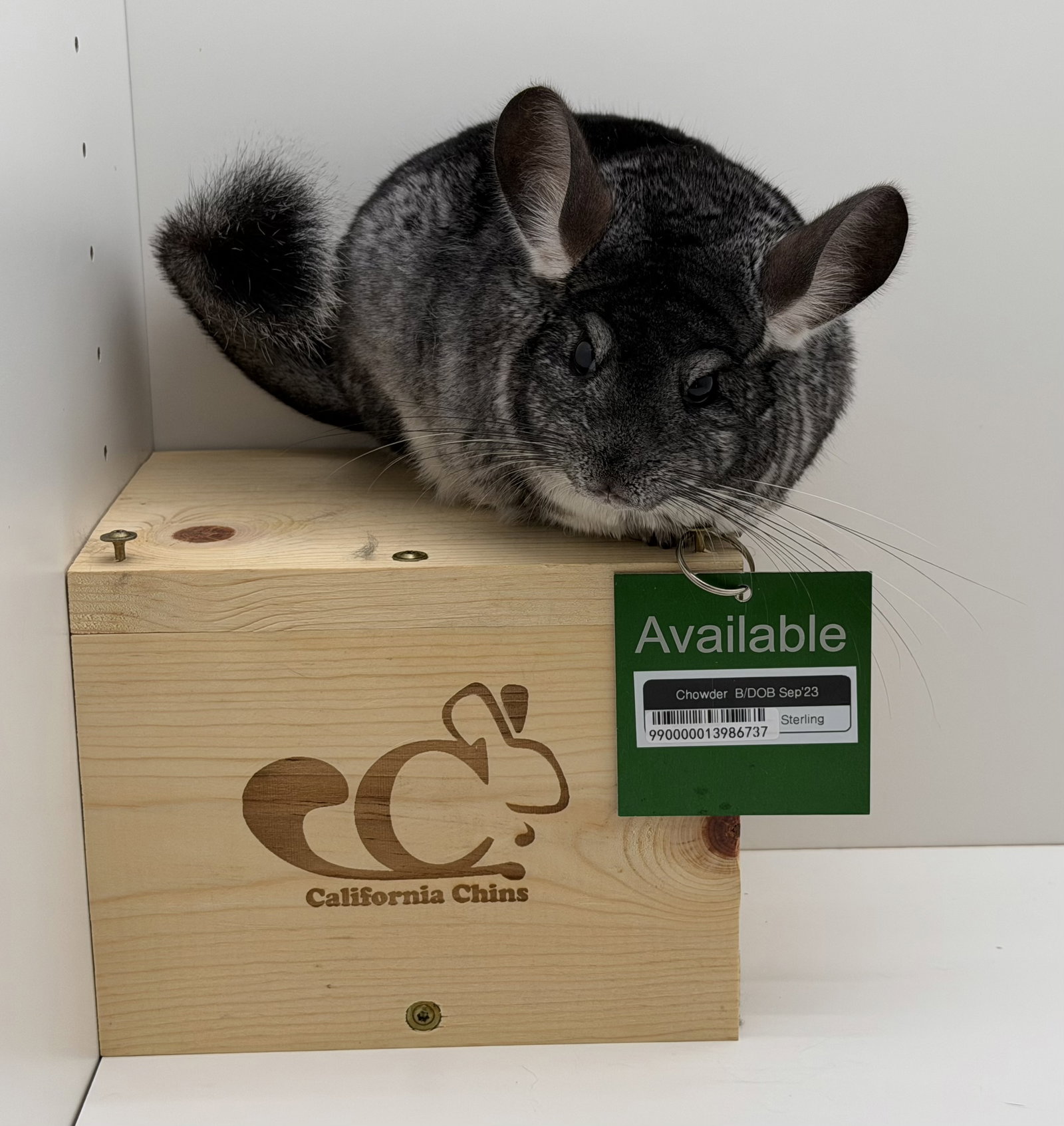
The most recommended method for purchasing a chinchilla is through dedicated breeders or specialized exotic pet shops that prioritize animal health and ethical practices. These sources are often more knowledgeable about chinchilla care and can provide valuable insights to prospective owners.

High-Quality Breeder Networks
In California, several breeders focus on chinchillas, often participating in exotic animal shows or maintaining online presences that detail their breeding programs. These breeders typically focus on genetic health, temperament, and proper socialization of their animals from a young age. When choosing a breeder, look for those who are transparent about their practices, offer health guarantees, and are willing to answer all your questions about the chinchilla’s lineage, diet, and any known health conditions. They should also be keen to ask you questions, ensuring you are prepared for chinchilla ownership.
- Health and Temperament: Responsible breeders will have a deep understanding of chinchilla genetics and will be able to inform you about any potential hereditary issues. They will also focus on breeding chinchillas with stable and friendly temperaments, making them more suitable as pets.
- Socialization: Chinchillas that are handled regularly from birth are generally more accustomed to human interaction, leading to a more enjoyable experience for both pet and owner.
- After-Sale Support: A good breeder will offer ongoing support and advice even after you’ve taken your chinchilla home, which can be invaluable for new owners.
Specialized Exotic Pet Stores
While less common than dog or cat specialty stores, California does have some exotic pet shops that carry chinchillas. It is crucial to vet these stores carefully. Look for establishments with clean enclosures, active and healthy-looking animals, and knowledgeable staff who can discuss chinchilla care in detail. Avoid stores where animals appear lethargic, have poor coat quality, or are housed in cramped or unsanitary conditions. These stores may not always have the same level of specialized knowledge as dedicated breeders, but they can be a convenient option if thoroughly researched.
- Observation is Key: Spend time observing the chinchillas available. Are they alert and active? Do they have clear eyes and a healthy sheen to their fur?
- Staff Knowledge: Engage with the staff. Can they answer questions about diet, cage requirements, and common chinchilla behaviors?
- Ethical Sourcing: Inquire about where they source their animals. Reputable stores often work with ethical breeders rather than large-scale commercial facilities.
Animal Rescues and Sanctuaries
Adopting a chinchilla from a rescue organization or sanctuary is a noble and rewarding alternative to purchasing from a breeder. These organizations often have chinchillas of various ages and backgrounds that are in need of loving forever homes. Adopting not only gives a deserving animal a second chance but also frees up space for other animals in need.
Chinchilla-Specific Rescues
California has a growing number of rescue groups dedicated to exotic pets, including chinchillas. These groups often work tirelessly to rehabilitate abandoned or surrendered chinchillas, providing them with proper veterinary care, a nutritious diet, and a safe environment.
- Adoption Process: Rescue organizations typically have a thorough adoption process designed to ensure that potential adopters are well-prepared for the responsibilities of owning a chinchilla. This may involve an application, an interview, and a home visit to ensure the environment is suitable.
- Animal Health and History: Rescues often provide detailed information about the chinchilla’s known history, temperament, and any medical needs. They can also offer advice on transitioning the new pet into your home.
- Variety of Animals: You might find young chinchillas, adult chinchillas, or even pairs that have bonded and are looking for a home together.
General Exotic Animal Shelters
Some general animal shelters or humane societies that cater to a broader range of animals may occasionally have chinchillas available for adoption. While their resources for specialized exotic care might be limited compared to dedicated rescues, they still provide a vital service for animals in need. It’s worth checking with local shelters, especially those in larger metropolitan areas like Los Angeles or San Francisco.
- Collaboration with Experts: Shelters may collaborate with veterinarians or experienced exotic pet keepers to assess and care for the chinchillas they receive.
- Lower Adoption Fees: Adoption fees from rescues and shelters are generally lower than the purchase price from breeders, with the funds typically going back into supporting their animal welfare efforts.
Considerations Before Purchasing or Adopting
Before embarking on the journey to buy or adopt a chinchilla, thorough preparation is essential. Understanding their specific needs ensures a happy and healthy life for your new pet and a rewarding experience for you.
Habitat and Cage Requirements
Chinchillas require a spacious, multi-level cage made of wire or metal. Plastic components should be avoided as chinchillas have a tendency to chew. The cage should be placed in a cool, dry, and quiet area of your home, away from direct sunlight and drafts.
- Size Matters: A minimum cage size of 24″ x 24″ x 36″ is recommended for one chinchilla, with larger being better. Multiple levels allow for climbing and exploration.
- Bedding: Use kiln-dried pine shavings, aspen shavings, or fleece liners. Avoid cedar shavings, as their oils can be harmful to a chinchilla’s respiratory system.
- Enrichment: Provide chew toys (untreated wood, pumice stones), ledges, and a dust bath house filled with chinchilla-specific dust.
- Temperature Control: Chinchillas are sensitive to heat and can suffer from heatstroke above 75°F (24°C). Ensure the room is kept cool, ideally between 60-70°F (15-21°C). Air conditioning is often necessary in California’s warmer months.
Diet and Nutrition
A chinchilla’s diet is critical to their digestive health. Their digestive system is delicate and requires a high-fiber, low-fat diet.
- Hay: Timothy hay should be available at all times. It is essential for digestion and helps wear down their continuously growing teeth.
- Pellets: High-quality, plain chinchilla pellets (not mixes with seeds or dried fruit) should be offered in moderation.
- Treats: Treats should be given sparingly. Small pieces of dried herbs, a single raisin (no more than once a week), or a small piece of apple can be acceptable. Avoid sugary or fatty treats.
- Water: Fresh, clean water should be available at all times, preferably from a sipper bottle to prevent contamination.

Socialization and Handling
While chinchillas can be independent, they also benefit from regular interaction and socialization with their owners.
- Gentle Approach: Approach them calmly and speak softly. Allow them to come to you.
- Proper Handling: When picking up a chinchilla, support their body fully. Never grab them by the tail or fur, as this can cause fur slip or injury.
- Playtime: Supervised playtime outside the cage in a chinchilla-proofed room can be beneficial. Ensure the area is free of electrical cords, toxic plants, and small objects they could ingest.
By understanding these crucial aspects and seeking out ethical, knowledgeable sources, prospective chinchilla owners in California can ensure a responsible and fulfilling adoption or purchase, setting the stage for a long and happy companionship with their new furry friend.
LifeOutOfTheBox is a participant in the Amazon Services LLC Associates Program, an affiliate advertising program designed to provide a means for sites to earn advertising fees by advertising and linking to Amazon.com. Amazon, the Amazon logo, AmazonSupply, and the AmazonSupply logo are trademarks of Amazon.com, Inc. or its affiliates. As an Amazon Associate we earn affiliate commissions from qualifying purchases.