
The allure of gold has captivated humanity for millennia, but nowhere has its draw been more famously potent than in California. The echoes of the 1849 California Gold Rush still resonate throughout the state, transforming its landscape, demographics, and destiny. Today, while large-scale commercial mining operations are a thing of the past in most areas, the dream of finding a glimmering nugget or a handful of sparkling flakes continues to entice travelers. Prospecting for gold in California offers a unique blend of historical immersion, outdoor adventure, and the thrill of discovery, making it an exceptional travel experience for individuals and families alike. This guide delves into the prime locations, essential techniques, and broader appeal of this enduring quest, helping you plan your own golden expedition.
The Enduring Allure of the Golden State’s Riches
The story of California is inextricably linked to gold. The discovery at Sutter’s Mill near Coloma in January 1848 by James W. Marshall triggered one of the largest mass migrations in human history. Fortune-seekers, known as “forty-niners,” poured into the region, transforming sleepy settlements into bustling boomtowns and forever changing the fabric of the nascent state. While the initial frenzy subsided, the romantic notion of striking it rich never truly faded.
Today, recreational gold prospecting is a vibrant activity, offering a tangible connection to this pivotal period of American history. It’s an escape from the modern world, a chance to spend time outdoors in some of California’s most scenic areas, and a meditative pursuit that hones patience and observation skills. For many, the true treasure isn’t necessarily the monetary value of the gold found, but the experience itself – the quiet solitude of a riverside, the satisfaction of a well-executed pan, and the joy of unearthing a piece of history. As a travel experience, it transcends a simple tourist attraction, offering an interactive journey into the past that combines education with exhilarating outdoor activity.
Navigating California’s Gold-Bearing Regions
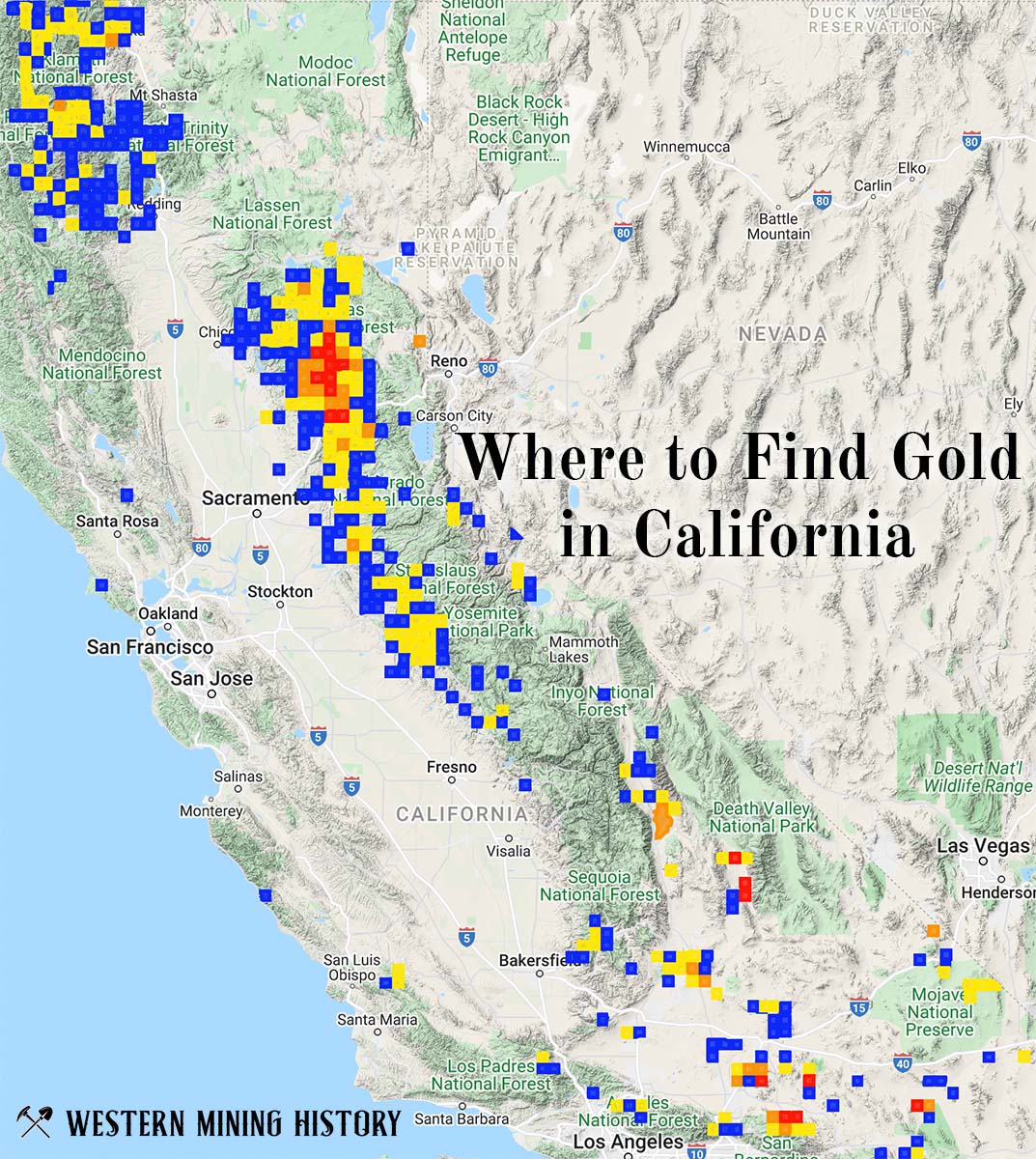
The vast majority of California’s accessible gold deposits are found within the historic Mother Lode region, which stretches for over 120 miles along the western foothills of the Sierra Nevada mountains. This geological formation is renowned for its rich placer deposits, where gold eroded from ancient veins has accumulated in riverbeds and stream gravels.
The Mother Lode Belt
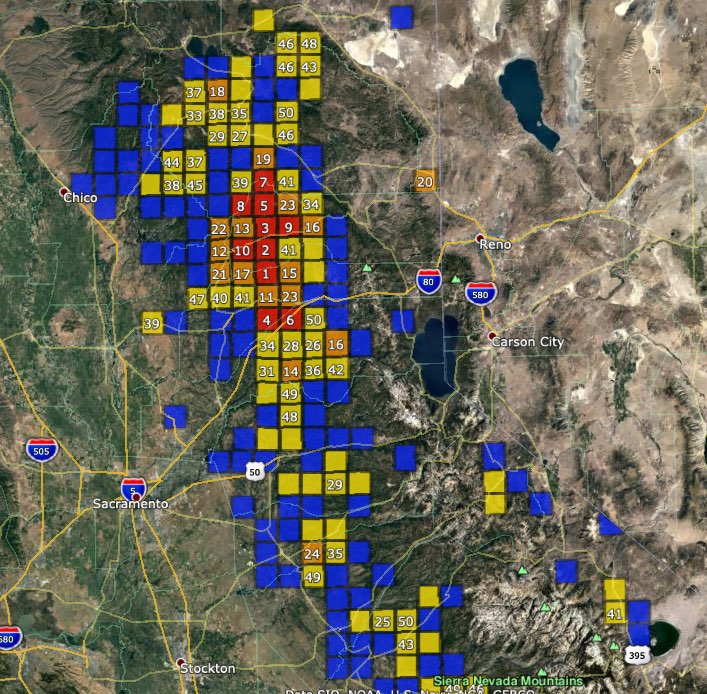
The heart of California’s gold country, the Mother Lode offers numerous opportunities for recreational prospectors. Rivers and their tributaries that flow from the Sierra Nevada are prime targets.
- American River: Particularly the South Fork of the American River, where Marshall made his famous discovery, remains a popular spot. Areas around Coloma and Placerville offer public access points and even guided experiences at places like Marshall Gold Discovery State Historic Park.
- Yuba River: Both the South Yuba and Middle Yuba Rivers are well-known for yielding gold. Nevada City and Grass Valley are excellent bases for exploring this region.
- Feather River: Upstream sections of the Feather River and its forks, particularly near Quincy and Oroville, have historically been productive.
- Cosumnes River and Mokelumne River: These lesser-known rivers, south of the American River, also hold potential and tend to be less crowded.
Beyond the Sierra Nevada Foothills
While the Mother Lode is paramount, other regions also offer gold prospecting opportunities.
- Trinity River: Located in northern California, this river system was a significant gold producer during the initial rush and continues to be explored by prospectors.
- Klamath River: Further north, the Klamath River and its tributaries in Siskiyou County are known for fine gold.
Public Access and Regulations
Crucially, prospective gold seekers must understand land ownership and regulations. Much of California’s gold-bearing land is either privately owned or designated as parks where prospecting is restricted. However, there are significant areas open to the public:
- Bureau of Land Management (BLM) Lands: These federal lands often allow recreational gold panning and sluicing without a permit, though larger equipment may require one. Always check the specific district office for current rules.
- National Forests: Certain national forests, such as the Eldorado National Forest, Tahoe National Forest, and Plumas National Forest, permit recreational gold panning. Check with the individual forest service for specific regulations, as rules can vary by district and season.
- Designated Recreational Panning Areas: Some state parks or privately owned properties offer controlled environments for gold panning, often for a fee, providing a safer and regulated experience. Examples include the aforementioned Marshall Gold Discovery State Historic Park.
Always verify regulations before you go. Respect private property, practice “leave no trace” ethics, and be mindful of environmental impacts.
Essential Tools and Techniques for the Modern Prospector
Embarking on a gold prospecting adventure requires minimal investment in equipment, making it an accessible experience for many travelers. The primary tool is the gold pan, an iconic symbol of the Gold Rush.
Basic Gold Panning Kit
- Gold Pan: Available in various sizes, typically 10 to 14 inches in diameter. Plastic pans are popular due to their light weight and ribbed traps that help catch gold.
- Shovel or Hand Trowel: For digging gravel and dirt from riverbanks or stream beds.
- Snuffer Bottle (Gold Snifter): A small plastic bottle with a suction tip, essential for picking up tiny gold flakes from the pan.
- Vial or Small Container: To store your hard-won gold.
- Geological Pick or Rock Hammer: Useful for breaking apart compacted gravel or examining bedrock.
- Sturdy Boots and Waders: Essential for working in cold water and navigating uneven terrain.
The Art of Panning
Gold panning is a skill that improves with practice, but the basic technique is straightforward:
- Scoop Material: Dig gravel and sediment from a promising spot in the river, preferably near bedrock, behind large boulders, or on the inside bends where heavier gold tends to settle.
- Submerge and Swirl: Submerge the pan in water and break up any clumps of dirt. Gently shake and swirl the pan, allowing lighter materials to wash over the rim.
- Stratify: Continue the process, tilting the pan slightly and allowing water to wash away lighter sands and gravels. The heavier gold, if present, will settle to the bottom.
- Final Concentrate: As the amount of material in the pan diminishes, you’ll be left with a small amount of heavy black sand. Carefully swirl this remaining material with a small amount of water to reveal any gold flakes or nuggets.
- Snuff It Up: Use your snuffer bottle to carefully suck up any visible gold and transfer it to your storage vial.
Remember, patience is paramount. You might process many pans before finding your first fleck of gold, but that first glimmer makes every effort worthwhile.
Gold Panning as a Unique California Travel Experience
Incorporating gold prospecting into your California itinerary elevates a typical trip into an unforgettable adventure. It’s an opportunity to step off the beaten path and engage with the state’s rich heritage in a hands-on way.
Combining History with Adventure
Travelers can pair a day of panning with visits to historic gold rush towns like Columbia State Historic Park, where you can experience a living history museum complete with stagecoach rides and costumed interpreters. Or explore Nevada City and Grass Valley, known for their Victorian architecture and rich mining past. These towns offer a glimpse into the lives of those who flocked to California with dreams of striking it rich.
Outdoor Exploration and Family Fun
Gold panning encourages exploration of California’s stunning natural landscapes. Many prime prospecting spots are nestled within national forests or alongside scenic rivers, providing opportunities for hiking, camping, and wildlife viewing. It’s a fantastic family activity, teaching children about geology, history, and the satisfaction of earning something through effort. The thrill of finding even a tiny piece of gold can ignite a lifelong passion for discovery.

Guided Tours and Educational Opportunities
For those new to prospecting or seeking a deeper dive, several outfitters and guides offer tours and lessons in gold country. These guided experiences provide equipment, instruction, and local knowledge of promising areas, significantly increasing your chances of finding gold and ensuring a safe, informative outing. Museums and interpretive centers, such as those at Marshall Gold Discovery State Historic Park, offer exhibits that detail the history, geology, and techniques of gold mining, complementing your hands-on experience.
Whether you return with a significant haul or just a few specks of gold dust, the journey of searching for gold in California is an enriching travel experience that connects you directly to one of the most transformative eras in American history. It’s a reminder that sometimes, the greatest treasures are found not in their monetary value, but in the adventure of the quest itself.
LifeOutOfTheBox is a participant in the Amazon Services LLC Associates Program, an affiliate advertising program designed to provide a means for sites to earn advertising fees by advertising and linking to Amazon.com. Amazon, the Amazon logo, AmazonSupply, and the AmazonSupply logo are trademarks of Amazon.com, Inc. or its affiliates. As an Amazon Associate we earn affiliate commissions from qualifying purchases.