
Navigating the concrete jungle of New York City can be an exhilarating experience, filled with iconic landmarks, vibrant local culture, and endless opportunities for adventure. Whether you’re a first-time visitor eager to explore Manhattan‘s bustling avenues or a seasoned traveler seeking hidden gems in the outer boroughs, the allure of the Big Apple is undeniable. However, for those arriving by car, the question of “Where To Park In New York” can quickly transform excitement into a daunting challenge. This guide aims to demystify the parking landscape of New York City, ensuring your journey is as smooth and stress-free as possible, allowing you to fully immerse yourself in the city’s unique lifestyle and tourism offerings.
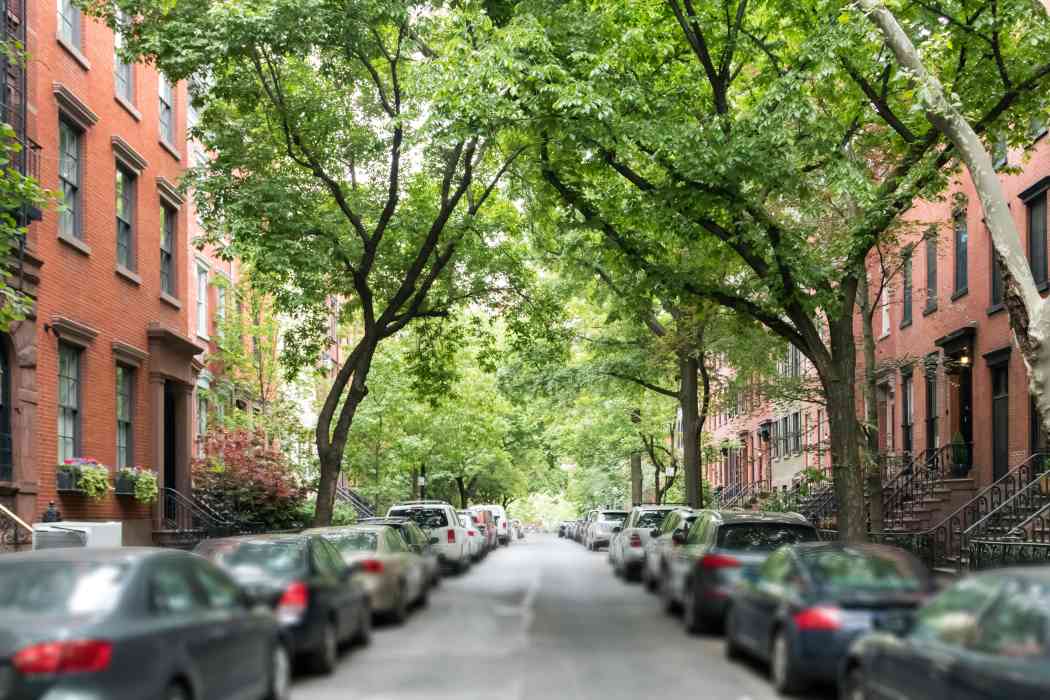
The sheer volume of vehicles, coupled with strict regulations and variable pricing, can make finding parking in New York feel like a quest. From the urgency of finding a spot near a famous attraction like Times Square to the convenience of securing a long-term parking solution near your chosen accommodation, understanding your options is paramount. This article will delve into the various parking strategies available, considering different needs, budgets, and neighborhoods, so you can spend less time circling the block and more time enjoying the wonders that New York has to offer.
Understanding Your New York Parking Options
When planning your trip to New York City, particularly if you intend to drive, familiarizing yourself with the diverse parking landscape is crucial. The city offers a range of solutions, from the ubiquitous on-street parking with its own set of rules, to privately operated garages and lots, and even specialized services designed to cater to various traveler needs. Your choice will likely depend on factors such as your destination, the duration of your stay, your budget, and your tolerance for walking.
On-Street Parking: The Ultimate Test of Patience and Perseverance
On-street parking in New York is often perceived as the most affordable option, and in some areas, it can be. However, it is also the most challenging to secure and navigate. The city’s streets are highly regulated, with a complex system of parking signs that dictate when, where, and for how long you can park. Misunderstanding these signs can lead to hefty fines or even your vehicle being towed, adding significant stress and expense to your trip.
Alternate Side Parking (ASP) is a prime example of this complexity. Designed to facilitate street cleaning, ASP rules require drivers to move their vehicles on specific days and times. These schedules are often posted on small signs at either end of a block and can vary significantly from one street to another. Failure to comply can result in a ticket. It’s essential to meticulously read and understand all parking signs before leaving your car unattended. Look for signs indicating “No Standing,” “No Parking,” “Street Cleaning” restrictions, and the all-important alternate side parking schedules.
Metered parking is another common form of on-street parking. These meters, often pay-and-display or pay-by-plate, allow you to park for a set period after paying a fee. The rates for metered parking vary by zone and time of day. While these meters offer a more predictable timeframe than ASP, they still have time limits, which can be inconvenient if you plan to spend an extended period at a particular attraction or restaurant. Many meters in New York are now digital, allowing payment via mobile apps, which can sometimes offer extended parking or notification services.
For those staying in residential neighborhoods or visiting friends and family, residential parking permits might be an option, though these are typically for residents only and not readily available to visitors. It’s always best to check local regulations for specific areas. Given the intensity of competition for on-street spots, especially in popular areas like Midtown Manhattan or Greenwich Village, arriving early in the morning or late at night might increase your chances of finding a space.
Parking Garages and Lots: Convenience with a Price Tag
For travelers prioritizing convenience and security, New York City offers a vast network of indoor parking garages and outdoor lots. These facilities are generally more expensive than on-street parking but provide a much more predictable and often safer parking experience. They are particularly valuable in high-traffic areas where on-street parking is scarce or impossible to find.
These facilities can be operated by major parking companies or by individual property owners. The Parking Club, Icon Parking, and Impark are some of the larger operators with numerous locations throughout the city, particularly in areas like Times Square, SoHo, and the Financial District. Many hotels also offer on-site parking for their guests, though this is often at a premium rate. If you’re considering a hotel stay, inquire about their parking facilities and associated costs beforehand, as this can be a significant factor in your overall accommodation expenses, especially if you’re looking at luxury travel options.
When choosing a garage or lot, several factors should be considered:
- Location: Proximity to your destination is key. A garage just a few blocks from your attraction or hotel can save you valuable time and walking.
- Price: Rates can vary significantly based on the location, time of day, and duration of parking. Many garages offer hourly rates, daily maximums, and even monthly rates for longer stays. It’s advisable to compare prices online or use parking apps before committing.
- Hours of Operation: Some garages have limited hours, while others are open 24/7. Ensure the garage will be accessible when you need to retrieve your car.
- Security: While most garages are well-lit and monitored, it’s wise to check for security features if that is a concern for you.
- Height Restrictions: If you are driving a larger vehicle, such as an SUV or a van, always check the height restrictions of the garage.
Many online platforms and mobile apps specialize in helping you find and book parking in New York. These services often provide real-time availability, pricing comparisons, and even the ability to pre-book your spot, which can be a lifesaver during peak tourist seasons or major events in New York. Services like SpotHero and ParkWhiz are invaluable tools for navigating the city’s parking options.
Specialized Parking Solutions for Different Needs
Beyond the standard on-street and garage options, New York also offers specialized parking solutions catering to specific needs, whether you are a frequent visitor or have unique requirements.
For those embarking on a longer stay, perhaps for a business trip or an extended exploration of the city’s landmarks and experiences, monthly parking options can provide significant cost savings compared to daily rates. Many parking garages offer discounted monthly passes, particularly in areas further from the immediate city center or in commercial districts. This is a viable option if you plan to use your car regularly for day trips or to explore beyond the confines of Manhattan, perhaps venturing to Brooklyn or Queens.
Valet parking, often associated with hotels and upscale restaurants, offers the ultimate in convenience. You simply hand over your keys, and a valet attendant will park your car. While this is typically the most expensive parking option, it can be worth the splurge for special occasions or when time is of the essence.
For visitors staying in apartments or vacation rentals, inquire about parking arrangements with your host or rental agency. Some properties may offer dedicated parking spaces or have arrangements with nearby garages. This is particularly relevant for family trips or if you’re considering a long-term stay where having a designated parking spot can significantly enhance your experience and reduce daily stress.
Finally, for those arriving at airports like JFK or LaGuardia, airport parking facilities range from short-term drop-off zones to long-term parking lots, often with shuttle services to the terminals. If you are picking up or dropping off passengers, understanding the airport’s specific parking regulations and fees is crucial to avoid penalties.
Navigating Specific Neighborhoods and Their Parking Quirks
New York City is not a monolith when it comes to parking. Each borough, and indeed each neighborhood within a borough, presents its own unique parking challenges and solutions. Understanding these local nuances can save you time, money, and frustration, allowing you to focus on enjoying your chosen destination.
Manhattan: The Epicenter of Parking Challenges
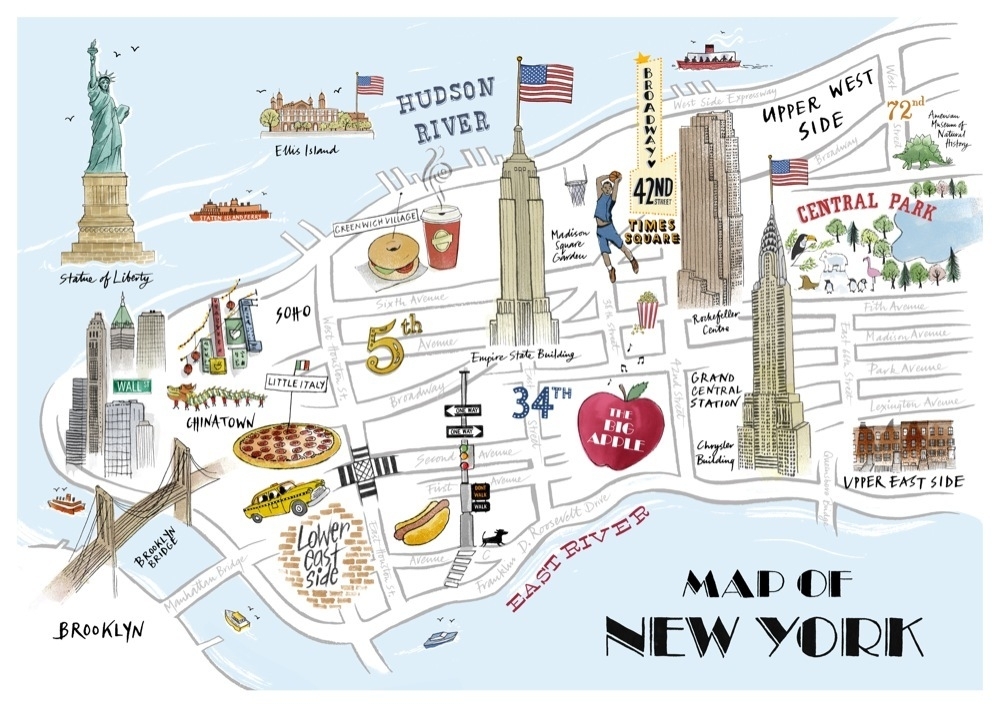
Manhattan, as the most densely populated and visited borough, presents the most significant parking hurdles. The island is a hub for world-renowned attractions, including the Empire State Building, Central Park, Rockefeller Center, and The Metropolitan Museum of Art. Consequently, parking is highly competitive and generally expensive.
- Midtown Manhattan: This area, home to many iconic landmarks and theaters, is notoriously difficult for parking. On-street parking is extremely limited and heavily regulated by meters and ASP rules. Your best bet here is a parking garage, and pre-booking through a parking app is highly recommended, especially for evenings and weekends. Prices can easily exceed $50-70 for a full day.
- Downtown Manhattan (Financial District, SoHo, Tribeca): Similar to Midtown, these areas are packed with businesses, shops, and attractions. Parking garages are plentiful but costly. Street parking is often reserved for commercial vehicles or has strict time limits. If you’re visiting Wall Street or exploring the boutiques of SoHo, factor in significant parking expenses.
- Upper East Side and Upper West Side: These residential areas offer more on-street parking opportunities than their downtown counterparts, but it can still be challenging to find a spot, particularly during evenings and weekends. ASP rules are in full effect here, so always pay close attention to signs. Garages are available but can be expensive. If you are staying in a hotel in these neighborhoods, check for parking packages.
- Harlem: While generally less congested than downtown Manhattan, parking in Harlem can still be tricky, especially on busy streets. On-street parking is often available, but meters and ASP rules apply. Garages are less common here, making on-street options more attractive if you can find them.
When parking in Manhattan, always assume the strictest interpretation of parking signs. It is better to be cautious and safe than to risk a ticket or towing. Consider utilizing New York‘s excellent public transportation system – the subway and bus network – if your primary destinations are within Manhattan. This can often be a more efficient and cost-effective way to get around than driving and parking.
Beyond Manhattan: Brooklyn, Queens, The Bronx, and Staten Island
While Manhattan often steals the spotlight, the other boroughs offer their own unique charms and, importantly, often more accessible parking.
- Brooklyn: As New York‘s most populous borough, Brooklyn has diverse parking situations. Neighborhoods like Williamsburg and Dumbo can be busy and have limited on-street parking, especially during events or weekends. However, areas like Park Slope or Bay Ridge tend to offer more on-street parking. Many parking garages are available, particularly in commercial centers and near popular attractions like the Brooklyn Bridge Park. If you’re looking for a more local tourism experience, exploring Brooklyn can offer a welcome reprieve from Manhattan‘s parking woes.
- Queens: Queens is the largest borough by land area and home to JFK and LaGuardia airports, as well as the U.S. Open Tennis Championships at the USTA Billie Jean King National Tennis Center. Parking near airports is well-signed but expensive for long-term stays. Neighborhoods offer a mix of on-street parking and smaller, independent garages. If you’re attending an event at Flushing Meadows-Corona Park or exploring the diverse culinary scene in areas like Flushing, research specific parking options beforehand.
- The Bronx: The Bronx offers generally more relaxed parking compared to Manhattan. On-street parking is more readily available, though still subject to posted regulations. Garages are less common but exist in commercial areas. If you plan to visit Yankee Stadium or explore Van Cortlandt Park, you’ll likely find parking easier than in many parts of Manhattan.
- Staten Island: Staten Island is the most suburban of the five boroughs and typically has the easiest parking. Ample on-street parking is available in most residential and commercial areas. Garages are fewer and primarily found in the St. George area, near the Staten Island Ferry terminal. If you’re arriving from New Jersey via the Goethals Bridge or Outerbridge Crossing, parking on Staten Island itself is generally not a major concern.
Regardless of the borough you are visiting, the best advice is to plan ahead. Utilize parking apps, check local street signs diligently, and be prepared for the possibility of paying for parking. If you are arriving for business stays or a budget travel experience, consider where you are staying and how you will get around to minimize parking costs and stress.
Tips for a Smooth Parking Experience in New York
Successfully navigating parking in New York City requires a combination of preparation, awareness, and a touch of flexibility. By adopting a proactive approach and understanding the key elements of urban parking, you can transform a potentially stressful aspect of your trip into a seamless experience. Whether you’re seeking the best hotels with convenient parking or trying to find a spot near a beloved landmark, these tips will enhance your journey.
Pre-Trip Planning is Your Best Ally
The most effective strategy for parking in New York is to do your homework before you even leave home.
- Research Your Destination: Before arriving, identify the specific address or area you plan to visit. Use online mapping tools and parking apps to scout for nearby garages, their rates, and operating hours. Many apps allow you to filter by price, distance, and even user reviews.
- Book in Advance When Possible: For popular areas or during peak tourist seasons, booking your parking spot in a garage online in advance can often secure you a better rate and guarantee a space. This is especially true for airport parking or for attractions like Madison Square Garden.
- Consider Alternative Transportation: If your itinerary primarily involves destinations within a single neighborhood or easily accessible by public transit, reconsider driving. New York‘s subway system is extensive and efficient, and often a more cost-effective and time-saving alternative to dealing with parking. Consider parking your car at your hotel or a garage and then using public transit for your daily explorations.
- Factor Parking Costs into Your Budget: Parking in New York is not cheap. For garages, expect to pay anywhere from $30-70+ per day, depending on the location and duration. On-street metered parking varies, but can also add up. Be realistic about these expenses when planning your budget travel or luxury travel arrangements.
On the Ground: Smart Parking Practices
Once you’re in the city, these practices will help you secure and maintain your parking spot.
- Read All Signs Carefully and Repeatedly: This cannot be stressed enough. New York parking signs are notoriously complex. Look for signs indicating alternate side parking, street cleaning, no standing, no parking, tow-away zones, and time limits. If you are unsure, err on the side of caution and find a different spot or a garage. It’s worth walking a block or two to find clear parking than to risk a ticket that could cost upwards of $100.
- Utilize Parking Apps: Apps like SpotHero, ParkWhiz, and Icon Parking offer real-time availability, pricing, and the ability to book and pay for parking in garages. They can be a lifesaver when you’re in a hurry or unfamiliar with an area.
- Be Aware of Your Surroundings: Pay attention to where other cars are parked. Are they within painted lines? Are there any signs immediately adjacent to where you are considering parking? Sometimes, a subtle sign or a poorly marked restriction can catch drivers off guard.
- Consider “Parking for Locals”: If you’re visiting a neighborhood with more residential on-street parking, try to observe where locals typically park. However, always prioritize official signage over informal observations.
- Don’t Leave Valuables in Your Car: As with any major city, it’s wise practice to remove all valuables from your vehicle, even if you are parked in a secure garage.
- Understand Event Parking: If you are attending a sporting event at Yankee Stadium or Citi Field, a concert at Barclays Center, or a show on Broadway, parking will be significantly more expensive and difficult. Plan for this by booking garages well in advance or by using public transportation.
By incorporating these strategies into your New York City visit, you can effectively manage the challenges of parking, allowing you to fully enjoy the unparalleled experiences, attractions, and lifestyle that this iconic city has to offer. Whether you’re exploring the historic landmarks, indulging in the vibrant food scene, or simply soaking in the unique local culture, a well-planned parking strategy ensures your adventure remains delightful from start to finish.
LifeOutOfTheBox is a participant in the Amazon Services LLC Associates Program, an affiliate advertising program designed to provide a means for sites to earn advertising fees by advertising and linking to Amazon.com. Amazon, the Amazon logo, AmazonSupply, and the AmazonSupply logo are trademarks of Amazon.com, Inc. or its affiliates. As an Amazon Associate we earn affiliate commissions from qualifying purchases.