
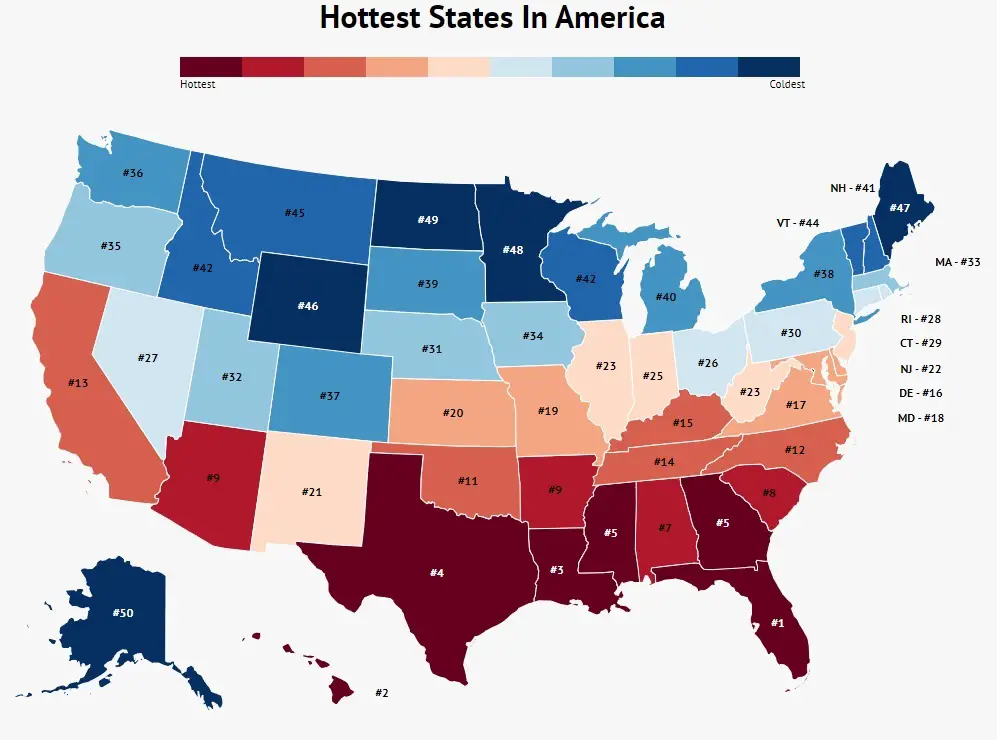
The mention of Arizona often conjures vivid images of scorching sun, vast deserts, and temperatures that push the mercury to its limits. This reputation prompts a fundamental question for any prospective traveler: “Is Arizona truly the hottest state?” While its notoriety for heat is well-deserved, the reality is far more nuanced, presenting a unique climate that shapes travel experiences in profound ways. For those planning an adventure to the Grand Canyon State, understanding its thermal character is not merely academic; it is essential for an enriching, comfortable, and safe journey. Delving into Arizona’s climate requires a look at its geographical peculiarities, its ranking against other famously warm states, and the practical implications for tourists seeking to explore its breathtaking landscapes and vibrant cities. Far from being a deterrent, Arizona’s heat, when understood and respected, becomes an integral part of its allure, offering distinct advantages for travelers who know how to navigate it.
Understanding Arizona’s Unique Climate for Travelers
Arizona’s distinctive climate is a primary driver of its “hottest state” reputation. However, this generalized label obscures a complex interplay of geography, elevation, and atmospheric conditions that create diverse microclimates across the state. For travelers, appreciating these nuances is key to planning the perfect trip, regardless of the season.
The Influence of the Sonoran Desert and Beyond
At the heart of Arizona’s heat is the expansive Sonoran Desert, covering much of the southern and western portions of the state. This is one of the hottest and largest deserts in North America, characterized by saguaro cacti and an ecosystem uniquely adapted to extreme temperatures. The low elevation of cities like Phoenix, Tucson, and Yuma within this desert basin contributes significantly to their high temperatures, especially during the summer months. Here, intense solar radiation combined with a lack of significant cloud cover and moisture absorption by the dry land leads to rapid heating.
However, Arizona is not monolithic in its topography. As one travels north, elevations increase dramatically. The Mogollon Rim slices across the state, giving way to pine forests and mountainous regions, including the San Francisco Peaks near Flagstaff, where ski resorts operate in winter. These higher elevations experience significantly cooler temperatures, often seeing four distinct seasons, including snowfall. For instance, while Phoenix might swelter in 110°F (43°C) heat, Flagstaff, just a few hours’ drive north, could be enjoying a pleasant 80°F (27°C) day. This dramatic variation means that “Arizona’s climate” is not a single entity but a spectrum of thermal experiences, offering diverse options for travelers.
Extreme Temperatures and Seasonal Variations
The extreme temperatures in Arizona are undeniable, particularly from June through September. Daytime highs in cities like Phoenix and Yuma frequently exceed 100°F (38°C), often climbing above 110°F (43°C), with record highs pushing towards 120°F (49°C). These intense summer days are a defining characteristic, shaping local life and tourist activities. However, it’s equally important for travelers to understand the significant diurnal temperature variation. Desert nights, even in summer, can offer a substantial reprieve, with temperatures dropping by 20-30 degrees Fahrenheit after sunset. This cooling effect makes evenings surprisingly pleasant, perfect for outdoor dining or stargazing.
Beyond summer, Arizona experiences distinct seasons. Fall brings comfortable temperatures, making it an ideal time for hiking and outdoor exploration. Winter is mild and sunny in the desert regions, often described as “perfect” by visitors escaping colder climates, with daytime highs typically in the 60s and 70s°F (15-25°C). Spring offers a brief, beautiful window of wildflower blooms and steadily rising temperatures before the summer heat descends. This seasonal variability is a crucial aspect for travelers to consider, as the “hottest state” label is most accurate for specific regions during a specific time of year.
The “Dry Heat” vs. Humidity: A Traveler’s Perception
One of the most common refrains heard about Arizona’s climate is the concept of “dry heat.” While this is often a local point of pride, it holds significant implications for visitor comfort. The arid nature of the desert means that even at extremely high temperatures, the relative humidity is typically very low, often below 10-20%. This low humidity allows the human body to cool more effectively through evaporation of sweat, making 105°F (41°C) in Phoenix feel less oppressive than, say, 90°F (32°C) in a humid climate like Florida or the Southeast United States.
For travelers, this means that while the heat is intense, it can be more manageable if proper hydration and sun protection are maintained. The sensation is often described as feeling hot but not “sticky” or suffocating. However, the dry heat also carries risks: dehydration can occur much faster, and the sun’s UV rays are incredibly potent. Understanding this distinction is vital for preparing for an Arizona trip, enabling visitors to embrace the heat rather than merely endure it.
Arizona’s Heat: A Comparative Look for Travelers
The claim of Arizona being the “hottest state” is a title often debated among meteorologists and travelers alike. While Arizona certainly holds a strong candidacy, especially for its sustained periods of extreme heat, a comparative look reveals that other states also experience formidable temperatures, albeit with different characteristics. Understanding these comparisons helps travelers put Arizona’s reputation into context and make informed decisions about their destinations.
Competing “Hot Spots” in the US
When discussing the hottest places in the United States, several states and regions often enter the conversation. California, particularly its desert regions like Death Valley (home to the highest recorded temperature on Earth), Nevada (especially Las Vegas and its surrounding deserts), and parts of Texas and Florida, all experience intense heat.
- California: While Death Valley holds records for extreme heat, it is a specific, sparsely populated region. California’s overall climate is diverse, with coastal areas remaining cool.
- Nevada: Similar to Arizona, Nevada is largely desert and experiences intense dry heat, especially around Las Vegas and the Mojave Desert.
- Texas: Southern and western Texas can reach very high temperatures, often coupled with significant humidity, which can make the heat feel even more oppressive.
- Florida: While temperatures might not reach Arizona’s absolute highs, Florida’s combination of heat and very high humidity creates an often more uncomfortable heat index for sustained periods throughout the summer.
What often distinguishes Arizona is the breadth and duration of its extreme heat across populated areas, particularly in its largest metropolitan centers, for months on end.
Metrics for “Hottest”: Average Temperatures, Record Highs, and Duration
Defining “hottest” is not straightforward. Different metrics can lead to different conclusions:
- Record High Temperatures: While Arizona cities frequently hit 115°F (46°C) or higher, the absolute highest recorded temperature in the US belongs to Death Valley, California.
- Average Annual Temperature: States like Florida and Hawaii often vie for the highest average annual temperature due to their consistent warmth year-round, lacking the cold winters seen in Arizona’s higher elevations.
- Average Summer Temperature: This is where Arizona truly shines. Cities like Phoenix, Yuma, and Lake Havasu City consistently report the highest average summer temperatures in the United States, often seeing daily highs exceed 100°F (38°C) for over 100 days a year. Yuma, for example, is often cited as the sunniest and driest city in the US, with average daily maximums in July consistently over 105°F (41°C).
- Duration of Heat: The prolonged period of extreme heat in Arizona’s desert regions, stretching from late May to early October, is a significant factor. This sustained intensity is a major characteristic that solidifies Arizona’s reputation.
Considering these metrics, while other states might have peak scorching days or higher year-round averages, Arizona’s consistent, widespread, and extreme summer heat across its major population centers arguably makes it the state with the most pronounced “hot” climate for a significant portion of the year.
What Travelers Need to Know About the “Hottest” Claim
For travelers, the “hottest state” moniker translates into practical considerations rather than just bragging rights. It means:
- Expectations: Prepare for significant heat if visiting between late spring and early fall, especially in lower elevations.
- Planning: This necessitates careful itinerary planning, focusing on indoor activities during peak daytime hours or exploring higher-elevation areas.
- Health and Safety: The heat demands proactive hydration, sun protection, and awareness of heat-related illnesses.
- Unique Experiences: The heat also shapes unique travel experiences, from monsoon storms to vibrant desert sunsets and the opportunity to appreciate air-conditioned comfort after outdoor adventures.
Ultimately, Arizona’s claim to being the “hottest state” is not just a meteorological fact but a fundamental aspect of its identity, deeply influencing the travel experience it offers.
Navigating the Heat: Travel Planning and Experiences
For many, the idea of visiting a “hot state” like Arizona might evoke images of relentless, uncomfortable conditions. However, with thoughtful planning, Arizona’s heat transforms from a potential obstacle into a defining characteristic that shapes unique and memorable travel experiences. Embracing the climate rather than battling it is key to unlocking the state’s full potential, especially for those venturing into its desert heartland.

Best Times to Visit Arizona
The most comfortable times to visit Arizona, particularly its low-desert regions (like Phoenix, Tucson, and Scottsdale), are during the cooler months.
- Fall (October – November): This is arguably the sweet spot, with temperatures cooling significantly, ideal for outdoor activities without the intense summer heat or the occasional chill of winter mornings. The desert air is crisp, and skies are typically clear.
- Winter (December – February): Mild, sunny days make Arizona a popular escape from colder climates. Daytime temperatures are pleasant for hiking, golfing, and exploring, while evenings are cool. This is peak tourist season, so expect higher prices and larger crowds.
- Spring (March – May): A beautiful time, especially for witnessing the desert bloom (typically in March or April, depending on rainfall). Temperatures are warm and inviting, though they steadily climb as summer approaches. Early spring is excellent for outdoor pursuits.
- Summer (June – September): While hot, summer offers unique advantages for the savvy traveler. Hotel rates are significantly lower, and attractions are less crowded. This is the time to embrace early morning activities, enjoy resort pools, and explore indoor attractions during the hottest parts of the day. The dramatic monsoon season, typically July and August, brings spectacular afternoon thunderstorms that clear the air and offer stunning photographic opportunities.
For destinations at higher elevations, such as Sedona, Flagstaff, or the Grand Canyon, summer is generally delightful, with pleasant daytime temperatures perfect for hiking and exploring. These areas offer a fantastic escape from the desert heat.
Outdoor Activities and Attractions: Adapting to the Climate
Arizona boasts an incredible array of outdoor attractions, from iconic natural wonders to vast wilderness areas. The key to enjoying them in the heat is adaptation.
- The Grand Canyon: The most famous attraction, the Grand Canyon National Park, sits at a higher elevation (around 7,000 feet at the South Rim), meaning its summer temperatures are considerably cooler than the desert floor. However, inner canyon hikes are extremely strenuous and hot, demanding early starts and ample water, even in cooler months.
- Desert Hiking: In areas like Saguaro National Park near Tucson or the many trails around Phoenix and Sedona, summer hikes should be planned for sunrise, concluding before 9 or 10 AM. During cooler seasons, these trails offer unparalleled beauty and challenge.
- Water Activities: The heat makes Arizona’s lakes and rivers incredibly appealing. Lake Havasu City, with its famous London Bridge, is a hub for boating and water sports. The Colorado River provides opportunities for rafting and kayaking, offering a refreshing escape from the sun.
- Golfing: Arizona is a world-renowned golf destination. In summer, many courses offer “twilight” rates starting late in the afternoon, allowing golfers to enjoy a round as temperatures drop and the desert skies turn vibrant.
- Stargazing: Away from city lights, Arizona’s clear, dry air offers some of the best stargazing opportunities in the United States, particularly enjoyable after the daytime heat has dissipated. Spots like Kitt Peak National Observatory are major attractions.
Urban Exploration and Indoor Diversions
Arizona’s vibrant cities offer a wealth of experiences that are perfect for escaping the midday sun or simply enjoying a different side of the state.
- Museums and Galleries: Phoenix boasts the Musical Instrument Museum and the Heard Museum, while Tucson offers the Arizona-Sonora Desert Museum (partially outdoors but excellent in cooler months or early mornings). Scottsdale is known for its art galleries and vibrant Old Town.
- Resorts and Spas: Arizona is famous for its luxurious resorts, many of which feature stunning pools, lazy rivers, and world-class spa facilities. Spending a leisurely afternoon by the pool with a refreshing drink is a classic Arizona summer experience.
- Shopping and Dining: Air-conditioned malls, boutiques, and diverse culinary scenes in cities like Phoenix, Scottsdale, and Tucson provide ample opportunities for comfortable exploration and indulgence. From upscale dining to authentic Southwestern cuisine, the gastronomic scene thrives.
- Unique Indoor Attractions: The Biosphere 2 near Tucson offers an intriguing look into ecological science, while the OdySea Aquarium in Scottsdale provides a refreshing aquatic escape. The Meteor Crater Visitor Center also provides an air-conditioned learning experience before viewing the impressive natural landmark.
By strategically planning based on the season and time of day, travelers can fully immerse themselves in Arizona’s rich culture, stunning natural beauty, and exciting activities, making the state’s signature heat an interesting backdrop rather than a barrier.
Essential Travel Tips for Arizona’s Warm Climate
Embarking on a journey to a state renowned for its heat, such as Arizona, requires more than just booking flights and accommodation. It demands a proactive approach to personal well-being and itinerary planning. Adhering to essential travel tips is not merely about comfort; it’s about ensuring a safe, enjoyable, and memorable experience amidst the state’s glorious, yet often intense, sunshine. These guidelines are particularly crucial for first-time visitors or those unaccustomed to arid, high-temperature environments.
Hydration and Sun Protection: Your Desert Survival Kit
These two elements are paramount for anyone traveling to Arizona, especially in the hotter months or when engaging in outdoor activities. The dry heat, while often perceived as more bearable than humid heat, accelerates dehydration significantly, and the intense sun poses a serious risk of sunburn and heatstroke.
- Hydration is Non-Negotiable: Always carry more water than you think you’ll need. Electrolyte-rich drinks can also be beneficial, particularly during strenuous activities. Begin hydrating even before you leave your accommodation. If hiking, aim for at least a gallon of water per person for a moderate excursion. Avoid sugary drinks, excessive caffeine, and alcohol, as these can contribute to dehydration. Listen to your body – thirst is already a sign of dehydration.
- Sun Protection from Head to Toe:
- Sunscreen: Apply broad-spectrum sunscreen with an SPF of 30 or higher generously and reapply every two hours, or more frequently if sweating or swimming. Don’t forget often-missed spots like ears, neck, and the tops of your feet.
- Hats: A wide-brimmed hat is essential for protecting your face, neck, and ears from direct sun exposure.
- Sunglasses: High-quality sunglasses with UV protection are crucial to protect your eyes from the intense glare.
- Lip Balm: A lip balm with SPF will prevent chapped and sunburnt lips.
Appropriate Clothing and Gear: Dressing for Success in the Desert
What you wear in Arizona can significantly impact your comfort and safety. Think layers, breathability, and protection.
- Lightweight, Loose-Fitting Clothing: Opt for light-colored fabrics that reflect sunlight. Cotton, linen, or moisture-wicking synthetic materials are ideal as they allow your skin to breathe and sweat to evaporate, aiding in natural cooling.
- Long Sleeves and Pants: While counterintuitive to some, wearing long sleeves and pants made of light, breathable fabric offers superior sun protection compared to exposing your skin. Many outdoor brands offer “sun shirts” designed for this purpose.
- Sturdy, Closed-Toe Shoes: Even in urban areas, sidewalks can become incredibly hot, and desert trails often feature sharp rocks, cacti, and uneven terrain. Comfortable, closed-toe walking shoes or hiking boots are a must. Avoid open-toed sandals for anything more than poolside lounging.
- Backpack: A small backpack to carry water, snacks, sunscreen, and extra layers (for cooler evenings or higher elevations) is highly recommended for day trips.
Planning Your Daily Itinerary: Mastering the Desert Rhythm
Adapting your daily schedule to the climate is a hallmark of smart Arizona travel, especially from late spring through early fall.
- Early Starts and Late Finishes: Plan outdoor activities like hiking, sightseeing, or golfing for the early morning hours (before 9 AM) or late afternoon/early evening (after 5 PM). This avoids the peak heat of midday.
- Midday Breaks and Indoor Activities: Reserve the hottest parts of the day for indoor attractions such as museums, galleries, air-conditioned shopping malls, or relaxing by the pool at your resort. Many restaurants are also ideal for a leisurely lunch break.
- Embrace the Evenings: Arizona sunsets are legendary, and evenings are often surprisingly cool and pleasant. This is the perfect time for outdoor dining, stargazing, or enjoying evening events and strolls.
- Check Forecasts Regularly: Weather conditions can change, particularly with the onset of the monsoon season. Stay informed about local temperatures, UV indices, and any extreme weather warnings.
Embracing the Desert Lifestyle: More Than Just Surviving the Heat
Beyond practical tips, truly enjoying Arizona means embracing its unique desert lifestyle.
- Appreciate the Monsoon Season: If visiting in July or August, be prepared for dramatic afternoon thunderstorms. These powerful, short-lived events bring a sense of renewal, clear the air, and create stunning visual spectacles. While they can cause flash flooding, they are an integral part of the desert experience.
- Respect Wildlife: Remember you are in a desert ecosystem. Be aware of local wildlife, including snakes, scorpions, and other creatures, especially on trails and at dawn/dusk.
- Slow Down and Enjoy: The heat sometimes dictates a slower pace of life. Don’t rush; take time to appreciate the unique beauty of the desert, from its resilient flora and fauna to its vibrant sunsets.
- Hydrate Often, Hydrate Smart: This bears repeating. The unique “dry heat” means you may not feel as sticky or sweaty, but your body is still losing fluids rapidly. Constant, conscious hydration is the single most important habit.
By integrating these essential travel tips into your planning and daily routine, you won’t just survive Arizona’s heat; you’ll thrive in it, transforming a potentially challenging climate into an unforgettable backdrop for exploration and discovery.

Conclusion
The question “Is Arizona The Hottest State?” is not merely a climatic query but a gateway to understanding the very essence of traveling through this captivating region. While the metrics indeed place Arizona’s lower desert regions among the hottest places in the United States for sustained periods, particularly during summer, the complete picture reveals a state of remarkable climatic diversity. From the scorching Sonoran Desert to the cool, pine-clad mountains, Arizona offers a spectrum of temperatures that dictate the rhythm of travel and leisure.
For the informed traveler, Arizona’s heat is not a deterrent but a defining characteristic that shapes unique experiences. It encourages early morning hikes among towering saguaros, leisurely afternoons by resort pools, and enchanting evenings under star-studded desert skies. It mandates preparation – a commitment to hydration, sun protection, and strategic itinerary planning – but in return, it offers unparalleled natural beauty, vibrant cultural explorations, and the distinct satisfaction of adapting to and embracing a powerful environment.
Ultimately, Arizona’s reputation for heat contributes to its allure, drawing those seeking sunshine and a dramatic landscape unlike any other. Whether you visit during the mild, bustling winters or embrace the intense, crowd-free summers, understanding its unique thermal character is the first step toward a profoundly rewarding Arizona adventure. The state isn’t just hot; it’s dynamically, beautifully, and memorably hot, inviting travelers to discover its warmth in every sense of the word.
LifeOutOfTheBox is a participant in the Amazon Services LLC Associates Program, an affiliate advertising program designed to provide a means for sites to earn advertising fees by advertising and linking to Amazon.com. Amazon, the Amazon logo, AmazonSupply, and the AmazonSupply logo are trademarks of Amazon.com, Inc. or its affiliates. As an Amazon Associate we earn affiliate commissions from qualifying purchases.