
When disaster strikes the sprawling urban landscape of Los Angeles, the immediate aftermath often reveals the resilient heart of its residents. Wildfires are an unfortunate reality of the California climate, frequently threatening the diverse ecosystems and residential enclaves that define the region. For those looking to assist during these crises, understanding how to contribute effectively is vital. Volunteering in the wake of a fire is not merely about showing up; it is about plugging into organized systems that ensure resources reach those who need them most without complicating the efforts of first responders.

Understanding the Logistics of Disaster Relief
The instinct to rush toward an active fire zone is a common human reaction, but it is often counterproductive. Emergency services, including the Los Angeles County Fire Department, operate under strict protocols to maintain the safety of both citizens and crew. Roads must remain clear for fire engines and evacuation vehicles, and restricted zones are established to prevent injury to civilians. Therefore, the most impactful volunteering begins with patience and coordination.
The Role of Official Channels
Before seeking a physical location to volunteer, check the official dashboards provided by Los Angeles County or the City of Los Angeles. These portals serve as the primary source of truth regarding evacuation centers, road closures, and specific volunteer needs. Organizations like the American Red Cross are almost always the first to set up shelters. When they issue a call for volunteers, it is because they have the infrastructure to train, manage, and deploy you safely.
Why Spontaneous Volunteering Can Hinder Operations
While the desire to help is noble, “spontaneous volunteers” can sometimes create bottlenecks. If you arrive at an evacuation center without prior coordination, staff members must divert time from caring for victims to process your arrival. To truly contribute, follow the guidelines established by established humanitarian agencies. Registering through a portal allows these groups to verify your credentials and assign you tasks that match your skills, whether that is administrative support, food distribution, or emotional support for those displaced from their homes near Malibu or the Santa Monica Mountains.
Where to Offer Support During Active Fires
Once you have identified the appropriate agency, you can look into specific sectors where volunteer help is prioritized. These sectors ensure that your energy is directed toward the most pressing needs on the ground.
Evacuation Centers and Shelters
When communities in areas like Topanga Canyon or the San Fernando Valley are evacuated, residents arrive at shelters with nothing more than the clothes on their backs. These centers act as temporary hubs for food, bedding, and medical triage. Volunteers are frequently needed to:
- Organize donations and inventory.
- Prepare and distribute meals.
- Provide logistical support for those navigating insurance or social services.
- Create comfort zones for families with pets or children.
Animal Rescue and Care
The unique geography of Southern California often involves significant equine and pet evacuations. Organizations such as Los Angeles Animal Services frequently look for volunteers with experience in handling animals. If you have the training to help transport livestock or assist in managing temporary animal shelters at the Los Angeles Equestrian Center, your services become an invaluable asset that relieves the burden on local authorities.
Disaster Cleanup and Long-Term Recovery
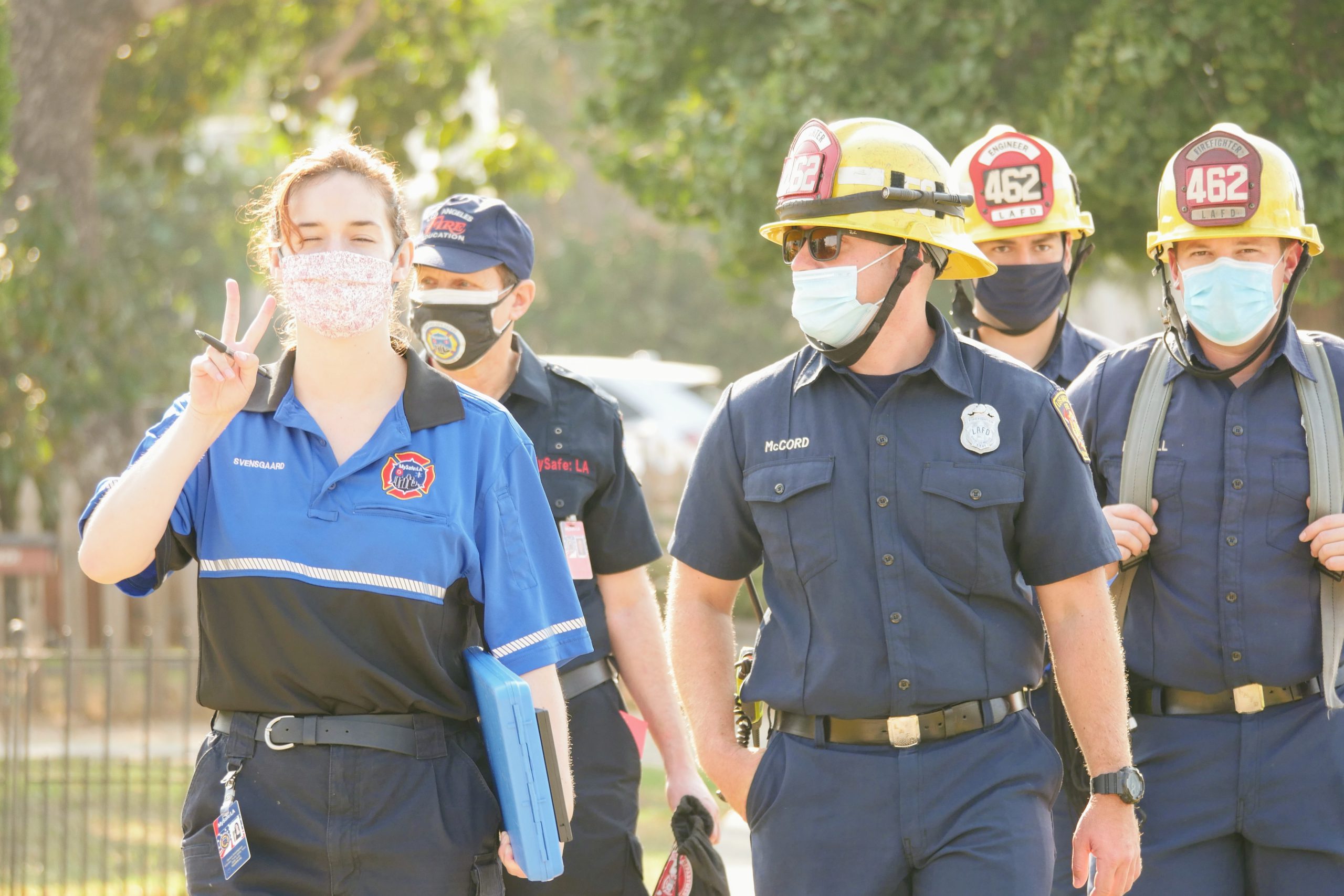
The work of volunteering does not end when the smoke clears. In the weeks and months following a fire, the recovery phase begins. This is when local non-profits and community-led groups take the lead. You can assist in clearing debris, planting native vegetation to prevent landslides—a common post-fire issue in the Hollywood Hills—or helping families sort through the wreckage of their homes. Engaging with local community organizations is often the best way to participate in these long-term efforts.
Preparing Yourself to Volunteer Safely
Volunteering during a fire disaster is physically and emotionally demanding. Before stepping into a volunteer role, you must ensure you are mentally prepared and properly equipped.
Essential Training and Documentation
Many organizations require a background check or a short orientation session before you can enter a disaster site. Agencies like the Community Emergency Response Team provide specialized training in disaster preparedness, light search and rescue, and disaster medical operations. By completing this training ahead of time, you transform from a well-meaning bystander into a trained emergency asset.
Maintaining Self-Sufficiency
Never rely on the disaster site for your own supplies. As a volunteer, you must be entirely self-sufficient. This includes bringing your own water, non-perishable food, appropriate protective clothing (such as N95 masks to deal with smoke particulates), and any medications you require. By being prepared, you ensure that you do not become another person requiring assistance from the limited resources of the relief site.
Emotional Resilience
The atmosphere in a fire-stricken community is one of trauma and uncertainty. Whether you are working near Griffith Park or a residential canyon neighborhood, you will encounter people who have lost everything. Maintain professional boundaries, practice active listening, and remember that your role is to provide service, not to absorb the trauma. If you feel overwhelmed, step away, take a break, and communicate your needs to the site supervisor.
Beyond the Immediate Crisis: Building Community Strength
The most effective way to help during a Los Angeles fire is to cultivate a culture of preparedness long before the first spark is struck. By embedding yourself in community volunteer networks during peaceful times, you gain the skills and the connections necessary to act swiftly and effectively when disaster arrives.
Engaging with Local Non-Profits
Instead of waiting for a news alert, reach out to regional organizations such as the United Way of Greater Los Angeles or local neighborhood councils. These groups are often the first to mobilize resources for the most vulnerable populations. By volunteering for their regular programs, you build relationships with fellow residents and understand the specific needs of your local area.
Supporting Economic Recovery
Sometimes the best way to volunteer is to support the economic fabric of a community after a fire. When businesses in tourist-heavy regions or local neighborhood centers are impacted, the loss of income can be devastating. After the authorities have deemed an area safe, visiting local shops and restaurants in the affected vicinity helps keep the local economy alive. While this is not traditional “disaster relief,” it is a vital component of the recovery process that allows a community to regain its footing.

Sustaining the Effort
Disaster response is a marathon, not a sprint. The initial surge of volunteer interest often fades quickly once the fire is extinguished, but the need for support persists for months. Whether it is helping a neighbor clear a fence line or contributing time to a local environmental restoration project, your ongoing commitment is what truly defines the spirit of Los Angeles. By staying connected to your local volunteer organizations, you ensure that you are part of a proactive force, ready to protect and rebuild the city you call home.
LifeOutOfTheBox is a participant in the Amazon Services LLC Associates Program, an affiliate advertising program designed to provide a means for sites to earn advertising fees by advertising and linking to Amazon.com. Amazon, the Amazon logo, AmazonSupply, and the AmazonSupply logo are trademarks of Amazon.com, Inc. or its affiliates. As an Amazon Associate we earn affiliate commissions from qualifying purchases.