
The history of California is indelibly linked to a single, pivotal moment in 1848: the discovery of gold. This event didn’t just alter the destiny of a nascent territory; it sent shockwaves across the globe, triggering one of the largest mass migrations in human history. To understand the genesis of the California Gold Rush, one must journey back to a quiet morning in January, to a sawmill nestled in the foothills of the Sierra Nevada mountains, a place that would soon become legendary: Sutter’s Mill.
Before the glittering promise of gold, California was a sparsely populated land, recently acquired by the United States from Mexico following the Mexican-American War. Its landscape was primarily agrarian, with a scattering of missions and ranchos. The population, a mix of indigenous peoples, Mexican Californios, and a handful of American settlers, could hardly have predicted the seismic shift that was about to occur. The discovery of gold would transform California from a remote outpost into a magnet for dreamers, adventurers, and entrepreneurs, laying the foundation for its future as a vibrant, diverse, and economically powerful state. For anyone interested in the foundational story of the Golden State, or planning a trip to explore its rich past, understanding this pivotal moment is essential. It’s a tale of individual chance, massive migration, and the relentless pursuit of prosperity that continues to shape the region’s identity as a prime destination for travel and historical exploration.

The Spark that Ignited a Nation: Sutter’s Mill and James W. Marshall
The exact location where gold was first discovered in California is definitively Sutter’s Mill, near the present-day town of Coloma. The man credited with this momentous find was James W. Marshall, a carpenter working for John Sutter, a Swiss immigrant who had established an agricultural empire in the Sacramento Valley. Sutter, a visionary but ultimately ill-fated entrepreneur, had secured a large land grant from the Mexican government and built Sutter’s Fort near what is now the city of Sacramento. His ambition extended to establishing a thriving agricultural and industrial hub, and part of this vision included a sawmill to process timber from the abundant local forests. This sawmill was under construction along the South Fork of the American River, a tributary flowing down from the Sierra Nevada.
A Fateful Morning in Coloma
The morning of January 24, 1848, was an ordinary one for James W. Marshall. He was inspecting the tailrace of the sawmill, the channel that carried water away from the mill wheel, to ensure it was deep enough to prevent the wheel from being flooded. The previous night, he had ordered the mill’s gates opened to allow water to flush out loose sand and debris. As he meticulously examined the channel, something unusual caught his eye. Lying on the riverbed, amongst the gravel and sand, were several shiny, yellowish flakes.
Marshall retrieved a few of these flakes. He had some experience with mining back in his home state of New Jersey, and he suspected what they might be. The flakes were heavy, malleable, and unlike anything he had seen before in the California wilderness. He tested them by hammering them against a rock; they flattened without breaking, a key characteristic of gold. His heart undoubtedly quickened with the realization that this could be significant. It was a moment of profound solitude that would soon shatter the quiet existence of thousands.
The Initial Disbelief and Confirmation
Excited yet cautious, Marshall took his discovery to John Sutter at Sutter’s Fort. Sutter, a pragmatic businessman, was initially skeptical. He performed several tests: boiling the flakes in lye, biting them, and weighing them against silver coins. Each test confirmed Marshall’s suspicion. It was indeed gold. Sutter immediately understood the immense implications, not just for his sawmill but for his entire empire. He tried to keep the discovery a secret, fearing that a gold rush would disrupt his agricultural operations and lead to the desertion of his laborers. However, such a monumental secret was impossible to contain.
Word began to leak out, slowly at first, through laborers at the mill and trappers passing through the area. The decisive moment in spreading the news came from a merchant named Samuel Brannan, who owned a store near Sutter’s Fort and recognized the commercial potential of the discovery. In May 1848, Brannan famously paraded through the streets of San Francisco, holding aloft a bottle filled with gold dust and shouting, “Gold! Gold! Gold from the American River!” This public announcement was the match that lit the fuse of the California Gold Rush. Within days, San Francisco became a ghost town as its inhabitants flocked to the gold fields. Soon, the news would reach the far corners of the United States and beyond, setting in motion an unprecedented global migration.
The California Gold Rush Begins: A Torrent of Humanity
The news of gold in California spread like wildfire, albeit at the pace of 19th-century communication. When President James K. Polk confirmed the discovery in his message to Congress in December 1848, the trickle of fortune-seekers became a flood. The year 1849 saw the arrival of tens of thousands, earning them the moniker “forty-niners.” They came from all walks of life and from every corner of the globe, united by a singular, powerful dream: to strike it rich.
Routes to Riches: Journeys to the Golden State
Reaching California in the mid-19th century was no easy feat. There were three primary routes, each fraught with peril and demanding immense courage and perseverance:
-
The Overland Trail: This was the most common route, primarily chosen by Americans from the eastern and midwestern United States. Thousands embarked on a grueling journey of 2,000 miles or more, crossing vast plains, formidable deserts, and towering mountain ranges like the Sierra Nevada. The trip could take anywhere from four to six months, plagued by disease, starvation, harsh weather, and occasional conflicts. Wagons, often overloaded, traversed challenging terrains, making every day a test of endurance. This route, though arduous, allowed families and groups to transport more belongings and was perceived by many as the most “American” way to reach the gold fields. Travelers often started from jumping-off points like St. Joseph or Independence, Missouri.
-
The Sea Route Around Cape Horn: For those with more resources or less tolerance for overland hardship, sailing ships offered a journey around the southern tip of South America, Cape Horn. This route, while avoiding land travel, was far from leisurely. It involved months at sea, braving violent storms, cramped conditions, and the ever-present threat of scurvy and other diseases. The voyage typically lasted five to eight months, making it the longest route in terms of time. Many luxury travel options today can get you around the world in a fraction of that time, highlighting the sheer scale of the journey undertaken by the forty-niners.
-
The Panama Shortcut: A popular hybrid route involved sailing from the eastern United States to Chagres (or later Aspinwall) on Panama’s Atlantic coast, then trekking across the Isthmus of Panama through dense jungle and crocodile-infested rivers, and finally boarding another ship on the Pacific side for the journey to San Francisco. While shorter than the Cape Horn route, this path was notorious for tropical diseases like cholera and malaria, which claimed many lives. The journey across the isthmus was primitive and dangerous, but the allure of saving months of travel spurred thousands to take the risk. With the later construction of the Panama Railroad, this route became considerably safer and faster, becoming a vital link between the two coasts.
The Transformation of California
The influx of gold seekers had a profound and immediate impact on California. The population exploded, with San Francisco transforming from a sleepy village into a bustling port city almost overnight. Mining camps sprang up wherever gold was found, growing into boisterous towns like Sacramento, Placerville, Nevada City, and Columbia. The demand for goods and services soared, driving prices to exorbitant levels. A single egg could cost a dollar, and a pickaxe might set a miner back hundreds.
This rapid growth brought both opportunity and chaos. Law and order were often scarce, leading to vigilantism and the establishment of rough-and-ready legal systems. The quest for gold spurred innovation in mining techniques, from simple panning to more complex sluice boxes, rockers, and eventually, hydraulic mining. Beyond the direct mining, an entire economy flourished around supporting the miners: merchants, saloon keepers, hoteliers, laundresses, and prostitutes all flocked to the new territories. The diverse population of gold seekers – from China, Europe, Latin America, and Australia – created a multicultural tapestry that remains a defining characteristic of California to this day. This period was also crucial for California’s political development, as the massive population growth quickly led to its statehood in 1850. The Gold Rush established California as a major player on the national stage, permanently altering its demographic, economic, and political landscape.
Enduring Legacy: Preserving the Gold Rush History Today
While the peak of the California Gold Rush lasted only a few intense years, its legacy endures. The spirit of innovation, risk-taking, and the pursuit of opportunity that defined the era continues to shape California’s identity. Today, the sites of these historical events are preserved, offering visitors a fascinating glimpse into a pivotal chapter of American history. These landmarks provide unique travel experiences, combining education with the charm of historic towns.
Visiting Historic Gold Rush Sites
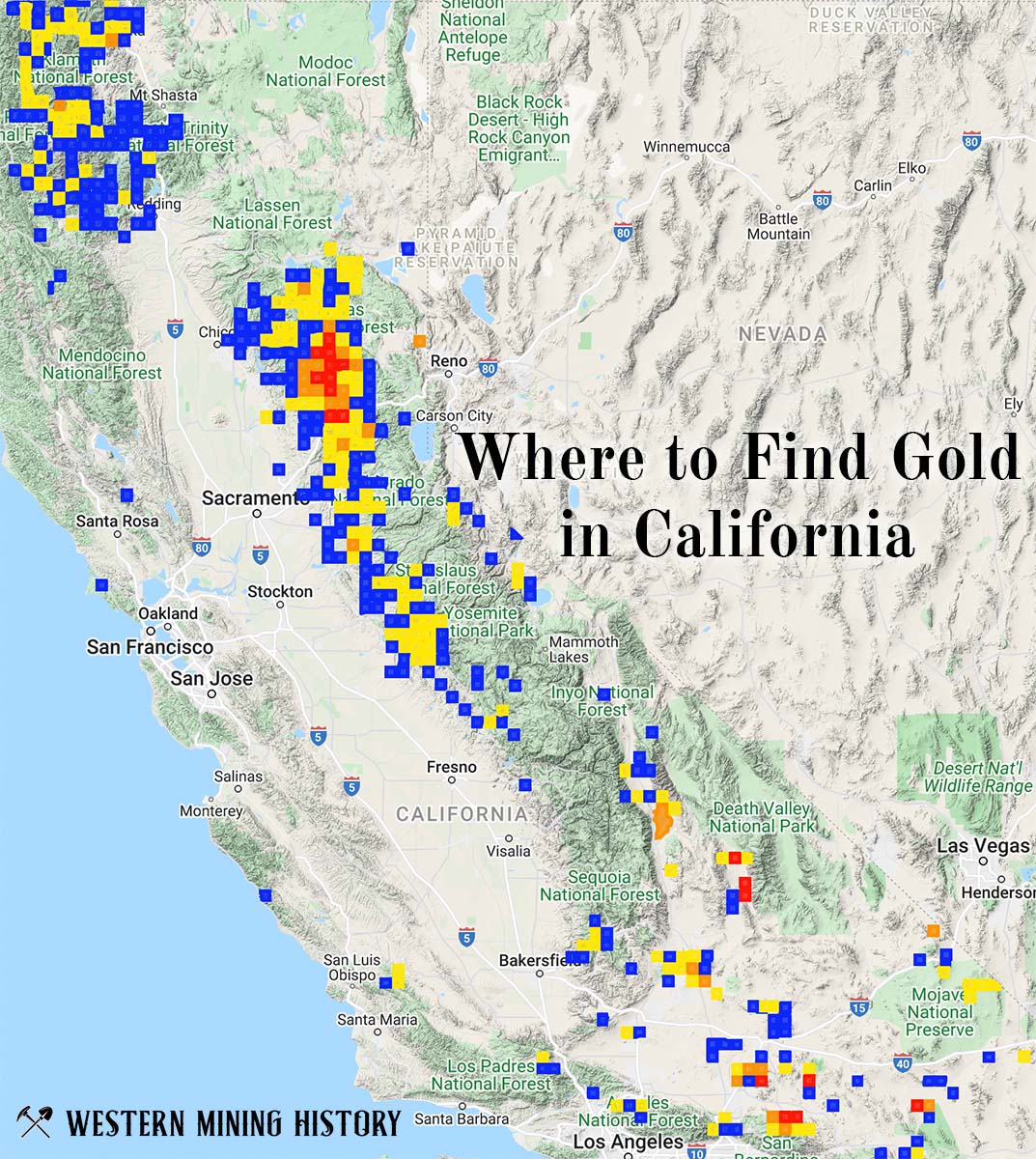
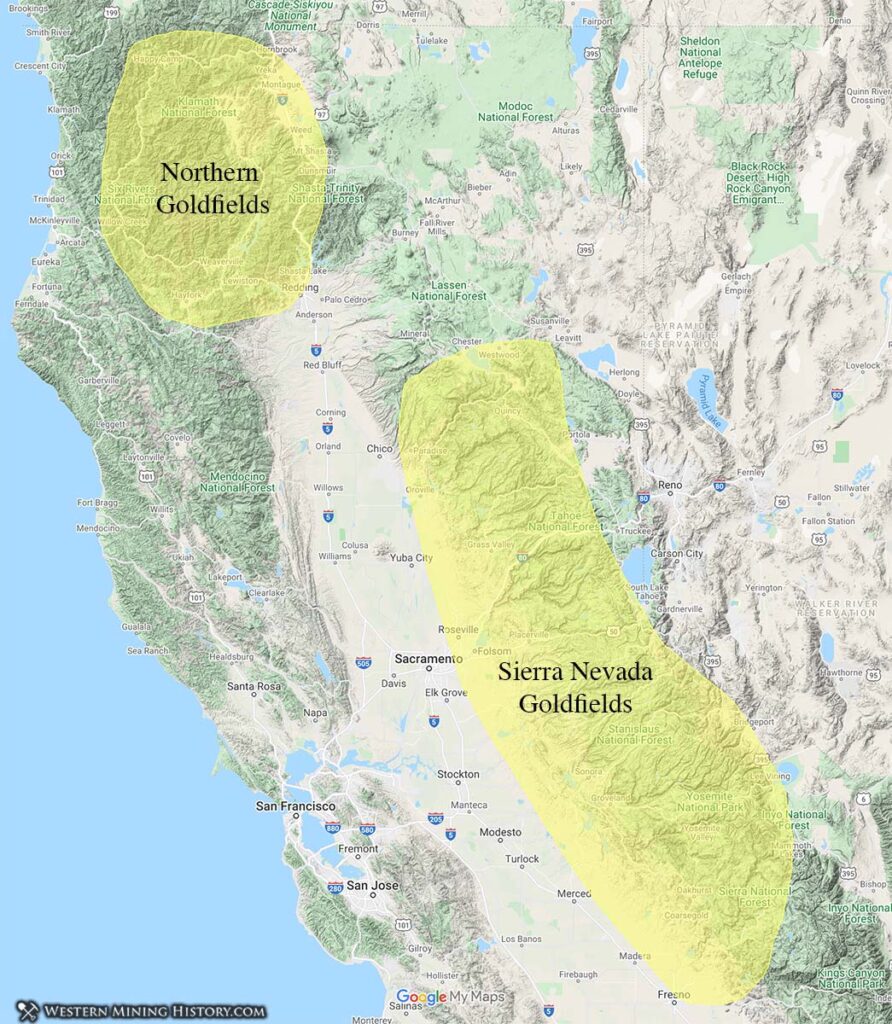
For travelers eager to immerse themselves in the history of the Gold Rush, California’s “Gold Country” region, stretching along the foothills of the Sierra Nevada, offers a wealth of attractions. These sites provide a tangible connection to the past, allowing visitors to walk in the footsteps of the forty-niners.
- Marshall Gold Discovery State Historic Park: Located in Coloma, this park marks the exact spot where James W. Marshall first found gold. Visitors can see a replica of Sutter’s Mill, learn about gold panning, explore historic buildings, and walk along the American River. It’s an essential pilgrimage for anyone interested in the origins of the Gold Rush. The visitor center offers detailed exhibits and guides, enhancing the historical experience.
- Columbia State Historic Park: Known as the “Gem of the Southern Mines,” Columbia is a remarkably preserved Gold Rush town. It feels as though time has stood still, with original brick buildings, horse-drawn stagecoaches, and costumed docents reenacting daily life. You can try your hand at gold panning, visit historic shops, and even stay in a period hotel, offering a unique accommodation experience unlike modern suites or resorts. This living history museum provides deep insights into the local culture and daily activities of the era.
- Bodie State Historic Park: For a more stark and authentic look at a Gold Rush town, Bodie is an exceptional example of a genuine ghost town. Preserved in a state of “arrested decay,” its buildings and contents remain as they were when the last residents left. Located in the high Sierra Nevada, the journey to Bodie is an adventure in itself, but the reward is an unparalleled, chillingly realistic glimpse into a bygone era. It’s a testament to the boom-and-bust cycle of mining towns.
- Old Sacramento State Historic Park: As the hub of activity during the Gold Rush, Sacramento’s historic waterfront district offers museums, historic train rides, and restored buildings that tell the story of the city’s vital role in connecting the mines with the outside world. It’s an excellent destination for family trips, offering attractions that cater to all ages.
- Other Historic Towns: Towns like Nevada City, Grass Valley, and Sonora also retain much of their Gold Rush charm, offering unique boutiques, local cuisine, and historical architecture. These smaller towns often provide more intimate experiences, allowing visitors to connect with the local culture and find unique attractions.
Planning Your Gold Rush Country Adventure
A trip to California’s Gold Country is an ideal blend of history, nature, and adventure. When planning your visit, consider the following:
- Accommodation: From charming bed-and-breakfasts in historic towns to modern hotels and resorts in larger cities like Sacramento or near popular attractions like Lake Tahoe, there are accommodation options to suit every budget and lifestyle. Many historic inns offer a taste of period living, while contemporary hotels provide modern amenities. Comparing booking options and reading reviews can help you find the perfect stay.
- Transportation: The Gold Country is best explored by car, allowing flexibility to visit scattered historic sites, small towns, and scenic drives. Major airports like Sacramento International Airport (SMF) or even San Francisco International Airport (SFO) offer convenient access points.
- Activities: Beyond historical sites, the region offers outdoor activities such as white-water rafting on the American River, hiking in the Sierra Nevada foothills, wine tasting in local vineyards, and exploring nearby natural wonders like Yosemite National Park. These experiences offer a holistic view of California’s diverse offerings.
- Best Time to Visit: Spring and fall offer pleasant weather, ideal for exploring outdoors. Summers can be hot, especially in the lower foothills, but are perfect for river activities. Winters bring cooler temperatures and occasional snow in higher elevations, adding a different kind of beauty to the landscape.
The discovery of gold at Sutter’s Mill was more than just a historical event; it was the catalyst that forged modern California. It transformed a quiet corner of the world into a crucible of ambition, innovation, and multiculturalism. For anyone seeking to understand the spirit of the Golden State, a journey to where it all began offers an unparalleled travel experience, rich in history, culture, and the enduring allure of adventure.
LifeOutOfTheBox is a participant in the Amazon Services LLC Associates Program, an affiliate advertising program designed to provide a means for sites to earn advertising fees by advertising and linking to Amazon.com. Amazon, the Amazon logo, AmazonSupply, and the AmazonSupply logo are trademarks of Amazon.com, Inc. or its affiliates. As an Amazon Associate we earn affiliate commissions from qualifying purchases.