
The allure of the Alaskan Gold Rush has captivated audiences for generations, inspiring tales of rugged individualism, wild frontiers, and the pursuit of fortune. Among the most memorable cinematic portrayals of this era is the 1960 classic “North to Alaska,” starring the legendary John Wayne. The film paints a vivid picture of prospectors striking it rich, saloon brawls, and unexpected romance amidst the untamed wilderness. For many travelers and film enthusiasts, the question inevitably arises: where exactly was this iconic adventure brought to life on screen? Uncovering the filming locations offers a fascinating journey that blends cinematic history with real-world travel destinations, revealing how moviemakers transform accessible landscapes into distant, exotic settings.

The Cinematic Journey to the Golden North
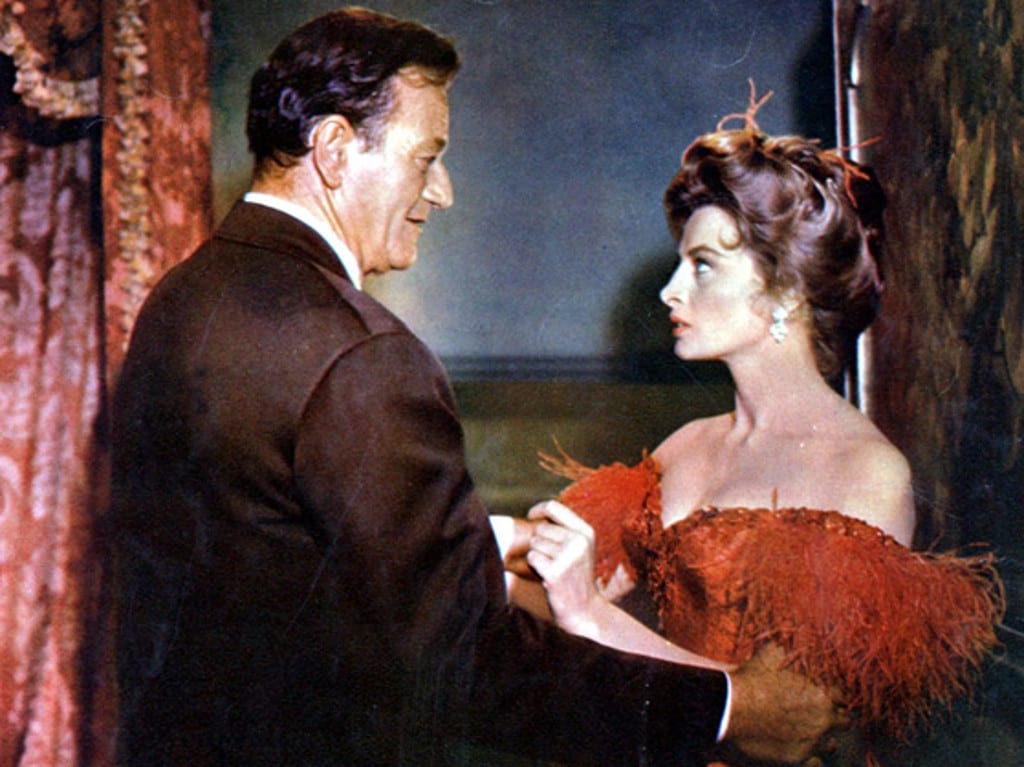
“North to Alaska” transports viewers to the turn of the 20th century, a period marked by the fervent Klondike Gold Rush. The film centers on Sam McCord (John Wayne), George Pratt, and Billy Pratt, three prospectors who strike gold in Alaska. The narrative unfolds with dramatic flair, showcasing the challenges and eccentricities of life in a booming gold town. While the story is firmly rooted in the romanticized image of Alaska and the Yukon, the practicalities of filmmaking often necessitate creative solutions for location scouting.
The decision to film “North to Alaska” away from its titular state was a common practice in the Hollywood Golden Age. Logistical complexities, extreme weather conditions, and prohibitive costs associated with remote location shoots frequently led studios to seek out more accessible alternatives that could convincingly double for distant locales. This approach allowed filmmakers to maintain creative control, minimize production delays, and stay within budget, all while delivering the grand visual spectacle audiences expected. For “North to Alaska,” this meant finding landscapes that could evoke the rugged beauty of the northern frontier without actually venturing into the frigid wilderness of Alaska itself. The success of the film’s visual storytelling lies in its ability to immerse viewers in its setting, regardless of where the cameras were actually rolling.
Unearthing the Primary Filming Locations
Contrary to what the title might suggest, the bulk of “North to Alaska” was not filmed in Alaska. Instead, filmmakers expertly utilized the diverse landscapes of Southern California and the controlled environments of studio soundstages to create the film’s compelling visuals. This strategy allowed for greater flexibility and significantly reduced the logistical challenges typically associated with shooting in remote, extreme environments.
The most significant outdoor filming location was Point Mugu State Park, nestled along the stunning coastline of Ventura County, California. This expansive park, part of the Santa Monica Mountains National Recreation Area, boasts an incredible variety of terrain, making it a versatile stand-in for many different environments. Its dramatic cliffs, pristine beaches, rolling hills, and deep canyons provided the perfect backdrop to simulate the rugged Alaskan wilderness. Specific areas within Point Mugu State Park, with their dense chaparral and occasional pine trees, were dressed to resemble the forested areas and riverbanks where prospectors would have staked their claims. The natural light and expansive vistas available here allowed for the grand, sweeping shots that define many Western-genre films, even when depicting a northern setting.
Filming at locations like Point Mugu offered several distinct advantages. Proximity to Hollywood studios meant easier transport of cast, crew, and equipment. The generally mild California climate provided more predictable shooting conditions compared to the unpredictable weather of the far North. Furthermore, the existing infrastructure around Ventura County could support a large film production without the need for extensive temporary setups. The production team skillfully leveraged these natural environments, augmenting them with set dressing and strategic camera angles to create the illusion of a remote, wild Alaskan frontier, complete with its gold-laden rivers and dense forests.
Studio Magic: Bringing the Gold Rush Town to Life
While the great outdoors of Point Mugu provided the natural settings, much of the immersive atmosphere of “North to Alaska” was crafted within the confines of a studio lot. The elaborate sets constructed at 20th Century Fox Studios in Los Angeles, California, were instrumental in recreating the bustling, rough-and-tumble gold rush town of No Name City.
The soundstages at 20th Century Fox were transformed into a vibrant turn-of-the-century settlement, complete with dirt streets, wooden boardwalks, saloons, general stores, and various shacks and businesses typical of a boomtown. The production design team meticulously researched the period, ensuring that every detail, from the signage on the buildings to the period-appropriate props, contributed to the authenticity of the setting. The iconic interiors, such as the lively saloon where many of the film’s pivotal scenes and brawls take place, were all intricately built on these soundstages. This controlled environment allowed directors to manage lighting, sound, and special effects with precision, achieving specific moods and enhancing the dramatic impact of each scene.

The combination of outdoor location shooting and meticulously designed studio sets is a testament to the ingenuity of classic Hollywood filmmaking. It allowed “North to Alaska” to deliver a visually rich and convincing portrayal of the Alaskan Gold Rush era, captivating audiences worldwide and solidifying its place as a beloved adventure film, all while demonstrating the magic of cinematic illusion.
Visiting the “Alaskan” Locations: A Traveler’s Perspective
For modern travelers and film buffs, understanding the filming locations of “North to Alaska” opens up unique opportunities for exploration, blending cinematic pilgrimage with genuine travel experiences. While you won’t find gold prospectors in Southern California anymore, the landscapes that doubled for Alaska offer their own distinct charm and adventure.
Exploring Point Mugu State Park
Point Mugu State Park remains a premier travel destination in California, offering a stark contrast to its cinematic past. Today, visitors can immerse themselves in the same natural beauty that once formed the backdrop for John Wayne’s adventures. The park features more than 70 miles of hiking trails that wind through rugged peaks, canyons, and coastal plains, providing breathtaking views of the Pacific Ocean. Travelers can explore sandy beaches, rocky shores, and sand dunes, all of which evoke a sense of wildness, albeit a sunnier version than Alaska.
Activities abound, from surfing and beachcombing along the shores of Sycamore Cove and Thornhill Broome Beach to challenging hikes up Boney Mountain. Camping is available, allowing travelers to spend nights under the stars, perhaps imagining the campfire tales of the gold rush era. Wildlife viewing is also a highlight, with opportunities to spot various bird species, deer, and marine life. A visit to Point Mugu State Park offers a tangible connection to film history while providing an outstanding outdoor experience in its own right, reminding visitors that remarkable landscapes often have multiple stories to tell.
Experiencing the Real Alaska
Even though “North to Alaska” wasn’t filmed there, the movie undeniably fuels a desire in many to experience the real Alaska. The state itself is a monumental travel destination, rich with the history of the gold rush and breathtaking natural beauty that far surpasses any film set. For those inspired by the film’s spirit of adventure, several Alaskan destinations offer authentic glimpses into the period and a truly wild frontier experience.
Consider a journey to Skagway, often dubbed the “Gateway to the Klondike.” This historic town meticulously preserves its past, with wooden boardwalks and false-front buildings that transport visitors back to 1898. Travelers can ride the scenic White Pass and Yukon Route Railroad, retracing the path of prospectors seeking their fortunes. Another compelling destination is Juneau, the state capital, which also boasts a rich mining heritage. Visitors can explore old mining sites or pan for gold themselves, gaining a hands-on appreciation for the hardships and hopes of the gold rush era. Further inland, Fairbanks offers cultural insights into Alaskan life and history, with museums and historical parks dedicated to the gold rush.
Traveling to Alaska today means encountering vast national parks like Denali, majestic glaciers, diverse wildlife including bears and moose, and a profound sense of wilderness. It is a destination for adventurous souls seeking awe-inspiring landscapes, outdoor activities like fishing and hiking, and a tangible connection to a rugged past that films like “North to Alaska” only begin to suggest. The contrast between the simulated landscapes of California and the raw, untamed grandeur of Alaska itself underscores the enduring power of storytelling to transport and inspire.
The Legacy of Filming Location Choices
The choice of filming locations for “North to Alaska” highlights a fascinating aspect of cinematic production: the art of illusion and the skillful use of available resources. While the film may not have been shot in the actual state of Alaska, its success lies in its ability to transport audiences to that setting through powerful storytelling, compelling performances, and ingenious set design combined with suitable natural backdrops. This practice is a cornerstone of filmmaking, allowing imaginative narratives to flourish regardless of geographical constraints.
For travelers, this revelation adds another layer of appreciation for both the film and the real-world destinations. It encourages a deeper look into how stories are told and inspires journeys to places that hold cinematic significance, whether as actual filming sites or as the authentic inspirations behind the silver screen’s greatest adventures. “North to Alaska” remains a testament to the enduring appeal of the gold rush era and the boundless spirit of exploration it evokes, inviting us to discover both the places where cinema is made and the magnificent destinations that continue to spark our wanderlust.
LifeOutOfTheBox is a participant in the Amazon Services LLC Associates Program, an affiliate advertising program designed to provide a means for sites to earn advertising fees by advertising and linking to Amazon.com. Amazon, the Amazon logo, AmazonSupply, and the AmazonSupply logo are trademarks of Amazon.com, Inc. or its affiliates. As an Amazon Associate we earn affiliate commissions from qualifying purchases.