
Uncovering the Filming Locations of a Cinematic Horror Icon
The chilling narrative of The Texas Chain Saw Massacre has etched itself into the annals of horror cinema. Beyond the visceral terror and enduring mystery, the film’s stark, sun-baked landscapes played a crucial role in establishing its unique brand of dread. While the title itself points to a specific locale, the actual filming of this seminal 1974 horror classic took place across various sites, primarily in and around the rural expanses of Texas. Understanding these locations offers a fascinating glimpse into the production and the enduring appeal of this iconic film. The choice of Texas was not accidental; its vast, sparsely populated countryside provided the perfect backdrop for a story of isolation and grim survival, amplifying the sense of unease that permeates the film.
The production team, led by director Tobe Hooper, sought a setting that felt authentically remote and untamed. This quest for authenticity led them to the heart of Texas, a state known for its expansive ranches, dusty roads, and a certain rugged, independent spirit that lent itself well to the film’s gritty realism. The specific locations were chosen to evoke a sense of forgotten Americana, places where the veneer of civilization had worn thin, leaving behind a raw and unsettling reality. The arid climate and the distinctive flora of Central Texas contributed significantly to the film’s oppressive atmosphere, making the environment itself a character in the unfolding horror.
Central Texas: The Primary Stage for Terror
The majority of the filming for The Texas Chain Saw Massacre occurred in the rural areas surrounding Austin, the capital of Texas. This region, characterized by its rolling hills, dense forests, and isolated farmhouses, provided the ideal canvas for Hooper’s vision of a decaying, forgotten homestead. The specific locations, often chosen for their remoteness and dilapidated appearance, were instrumental in creating the film’s pervasive sense of unease and isolation.
The Sawyer House: A Fictional Landmark’s Real Origins
Perhaps the most iconic setting in the film is the dilapidated, horrifying Sawyer family home. While the house itself is fictional within the narrative, its real-world counterpart was a crucial element of the production. The exterior shots of the infamous house were filmed at a property located near Round Rock, a city in the Austin metropolitan area. This particular house, which has since been relocated and repurposed, stood as a testament to the film’s ability to transform the mundane into the terrifying. Its weathered appearance, coupled with the stark Texas landscape, created a visual shorthand for the horror that lay within.
The interior scenes, including the chilling dinner table sequence, were also shot within this vicinity, though not necessarily within the same physical structure as the exterior shots. The production utilized various farmhouses and rural dwellings to capture the claustrophobic and unsettling atmosphere of the Sawyer family’s dwelling. The deliberate choice of these humble, often decaying structures lent a disturbing authenticity to the film, grounding its horrific events in a believable, albeit nightmarish, rural reality. The choice of such unassuming, ordinary settings for extraordinary evil is a hallmark of Hooper’s directorial prowess and a key reason for the film’s lasting impact.
Beyond the Sawyer House: Expanding the Cinematic Landscape
While the Sawyer house is undoubtedly the most recognizable location, the filmmakers utilized a broader geographical area within Central Texas to craft the film’s narrative. The sense of a long, arduous journey for the protagonists was effectively conveyed through shots captured on the roads and highways of this region.

The Open Roads and Isolated Pathways
The film opens with the protagonists on a road trip, traversing the seemingly endless highways of Texas. These scenes were shot on various rural roads in the vicinity of the primary filming locations. The vast, open spaces, punctuated by the occasional desolate gas station or isolated farmhouse, served to underscore the characters’ vulnerability and their growing sense of dread as they ventured deeper into unknown territory. The visual monotony of these landscapes, under the harsh Texas sun, paradoxically enhanced the feeling of unease, suggesting a world that was vast yet devoid of comfort or escape.
These road sequences are crucial in establishing the film’s pacing and atmosphere. The endless stretches of highway, often depicted with minimal traffic, contribute to the feeling of isolation. The sun-baked asphalt, the scrubby vegetation, and the distant, hazy horizons all combine to create a visual language of entrapment. The very act of traveling through this landscape becomes a source of anxiety, hinting at the dangers that lie just beyond the visible horizon.
The Legacy and Modern-Day Pilgrimage Sites
Decades after its initial release, The Texas Chain Saw Massacre continues to captivate audiences, and its filming locations have become points of interest for dedicated fans and horror enthusiasts. While the specific houses may have changed or been repurposed, the general areas where the film was shot retain a certain mystique.
The ‘Chainsaw House’ Today
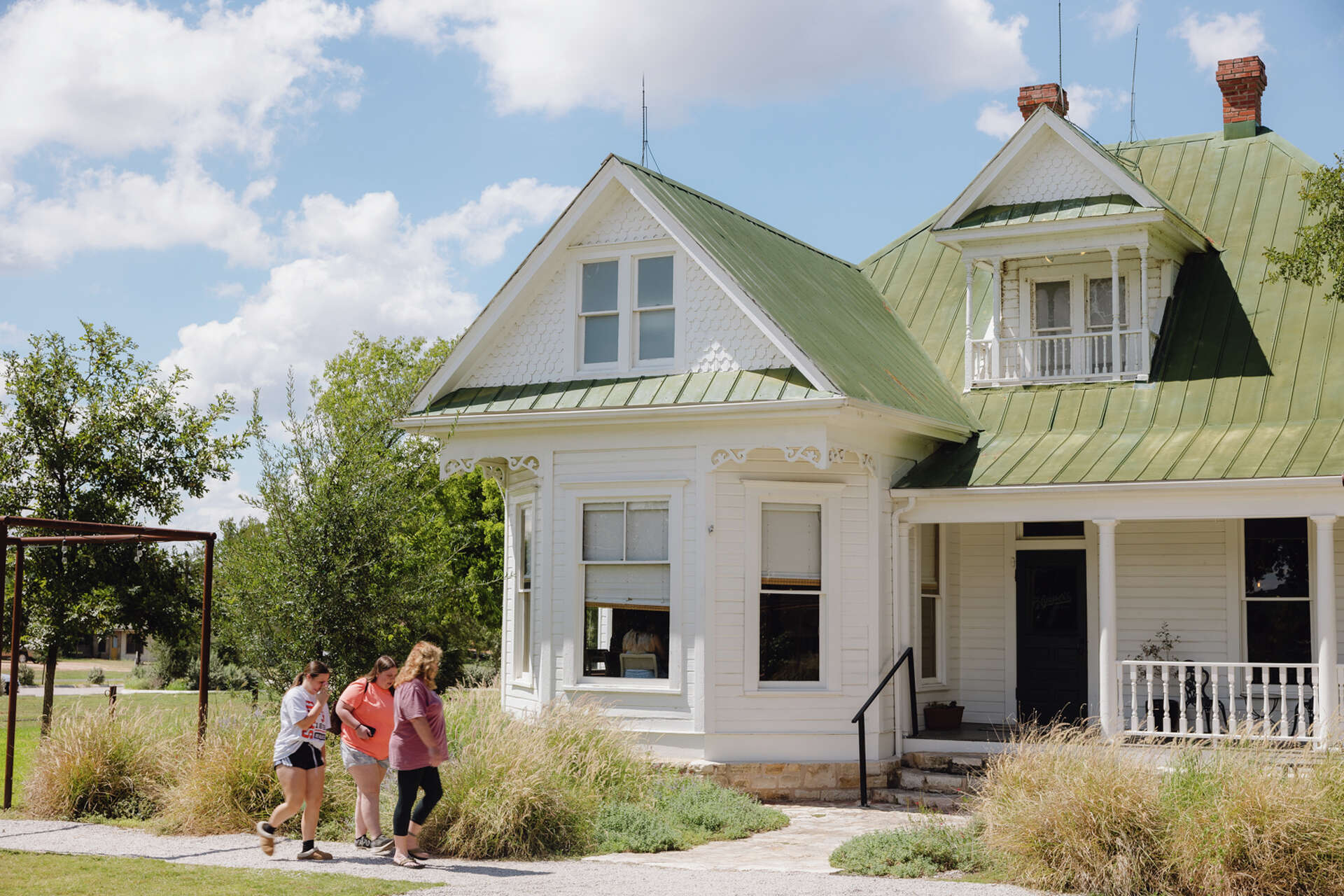
The original Sawyer house, or at least the structure used for its exterior, has undergone significant transformation. After the film’s release, the house was purchased and moved from its original location near Round Rock to Kingsland, Texas, a small community on Lake Buchanan. It was meticulously dismantled, transported, and then reassembled on a new property, where it was eventually transformed into a popular restaurant and tourist attraction known as the Grand Central Cafe.
Visitors to the Grand Central Cafe can still experience a tangible connection to the film. The restaurant, which embraces its connection to horror cinema, often features memorabilia and decor that pays homage to The Texas Chain Saw Massacre. Dining within the vicinity of this iconic film set offers a unique opportunity for fans to immerse themselves in the lore and atmosphere that has made the movie a cult classic. The cafe’s location in Kingsland further adds to the allure, as it allows visitors to explore the broader rural Texas setting that so effectively contributed to the film’s terrifying ambiance. This transformation from a symbol of horror to a nostalgic tourist destination highlights the complex relationship between cinematic fiction and real-world locations.

Exploring the Central Texas Landscape
For those interested in the cinematic history of the film, exploring the rural areas around Austin offers a deeper appreciation of the landscape that inspired and hosted its creation. While the exact farmhouses and desolate stretches of road may be harder to pinpoint, the general topography and the character of the Texas countryside remain largely unchanged. Driving through these areas, especially during the warmer months when the sun beats down relentlessly, can evoke a sense of the isolation and raw beauty that so profoundly influenced the film’s chilling effectiveness.
Visiting towns like Round Rock and Kingsland provides a tangible link to the film’s production history. These communities, with their own local charm and history, serve as anchors to the real-world places that became the backdrop for fictional terror. The experience of exploring these locations offers more than just a geographical connection; it’s an immersion into the atmosphere that made The Texas Chain Saw Massacre a groundbreaking piece of cinematic art. The enduring power of the film lies not just in its scares but in its masterful use of landscape, a testament to the unforgettable locations of Central Texas.
LifeOutOfTheBox is a participant in the Amazon Services LLC Associates Program, an affiliate advertising program designed to provide a means for sites to earn advertising fees by advertising and linking to Amazon.com. Amazon, the Amazon logo, AmazonSupply, and the AmazonSupply logo are trademarks of Amazon.com, Inc. or its affiliates. As an Amazon Associate we earn affiliate commissions from qualifying purchases.