
The aroma of sizzling steaks, the lively hum of conversation, the crunch of peanuts underfoot, and the infectious energy of line dancing are all hallmarks of a dining experience that has captivated millions across the globe. Texas Roadhouse has become synonymous with generous portions, hand-cut steaks, and an atmosphere that feels both authentic and celebratory. Yet, despite its widespread recognition and the unmistakable Texas flair it projects, the origins of this beloved restaurant chain might surprise many. Far from the sprawling ranches and dusty plains of the Lone Star State, Texas Roadhouse planted its very first roots in an unexpected corner of the United States: Clarksville, Indiana.
The story of Texas Roadhouse is not just about a restaurant; it’s a compelling narrative of vision, perseverance, and the creation of a unique lifestyle brand that resonates with travelers seeking authentic experiences and locals looking for a reliable, enjoyable meal. From its initial concept as an affordable, quality steakhouse to its evolution into a global dining destination, the journey of Texas Roadhouse offers fascinating insights into the American culinary landscape and its impact on tourism and community life.
The Humble Beginnings in Clarksville, Indiana
In the early 1990s, the casual dining scene was ripe for disruption. Many establishments offered either high-end steakhouses at prohibitive prices or budget options that often compromised on quality. This gap in the market presented an opportunity, and it was in this climate that a visionary entrepreneur named W. Kent Taylor saw the potential for something different. His dream was to create a place where everyone could afford a great steak – a restaurant that combined quality food with a lively, welcoming atmosphere without breaking the bank.
A Vision for “Legendary Food, Legendary Service”
W. Kent Taylor wasn’t new to the restaurant industry, but his previous ventures had not achieved the scale he envisioned. Undeterred, he secured a $300,000 investment and set out to bring his new concept to life. The year was 1993, and the chosen location was Clarksville, Indiana. Situated just across the Ohio River from Louisville, Kentucky, Clarksville might seem an unlikely birthplace for a chain imbued with Texas spirit. However, it offered a strategic location with a steady stream of local customers and passing travelers, laying the groundwork for what would become a formidable presence in the dining world.
Taylor’s vision for Texas Roadhouse was clear: deliver “Legendary Food, Legendary Service” in a fun, Western-themed environment. He wanted to evoke the spirit of a Texas dance hall, where patrons could relax, enjoy hearty meals, and feel a sense of camaraderie. This wasn’t just about selling food; it was about selling an experience, a slice of an idealized American West. The commitment to hand-cut steaks, made-from-scratch sides, and freshly baked bread quickly distinguished Texas Roadhouse from its competitors. The vibrant décor, country music, and the unique addition of complimentary peanuts (and the encouragement to toss the shells on the floor) created an unforgettable atmosphere that became an instant draw.
Crafting the Core Texas Roadhouse Experience
The essence of the Texas Roadhouse experience, meticulously crafted from that first location in Clarksville, revolved around several key pillars. Firstly, an unwavering commitment to quality: all steaks were, and still are, hand-cut in-house by expert butchers. Breads are baked fresh every few minutes, and all side dishes and dressings are prepared from scratch. This dedication to freshness and quality, combined with generous portion sizes, ensured that diners felt they were getting exceptional value for their money.
Secondly, the atmosphere was carefully curated to be energetic and family-friendly. The Texas theme wasn’t just superficial; it permeated the entire dining experience, from the rustic décor and memorabilia adorning the walls to the enthusiastic staff, often breaking into line dances to popular country tunes. This interactive and engaging environment contributed significantly to its appeal, transforming a simple meal into an occasion. For tourists exploring Indiana or passing through on their travels, a visit to Texas Roadhouse became more than just a meal; it was an immersion into a particular facet of American local culture and hospitality. It presented an accessible taste of the “wild west” without ever leaving the Midwest, an appealing draw for many seeking diverse food and activity experiences on their journeys. This unique blend of quality food and immersive dining quickly became a lifestyle choice for many families and groups, solidifying its place as a go-to for budget-friendly, fun outings.
From Local Gem to National Phenomenon
The success of the first Texas Roadhouse in Clarksville was not an overnight fluke but rather a testament to W. Kent Taylor’s unwavering belief in his concept and his team’s execution. The restaurant quickly gained a loyal following, prompting demand for more locations. What began as a local favorite soon embarked on an ambitious journey of expansion that would see it transform into one of the most recognizable casual dining chains in the United States and beyond.
The Recipe for Rapid Expansion and Success
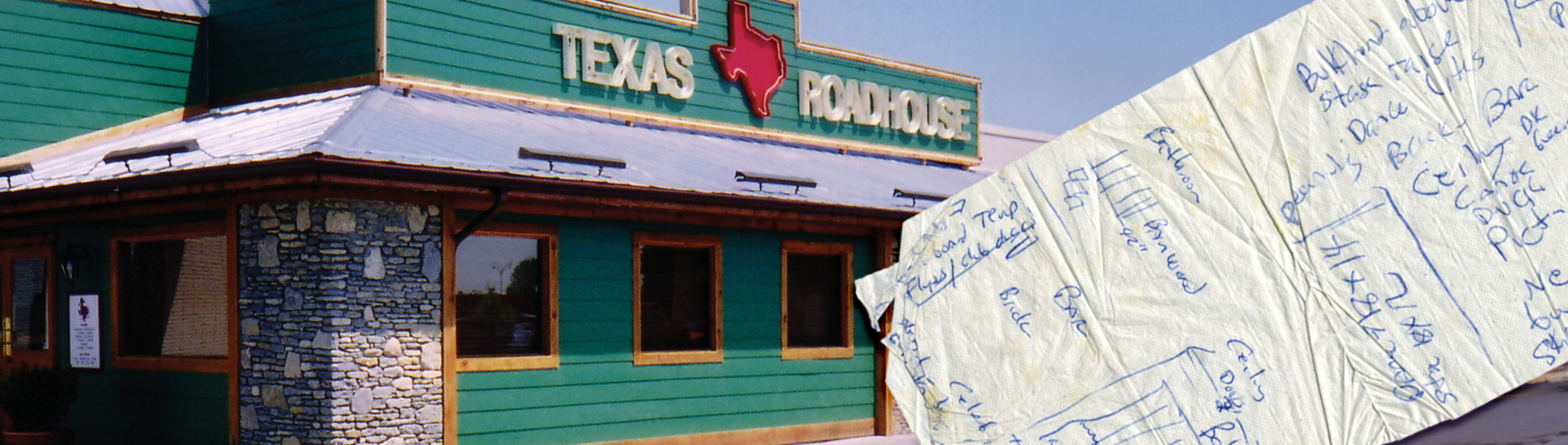
The strategy for growth involved a combination of corporate-owned restaurants and a robust franchising model, carefully selecting partners who were deeply committed to upholding the brand’s core values and operational standards. This approach allowed for rapid expansion while maintaining the consistency of the dining experience that customers had come to expect. Each new location replicated the energetic atmosphere, the quality food promise, and the signature elements that defined Texas Roadhouse. By the turn of the millennium, the chain had already opened its 100th restaurant, a significant milestone that underscored its explosive popularity and successful business model.
This rapid proliferation meant that Texas Roadhouse began appearing in diverse destinations and attractions across the country, from bustling metropolitan areas like those in Florida and California to smaller towns, becoming a familiar landmark for travelers. Its consistent quality and unique ambiance made it a reliable choice for those on the road, offering a taste of home, or at least a taste of that particular Texas experience, wherever they went. The brand’s journey also saw it entering the public market, initially listing on the American Stock Exchange in 2004 before moving to Nasdaq, signaling its maturation into a major player in the restaurant industry. Further expanding its reach, Texas Roadhouse ventured into international markets, bringing its distinctive brand of American hospitality to countries in North America (like Mexico), the Middle East, and Asia, making it a truly global attraction.
A Dining Destination for Travelers and Locals Alike
Today, Texas Roadhouse stands as a testament to the power of a well-executed concept. Its locations across thousands of cities have made it a recognizable dining destination for both locals and travelers. For individuals on vacation or business trips, finding a Texas Roadhouse often provides a comforting sense of familiarity and the assurance of a quality meal, regardless of their current destination. It becomes an attraction in itself, a known quantity in an unfamiliar place.
The appeal extends to various traveler segments: families appreciate the lively, welcoming atmosphere and menu options suitable for all ages; budget travelers find great value in the generous portions and affordable pricing; and even business travelers, weary from long days, can unwind in its casual setting. Hotels, suites, and resorts often point their guests to nearby Texas Roadhouse establishments as a recommended dining option, understanding its broad appeal and consistent customer satisfaction. This integration into the travel ecosystem highlights how a restaurant brand, initially conceived in a single location, can evolve to significantly influence tourism patterns and accommodation choices by becoming a part of the desired travel experience. The chain’s ability to maintain its unique culture and food quality across hundreds of locations worldwide speaks to a meticulous operational strategy that prioritizes the customer experience above all else.
The Enduring Legacy of Texas Roadhouse
The story of Texas Roadhouse goes far beyond just a restaurant chain; it’s about a cultural phenomenon that has etched itself into the fabric of American casual dining and global hospitality. From its unassuming start in Clarksville, Indiana, it has grown into a powerful brand recognized for its commitment to people, food, and community. The legacy W. Kent Taylor built continues to thrive, impacting both the economy and the lifestyle choices of millions.
Beyond the Steaks: Community and Culture
One of the most remarkable aspects of Texas Roadhouse’s enduring success is its vibrant internal culture, affectionately known as the “Roadie” culture. Employees are encouraged to be themselves, to have fun, and to foster a sense of family and camaraderie. This positive work environment translates directly into the legendary service customers receive, making each visit memorable. This internal culture extends outwards into the communities where Texas Roadhouse operates. Each location actively engages in local fundraising efforts, participates in community events, and supports various charitable causes. This deep connection to community life reinforces the brand’s image as a responsible and caring corporate citizen, further embedding it into the lifestyle of its patrons. It’s not just a place to eat; it’s a place that cares, which resonates strongly with individuals looking for businesses that align with their values. These local activities provide a unique facet of tourism, allowing visitors to experience community engagement firsthand through a popular national brand.
Furthermore, the emphasis on hiring local staff and sourcing fresh ingredients, where possible, contributes significantly to local economies, creating jobs and supporting regional suppliers. This economic impact, coupled with its role as a social gathering spot, makes Texas Roadhouse a modern-day landmark in many towns and cities, a go-to place for celebrations, casual meals, and everything in between.

The Texas Roadhouse Influence on the American Dining Landscape
Texas Roadhouse carved a distinct niche in the highly competitive casual dining segment by staying true to its original vision. In an era where many restaurants constantly reinvent themselves, Texas Roadhouse has largely stuck to its winning formula: quality food, generous portions, affordable prices, and an unforgettable atmosphere. This consistency has not only garnered immense customer loyalty but has also influenced other players in the industry, demonstrating that focusing on fundamental values can lead to sustained success.
The chain’s popularity also reflects broader lifestyle trends. It caters to the desire for authentic experiences, albeit a curated version of Texas culture, and the growing demand for value without compromising on quality. Its family-friendly atmosphere makes it an ideal choice for family trips, while its lively vibe appeals to younger demographics. From its first restaurant in Clarksville, Indiana, Texas Roadhouse has grown into a global brand, yet it continues to deliver the same promise of “Legendary Food, Legendary Service” that W. Kent Taylor envisioned over three decades ago. It remains a vibrant testament to American entrepreneurship and a beloved landmark in the pantheon of casual dining, reminding us that sometimes, the most iconic destinations begin in the most unexpected places.
In conclusion, while its name strongly suggests otherwise, Texas Roadhouse began its remarkable journey not in the heart of Texas, but in Clarksville, Indiana. This Midwestern genesis allowed W. Kent Taylor’s vision to blossom, creating a restaurant chain that has since become a global icon of casual dining, a staple for travelers, and a cornerstone of community life in countless destinations worldwide.
LifeOutOfTheBox is a participant in the Amazon Services LLC Associates Program, an affiliate advertising program designed to provide a means for sites to earn advertising fees by advertising and linking to Amazon.com. Amazon, the Amazon logo, AmazonSupply, and the AmazonSupply logo are trademarks of Amazon.com, Inc. or its affiliates. As an Amazon Associate we earn affiliate commissions from qualifying purchases.