
The Boston Massacre, a pivotal event in the lead-up to the American Revolution, occurred on the evening of March 5, 1770. Its exact location is not merely a footnote in history but a tangible landmark, a site that continues to draw visitors seeking to connect with the past. This momentous confrontation between British soldiers and a crowd of Boston colonists took place at what was then known as King Street, directly in front of the Old State House, the seat of the colonial government in Massachusetts. Today, this historic stretch is called State Street, and the spot is clearly marked, serving as a powerful reminder of the escalating tensions that ultimately led to the birth of the United States.
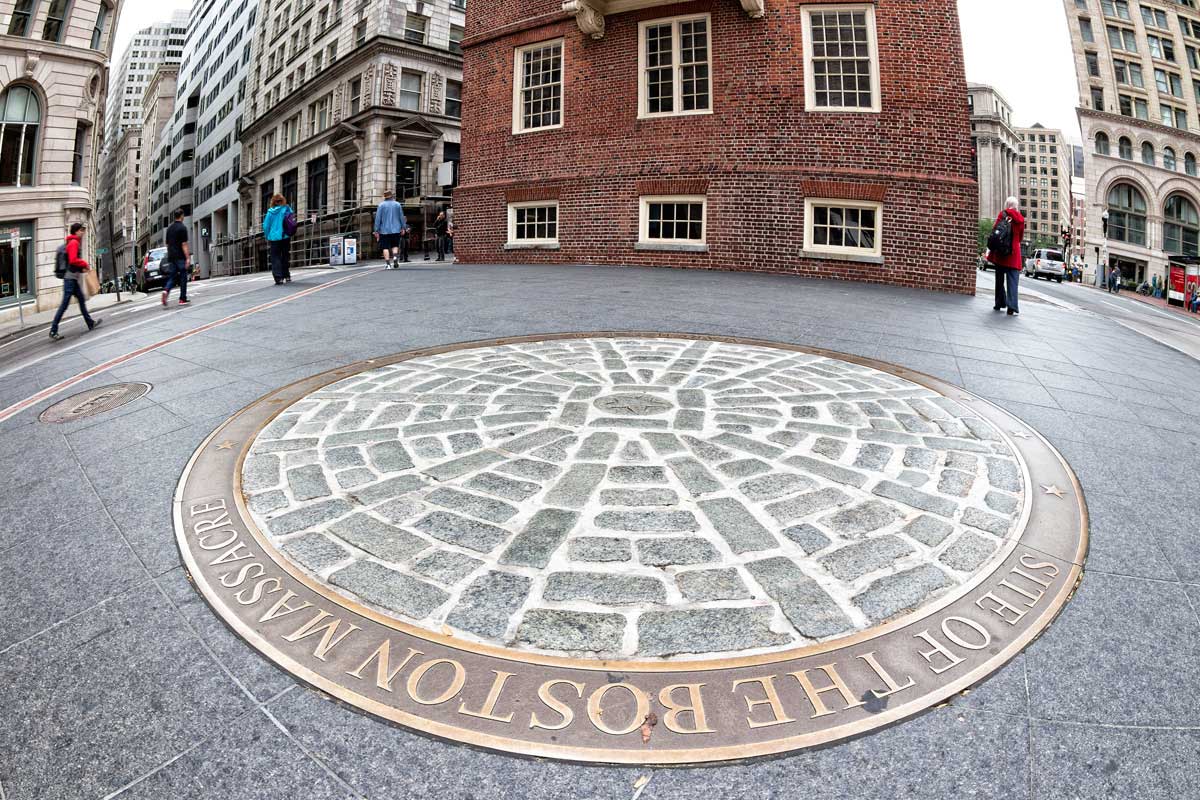
The Fateful Intersection: Old State House and State Street
The core location of the Boston Massacre is inextricably linked to the Old State House, a red-brick edifice that stands as the oldest surviving public building in Boston. In 1770, this building housed the royal governor’s office, the colonial legislature, and the provincial courts. Its prominence made the area surrounding it a natural hub for civic life, commerce, and, crucially, political dissent. The incident unfolded directly on the paved street outside its eastern facade, where a small contingent of British soldiers stood guard near the Customs House, protecting the Crown’s revenue.
The Immediate Setting: Customs House and the Crowd
The immediate trigger for the massacre was a heated exchange between a young wigmaker’s apprentice and a British sentry stationed near the Customs House, adjacent to the Old State House. This sentry was guarding the Royal Treasury, a symbol of British authority and taxation. A snowball fight quickly escalated into a more serious confrontation, drawing a large and increasingly agitated crowd of colonists. They were armed with snowballs, stones, and sticks, venting their frustrations against British rule, the quartering of troops, and the oppressive taxes imposed by King George III‘s government. The arrival of Captain Thomas Preston and his small squad of British Regulars from the nearby main guardhouse intensified the standoff, positioning them directly on King Street in front of the Customs House and the Old State House. It was at this precise point that the shots were fired, resulting in the deaths of five colonists, including Crispus Attucks, often considered the first casualty of the American Revolution.
The Significance of State Street
What was King Street then is now State Street, a bustling thoroughfare in downtown Boston. Its name change after the Revolution was a deliberate act to erase the monarchical association and reflect the newfound republican ideals. Despite the change in name and the evolution of the city around it, the street retains its historical resonance. It serves as a constant physical reminder of the simmering tensions and the violent flashpoint that occurred there. Walking along State Street today, one can still observe the architecture that has stood for centuries, providing a tangible link to the colonial era and the events that unfolded on its cobblestones.
A Site of Enduring Memory: The Boston Massacre Site Today
The location of the Boston Massacre is not left to historical imagination alone; it is clearly marked and revered as a significant landmark in Boston. Visitors to the city can easily find the precise spot, which has become an integral part of understanding the city’s revolutionary past. The preservation and interpretation of this site underscore its importance in the collective memory of the United States.
The Paved Memorial: A Circle of Remembrance
Perhaps the most recognizable and poignant memorial to the Boston Massacre is a cobblestone circle embedded in the pavement of State Street, directly in front of the Old State House. This circular marker, designed to indicate where the victims fell, serves as a powerful, silent monument. It is a humble yet profound tribute, prompting passersby to pause and reflect on the grave sacrifices made for liberty. The simplicity of the design allows the weight of the historical event to speak for itself, grounding visitors in the very place where history was irrevocably altered. This circular marker is a key stop for anyone exploring Boston’s revolutionary landmarks.
Nearby Historical Context: Faneuil Hall and the Old South Meeting House
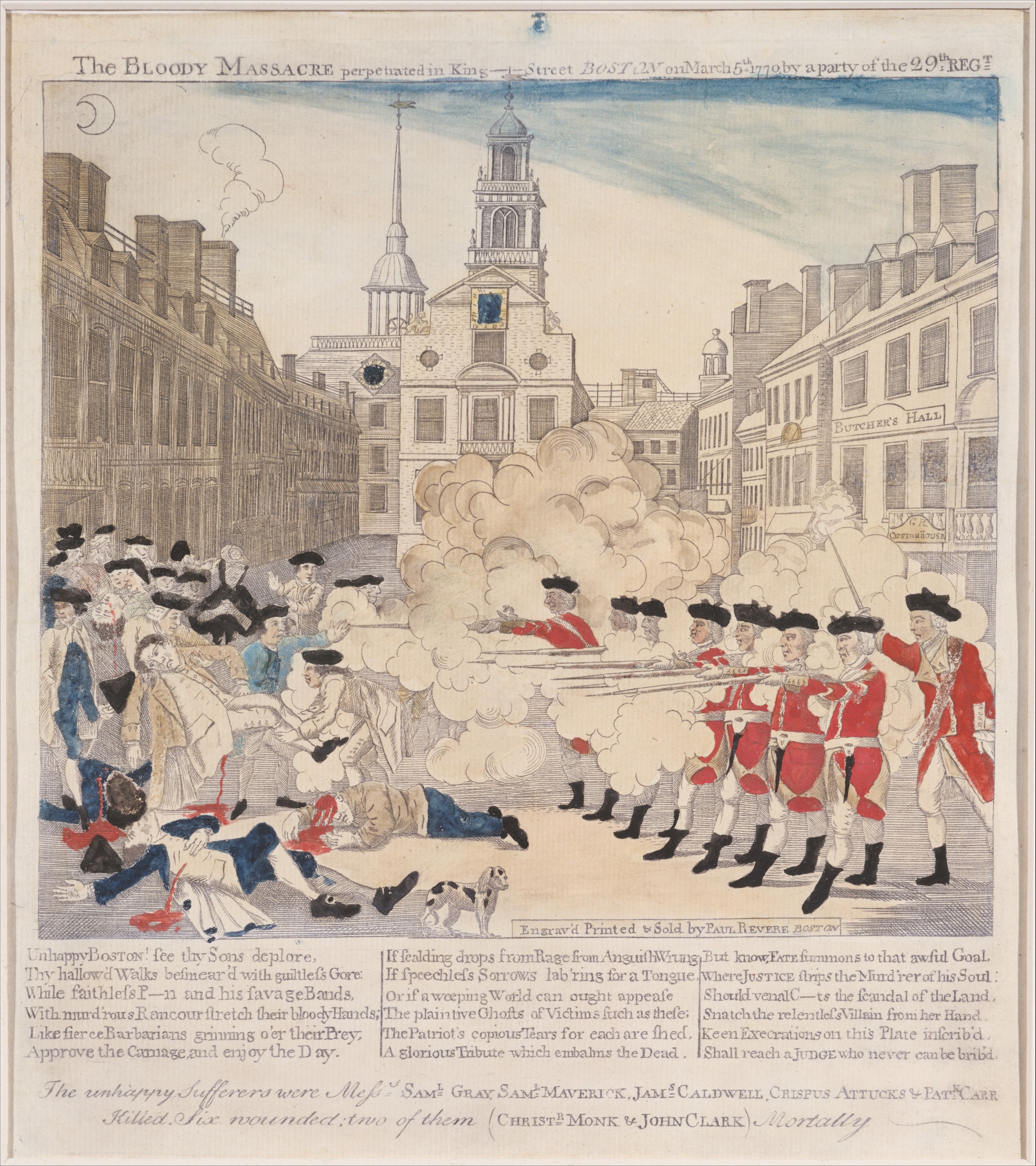
The significance of the Boston Massacre site is amplified by its proximity to other crucial landmarks of the American Revolution. Just a short walk away is Faneuil Hall, known as the “Cradle of Liberty,” where colonists regularly gathered to debate British policies and voice their grievances. Similarly, the Old South Meeting House, another vital public space, hosted impassioned discussions and protests, including the meeting that directly preceded the Boston Tea Party. These nearby sites provide essential context, illustrating the vibrant political discourse and mounting resistance that characterized colonial Boston in the years leading up to the massacre. Visiting these landmarks in conjunction offers a comprehensive understanding of the revolutionary spirit that permeated the city.
The Freedom Trail: Connecting Historical Dots
The Boston Massacre site is a crucial component of the Freedom Trail, a 2.5-mile-long red-lined path that winds through downtown Boston, connecting 16 historically significant sites. For those interested in the landmarks of the American Revolution, the Freedom Trail offers an unparalleled immersive experience, making the massacre site easily accessible and contextualized within the broader narrative of American independence.
Walking Through Revolutionary History in Boston
Following the Freedom Trail allows visitors to trace the footsteps of historical figures like Samuel Adams and Paul Revere and witness the physical locations where momentous events transpired. The Boston Massacre site is strategically placed on this route, ensuring that its historical importance is not overlooked. As one walks the trail, moving from the Boston Common to the Bunker Hill Monument, the narrative of colonial discontent, protest, and eventual rebellion unfolds chronologically. The massacre site stands as a stark reminder of the violence inherent in this struggle, a moment when the ideological battle took a deadly turn.
Interpretive Markers and Guides
Along the Freedom Trail, including at the Boston Massacre site, numerous interpretive markers provide detailed information about each landmark. These plaques and historical panels offer succinct summaries of events, often accompanied by illustrations or maps, helping visitors grasp the historical significance of what they are seeing. Additionally, guided tours led by knowledgeable historians and re-enactors are available, offering deeper insights and bringing the stories of the past to life. These guides often stop at the cobblestone memorial, recounting the events of March 5, 1770, in vivid detail, ensuring that the legacy of the fallen is remembered and understood.
Preserving the Past: The Old State House and Its Role
The Old State House, the building that stood silently overlooking the Boston Massacre, plays a crucial role today in preserving and interpreting the memory of this event and the broader revolutionary period. Its continued existence as a museum and historical landmark ensures that the physical context of the massacre remains accessible and understood by current and future generations.
A Museum of Revolutionary History
Owned and operated by the Bostonian Society, the Old State House functions as a museum dedicated to Boston’s revolutionary history. Inside, exhibits detail the causes and consequences of the Boston Massacre, displaying artifacts from the period and providing narratives that explore the perspectives of both the colonists and the British soldiers. Visitors can explore the very rooms where pivotal political decisions were made and where the seeds of revolution were sown. The museum offers an invaluable complement to the outdoor marker, providing the background and human stories behind the tragedy that unfolded just outside its doors.

The Balcony of Proclamations
Adding to its historical weight, the Old State House features a balcony from which significant proclamations were read to the public. Most famously, it was from this balcony that the Declaration of Independence was first publicly read to the citizens of Boston on July 18, 1776, an act symbolic of the triumph of the revolutionary cause that began with such violent incidents as the Boston Massacre. Standing on State Street and looking up at this iconic balcony, with the massacre site at one’s feet, provides a profound sense of the continuum of history—from the bloodshed of protest to the declaration of freedom. The Old State House thus serves as a powerful landmark, embodying both the conflict and the ultimate victory of the Thirteen Colonies‘ struggle for independence.
LifeOutOfTheBox is a participant in the Amazon Services LLC Associates Program, an affiliate advertising program designed to provide a means for sites to earn advertising fees by advertising and linking to Amazon.com. Amazon, the Amazon logo, AmazonSupply, and the AmazonSupply logo are trademarks of Amazon.com, Inc. or its affiliates. As an Amazon Associate we earn affiliate commissions from qualifying purchases.