
Unveiling the Seminole City: Tallahassee and Its Educational Hub
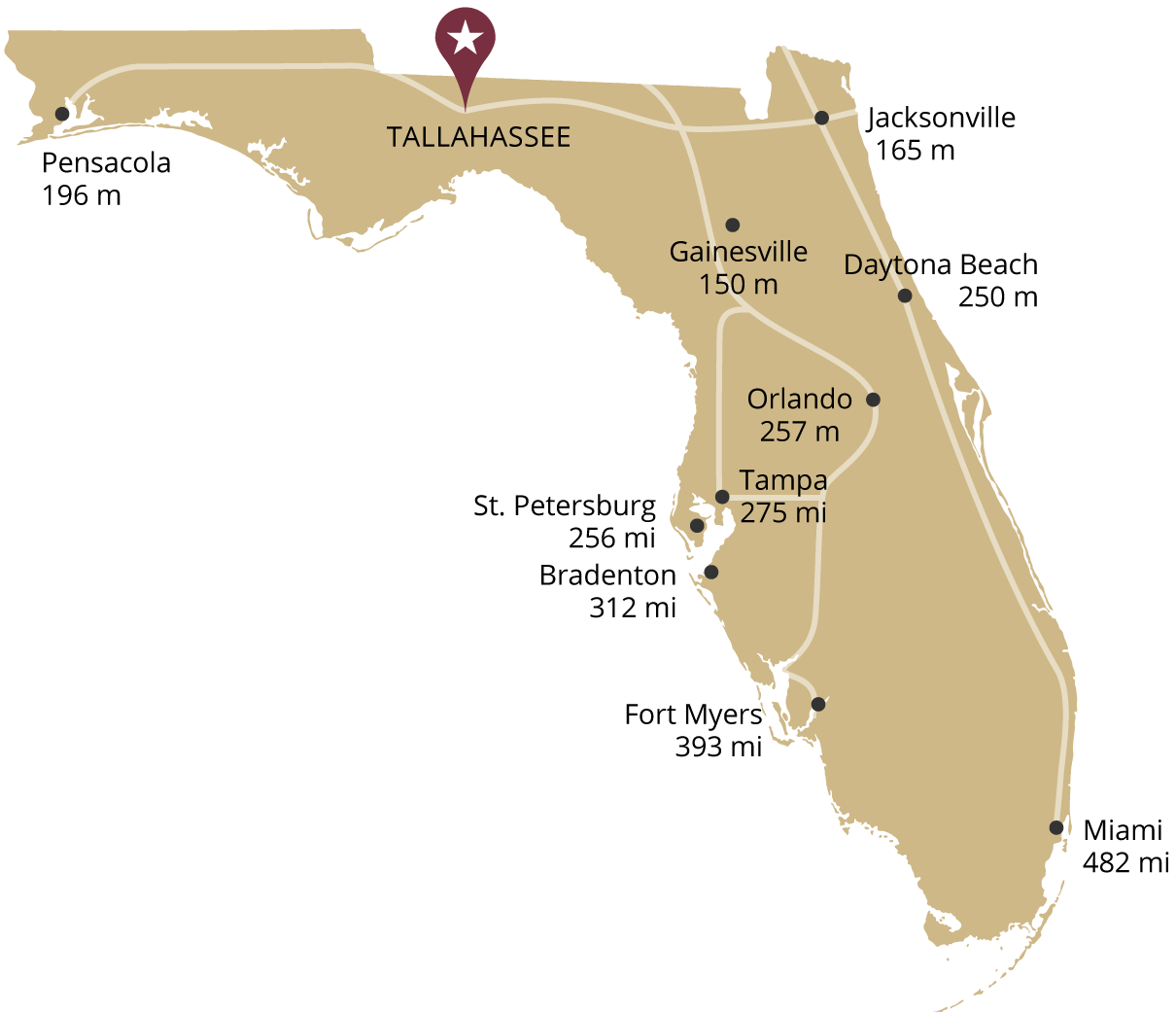
Florida, a state renowned for its sun-drenched beaches, vibrant theme parks, and diverse ecosystems, is also home to a constellation of esteemed educational institutions. Among these, Florida State University stands as a beacon of academic excellence and a significant cultural anchor. While the name itself suggests its Floridian roots, pinpointing its precise location within the Sunshine State requires a closer look at its home city, Tallahassee. This sprawling metropolis, nestled in the verdant northwestern panhandle, is not just the state capital but also the proud custodian of FSU. Understanding where Florida State University is situated means understanding the charm and significance of Tallahassee itself.

Tallahassee: The Capital City with a Collegiate Heart
Tallahassee, often referred to as “Tally” by its residents, serves as the political and cultural nucleus of Florida. Located in Leon County, it boasts a unique blend of Southern hospitality and forward-thinking urban development. The city’s landscape is characterized by rolling hills, dense forests, and numerous natural springs, distinguishing it from the flatter coastal regions of the state. This geographical setting provides a picturesque backdrop for the many governmental buildings, historic sites, and, of course, the sprawling campus of Florida State University.
The presence of FSU imbues Tallahassee with a youthful energy and intellectual vibrancy. The university’s footprint extends across various parts of the city, with its main campus being a central landmark. Beyond the academic sphere, Tallahassee offers a rich tapestry of attractions, from its historical significance as the capital to its abundant natural beauty, making it a compelling destination in its own right. Visitors and prospective students alike will find that exploring Tallahassee is intrinsically linked to experiencing the essence of Florida State University.
The Seminole Campus: A Geographical and Architectural Overview
The main campus of Florida State University is an expansive and architecturally diverse area that forms the heart of the university’s academic and student life. Situated strategically within Tallahassee, its location makes it easily accessible and a prominent feature of the city’s urban fabric. The campus is a fascinating study in contrasts, featuring historic buildings alongside modern architectural marvels, all contributing to its distinctive character.
Key Campus Landmarks and Their Locations
Navigating the FSU campus is an exploration in itself, with numerous buildings and landmarks serving as navigational points. The iconic Westcott Building, with its distinctive clock tower, stands as a symbol of the university and is a central meeting point for many campus activities. Adjacent to it, the University Green provides a serene oasis for students and faculty.
Further exploration reveals the Donald L. Tucker Civic Center, a multi-purpose arena that hosts sporting events, concerts, and university ceremonies. This venue’s proximity to the main academic areas highlights the integrated nature of the campus and its surrounding urban environment. The FSU College of Law, the FSU College of Medicine, and the various arts and sciences buildings are spread across the central and western parts of the campus, fostering a dynamic academic atmosphere.
The university also boasts significant off-campus facilities that are integral to its operations and research endeavors. These include the FSU Coastal and Marine Laboratory in St. Marks, Florida, which is crucial for marine biology and environmental science research, underscoring the university’s commitment to exploring diverse Floridian environments.
Understanding the Campus Layout
The main campus is broadly organized into academic colleges, residential areas, and recreational facilities. The academic buildings are clustered to facilitate interdisciplinary collaboration, while the residential halls offer a vibrant community living experience for students. The campus layout is designed to be walkable and bike-friendly, encouraging a sustainable and active campus culture. Understanding this layout is key to appreciating the daily life and operational efficiency of Florida State University.
Beyond the Campus: Exploring Tallahassee’s Attractions
While Florida State University is undeniably the focal point for many visitors to Tallahassee, the city itself offers a wealth of attractions that complement the university experience. From historical landmarks to natural escapes, Tallahassee provides a diverse range of activities for students, faculty, prospective visitors, and residents alike.

Historic Sites and Government Buildings
As the state capital, Tallahassee is rich in history and governmental significance. The Florida Historic Capitol Museum offers a fascinating glimpse into the state’s political past, housed within the beautifully preserved old capitol building. Adjacent to it stands the modern Florida State Capitol building, a towering structure that serves as the seat of Florida’s government. Tours of these buildings provide insights into Florida’s legislative processes and historical evolution.
The city is also home to several antebellum homes that have been preserved as historical sites. The Grove Museum, the former home of Florida’s first elected governor, William D. Moseley, offers a window into 19th-century Floridian life. These sites provide a deeper understanding of the region’s heritage beyond its academic institutions.
Natural Wonders and Outdoor Activities
Tallahassee is a haven for nature lovers, with an abundance of parks and natural areas that showcase the unique ecology of the Florida panhandle. Alfred B. Maclay Gardens State Park is renowned for its stunning ornamental gardens, particularly vibrant during the azalea bloom in late winter and early spring. The park offers walking trails, boating, and picnicking opportunities, making it a popular recreational spot.
Another significant natural attraction is the Tallahassee Museum, which features a wildlife center with native Florida animals, a historic village with preserved buildings, and nature trails. This museum provides an engaging educational experience about the state’s biodiversity and cultural history. For those seeking more active pursuits, the numerous hiking and biking trails winding through the city’s green spaces, such as the St. Marks Trail, offer excellent opportunities for outdoor exploration.
Experiencing the FSU and Tallahassee Connection
The relationship between Florida State University and the city of Tallahassee is symbiotic. The university is a significant economic driver and cultural contributor to the city, while Tallahassee provides the essential urban infrastructure and community support that enables FSU to thrive.
Local Culture and Student Life Integration
The presence of a major university like FSU significantly shapes the local culture of Tallahassee. A vibrant arts scene, diverse culinary offerings, and a dynamic nightlife are all influenced by the student population and the university’s academic and cultural programs. The FSU Museum of Fine Arts and the various performance venues on campus regularly host public events that enrich the cultural landscape of Tallahassee.
Student-led initiatives and community service projects often bridge the gap between the university and the wider Tallahassee community. This integration fosters a sense of shared identity and mutual benefit, making the university an integral part of the city’s fabric.
Getting To and Around Tallahassee
For those planning a visit to Florida State University, understanding travel logistics to and within Tallahassee is essential. The city is served by the Tallahassee International Airport (TLH), which offers direct flights from several major U.S. cities. Major highways, including Interstate 10 and U.S. Route 90, provide convenient road access.
Once in Tallahassee, transportation options include ride-sharing services, taxis, and the city’s public transportation system, Star Metro. Many areas of the university campus and surrounding neighborhoods are walkable and bikeable, especially given Tallahassee’s numerous sidewalks and bike lanes. For visitors exploring the city’s attractions, renting a car can offer the most flexibility.
Accommodations and Dining
Visitors to Tallahassee will find a range of accommodation options to suit various preferences and budgets. Numerous hotels are located near the university campus and in the downtown area, offering convenient access to both university facilities and city attractions. Options range from well-known chains like the Four Points by Sheraton Tallahassee Downtown to boutique hotels. For those seeking extended stays or a more localized experience, various apartment complexes and vacation rentals are also available.
The dining scene in Tallahassee is diverse, reflecting the city’s growing population and the influence of its student body. From casual eateries and sports bars catering to FSU fans to upscale restaurants offering a taste of Southern cuisine and international flavors, there are options to satisfy every palate. Local favorites often include seafood, barbecue, and farm-to-table establishments, providing a genuine taste of Florida’s culinary landscape.
LifeOutOfTheBox is a participant in the Amazon Services LLC Associates Program, an affiliate advertising program designed to provide a means for sites to earn advertising fees by advertising and linking to Amazon.com. Amazon, the Amazon logo, AmazonSupply, and the AmazonSupply logo are trademarks of Amazon.com, Inc. or its affiliates. As an Amazon Associate we earn affiliate commissions from qualifying purchases.