
Navigating the labyrinthine world of state tax refunds can often feel like a quest for hidden treasure. For residents of the Golden State, the question “Where’s My California State Tax Refund?” is a common refrain, especially as tax season winds down and anticipation for that much-needed financial boost grows. The California Franchise Tax Board (FTB) is the primary entity responsible for processing these refunds, and understanding their systems and timelines is key to managing expectations and securing your funds efficiently. This guide will demystify the process, offering insights into checking your refund status, common delays, and tips for a smoother experience.
Understanding the California Tax Refund Process
When you file your California state income tax return, you are essentially requesting a refund of any overpaid taxes. This overpayment can occur for various reasons, such as excess withholdings from your paychecks, overestimated quarterly payments, or claiming tax credits you are eligible for. Once your return is filed, either electronically or by mail, it enters the processing pipeline of the FTB.
Electronic Filing vs. Mail-in Returns
The method of filing significantly impacts the speed at which your refund is processed.
Electronic Filing (e-file)
Filing electronically through a tax professional or using tax preparation software is by far the fastest way to receive your refund. The FTB can often process these returns within a matter of days. Electronic systems are designed for speed and accuracy, reducing the manual handling required for paper documents. This efficiency translates directly into quicker refund disbursements.
Mail-In Returns
Conversely, paper returns are processed manually, which inherently takes longer. Each document must be scanned, data entered, and verified by hand. This process is more susceptible to delays, especially during peak tax season. If you choose to mail your return, expect a significantly longer waiting period for your refund.
Typical Refund Timelines
While electronic filers can often expect their refunds within three to five weeks, mail-in filers may wait six to eight weeks, or even longer. These are general estimates, and several factors can influence the actual turnaround time.
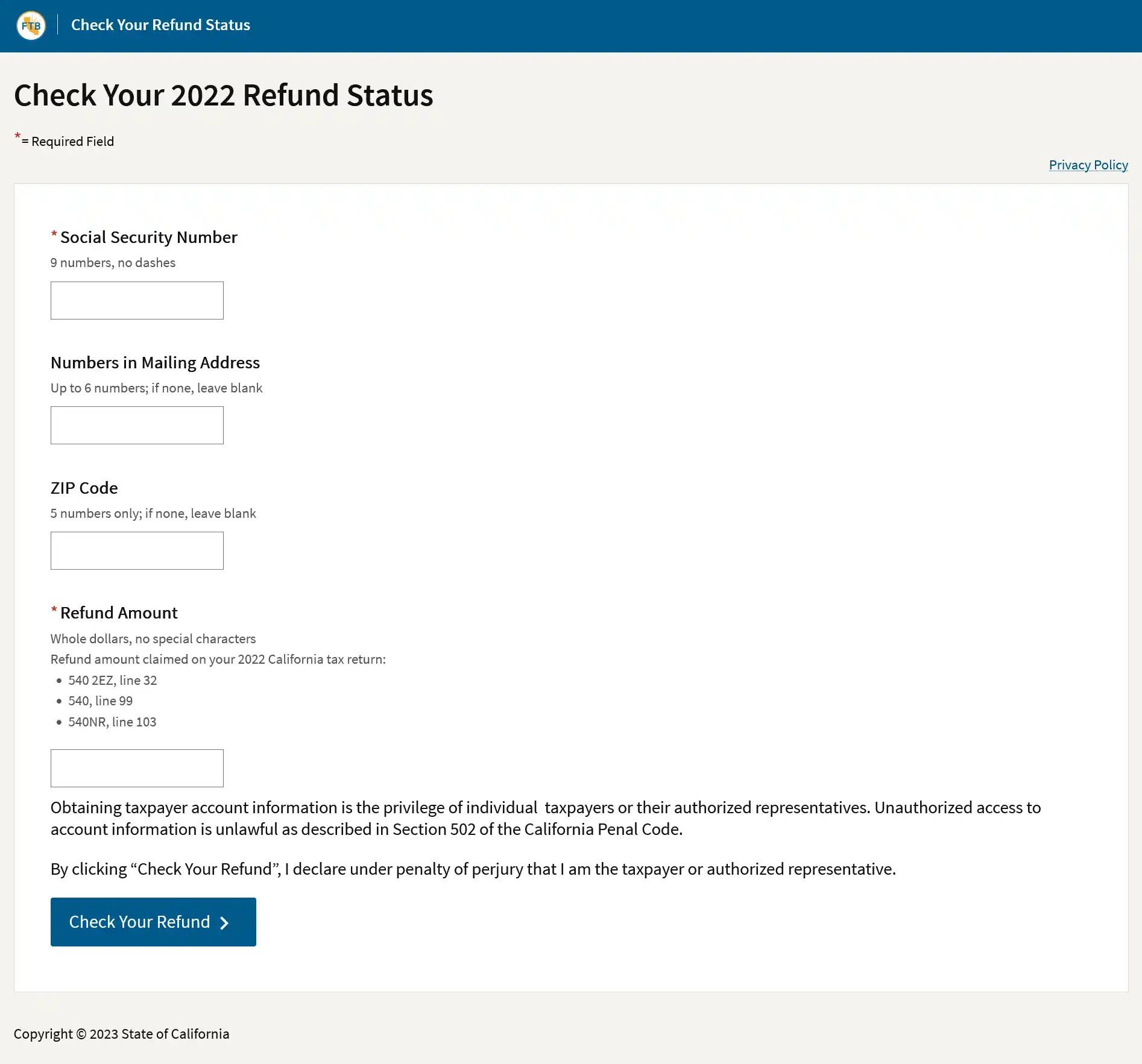
Key Information Required to Check Your Status
To inquire about your refund, you will need specific pieces of information from your tax return:
- Social Security Number (SSN): Your personal identification number used by the IRS and FTB.
- Your Filing Status: This refers to whether you filed as Single, Married Filing Jointly, Married Filing Separately, Head of Household, or Qualifying Widow(er).
- The Exact Refund Amount: This is the total amount of refund you claimed on your return. It’s crucial to enter this figure precisely as it appears on your filed return.
How to Track Your California State Tax Refund
The California Franchise Tax Board (FTB) provides an official online tool to check your refund status. This is the most reliable and recommended method for obtaining up-to-date information.
The Official FTB “Where’s My Refund?” Tool
The FTB’s official refund status tool is accessible through their website. It is designed to be user-friendly and provide real-time updates as your refund progresses through the system.
Accessing the Tool
- Visit the FTB Website: Navigate to the official California Franchise Tax Board website.
- Locate the “Where’s My Refund?” Section: Look for a prominent link or search for “Where’s My Refund?” on their homepage.
- Enter Your Information: You will be prompted to enter your Social Security Number, your filing status, and the exact refund amount as calculated on your tax return.
Interpreting the Status Updates
The tool typically displays one of the following statuses:
- Return Received: This indicates that the FTB has successfully received your tax return.
- Return Being Processed: Your return is under review and being authenticated.
- Refund Approved: Your refund has been processed and approved. The FTB is now preparing to issue it.
- Refund Sent: Your refund has been issued. The exact method of disbursement (direct deposit or check) will determine when you actually receive the funds.
The FTB Mobile App
For added convenience, the FTB may offer a mobile application that includes a refund tracking feature. This allows you to check your refund status directly from your smartphone, making it easier to stay updated on the go.
Contacting the FTB Directly
If you are unable to find the information you need online or if you suspect an issue with your refund, you can contact the FTB directly.
Phone Support
The FTB provides customer service lines to assist taxpayers. Be prepared for potentially long wait times, especially during busy periods. You will likely be asked to provide the same information required for the online tool to verify your identity and access your account.
Mail or Fax
For specific inquiries or to submit required documentation, you may be instructed to correspond with the FTB via mail or fax. Always ensure you are using the correct contact information and sending correspondence to the appropriate department.
Common Reasons for Refund Delays
While the FTB aims for prompt processing, several factors can lead to delays in receiving your California state tax refund. Understanding these common pitfalls can help you avoid them or at least prepare for potential waiting periods.
Inaccuracies on Your Tax Return
The most frequent cause of delays is errors or omissions on your tax return.
Incomplete or Incorrect Information
This includes incorrect Social Security Numbers, misspelled names, wrong addresses, or filing status errors. Even minor discrepancies can trigger a manual review by the FTB, significantly slowing down the process.
Math Errors
While electronic filing software often catches mathematical errors, they can still occur, especially with manual calculations. Any discrepancies in the numbers reported can lead to a halt in processing until the FTB can reconcile them.
Amended Returns
If you need to correct a previously filed return, you will file an amended return (Form 540X). Amended returns require manual review and take substantially longer to process than original returns. This can add several weeks or even months to the refund timeline.
Identity Theft or Fraud Concerns
The FTB actively monitors for fraudulent activity. If your Social Security Number or other personal information appears to be compromised, or if there are suspicious patterns in your filing, the FTB may place a hold on your refund pending an investigation.
Unpaid Tax Debts or Other Obligations
If you owe money to other government agencies (federal or state) or have outstanding child support obligations, these can result in your state tax refund being intercepted and applied to those debts. The FTB will typically notify you if this occurs.
Unresolved Tax Issues from Previous Years
Outstanding tax liabilities or unresolved issues from prior tax years can also cause delays. If you have a pending audit, unresolved discrepancies, or unfulfilled payment plans from previous years, it might impact the processing of your current refund.
Returns Requiring Manual Review
Certain circumstances necessitate a manual review by FTB staff, even for electronic filings. This can include claiming specific deductions or credits for the first time, filing unusually complex returns, or if the system flags your return for further scrutiny.
Tips for a Smoother Refund Experience
While some factors are beyond your control, proactive steps can help ensure a smoother and potentially faster refund process.
File Early
The earlier you file your tax return, the sooner the FTB can begin processing it. This is especially beneficial if you are filing electronically, as you’ll be at the front of the queue.
Choose Direct Deposit
Opting for direct deposit is generally the fastest way to receive your refund. Funds are electronically transferred directly into your bank account, bypassing the mailing time for paper checks. Ensure your bank account information (account number and routing number) is accurate on your return.
Double-Check Your Return Before Submitting
Thoroughly review your entire tax return for any potential errors before filing. Pay close attention to:
- Personal Information: Ensure names, Social Security Numbers, and addresses are correct for all filers and dependents.
- Bank Account Details: Verify routing and account numbers for direct deposit.
- Calculations: If filing manually, re-check all arithmetic.
- Credit and Deduction Claims: Ensure you meet the eligibility requirements for any credits or deductions you claim.
Use Reputable Tax Software or Professionals
If you’re not using a tax professional, opt for well-established tax preparation software. These programs are regularly updated to comply with current tax laws and often have built-in error-checking mechanisms.
Be Patient and Proactive
Once filed, allow the standard processing times to pass before becoming overly concerned. Use the FTB’s online tool regularly for updates. If you believe there’s an issue, or if the standard waiting period has significantly passed without updates, then contact the FTB.
Keep Copies of Your Returns
Always keep a copy of your filed tax return and any supporting documentation for your records. This is invaluable if you need to reference information or in the unlikely event of a dispute or inquiry from the FTB.
What to Do If Your Refund is Delayed or Intercepted
Experiencing a delay or finding out your refund has been intercepted can be frustrating. Here’s how to navigate these situations.
Contacting the FTB for Specific Delays
If your refund is taking longer than the estimated timeframe, and the online tool hasn’t provided a clear explanation, it’s time to reach out to the FTB.
When to Contact
Wait at least three weeks after filing electronically or six weeks after mailing your return before initiating contact, unless the FTB’s online tool provides a specific reason for delay or a message indicating a longer processing time.
What Information to Have Ready
As mentioned earlier, have your SSN, filing status, and exact refund amount readily available when you call. Be prepared to explain your situation and any specific concerns you have.
Understanding Refund Intercepts
If your refund is intercepted, the FTB will send you a notice explaining why. Common reasons for interception include:
- Delinquent state taxes: If you owe taxes from a previous year.
- Child support obligations: Unpaid child support can lead to refund garnishment.
- Other state or federal debts: Including unemployment benefits, student loans, or other government agency debts.
Responding to an Intercept Notice
If your refund is intercepted to pay a debt, follow the instructions provided in the FTB’s notice. You may have options to dispute the debt or set up a payment plan, depending on the nature of the obligation.

Seeking Professional Assistance
If you are facing significant delays, complex issues, or believe your refund has been wrongly intercepted, consulting a qualified tax professional or attorney specializing in tax law can be beneficial. They can help you understand your rights, navigate the FTB’s procedures, and advocate on your behalf.
By understanding the California Franchise Tax Board processes, utilizing the available tracking tools, and taking proactive steps, you can manage your expectations and work towards a timely resolution for your California state tax refund.
LifeOutOfTheBox is a participant in the Amazon Services LLC Associates Program, an affiliate advertising program designed to provide a means for sites to earn advertising fees by advertising and linking to Amazon.com. Amazon, the Amazon logo, AmazonSupply, and the AmazonSupply logo are trademarks of Amazon.com, Inc. or its affiliates. As an Amazon Associate we earn affiliate commissions from qualifying purchases.