
Orlando, a vibrant metropolis nestled in the heart of Florida, is synonymous with world-class theme parks, exhilarating entertainment, and a thriving cultural scene. While many visitors flock to this iconic destination for its unparalleled attractions, a fundamental question often arises for those planning their journey or exploring the region’s geography: Which county is Orlando in? Understanding Orlando’s administrative and geographical placement is not just a matter of trivia; it provides crucial context for navigating local governance, accessing services, and appreciating the broader regional landscape that contributes to its unique appeal. This exploration delves into the specific county that calls Orlando home, examining its significance and the various ways this geographical anchoring influences the visitor experience.
Unveiling Orange County: Orlando’s Home
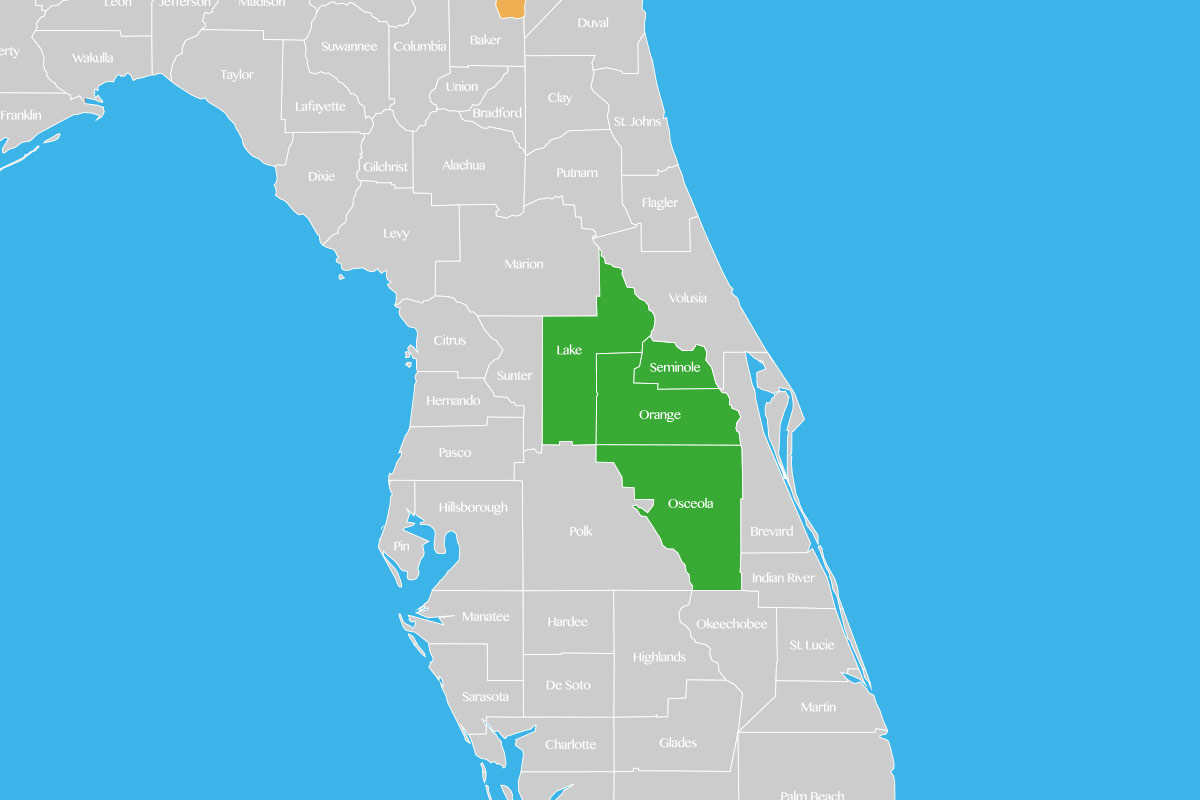
Orlando, the bustling core of Central Florida, is officially situated within Orange County, Florida. This designation is more than just a label; it signifies the administrative and political jurisdiction under which the city operates. Orange County is one of Florida’s most populous counties and serves as a significant economic and cultural hub for the state. Its borders encompass not only the city of Orlando but also a significant portion of the surrounding metropolitan area, including other notable municipalities and the vast tracts of land that house some of the world’s most famous entertainment resorts.
The Significance of County Governance
County governments in Florida, like in many other parts of the United States, play a vital role in providing essential public services. For Orlando and its residents, this translates to a wide array of responsibilities managed at the county level. These include, but are not limited to, law enforcement (through the Orange County Sheriff’s Office), public transportation, waste management, public health services, and the maintenance of county parks and roads that are not within the purview of the city itself.
For travelers, understanding that Orlando resides within Orange County can offer practical insights. For instance, when seeking specific local government information, contacting Orange County offices would be the correct course of action. Furthermore, regional planning initiatives, which often span county lines to address issues like infrastructure development and environmental protection for the wider Central Florida area, are coordinated at this level. The county’s strategic planning directly impacts the development and accessibility of the region, influencing everything from traffic flow around major attractions to the preservation of natural resources in the surrounding areas.
A Broader Geographical Context: Central Florida’s Embrace
While Orlando is firmly rooted in Orange County, its influence and interconnectedness extend far beyond these administrative boundaries. The city is the centerpiece of a sprawling metropolitan area often referred to as “Central Florida.” This region is a dynamic tapestry of counties, each contributing to the unique character and economic vitality of the area. Neighboring counties such as Seminole County to the north, Osceola County to the south, and Lake County to the west, share in the regional growth and development, particularly in the tourism sector.
This interconnectedness is particularly evident in the tourism industry. Many of the world-renowned theme parks and resorts, while perhaps having an Orlando mailing address, may technically be located just across the county line in neighboring Osceola County. For example, many of the attractions in the Walt Disney World Resort are spread across both Orange and Osceola counties. This geographical distribution highlights the collaborative efforts and shared economic benefits among these Central Florida counties, all capitalizing on the global appeal of the region’s entertainment offerings. The infrastructure, from major highways like Interstate 4 to the Orlando International Airport, is designed to serve this vast, multi-county tourist magnet.
Navigating Orlando’s Landscape: Beyond the County Line
Understanding that Orlando is in Orange County is a starting point for appreciating the region’s complexity. The actual experience of visiting and exploring Orlando often involves traversing these county lines, especially when venturing into the heart of the tourism districts.
The Tourism Nexus: Spanning Multiple Jurisdictions

The most prominent aspect of Orlando’s fame is undoubtedly its status as a global entertainment capital. The cluster of theme parks, water parks, and entertainment complexes is immense. While the city of Orlando is in Orange County, many of the most iconic destinations fall into a unique administrative and geographical space.
-
Walt Disney World Resort: As mentioned, this colossal destination straddles the border of Orange County and Osceola County. The “Four Parks” – Magic Kingdom, Epcot, Hollywood Studios, and Animal Kingdom – along with numerous resorts and water parks, are managed by a unique special district, the Reedy Creek Improvement District (now known as the Central Florida Tourism Oversight District), which has powers akin to a local government but operates independently of direct county oversight in many aspects. However, the physical land and initial development were within these two counties.
-
Universal Orlando Resort: This popular destination, home to Universal Studios Florida and Islands of Adventure, is primarily located within Orange County. However, the sheer scale of the resort and its surrounding entertainment complexes means that access roads and surrounding infrastructure often interact with neighboring county planning.
-
SeaWorld Orlando: Located squarely within Orange County, SeaWorld Orlando is another significant draw for visitors, further cementing Orlando’s reputation as a premier family vacation spot.
This dispersal of major attractions across county lines is a testament to the region’s expansive growth and the strategic development that has occurred over decades. It means that a visitor staying in a hotel in Orange County might spend their entire day in attractions situated physically within Osceola County, and vice versa. Recognizing this spatial reality is key to understanding the flow of tourism and the economic synergy that binds these neighboring counties.
Beyond the Parks: Exploring Orange County’s Offerings
While the theme parks are the primary draw for many, Orange County offers a rich tapestry of experiences that extend far beyond the gates of Disney or Universal. Exploring these diverse attractions provides a deeper appreciation for the county and the city of Orlando.
-
Downtown Orlando: The urban core of Orange County, downtown Orlando, is a vibrant hub of business, culture, and entertainment. Visitors can explore the Dr. Phillips Center for the Performing Arts, catch a sports game at the Amway Center (home to the Orlando Magic), or wander through the historic streets. The city government of Orlando is headquartered here, managing municipal services within its incorporated limits.
-
Cultural Attractions: Orange County boasts a variety of museums and cultural institutions. The Orlando Museum of Art and the Mennello Museum of American Art offer diverse artistic experiences. For those interested in history, the Orange County Regional History Center provides a comprehensive look at the area’s past.
-
Natural Beauty: Beyond the developed tourist zones, Orange County offers access to Florida’s natural beauty. The Wekiwa Springs State Park in the northern part of the county provides opportunities for swimming, hiking, and exploring natural springs. The numerous lakes within and around Orlando, such as Lake Eola Park, offer recreational activities and picturesque settings.
These attractions, while within Orange County, benefit from the extensive infrastructure and marketing that the broader Orlando metropolitan area provides. The county’s commitment to preserving green spaces and developing cultural amenities enhances the overall visitor experience, offering a well-rounded vacation beyond the thrill rides.

Conclusion: A Foundation for Exploration
In essence, the answer to “Which county is Orlando in?” is unequivocally Orange County. This foundational knowledge is crucial for understanding the administrative framework that governs the city and its immediate surroundings. However, it is equally important to recognize that Orlando’s identity and appeal as a world-renowned destination are intrinsically linked to the broader Central Florida region, which includes neighboring counties like Osceola.
The interplay between city, county, and regional governance, particularly in the context of the colossal tourism industry, creates a dynamic landscape for visitors. Whether you are navigating the theme parks, exploring the urban core, or seeking natural tranquility, understanding this geographical and administrative context enriches your travel experience. It allows for a more informed approach to planning, appreciating local services, and ultimately, fully immersing oneself in the vibrant and multifaceted destination that is Orlando and its surrounding Orange County home. The county serves as the anchor, while the surrounding region provides the expansive canvas upon which Orlando’s global fame is painted.
LifeOutOfTheBox is a participant in the Amazon Services LLC Associates Program, an affiliate advertising program designed to provide a means for sites to earn advertising fees by advertising and linking to Amazon.com. Amazon, the Amazon logo, AmazonSupply, and the AmazonSupply logo are trademarks of Amazon.com, Inc. or its affiliates. As an Amazon Associate we earn affiliate commissions from qualifying purchases.