
California, a state renowned for its sprawling landscapes, innovative spirit, and vibrant cultural tapestry, also stands as a beacon of religious diversity. This rich mosaic of faiths is not merely a demographic footnote but a fundamental aspect of the Californian experience, influencing its social fabric, cultural expressions, and even its culinary landscape. Understanding this diversity offers a profound insight into the state’s welcoming ethos and its continuous evolution as a global hub.
A Spectrum of Beliefs: The Religious Landscape of California
California’s religious landscape is characterized by its sheer breadth and depth, encompassing ancient traditions and newer spiritual movements. It’s a place where virtually every faith practiced globally finds a home, nurtured by a history of immigration and a culture that generally embraces a wide array of beliefs and practices. This inclusivity has fostered a unique environment where different religious communities coexist, interact, and contribute to the state’s dynamic identity.

Christianity: A Dominant and Diverse Force
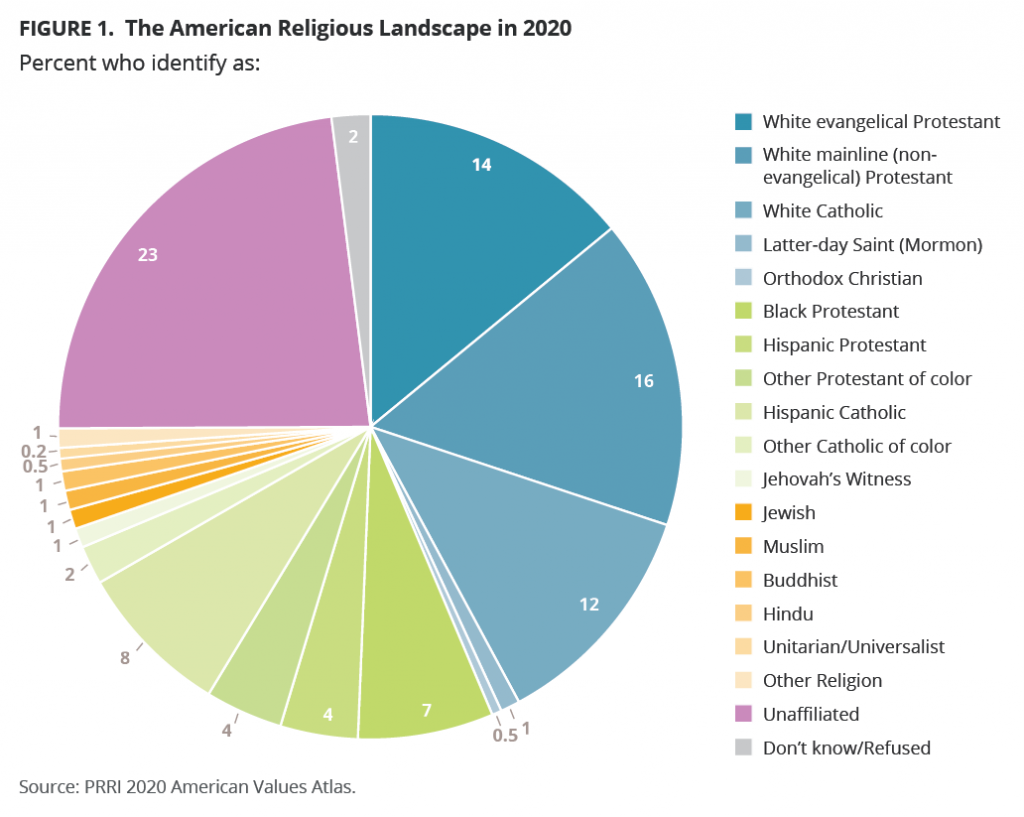
While often perceived as a secular state, Christianity remains the largest religious affiliation in California. However, its expression is far from monolithic. The state is home to a vast array of Christian denominations, from historically significant groups like Roman Catholics and various Protestant branches (including Baptists, Methodists, Lutherans, and Presbyterians) to rapidly growing Pentecostal and evangelical communities.
Catholicism’s Enduring Presence
The Catholic Church has a deep historical root in California, dating back to the Spanish mission era. Today, it boasts millions of adherents across the state, with significant archdioceses in cities like Los Angeles and San Francisco. Its influence is visible in numerous historic missions, schools, and social service organizations that continue to serve communities statewide.
The Protestant Mosaic
Protestant Christianity in California is exceptionally diverse. Beyond the traditional mainline denominations, the state has become a hub for various independent churches, megachurches, and a strong presence of ethnic churches catering to specific immigrant communities, such as Korean-American or African-American congregations. This dynamic allows for a wide range of worship styles, theological interpretations, and community engagement approaches.
The Rise of Non-Denominational and Evangelical Christianity
In recent decades, non-denominational and evangelical churches have seen substantial growth in California. These congregations often emphasize contemporary worship styles, community outreach, and a more direct engagement with social issues, attracting a broad demographic across different ethnic and socioeconomic groups.
Judaism: A Rich History and Vibrant Community
Judaism has a long and significant history in California, with communities established from the Gold Rush era onwards. Today, California has one of the largest Jewish populations in the United States, with vibrant communities in major metropolitan areas and smaller towns alike.
Synagogues and Cultural Centers
From Orthodox to Reform and Conservative Judaism, California offers a diverse range of synagogues and Jewish community centers. These institutions serve not only as places of worship but also as crucial hubs for cultural preservation, education, social justice initiatives, and communal gatherings, fostering a strong sense of identity and belonging for Jewish residents.
Islam: A Growing and Integral Part of the Fabric
The Muslim population in California has grown considerably, driven by immigration from across the globe. This community is incredibly diverse, representing a wide array of ethnicities, national origins, and interpretations of Islamic practice.
Mosques and Islamic Centers
Mosques and Islamic centers are found in virtually every major city and many smaller towns across California. These institutions provide essential spiritual guidance, educational programs, and community services. Many are actively engaged in interfaith dialogue and community outreach, working to foster understanding and break down stereotypes. The diversity within Islam itself is also noteworthy, with Sunni and Shia Muslims, as well as various ethnic interpretations, contributing to the rich tapestry of the faith in the state.
Buddhism: Ancient Traditions in a Modern Setting

Buddhism has a significant presence in California, with roots stretching back to early Asian immigration. The state is home to numerous Buddhist temples and centers representing various traditions, including Theravada, Mahayana (which includes Zen and Pure Land Buddhism), and Tibetan Buddhism.
Cultural Contributions and Mindfulness Movements
Buddhist communities in California have played a crucial role in introducing and popularizing Buddhist philosophy and practices, particularly mindfulness, which has permeated wider Californian culture. Temples often serve as centers for cultural education, language classes, and community support, reflecting the diverse Asian heritage of many adherents.
Hinduism: A Growing Faith Rooted in Tradition
Hinduism is another rapidly growing faith in California, fueled by immigration from India and other South Asian countries. The state’s Hindu population is diverse, encompassing various regional traditions and philosophical schools.
Temples and Cultural Celebrations
California boasts numerous Hindu temples, from large, elaborate structures in suburban areas to smaller, more intimate centers in urban neighborhoods. These temples are not only places of worship but also vibrant cultural hubs where festivals, ceremonies, and educational programs are regularly held, preserving and sharing Hindu traditions with younger generations and the broader community.
Other Faiths and Spiritual Paths
Beyond these major traditions, California is a haven for a multitude of other religious and spiritual paths. This includes:
- Sikhism: With a strong presence, particularly in the Central Valley, Sikh gurdwaras are vital community centers.
- Baha’i Faith: California has a significant Baha’i community, with unique administrative structures and Houses of Worship.
- Zoroastrianism: An ancient religion with a notable presence, especially among the Iranian diaspora.
- Indigenous Religions: While often overlooked, indigenous spiritual practices continue to be maintained by various Native American tribes throughout the state, reflecting a deep connection to the land and ancestral traditions.
- New Religious Movements and Spiritual Seekers: California has historically been a fertile ground for new spiritual movements, alternative faiths, and a general openness to exploring diverse paths to enlightenment and personal growth. This includes a notable interest in various forms of paganism, Wicca, and other earth-centered spiritualities.
The Interplay of Religions: Coexistence and Collaboration
The religious diversity in California is not simply a matter of different groups existing side-by-side; it is a dynamic interplay of coexistence, collaboration, and mutual influence.
Interfaith Initiatives and Dialogue
California is at the forefront of interfaith dialogue and collaboration. Numerous organizations and grassroots initiatives work to bridge divides between different religious communities, fostering mutual understanding, respect, and shared action on common concerns. These efforts range from joint food drives and disaster relief efforts to theological discussions and cultural exchange programs. The shared commitment to addressing social issues, such as poverty, environmental sustainability, and civil rights, often transcends doctrinal differences.
Cultural Influence and Expression
The presence of diverse religious traditions has profoundly shaped California‘s cultural landscape. This is evident in:
- Festivals and Celebrations: Public celebrations of various religious holidays, such as Diwali, Lunar New Year, Hanukkah, Eid al-Fitr, and Christmas, are common and often embraced by the wider community.
- Culinary Traditions: Immigrant communities have brought their unique religious and cultural dietary practices, enriching California‘s renowned food scene. From vegetarian Hindu cuisine to halal meats and kosher foods, these traditions are now widely accessible.
- Art and Architecture: Religious sites, from ornate temples and historic churches to modern mosques and synagogues, contribute significantly to the state’s architectural diversity and artistic heritage.
- Social Services: Religious organizations are major providers of social services, including healthcare, education, and humanitarian aid, serving diverse populations across the state.
Challenges and Opportunities
While California is often lauded for its religious tolerance, challenges do exist. These can include instances of religious discrimination, misunderstandings arising from cultural differences, and the ongoing need to ensure equitable representation and respect for all faith traditions. However, the prevailing ethos of the state, coupled with intentional efforts towards interfaith understanding, creates fertile ground for navigating these challenges and further strengthening the bonds between diverse religious communities.
Conclusion: A Tapestry of Faiths Enriching the Golden State
In conclusion, the religious diversity in California is a defining characteristic of the state, a vibrant tapestry woven from threads of countless faiths and spiritual paths. It is a testament to California‘s history of immigration, its commitment to inclusivity, and its role as a melting pot of global cultures and beliefs. This diversity is not just a demographic fact but an active force shaping the state’s identity, fostering a unique spirit of tolerance, innovation, and communal engagement. For visitors and residents alike, exploring this rich religious landscape offers a profound understanding of what makes California such a distinctive and dynamic place to live, visit, and experience.
LifeOutOfTheBox is a participant in the Amazon Services LLC Associates Program, an affiliate advertising program designed to provide a means for sites to earn advertising fees by advertising and linking to Amazon.com. Amazon, the Amazon logo, AmazonSupply, and the AmazonSupply logo are trademarks of Amazon.com, Inc. or its affiliates. As an Amazon Associate we earn affiliate commissions from qualifying purchases.