
The COVID-19 pandemic presented unprecedented challenges for individuals and businesses alike, and the rental housing sector in Chicago was no exception. As eviction moratoriums were enacted and economic instability surged, many landlords, particularly those operating smaller properties or with limited financial reserves, found themselves in precarious situations. Simultaneously, tenants faced the threat of displacement due to job losses and financial hardship. In response to this dual crisis, various governmental and non-profit organizations stepped in to provide crucial financial relief, with a significant focus on supporting landlords to ensure housing stability for renters. Understanding which organizations offered these grants is vital for appreciating the multi-faceted approach to mitigating the pandemic’s impact on Chicago’s rental market.
Federal and State Relief Programs
The initial wave of financial assistance during the COVID-19 pandemic was largely driven by federal and state initiatives. These programs aimed to provide a broad safety net for various sectors, including rental assistance and direct aid to property owners.
The CARES Act and Beyond
One of the most significant pieces of legislation enacted was the Coronavirus Aid, Relief, and Economic Security (CARES) Act. While the CARES Act primarily focused on direct relief to individuals and businesses, it also allocated substantial funds that were then disbursed through state and local channels for housing-related assistance. These funds were instrumental in establishing and bolstering rental assistance programs across the country.
In Illinois, the state government played a pivotal role in distributing federal funds. The Illinois Department of Commerce and Economic Opportunity (DCEO) was a key administrator of several emergency rental assistance programs. These programs often had provisions to directly support landlords who agreed to waive late fees or refrain from evicting tenants who had applied for assistance. The intention was to create a financial buffer for landlords while ensuring tenants could remain in their homes.
Further federal stimulus packages and appropriations continued to flow, with subsequent legislation building upon the initial relief efforts. These later programs often refined the distribution mechanisms and eligibility criteria, allowing for more targeted support. For landlords in Chicago, this often meant applying through state-administered portals that channeled federal dollars. The exact nature of the grants varied, but they frequently covered back rent, future rent payments, and sometimes even utility costs, directly benefiting landlords by offsetting lost income.
City of Chicago Initiatives
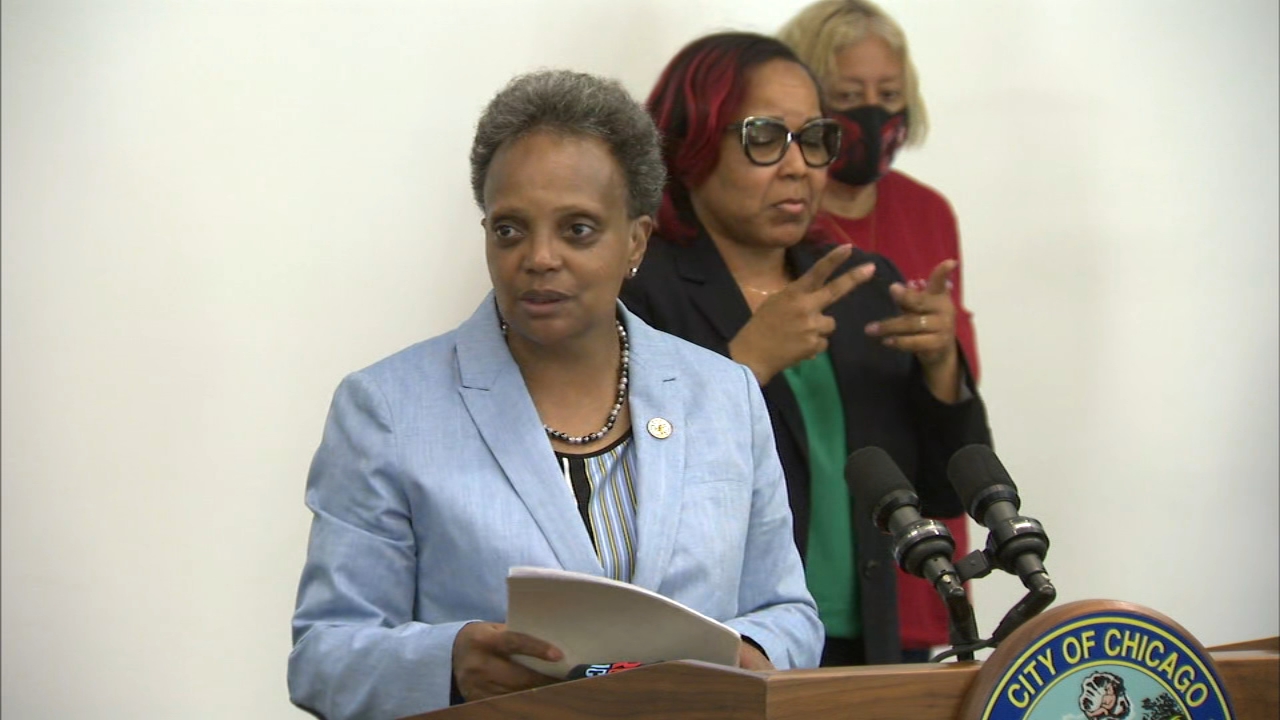
Beyond state and federal efforts, the city of Chicago itself recognized the urgent need for localized intervention. Recognizing the unique pressures faced by its residents and property owners, the city launched its own dedicated programs to address the crisis.

Chicago’s Emergency Rental Assistance Program
The city of Chicago, through its Department of Housing, implemented a series of Emergency Rental Assistance Programs. These programs were specifically designed to provide financial relief to residents impacted by COVID-19 and, critically, often included provisions for direct payments to landlords.
The structure of these city-led grants was multifaceted. They typically aimed to cover up to several months of unpaid rent, helping to alleviate the financial burden on landlords who had not received payments. In return for accepting these funds, landlords were often required to agree to certain conditions, such as forbearing from pursuing evictions for the period covered by the grant and waiving any associated late fees. This mechanism provided a direct financial injection to landlords while simultaneously offering tenants a reprieve from potential eviction.
Eligibility for these programs was often tied to income levels for tenants and the number of units a landlord owned, with a focus on smaller landlords or those with a higher proportion of low-to-moderate-income tenants. The city understood that larger corporate entities might have more robust financial cushions, whereas individual owners or small management companies were often more vulnerable. The application process, while sometimes complex, was designed to be accessible, with resources available to assist both tenants and landlords in navigating the requirements.
Non-Profit and Community Organizations
While governmental programs formed the backbone of rental assistance, numerous non-profit organizations and community groups in Chicago played a crucial role in supplementing these efforts and reaching those who might have fallen through the cracks. These organizations often leveraged their local knowledge and existing relationships to provide targeted support.

Bridging the Gap
Many community development corporations, housing advocacy groups, and local non-profits worked tirelessly to help residents access available rental assistance. Their role often extended beyond simply providing information. They offered direct assistance with applications, case management, and sometimes even provided supplementary grants or loans when official programs had exhausted their funds or had specific eligibility requirements that some individuals could not meet.
For landlords, these organizations sometimes acted as intermediaries, facilitating communication and ensuring that landlords understood the benefits and requirements of assistance programs. In some instances, these non-profits may have managed their own smaller grant programs, funded by private donations or specific philanthropic initiatives, which could directly benefit landlords by covering outstanding rent balances. These community-based efforts were essential in ensuring that the relief reached the most vulnerable segments of the Chicago rental market.
The collaborative effort between federal, state, and local governments, alongside dedicated non-profit organizations, was essential in navigating the economic fallout of the COVID-19 pandemic for Chicago’s rental housing landscape. While the primary mechanisms often involved rental assistance that flowed through to landlords, the ultimate goal was to maintain housing stability for all residents. Understanding the interplay of these different entities provides a comprehensive picture of the support systems that were put in place during a period of profound uncertainty.
LifeOutOfTheBox is a participant in the Amazon Services LLC Associates Program, an affiliate advertising program designed to provide a means for sites to earn advertising fees by advertising and linking to Amazon.com. Amazon, the Amazon logo, AmazonSupply, and the AmazonSupply logo are trademarks of Amazon.com, Inc. or its affiliates. As an Amazon Associate we earn affiliate commissions from qualifying purchases.