
California, a land of diverse landscapes ranging from sun-drenched beaches to snow-capped mountains and bustling metropolises, operates entirely within a single time zone. This makes planning travel across its vast expanse considerably simpler for visitors. The Golden State observes Pacific Time, which shifts between Pacific Standard Time (PST) and Pacific Daylight Time (PDT) throughout the year, in adherence to daylight saving rules. Understanding this distinction and its implications is crucial for any traveler embarking on a California adventure, whether they are arriving from across the globe or just a few states over.
Understanding Pacific Time
Pacific Time is one of the standard time zones used in North America. It is generally observed in the western parts of the United States and Canada, as well as parts of Mexico. For travelers, knowing the precise offset from Coordinated Universal Time (UTC) is key to coordinating schedules effectively.
PST vs. PDT: The Daylight Saving Distinction
The consistent application of Pacific Time across California simplifies internal travel but requires an understanding of its two phases:
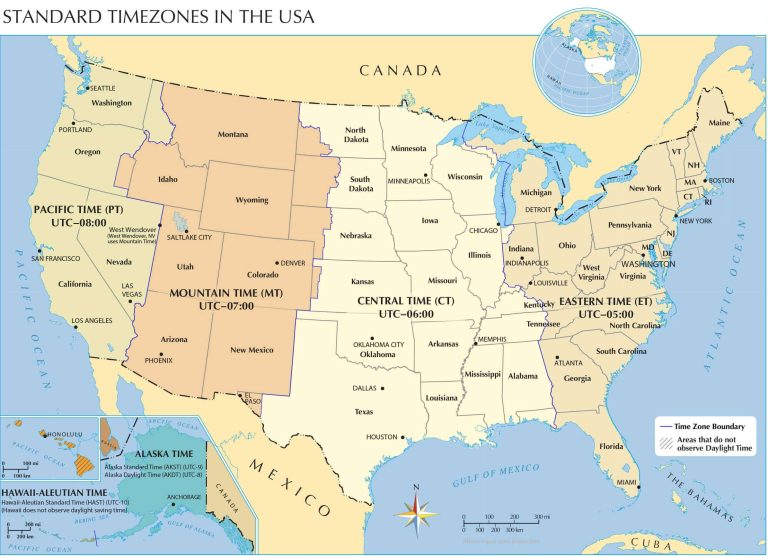
- Pacific Standard Time (PST): This is observed during the fall and winter months. PST is UTC-8, meaning it is eight hours behind Coordinated Universal Time (UTC). During this period, the days are shorter, and the sun sets earlier, aligning with the “standard” time.
- Pacific Daylight Time (PDT): This phase begins in the spring and extends through the summer. PDT is UTC-7, making it seven hours behind Coordinated Universal Time (UTC). The shift to PDT is commonly known as “daylight saving time,” where clocks are moved forward by one hour to make better use of longer daylight hours. This typically occurs on the second Sunday in March and reverts to PST on the first Sunday in November.
For travelers, this annual shift means that flight schedules, tour times, and even dinner reservations will be affected. It’s vital to confirm dates and times based on whether your trip falls within PST or PDT periods, especially when booking several months in advance. Reputable travel platforms and airline booking systems usually account for this automatically, but a quick double-check can prevent missed connections or appointments.
Geographic Extent of Pacific Time
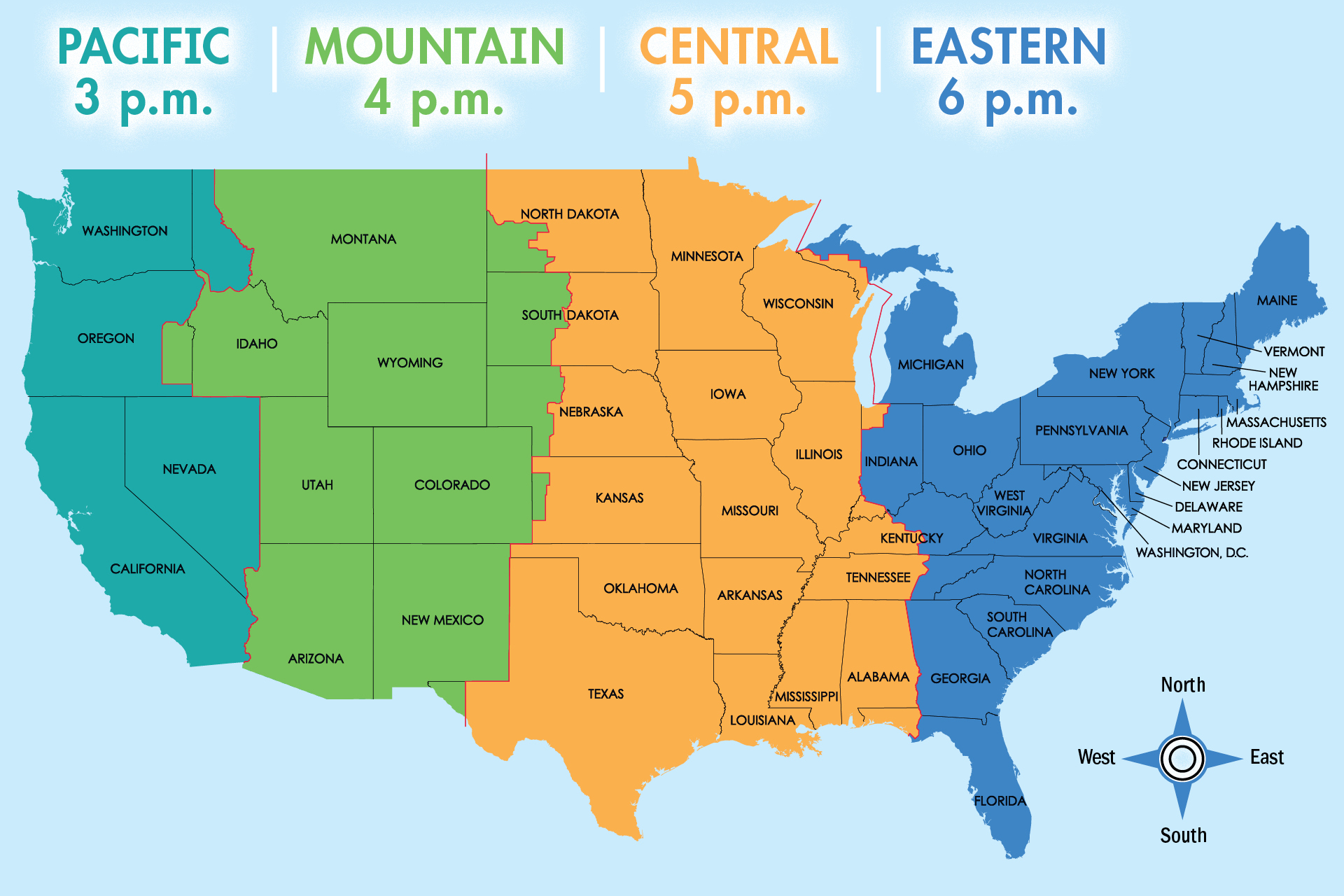
While this article focuses on California, it’s useful for travelers to know that California shares its time zone with several other western states and provinces. In the United States, Oregon, Washington, and Nevada also observe Pacific Time. Parts of Idaho also fall into this zone. This broad geographical alignment can be beneficial for those planning road trips or multi-state itineraries that include California, as it eliminates the need to constantly adjust watches or mentally calculate time differences between neighboring destinations.
Why Time Zones Matter for Travelers to California
Beyond a simple geographical fact, California’s time zone significantly impacts the traveler’s experience, from logistics to personal well-being. A thoughtful approach to time differences can enhance your trip, ensuring smoother transitions and more enjoyable explorations.
Planning Flights and Itineraries
When booking flights to major California hubs like Los Angeles International Airport (LAX), San Francisco International Airport (SFO), or San Diego International Airport (SAN), all arrival and departure times will be quoted in Pacific Time. For international travelers or those arriving from the East Coast of the United States, this can mean a significant time shift. For example, a flight from New York City (Eastern Time, UTC-5/UTC-4) will experience a three-hour time difference upon landing in Los Angeles. An international traveler from London (GMT/BST, UTC+0/UTC+1) will face an eight or seven-hour difference, depending on the season.
Careful itinerary planning should factor in these differences, allowing ample time for airport transfers, hotel check-ins, and rest, especially on arrival day. Scheduling demanding activities immediately after a long flight might not be the most enjoyable approach.
Business and Communication Across Zones
For business travelers or those needing to stay connected with work, family, or friends in other time zones, California’s Pacific Time location necessitates strategic communication. Meetings with New York-based colleagues will require an early start for the California team, while calls to Europe might push well into the California evening. Utilizing tools that display multiple time zones or scheduling apps can be invaluable for maintaining seamless communication and avoiding misinterpretations.
Mitigating Jet Lag

Jet lag is a common companion for travelers crossing multiple time zones. Given California’s position at the western edge of the contiguous United States, many visitors, particularly those from the East Coast or international destinations, will experience this. Symptoms can include fatigue, irritability, difficulty concentrating, and disrupted sleep patterns.
Strategies to minimize jet lag include:
- Adjusting sleep schedules gradually before departure.
- Staying hydrated during flights.
- Exposing yourself to natural light upon arrival to help reset your internal clock.
- Avoiding excessive caffeine and alcohol.
- Trying to adapt to the local time for meals and sleep as quickly as possible.
Understanding the time shift in advance allows travelers to mentally prepare and implement these strategies, making the initial days of their California trip more comfortable and productive.
California’s Unique Appeal and Time Zone Considerations
California’s immense geographical and cultural diversity means there’s always something to see and do, regardless of the time of year or the time on your watch. From the vibrant city life of San Francisco and Los Angeles to the natural wonders of Yosemite National Park and the serene beaches of San Diego, the entire state operates under the same time system.
From San Diego to Redding: A Unified Time Zone
One of the great conveniences for travelers exploring California is that whether you’re visiting the southernmost city of San Diego, driving the scenic Pacific Coast Highway through Big Sur, exploring Silicon Valley in the Bay Area, or venturing to the northern reaches near Redding, you remain in the same time zone. This eliminates the hassle of constant time adjustments during intra-state travel, allowing you to focus on the sights and experiences. You can plan a road trip from Southern California to Northern California without worrying about time changes as you cross county lines or geographical regions.
Seasonal Impact on Travel Planning
The shift between PST and PDT also has a subtle but important impact on travel experiences. During PDT (spring and summer), the extended daylight hours provide more time for outdoor activities, sightseeing, and enjoying California’s famous sunsets. This is particularly appealing for visits to destinations like Disneyland Resort, Universal Studios Hollywood, or extended hikes in Joshua Tree National Park.
Conversely, during PST (fall and winter), shorter daylight hours mean attractions might close earlier, and evening activities will begin sooner. Travelers visiting California during these months, perhaps for skiing in the Sierra Nevada or exploring San Francisco’s museums, should factor in the earlier sunset when planning their daily schedules to maximize their daylight hours.
Practical Tips for Navigating Time Differences
Successfully navigating time differences is a hallmark of an experienced traveler. For a trip to [California](https://lifeoutofthebox.com/california], these practical tips can ensure a smoother and more enjoyable journey.
Before You Depart
- Set your watch to Pacific Time before you even leave home. This mental adjustment can help you start adapting to the new schedule.
- Confirm all bookings (flights, hotels, tours, rental cars) in local California time. Note the UTC offset (UTC-8 for PST, UTC-7 for PDT) if coordinating with others in different time zones.
- Inform contacts of your new time zone to manage expectations for communication.
- Plan your first day with flexibility. Don’t overschedule immediately after a long journey.
Upon Arrival
- Adjust to the local sleep schedule as quickly as possible. Even if you’re tired, try to stay awake until evening and then go to bed at a reasonable hour in Pacific Time.
- Embrace natural light. Spend time outdoors, especially in the morning, to help reset your circadian rhythm. Take a walk along the beach in Santa Monica or explore the urban parks of San Francisco.
- Stay hydrated and eat light, healthy meals. Avoid heavy, rich foods that might exacerbate jet lag symptoms.
- Carry a portable charger for your devices, ensuring your phone and other gadgets stay charged and on the correct time.
While Exploring
- Utilize your smartphone’s world clock feature to easily check the time in different locations if you need to coordinate with people back home or in other regions.
- Confirm operating hours for attractions, restaurants, and transportation, especially when traveling during the transition weeks of daylight saving time. A quick check on their official websites or a phone call can save you a wasted trip.
- Be patient with yourself and your travel companions as everyone adjusts to the new time. Enjoy the moments and flexibility that travel offers.
By understanding that California operates on Pacific Time and considering the seasonal shift between PST and PDT, travelers can effectively plan their itineraries, manage personal well-being, and fully immerse themselves in the diverse and captivating experiences the Golden State has to offer.
LifeOutOfTheBox is a participant in the Amazon Services LLC Associates Program, an affiliate advertising program designed to provide a means for sites to earn advertising fees by advertising and linking to Amazon.com. Amazon, the Amazon logo, AmazonSupply, and the AmazonSupply logo are trademarks of Amazon.com, Inc. or its affiliates. As an Amazon Associate we earn affiliate commissions from qualifying purchases.