
Prop 47: A Landmark in California’s Criminal Justice History
California Proposition 47, often referred to as the “Safe Neighborhoods and Schools Act,” represents a pivotal moment in the state’s approach to criminal justice. Passed by voters in November 2014, this ballot initiative reclassified several non-violent felonies as misdemeanors, aiming to reduce incarceration rates and redirect state savings towards crime prevention, mental health services, and victim support. While not a physical monument, Prop 47 stands as a significant historical landmark in California’s legislative landscape, profoundly altering the trajectory of its correctional system and sparking ongoing debate about its long-term effects. Understanding its authorship involves delving into the intellectual currents, political alliances, and grassroots movements that converged to bring about such a far-reaching reform. This exploration unveils a complex web of advocates, policy experts, and legislative figures who shaped this transformative piece of history.
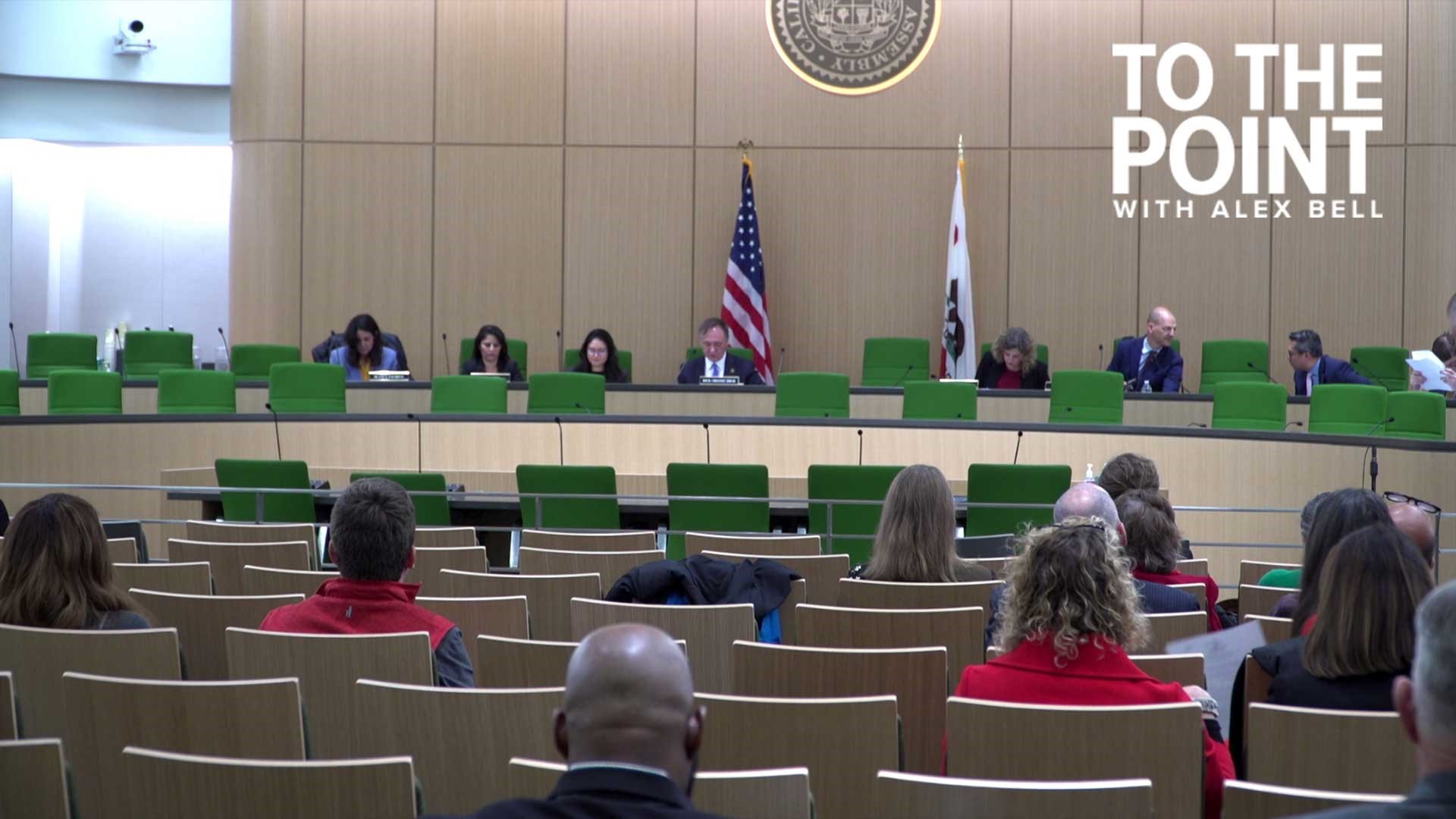
The Intellectual and Political Architects
The authorship of Prop 47 cannot be attributed to a single individual or entity. Instead, it emerged from decades of evolving thought on criminal justice reform, fueled by concerns over mass incarceration, disproportionate sentencing, and the burgeoning costs of the state’s prison system. The proposition was the culmination of various efforts, building upon earlier reforms and drawing strength from a coalition of diverse stakeholders.
Forerunners and Policy Foundations
The groundwork for Prop 47 was laid long before its appearance on the 2014 ballot. For years, legal scholars, civil rights advocates, and policy think tanks had been scrutinizing the effectiveness and fairness of California’s “tough on crime” policies that had escalated during the 1980s and 1990s. Landmark decisions like the U.S. Supreme Court ruling in Brown v. Plata in 2011, which mandated California to reduce its prison population due to overcrowding and inadequate healthcare, served as a stark precursor, highlighting the urgent need for systemic change. This era saw the passage of Proposition 36 in 2012, which reformed the state’s Three Strikes law, signaling a growing public appetite for re-evaluating punitive sentencing.
Organizations like the Public Policy Institute of California and various academic institutions, including researchers from Stanford University, played a crucial role in providing data and analysis that underscored the societal and economic costs of the existing system. Their detailed reports on recidivism, sentencing disparities, and the fiscal strain on state budgets provided the empirical backbone for arguments in favor of reform. These foundational studies created an intellectual climate ripe for legislative action, pointing towards alternative approaches focused on rehabilitation and community-based solutions rather than solely incarceration.
Key Individuals and Organizations
The direct authorship of Prop 47 primarily traces back to a collaborative effort spearheaded by several influential figures and organizations.
One of the most prominent architects was George Gascón, then the District Attorney of San Francisco. George Gascón had a history of advocating for progressive criminal justice policies and brought significant credibility as a former police chief to the reform movement. His office, in conjunction with other reform-minded DAs and legal experts, helped shape the initial legislative language and strategy.
Another key institutional author was the American Civil Liberties Union (ACLU) of California. The American Civil Liberties Union has long been a vocal proponent of civil liberties and criminal justice reform, utilizing its legal expertise and advocacy network to draft, champion, and campaign for ballot initiatives. Their policy teams provided crucial legal frameworks and ensured the proposition adhered to constitutional standards while aiming for maximum impact on incarceration rates.
The organization Californians for Safety and Justice also played an instrumental role. Co-founded by Lenore Anderson, a former prosecutor, this organization emerged as a powerful force in advocating for smart justice reforms. Californians for Safety and Justice was central to building a broad coalition of support, including law enforcement officials, victims’ advocates, faith leaders, and community groups, effectively framing the issue as one of public safety and fiscal responsibility. Their strategic communication and grassroots organizing were vital in garnering widespread public understanding and backing for the initiative.
While not directly listed as “authors” in the drafting sense, then-Governor Jerry Brown also played a crucial, albeit indirect, role. Jerry Brown’s administration had already embarked on a path of prison reform through “realignment” (AB 109) in 2011, shifting responsibility for many non-violent offenders from state prisons to county jails. This policy laid the political and practical groundwork for further reductions in the state prison population, making Prop 47 a logical next step in the broader reform agenda. While the governor’s office did not draft the ballot measure, the political climate fostered by his administration’s commitment to reducing the state’s prison footprint was indispensable to Prop 47’s ultimate success.
Navigating the Legislative Landscape
The journey of Prop 47 from a concept to a state law was a masterclass in direct democracy, demonstrating the power of a well-organized coalition to bypass legislative gridlock and appeal directly to the electorate. The process of authorship extended beyond simply writing the text; it encompassed the strategic planning, fundraising, and public education necessary to secure its passage.
Crafting the Ballot Initiative
The actual drafting of Prop 47 involved a concerted effort by legal experts from the American Civil Liberties Union, attorneys from district attorneys’ offices (notably San Francisco), and policy analysts from Californians for Safety and Justice. These groups meticulously crafted the language to ensure that the reclassification of offenses – such as shoplifting, grand theft, and drug possession for personal use – from felonies to misdemeanors would be clear, implementable, and would generate the intended savings. They also included provisions to earmark the projected savings for specific purposes: K-12 school programs, victim services, and mental health and drug treatment programs, thereby building a broad constituency of beneficiaries.
The process of qualifying a ballot initiative in California is itself a significant historical undertaking, requiring hundreds of thousands of valid signatures from registered voters. The proposition’s authors and their allied organizations managed this arduous task, demonstrating not only their organizational capacity but also their ability to mobilize public interest and support long before the actual election day. This phase of authorship involved not just legal drafting but also extensive public outreach to gather the necessary signatures, transforming the intellectual concept into a tangible political instrument.
Securing Public Support and Passage
The campaign for Prop 47 was a sophisticated operation, drawing on the collective experience of its authors and supporters. The strategy revolved around emphasizing public safety, fiscal responsibility, and fairness. Proponents argued that the existing system was inefficient, costly, and did not enhance public safety. By focusing on non-violent offenses, they aimed to reassure voters that dangerous criminals would not be released, while simultaneously highlighting the benefits of reinvesting savings into communities.
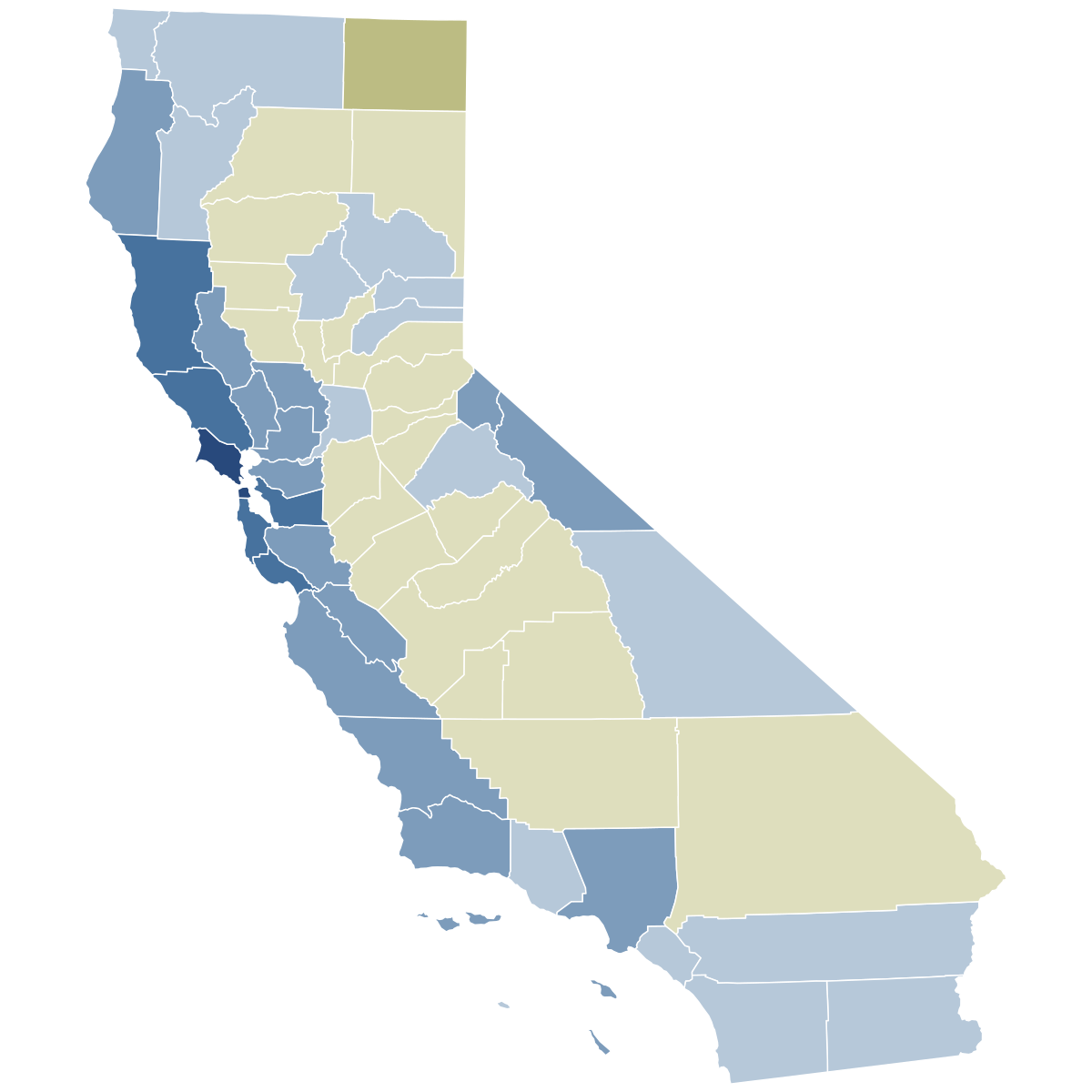
The campaign benefited from significant financial backing and endorsements from a wide array of newspapers, civil rights groups, law enforcement officials, and public health advocates. These endorsements were crucial in framing Prop 47 as a mainstream, common-sense reform rather than a radical measure. The educational efforts during the campaign period were a crucial extension of the “authorship,” as they interpreted the complex legal language for the general public, linking the abstract policy to tangible benefits for communities across California. On November 4, 2014, voters approved Prop 47 by a margin of 59.6% to 40.4%, cementing its place as a historical landmark in the state’s criminal justice journey.

A Historical Review of Its Stated Intent and Enduring Legacy
The stated intent behind Prop 47, as articulated by its authors and proponents, was multifaceted. Primarily, it aimed to reduce the prison population in California, thereby alleviating overcrowding and cutting correctional costs. A critical aspect was the redirection of these savings to enhance public safety by funding crime prevention, mental health treatment, and drug rehabilitation programs. The authors believed that by treating addiction and mental illness, and by investing in education, they could break cycles of incarceration and create safer, healthier communities.
From a historical perspective, Prop 47 represents a dramatic philosophical shift from the punitive policies that dominated California for decades. It embodied a progressive vision that prioritized rehabilitation and community well-being over solely punishment. The proposition marked a commitment to evidence-based approaches in criminal justice, challenging the long-held notion that longer sentences for all offenses necessarily equated to greater public safety.
The legacy of Prop 47, nearly a decade after its passage, remains a subject of considerable historical study and contemporary debate. Its proponents point to significant reductions in the state prison population, substantial savings, and increased funding for mandated programs as evidence of its success. Conversely, critics, often including law enforcement agencies, have historically raised concerns about potential links to increases in certain property crimes, though definitive causal links are complex and hotly debated within policy circles. Regardless of these ongoing discussions, the historical fact remains: Prop 47 was a monumental legislative achievement, collectively authored by a dedicated network of legal professionals, advocates, and policy strategists, that irrevocably altered the course of criminal justice in the state of California. Its historical narrative is one of a deliberate and strategic effort to reform a system facing severe challenges, leaving behind a lasting imprint on the state’s approach to crime and punishment.
LifeOutOfTheBox is a participant in the Amazon Services LLC Associates Program, an affiliate advertising program designed to provide a means for sites to earn advertising fees by advertising and linking to Amazon.com. Amazon, the Amazon logo, AmazonSupply, and the AmazonSupply logo are trademarks of Amazon.com, Inc. or its affiliates. As an Amazon Associate we earn affiliate commissions from qualifying purchases.