
The history of Hawaii is often shrouded in myths that equate its path to statehood with the territorial acquisitions of the United States in the 19th century. Many travelers visiting the islands for the first time find themselves asking: who did America buy Hawaii from? The answer, however, is far more complex than a simple real estate transaction. Unlike the Louisiana Purchase from France or the acquisition of Alaska from Russia, there was no bill of sale for the Hawaiian Islands. Instead, the story is one of sovereign transition, political upheaval, and landmarks that still stand as silent witnesses to the end of a monarchy and the birth of an American territory.
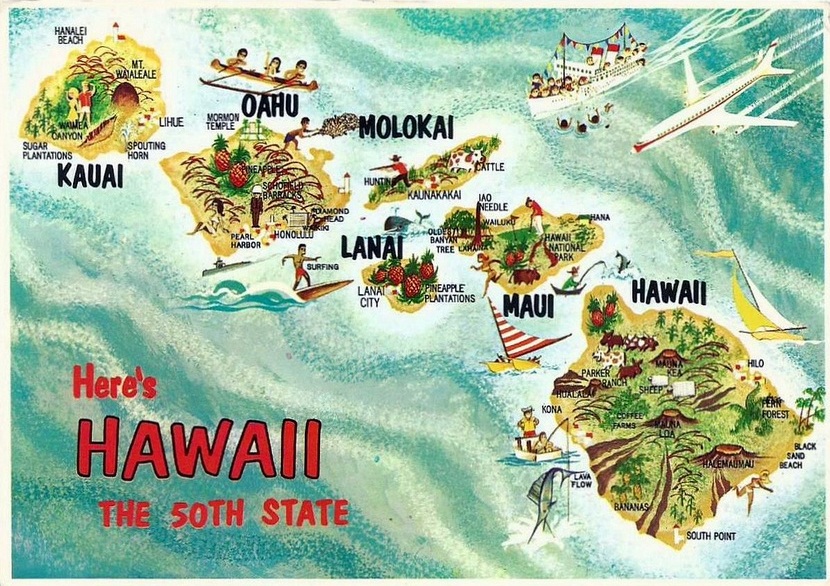
A Tale of Two Nations: The Kingdom of Hawaii and the United States
To understand the relationship between the United States and Hawaii, one must first look at the Hawaiian Kingdom. Established by King Kamehameha I in 1810, the kingdom was a recognized sovereign power with diplomatic relations across the globe. By the mid-1800s, the kingdom had its own consulates in London, Paris, and Washington DC. This was not a primitive wilderness, but a sophisticated constitutional monarchy.
Iolani Palace: The Seat of Royal Power
Located in the heart of downtown Honolulu on the island of Oahu, Iolani Palace serves as the primary landmark for anyone wishing to understand the political weight of the era. Completed in 1882 by King Kalakaua, it was a symbol of Hawaii’s modernity and prestige. The palace featured electricity and telephone lines before the White House in Washington DC.
For the traveler, Iolani Palace is not just a beautiful example of “American Florentine” architecture; it is a historical bookend. It was here that the Hawaiian Kingdom functioned at its peak, and it was also here that the kingdom met its official end. Walking through its grand halls, visitors can see the throne room where the monarchs hosted foreign dignitaries, reinforcing the fact that this was a nation that the United States dealt with as an equal for many decades.
Aliiolani Hale and the Judicial Heart of Honolulu
Just across the street from the palace stands Aliiolani Hale. While today it is famous among tourists as the headquarters of the fictional police task force in “Hawaii Five-0,” its real-world history is much more significant. Originally designed as a palace but repurposed as the seat of the government’s judicial branch, Aliiolani Hale was the site where the “Committee of Safety,” backed by United States Marine Corps troops, declared the end of the monarchy in 1893. The landmark, with its iconic statue of King Kamehameha I in the front, stands as a reminder that the transition of power was a legal and military maneuver, not a financial one.
The Myth of Purchase and the Reality of Annexation
The misconception that America “bought” Hawaii likely stems from the era of American expansionism, where land was frequently purchased from European powers. However, the path Hawaii took was one of annexation. In 1893, a group of sugar plantation owners and businessmen, many of whom were American or of American descent, orchestrated an overthrow of the monarchy.
The Overthrow of Queen Liliuokalani
The central figure in this transition was Queen Liliuokalani. She was a staunch advocate for Hawaiian sovereignty and sought to introduce a new constitution that would restore power to the monarchy and the native people. Her efforts were met with resistance by the “Committee of Safety,” which feared the loss of their economic influence.
In January 1893, with the support of John L Stevens, the U.S. Minister to Hawaii, the USS Boston landed troops in Honolulu. Faced with the threat of violence and hoping to avoid bloodshed, Queen Liliuokalani surrendered her authority under protest, famously stating that she yielded to the superior force of the United States until such time as the government should undo the actions of its representatives.
The Newlands Resolution
Following the overthrow, a provisional government was established, which later became the Republic of Hawaii. This government sought annexation by the United States. While President Grover Cleveland initially opposed the move, his successor, President William McKinley, favored it.
In 1898, during the Spanish American War, the strategic value of the islands in the Pacific Ocean became undeniable. Congress passed the Newlands Resolution, a joint resolution that officially annexed the islands. No money was paid to another nation to “buy” the land. Instead, the United States assumed the debts of the Republic of Hawaii and took control of the public lands, a move that remains a point of legal and cultural contention today.
Living History: Landmarks that Tell the Story of Transition

For travelers interested in the history of the United States, Hawaii offers a unique landscape of landmarks that trace this transition from a kingdom to a territory and eventually the 50th state.
Washington Place: A Witness to History
Washington Place is an elegant Greek Revival mansion in Honolulu that served as the private residence of Queen Liliuokalani for many years. It was here that she was arrested following a failed 1895 counter-revolution by royalist supporters. The house later became the official residence of the Governor of Hawaii. Visiting this site offers a more personal perspective on the overthrow, showcasing the domestic life of the monarch who watched her nation’s status change from her own front porch.
Pearl Harbor and Strategic Interests
The acquisition of Hawaii cannot be discussed without mentioning Pearl Harbor. Long before annexation, the United States recognized the importance of this natural harbor. The Reciprocity Treaty of 1875 allowed for the duty-free export of Hawaiian sugar to the United States in exchange for land at the entrance of what would become the Pearl Harbor Naval Base.
Today, the USS Arizona Memorial and the surrounding historical sites at Pearl Harbor attract millions of visitors. While primarily associated with World War II, the harbor’s history is inextricably linked to why America wanted Hawaii in the first place: power and projection in the Pacific Ocean.
Nuuanu Pali Lookout: A Site of Ancient Unification
To understand what was lost or changed during the annexation, one must visit the Nuuanu Pali Lookout. This breathtaking cliffside is where King Kamehameha I won a decisive battle in 1795 to unite the island of Oahu under his rule. It represents the beginning of the sovereign kingdom that existed for nearly a century before American intervention. The fierce winds and sweeping views of the Windward Coast provide a visceral connection to the islands’ pre-colonial power.
Cultural Landscapes and the Legacy of Statehood
As Hawaii moved through the 20th century, the landmarks shifted from royal palaces to military fortifications and cultural centers. The transition from a territory to a state in 1959 brought about a new era of architecture and land use.
Diamond Head and the Military Footprint
Diamond Head, or Leahi, is perhaps the most famous landmark in Hawaii. While most tourists hike to its summit for the views of Waikiki, the crater itself is a testament to Hawaii’s role as an American military outpost. Fort Ruger, the first United States military reservation in Hawaii, was established there shortly after annexation. The tunnels and bunkers built into the crater walls are permanent fixtures of the American presence that followed the end of the monarchy.
Mauna Kea and the Sovereignty Movement
The history of how Hawaii became part of America is not just a story of the past; it is a living dialogue. Mauna Kea on the Big Island of Hawaii is a primary example of this. As a sacred mountain in Hawaiian Culture and a premier site for global astronomy, it has become a modern landmark for the sovereignty movement. The debate over land use on the mountain often returns to the legalities of the 1898 annexation and the status of “ceded lands”—lands that once belonged to the kingdom and were transferred to the United States.
Bernice Pauahi Bishop Museum: Preserving the Kingdom
For a comprehensive look at the artifacts of the kingdom, the Bernice Pauahi Bishop Museum in Honolulu is essential. Founded in memory of Princess Bernice Pauahi Bishop, the last direct descendant of the Kamehameha Dynasty, the museum houses the royal regalia and historical documents that prove Hawaii was a fully functioning nation. It provides the necessary context to debunk the idea that the islands were a simple purchase.

Preserving the Past for the Future of Hawaii
Visiting Hawaii offers more than just a tropical getaway; it provides a profound lesson in American and Pacific history. The question of “who did America buy Hawaii from” serves as a gateway to exploring the rich, often difficult, narrative of the islands. By engaging with landmarks like Iolani Palace, Washington Place, and Pearl Harbor, visitors gain a deeper appreciation for the unique status of Hawaii within the United States.
The landmarks of Hawaii stand as a testament to a kingdom that was never sold, but rather absorbed through a series of political maneuvers that changed the course of history. From the bustling streets of Honolulu to the quiet, sacred heights of the mountains, the story of Hawaii is etched into the land itself, waiting to be discovered by those who look beyond the beaches to the history that built the 50th state. Whether you are walking through the volcanic landscape of Hawaii Volcanoes National Park or paying respects at the National Memorial Cemetery of the Pacific at Punchbowl Crater, the layers of the past remain visible, reminding us that Hawaii was a nation of its own long before it became a part of the American story.
LifeOutOfTheBox is a participant in the Amazon Services LLC Associates Program, an affiliate advertising program designed to provide a means for sites to earn advertising fees by advertising and linking to Amazon.com. Amazon, the Amazon logo, AmazonSupply, and the AmazonSupply logo are trademarks of Amazon.com, Inc. or its affiliates. As an Amazon Associate we earn affiliate commissions from qualifying purchases.