
The Boston Marathon Bombing on April 15, 2013, stands as a somber chapter in the modern history of Boston and indeed, the United States. What began as a day of athletic achievement and community celebration, known as Marathon Monday, transformed into a scene of unimaginable tragedy and heroism. This event, forever etched into the city’s collective memory, created a new kind of landmark—a place of remembrance, resilience, and profound historical significance. Understanding who died on that day, and in its immediate aftermath, is crucial to grasping the full weight of the event and the enduring spirit of “Boston Strong.”
A Day That Changed A City: The 2013 Boston Marathon
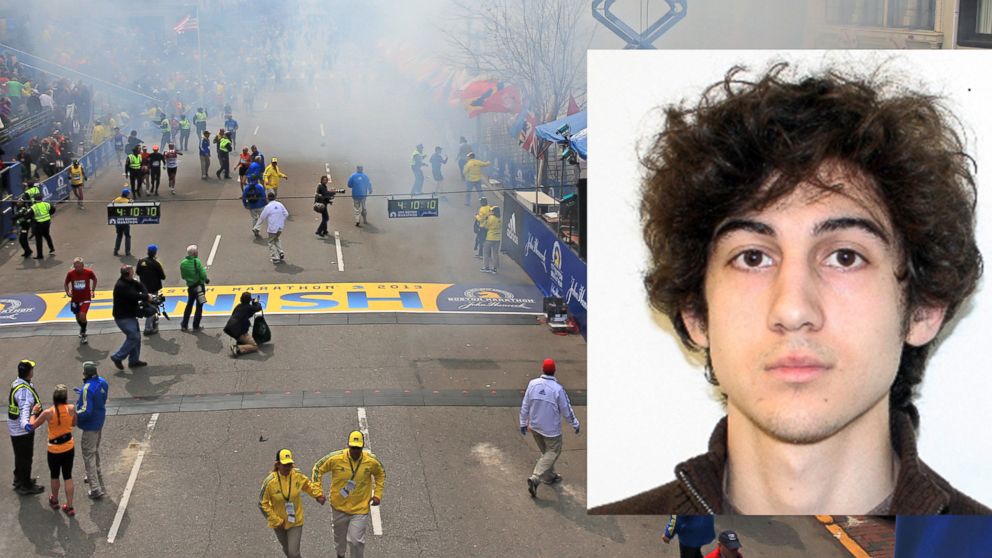
The Boston Marathon is one of the world’s most prestigious and historic foot races, drawing tens of thousands of runners and hundreds of thousands of spectators annually to its 26.2-mile course. The finish line on Boylston Street in Boston’s Back Bay is typically a cacophony of cheers, jubilation, and exhaustion as runners complete their arduous journey. On April 15, 2013, the atmosphere was no different—until 2:49 PM. Two homemade pressure-cooker bombs detonated just seconds apart near the finish line, shattering the festive mood and plunging the city into chaos. The attacks were a deliberate act of terror that targeted not just the marathon, but the very essence of public gathering and communal celebration. In the immediate aftermath, the focus shifted from athletic triumph to emergency response, rescue, and a desperate search for answers. The sites of the explosions, once mere points on a race course, were instantly transformed into historical landmarks of tragedy, remembrance, and resolve.
The Lives Lost: A Human Cost
The bombings resulted in the immediate deaths of three individuals at the scene and hundreds of injuries, many catastrophic. Days later, an MIT police officer was killed during the manhunt for the perpetrators. Each life lost represented a unique story, dreams unfulfilled, and a profound void left in their communities. Their names and stories have become central to the historical narrative of the Boston Marathon Bombing, serving as a permanent reminder of the human toll.
Krystle Campbell: A Spirit of Joy
Krystle Campbell, a 29-year-old restaurant manager from Arlington, Massachusetts, was at the finish line with a friend, cheering on her boyfriend who was running the marathon. Described by family and friends as vibrant, adventurous, and full of life, Krystle had an infectious smile and a generous spirit. She was known for her kindness and dedication to those she loved. Her sudden and tragic death sent shockwaves through her family and community, who remember her as a bright light extinguished far too soon. Krystle’s presence at the finish line was simply to support someone she cared about, an everyday act of love that was cruelly interrupted.
Lingzi Lu: An International Dreamer
Lingzi Lu, a 23-year-old graduate student from Shenyang, China, was studying mathematics and statistics at Boston University. She was at the finish line with friends, experiencing the vibrant atmosphere of the marathon as part of her American adventure. Lingzi was an enthusiastic and ambitious student, cherished by her professors and peers for her intelligence, warmth, and engaging personality. Her dreams of a future career in data analytics were tragically cut short. Her death highlighted the international impact of the attack, reminding the world that the victims came from diverse backgrounds, all drawn to Boston for unique aspirations.
Martin Richard: A Message of Peace
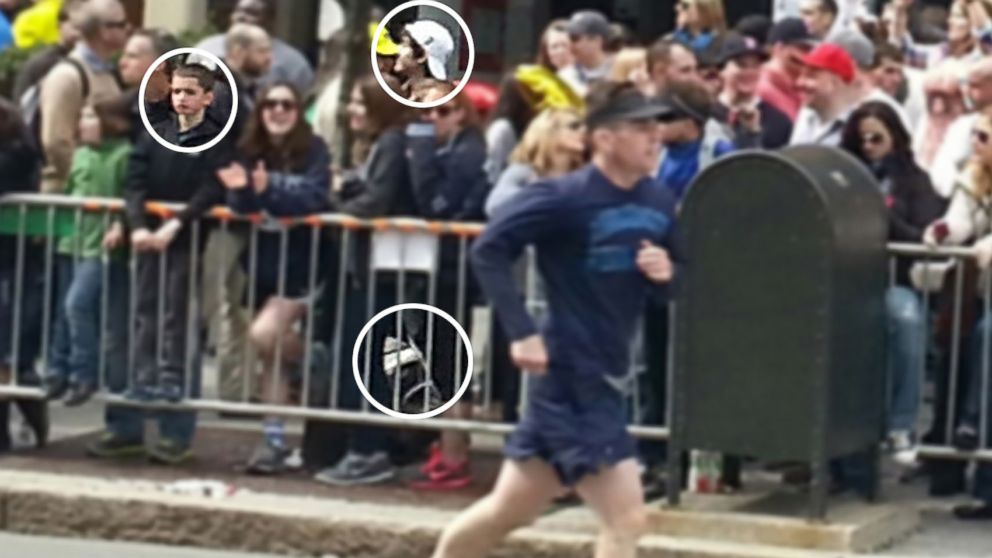
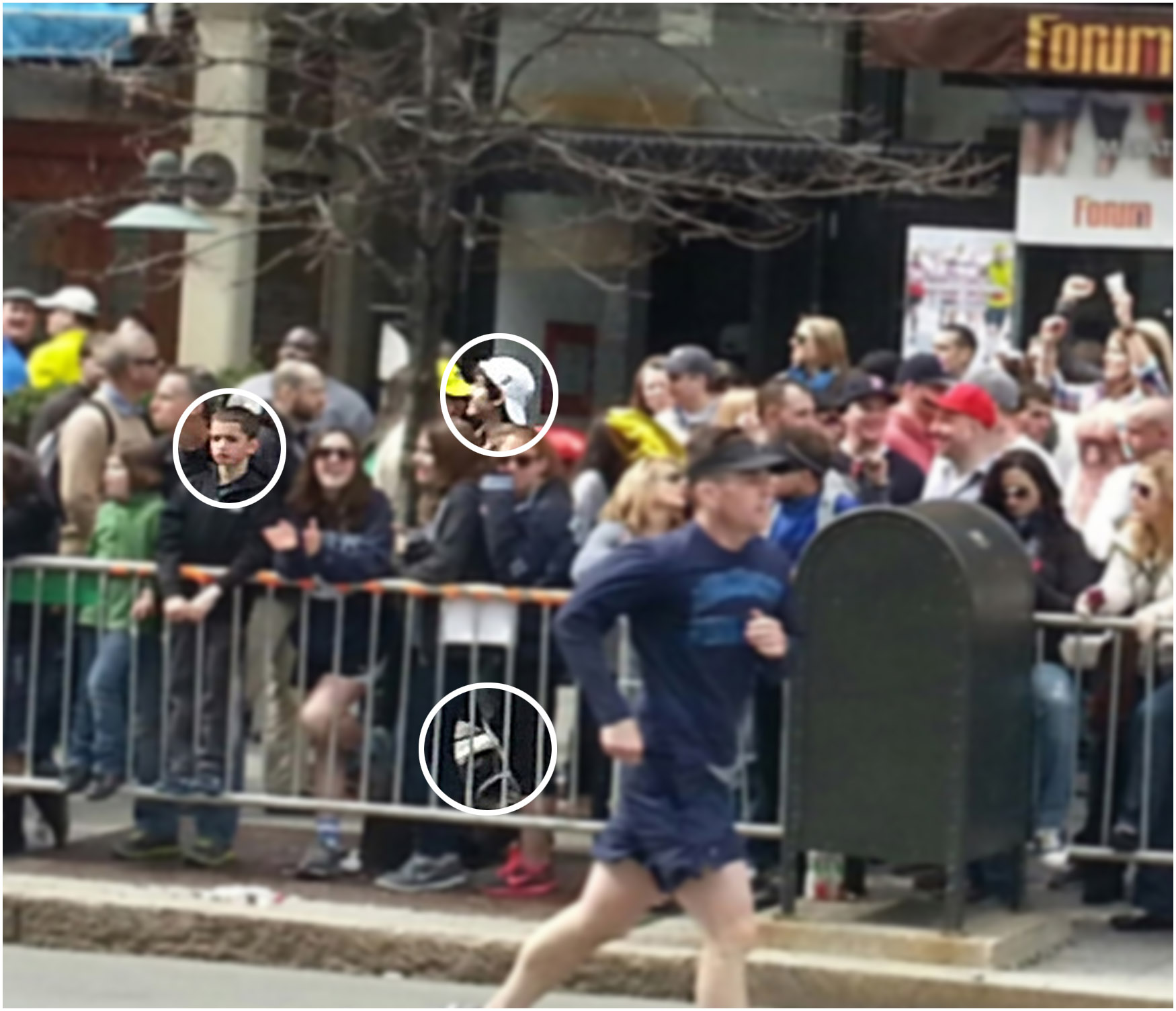
Martin Richard, an 8-year-old boy from Dorchester, Massachusetts, was at the marathon with his family to watch his father cross the finish line. A lively and bright third-grader, Martin was known for his love of sports and his compassionate nature. A photograph of Martin holding a sign that read “No More Hurting People. Peace” became an iconic image in the aftermath of the bombings, symbolizing the innocence lost and the hope for a more peaceful future. His death, alongside severe injuries to his mother and sister, underscored the indiscriminate cruelty of the attack and deeply impacted the national psyche. Martin’s image and message continue to inspire acts of kindness and peace.
Sean Collier: A Defender’s Sacrifice
Sean Collier, a 27-year-old police officer with the Massachusetts Institute of Technology (MIT) Police Department, was tragically ambushed and killed by the bombers three days after the initial attack, during the intense manhunt that gripped the Boston area. Officer Collier was a dedicated officer, known for his commitment to public service and his warm interactions with students and colleagues on the MIT campus. His death in the line of duty, as he sought to protect the community from further harm, added another layer of tragedy to the events, highlighting the dangers faced by first responders. His sacrifice is honored as a testament to courage and duty.
The Wounds That Endured: Beyond the Fatalities
While the four individuals named above represent the ultimate loss, the Boston Marathon Bombing left an indelible mark on hundreds more. Over 260 people were injured, many sustaining life-altering wounds, including traumatic amputations, shrapnel injuries, and severe burns. The medical response to the crisis was heroic, with hospitals across Boston working tirelessly to save lives and provide care. Beyond the physical injuries, countless individuals suffered profound psychological trauma, impacting survivors, first responders, and witnesses for years to come. The collective grief and shock permeated the city, transforming its spirit from one of carefree celebration to determined resilience. The survivors and their ongoing journeys of recovery are a living testament to the attack’s enduring impact, forming another crucial aspect of this historical landmark.
Remembering and Rebuilding: The Boston Marathon Memorial as a Landmark
In the years following the bombings, Boston embarked on a journey of remembrance and healing, culminating in the creation of permanent memorials that serve as solemn historical landmarks. These sites not only honor those who died but also acknowledge the enduring spirit of the survivors and the community’s collective resilience.
The Permanent Memorials on Boylston Street
Dedicated on August 15, 2019, the official Boston Marathon Memorial consists of two distinct sites located near the places where the bombs detonated on Boylston Street. Designed by artist Pablo Eduardo, these bronze and stone installations are thoughtfully integrated into the urban landscape. The memorials feature bronze spires that rise from stone bases, each symbolizing a life lost, surrounded by reflective paving and flowering trees. The names of the victims are inscribed, ensuring their memory is perpetually honored. These quiet, contemplative spaces provide a focal point for reflection, a place where visitors can pay their respects, and a tangible historical marker of the tragedy and the city’s resolve. They serve as a constant reminder of what happened, allowing for an ongoing dialogue with history and memory.
The Enduring Legacy of Resilience
Beyond the physical structures, the enduring legacy of “Boston Strong” is a cultural landmark in itself. It represents the immediate outpouring of support, the courage of everyday citizens, and the city’s unified response to adversity. This spirit is visible annually during the Boston Marathon, where moments of silence, tributes to victims, and a renewed sense of purpose define the event. The integration of security measures, the increased community engagement, and the global attention on the race all contribute to its status as a historical event with a continually evolving narrative. The Boylston Street memorials, the Martin Richard Foundation’s work, and the countless acts of kindness inspired by the tragedy all form part of this powerful, living landmark of human spirit.
Visiting the Sites of Remembrance
For those visiting Boston and seeking to understand this pivotal moment in its history, visiting the memorial sites on Boylston Street offers a profound experience. Located amidst the bustling shops and restaurants, these memorials provide a quiet space for contemplation. Visitors are encouraged to approach these sites with respect, reflecting on the lives lost, the bravery of survivors, and the resilience of a city that transformed tragedy into a testament to unity. Additionally, Copley Square, nearby, served as a gathering point for makeshift memorials in the days following the attack and continues to be a central part of marathon events. While the physical landmarks mark the specific sites of loss, the entire city, particularly along the final stretch of the Boston Marathon course, serves as a poignant historical landscape where the echoes of that fateful day remain, intertwined with stories of courage, community, and the unyielding pursuit of peace. The MIT campus in Cambridge also has a memorial to Officer Sean Collier, a five-pillar stone structure symbolizing his outstretched hand, providing another place for remembrance and historical reflection. The search for the bombers led to a dramatic and historic lockdown of Watertown, turning that town into a temporary historical flashpoint as well. These interconnected sites collectively form a powerful and enduring historical landmark, inviting reflection on the human spirit in the face of immense adversity.
LifeOutOfTheBox is a participant in the Amazon Services LLC Associates Program, an affiliate advertising program designed to provide a means for sites to earn advertising fees by advertising and linking to Amazon.com. Amazon, the Amazon logo, AmazonSupply, and the AmazonSupply logo are trademarks of Amazon.com, Inc. or its affiliates. As an Amazon Associate we earn affiliate commissions from qualifying purchases.