
Embarking on a journey to California, the Golden State, requires careful consideration of several factors that dramatically influence travel time. From bustling urban centers like Los Angeles and San Francisco to the serene beauty of its national parks, the time it takes to reach your specific California destination can vary immensely based on your starting point, chosen mode of transportation, and the pace at which you prefer to travel. Understanding these variables is key to planning an efficient and enjoyable trip.
The Geography of Your Journey: Starting Points and Destination Within California
The sheer size of the United States means that a cross-country trip to California will naturally take longer than a regional hop. Your departure city’s location relative to California is the primary determinant of initial travel duration.
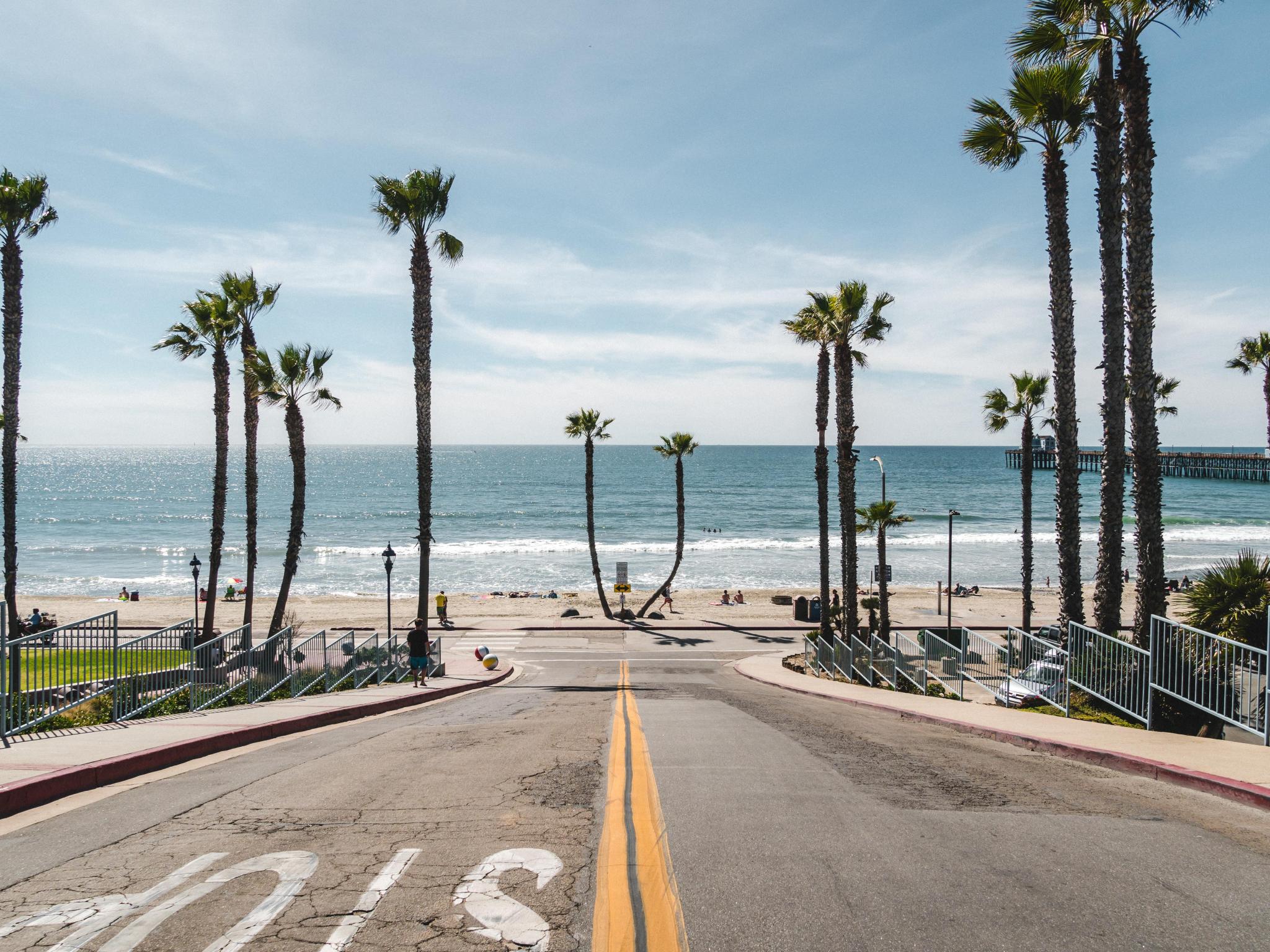
Domestic Travel: Coast-to-Coast vs. Neighboring States
For travelers originating from the East Coast, such as New York City or Miami, reaching California involves traversing the entire continental United States. This typically translates to longer flights, multiple days of driving, or several days by train. Cities in the Midwest, like Chicago or Denver, will see reduced travel times compared to the East Coast.
Conversely, if you’re traveling from a neighboring state, the journey is significantly shorter. A drive from Las Vegas to Los Angeles, for instance, can be completed in a few hours, while a flight from Seattle or Portland to a major California city is often less than two hours.
Specifics of Your California Destination
California itself is a vast state, stretching approximately 800 miles from north to south. Reaching San Diego in the south will differ in travel time from reaching Redding in Northern California or Sacramento further inland. If your ultimate goal is Yosemite National Park or the rugged coastline of Big Sur, you’ll need to factor in additional time for ground travel from the nearest major airport or interstate exit. When planning, always pinpoint your exact destination within the state to accurately estimate travel duration.
By Air: The Swiftest Passage to the Golden State
For sheer speed, air travel is unequivocally the fastest method to reach California, especially for long distances.
Domestic Flights
A direct flight from New York City (e.g., from John F. Kennedy International Airport) to Los Angeles International Airport or San Francisco International Airport typically ranges from 5 to 6 hours. This is the “flight time” in the air. However, the total travel experience is longer.
Factor in:
- Pre-flight time: Arriving 2-3 hours before departure for check-in, security, and boarding.
- Taxiing and take-off/landing: An additional 30-60 minutes on each end.
- Post-flight time: Deplaning, baggage claim, and ground transportation from the airport, which can add another 1-2 hours.
Thus, a 5.5-hour flight can easily translate into an 8-10 hour travel day from door to door. Flights from closer hubs like Denver can be as short as 2-3 hours in the air, resulting in a 5-6 hour total travel experience.
International Flights
When traveling from outside the United States, the journey to California naturally extends significantly.
- From Europe (e.g., London): Direct flights to Los Angeles or San Francisco typically take 10-11 hours. Including all airport procedures, customs, and immigration upon arrival, this often means a full 14-16 hour travel day.
- From Asia (e.g., Tokyo): Flights usually span 9-10 hours, also resulting in a similar 13-15 hour total travel time with ground logistics.
- From Oceania (e.g., Sydney): These are some of the longest direct flights, often lasting 13-15 hours in the air, pushing total travel time well beyond 18 hours, crossing multiple time zones and the International Date Line.
For international travelers, layovers can add substantial time. A flight from a less connected city might involve an additional 3-5 hours for a connecting flight, plus waiting time in between, easily stretching the journey to 20-30 hours or more.
By Road: The Classic American Road Trip
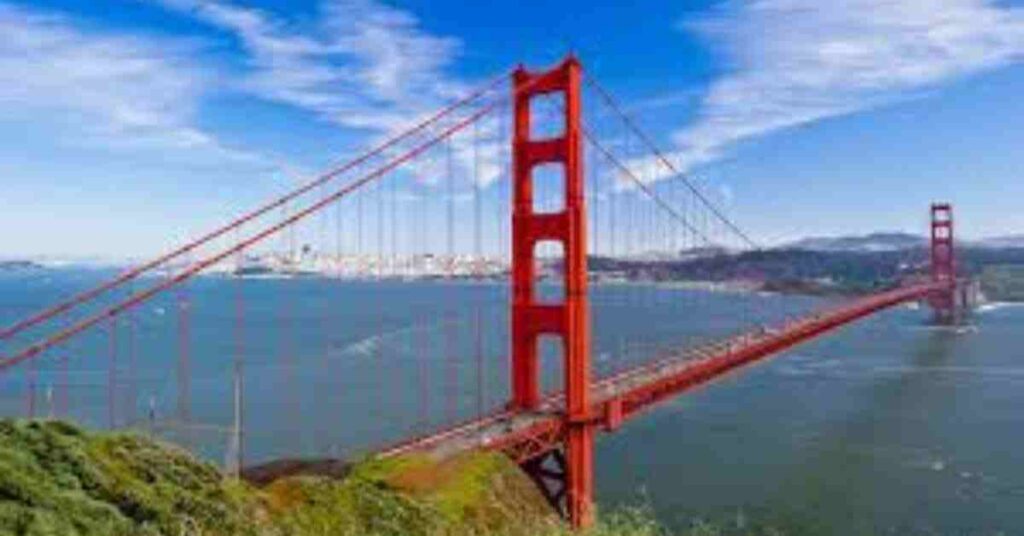
Driving offers unparalleled flexibility and the chance to experience the diverse landscapes of the United States. However, it is also the slowest mode of transportation for long distances, requiring multiple days.
Cross-Country Drives
- East Coast to California: A drive from New York City to Los Angeles covers approximately 2,800-3,000 miles, depending on the route (e.g., following Interstate 80 through the northern states or a more southern route). If you average 8-10 hours of driving per day, covering 500-600 miles, this journey will take 5 to 6 days of continuous travel. This estimate does not account for significant sightseeing stops or unforeseen delays. Many travelers budget a full week or even two to truly enjoy the experience and visit landmarks like the Grand Canyon or other national parks en route.
- Midwest to California: From a central point like Chicago, the drive to California is roughly 2,000 miles. This journey would typically require 3 to 4 days of focused driving.
- Southern States to California: From Miami, a drive across the southern tier of the United States (around 2,700 miles) would also take 5 to 6 days.
Regional Drives
If you’re starting from a state bordering California, such as Nevada or Arizona, the drive is considerably shorter.
- Las Vegas to Los Angeles: Approximately 4-5 hours (about 270 miles).
- Phoenix to San Diego: Around 5-6 hours (about 350 miles).
These shorter drives are often incorporated into longer travel itineraries, providing a seamless way to transition between nearby attractions. When planning a driving trip, remember to account for fuel stops, meal breaks, and overnight stays, which are essential for safety and enjoyment. Factors like traffic, especially around major metropolitan areas like Los Angeles or San Francisco, can add significant delays.
By Rail: A Scenic, Yet Slower Voyage
Train travel with Amtrak offers a unique perspective on the American landscape, often heralded for its comfort and scenic routes. However, it is generally slower than driving and significantly slower than flying.
Major Amtrak Routes to California
Amtrak operates several long-distance routes that terminate or pass through California:
- The California Zephyr: This iconic route runs from Chicago to Emeryville (near San Francisco). The full journey takes approximately 51-52 hours, or just over two full days and two nights. This route is renowned for its passage through the Rocky Mountains and the Sierra Nevada.
- The Southwest Chief: Connecting Chicago to Los Angeles via the historic Route 66 corridor, this trip typically takes around 43 hours, or roughly a day and three-quarters.
- The Sunset Limited: Running from New Orleans to Los Angeles, this southern route takes approximately 48 hours, making it a two-day journey.
- The Coast Starlight: While it doesn’t cross the country, it’s a popular route for those traveling along the West Coast. From Seattle to Los Angeles, this scenic journey along the Pacific Ocean takes approximately 35 hours.
Train travel provides a relaxing experience, allowing passengers to enjoy meals in dining cars, sleep in private compartments, and observe the changing landscapes without the stress of driving or airport procedures. However, train schedules can sometimes experience delays, so it’s wise to build in some buffer time if you have strict subsequent plans.
Strategic Planning for an Optimal California Journey
The “how long” question is deeply intertwined with the “how” and “why.” Tailoring your travel plan to your priorities will ensure the duration of your journey aligns with your expectations.
Considering Budget and Time Constraints
If time is of the essence, flying is generally the best option, despite being potentially more expensive depending on booking lead times. If budget is a primary concern, driving can be more economical for groups or families, especially if gas prices are favorable and vehicle maintenance is up to date. However, the cost of gas, food, and lodging over multiple days can quickly add up. Train travel often sits in a middle ground, offering a balance of cost and a unique experience.
Peak vs. Off-Peak Travel
Travel times can be significantly impacted by the season and day of the week.
- Flights: Peak seasons (summer, holidays) often mean fuller flights, longer security lines, and potential for delays, adding to overall airport time. Weekends generally see higher traffic than weekdays.
- Driving: Major holidays and summer weekends can lead to heavy traffic on popular interstates and within California’s major cities, especially on routes like the Pacific Coast Highway. Planning your drive to avoid rush hours and holiday periods can save hours.
- Trains: While trains are less affected by traffic, popular routes during peak travel times can be fully booked, and delays due to track maintenance or freight traffic can occur.
Choosing to travel during the shoulder seasons (spring or fall) or on weekdays can often result in shorter wait times, smoother journeys, and sometimes even better deals on transport. Ultimately, getting to California is an integral part of the adventure, and understanding the nuances of each travel mode allows for a well-informed and enjoyable start to your Golden State experience.
LifeOutOfTheBox is a participant in the Amazon Services LLC Associates Program, an affiliate advertising program designed to provide a means for sites to earn advertising fees by advertising and linking to Amazon.com. Amazon, the Amazon logo, AmazonSupply, and the AmazonSupply logo are trademarks of Amazon.com, Inc. or its affiliates. As an Amazon Associate we earn affiliate commissions from qualifying purchases.