
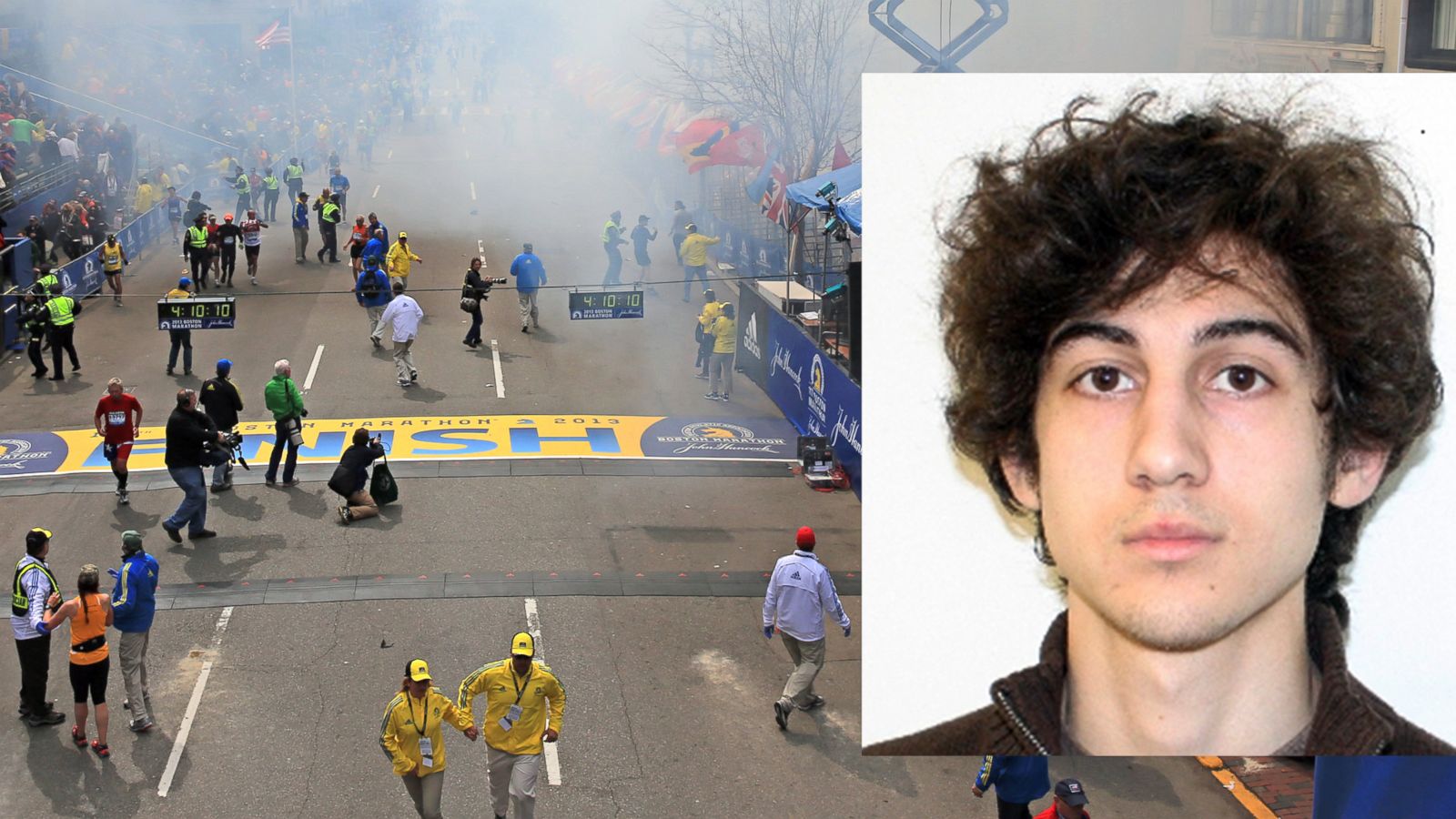
The tragedy that struck the city of Boston on April 15, 2013, during the annual Boston Marathon remains a scar on the collective memory of the city and the nation. The devastating explosions at the finish line, a place meant for celebration and athletic achievement, instead brought terror and loss. This event, stemming from a meticulously planned act of violence, immediately sparked a global search for answers. The question on everyone’s mind was simple, yet profound: “Who is the Boston Bomber?” This article delves into the investigation, the perpetrators, and the enduring impact of the bombing, viewed through the lens of how such events can tragically intersect with the fabric of travel, tourism, and urban life.
The Unfolding Investigation: From Chaos to Clarity
The immediate aftermath of the Boston Marathon bombings was a scene of confusion and urgency. Amidst the injured and the fallen, law enforcement agencies, including the FBI and the Boston Police Department, launched a massive manhunt and investigation. The initial focus was on identifying the individuals responsible for the attack, a process that relied heavily on witness accounts, surveillance footage, and forensic evidence. The two pressure-cooker bombs, packed with shrapnel, detonated within seconds of each other, claiming lives and inflicting severe injuries.
Piecing Together the Puzzle: Forensic Clues and Digital Footprints
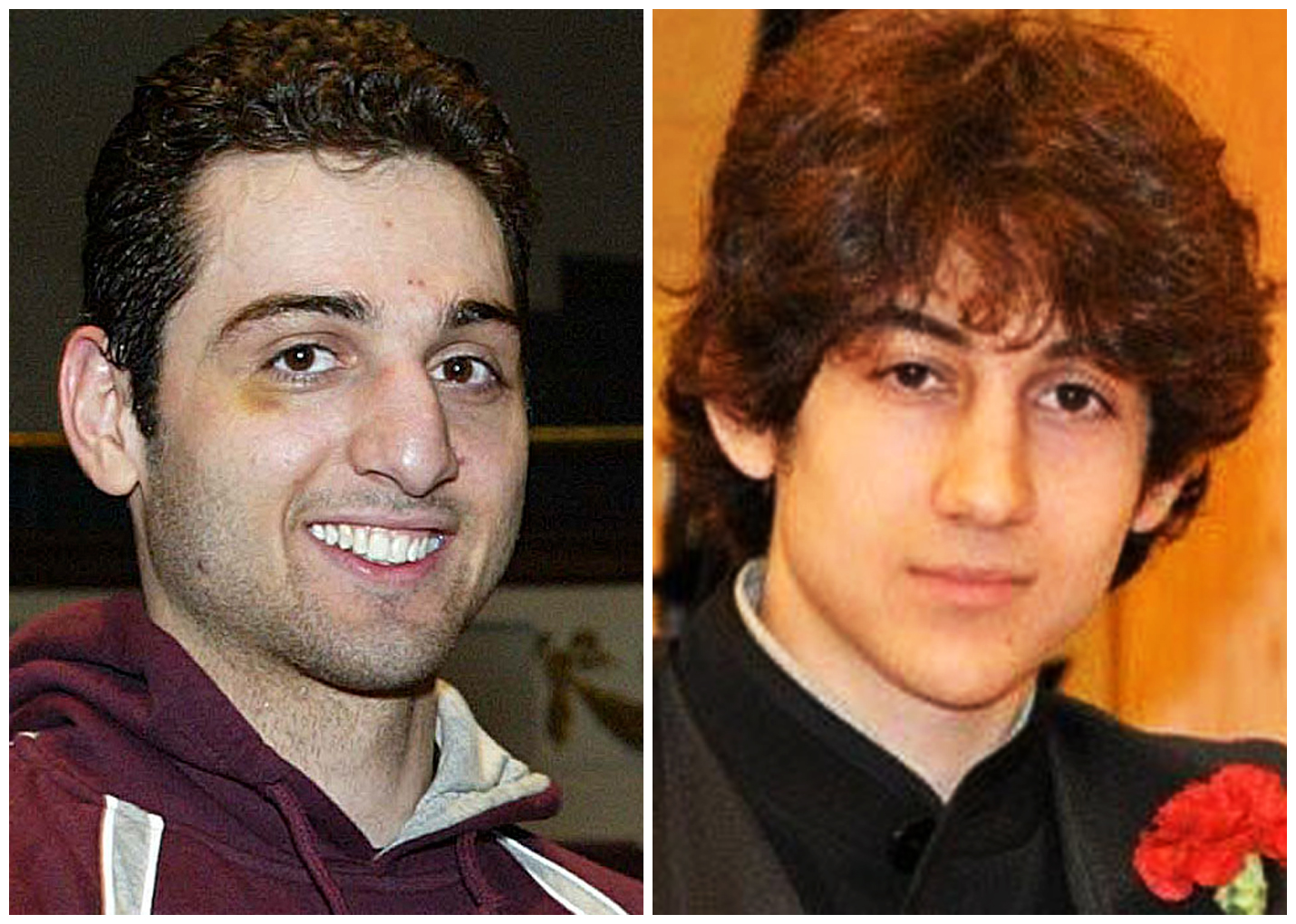
The investigation quickly moved from the immediate scene to a painstaking process of forensic analysis. Investigators meticulously collected debris, analyzed bomb components, and scoured hundreds of hours of video footage from security cameras, businesses, and even the cell phones of bystanders. The FBI established a dedicated task force, working tirelessly to sift through the vast amount of data. The emergence of clear images of the two suspects, identified as brothers Tamerlan Tsarnaev and Dzhokhar Tsarnaev, marked a turning point in the investigation. These images, widely circulated by the media, were instrumental in their eventual identification and apprehension.
The digital footprint of the bombers also played a critical role. Social media activity, online searches, and communication records provided crucial insights into their radicalization and planning. The brothers had attempted to conceal their identities, but the combination of physical evidence and digital trails ultimately led investigators to them. The sheer scale of the investigation underscored the complex challenges of modern-day crime-solving, where technology and traditional detective work must converge to bring perpetrators to justice.
The search for the bombers was not confined to the immediate area. After a period of intense manhunt within Boston and surrounding areas, including the city of Cambridge, the brothers attempted to flee. The pursuit culminated in a dramatic confrontation in Watertown, Massachusetts, where Tamerlan Tsarnaev was killed and Dzhokhar Tsarnaev was apprehended. This capture brought an end to the immediate threat but opened a new chapter in understanding the motivations behind the attack.
The Tsarnaev Brothers: A Profile of the Perpetrators
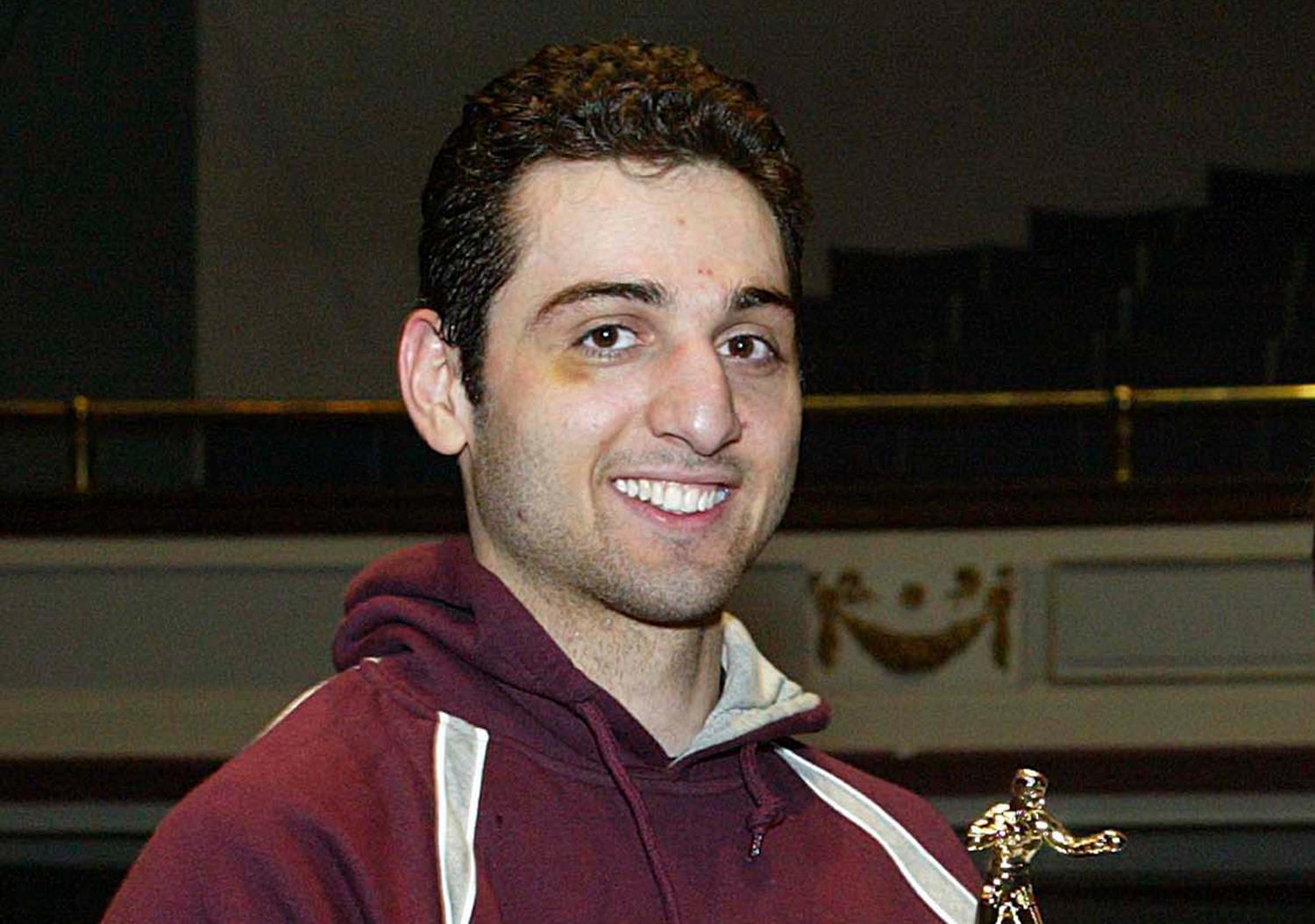
The identities of the Boston bombers were eventually revealed as Tamerlan Tsarnaev, 26, and Dzhokhar Tsarnaev, 19, Chechen immigrants who had been living in the United States for over a decade. Their journey to America was marked by a series of events that have been scrutinized in an attempt to understand the path that led them to commit such a heinous act.
Early Lives and Radicalization: Unraveling the Motivations
Born in Kyrgyzstan, the brothers and their family eventually emigrated to the United States in the early 2000s, seeking a better life. They settled in Cambridge, Massachusetts, where they navigated the complexities of assimilation. While Dzhokhar was a student at the University of Massachusetts Dartmouth, Tamerlan had a more troubled past, with run-ins with the law and a growing interest in radical Islamist ideology.
Investigators and analysts have spent years attempting to understand the factors that contributed to their radicalization. Evidence suggested that Tamerlan had become increasingly devout and had been exposed to extremist propaganda online. There were also questions about potential foreign influences and whether Tamerlan had received guidance or inspiration from international terrorist organizations. The role of online radicalization and the ease with which individuals can be exposed to extremist ideologies remains a significant concern in the modern era.
The brothers’ motivations were complex and have been the subject of extensive debate and legal proceedings. While they were portrayed as acting on behalf of extremist ideologies, the precise nature of their allegiance and the extent of any external direction have been subjects of intense focus. Their actions were a stark reminder of how individuals, even those living seemingly ordinary lives within established communities, can be drawn into violence.
The Impact of the Bombings: Beyond the Immediate Tragedy
The Boston Marathon bombings had far-reaching consequences, impacting the city’s sense of security, its tourism industry, and the lives of countless individuals. The event served as a somber reminder of the vulnerability of public spaces and the devastating impact of terrorism.
Rebuilding and Resilience: A City United
In the wake of the bombings, Boston demonstrated remarkable resilience. The city came together, offering support to victims and their families, and reaffirming its commitment to its values. The “Boston Strong” slogan became a symbol of the city’s determination to overcome adversity. The Boston Marathon itself continued, becoming a powerful testament to defiance and a celebration of life, with participants and spectators alike honoring the victims and their families.
The event also had a ripple effect on the tourism and hospitality sectors. For a period, there may have been a heightened sense of caution among travelers considering visiting Boston. However, the city’s inherent appeal as a historical and cultural hub, boasting attractions like the Freedom Trail, Faneuil Hall Marketplace, and world-class institutions such as Harvard University and the Museum of Fine Arts, Boston, ensured its continued popularity. Hotels across the city, from luxury establishments like the Fairmont Copley Plaza, Boston to more budget-friendly options, eventually saw a return to normal operations as the city healed and moved forward. The enduring spirit of Boston, like the enduring allure of its many landmarks, proved stronger than the forces of terror. The city’s ability to host major events, welcome visitors to its diverse neighborhoods, and offer experiences ranging from exploring historical sites to enjoying its vibrant culinary scene, ultimately underscored its unwavering spirit. The experience also prompted a greater focus on security measures at public events and transportation hubs across the country, a lasting legacy of the Boston tragedy.
LifeOutOfTheBox is a participant in the Amazon Services LLC Associates Program, an affiliate advertising program designed to provide a means for sites to earn advertising fees by advertising and linking to Amazon.com. Amazon, the Amazon logo, AmazonSupply, and the AmazonSupply logo are trademarks of Amazon.com, Inc. or its affiliates. As an Amazon Associate we earn affiliate commissions from qualifying purchases.