
Navigating the intricacies of property ownership and neighborly relations in California can be a complex endeavor, particularly when nature encroaches upon our shared spaces. One common point of contention and potential legal ambiguity arises from overhanging tree branches. These verdant extensions, while often beautiful, can cause a host of problems, from blocking sunlight and obscuring views to dropping debris and even posing a hazard during storms. Understanding who holds the responsibility for trimming these branches is crucial for maintaining harmonious living and preventing costly disputes. In California, the legal framework generally leans towards a balanced approach, empowering property owners with certain rights while also imposing obligations.
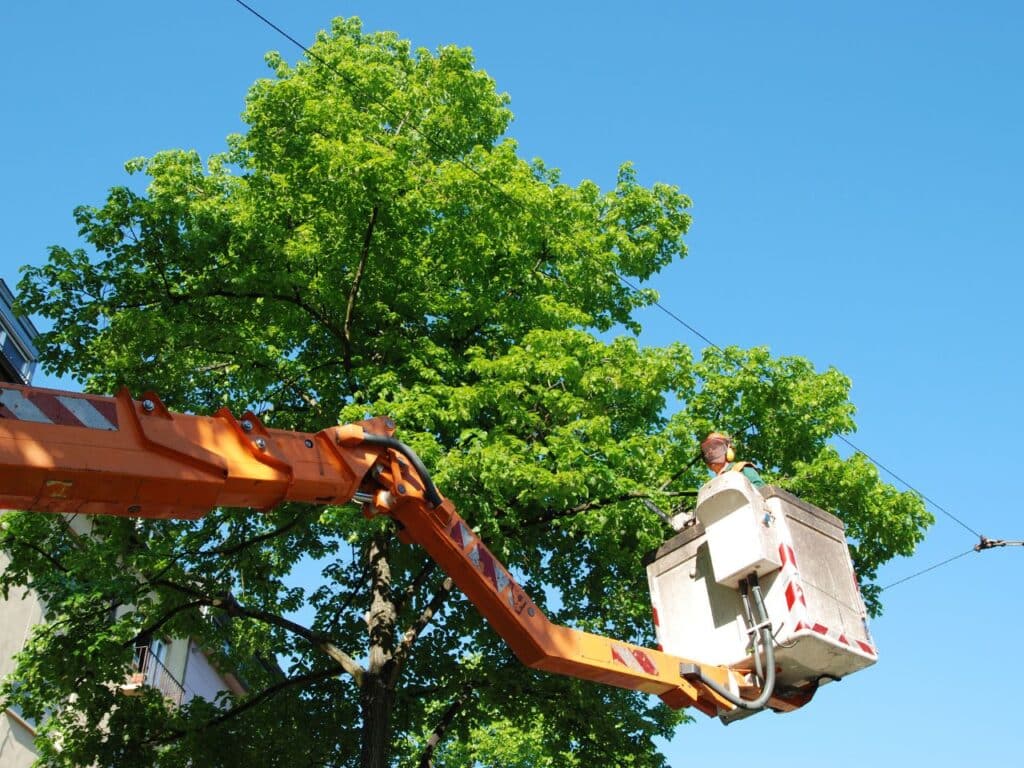
Property Owner’s Rights and Responsibilities
The fundamental principle guiding the management of overhanging branches in California is rooted in the concept of property rights. Generally, a property owner has the right to enjoy their land free from encroaching elements from adjacent properties. This principle extends to tree branches that extend over the property line.
The Right to Self-Help
Under California law, a property owner typically has the right to trim branches that encroach onto their property, provided they do so at their own expense. This is often referred to as the “self-help” remedy. However, this right is not without its limitations. The trimming must be done in a way that does not cause unnecessary harm to the tree or the neighbor’s property. Aggressive or negligent trimming that results in the death or significant damage to the tree could lead to liability for the trimming party.
It is generally advisable to trim only the portion of the branch that is directly over your property line. If a tree is located entirely on your neighbor’s property, you cannot enter their property to trim the branches without their permission. Furthermore, if the tree is a protected species or part of a designated landmark in your California community, special regulations may apply, and professional arborists should be consulted.
Neighborly Communication: The First Step
Before resorting to self-help, the most prudent and recommended course of action is open and respectful communication with the neighbor whose tree is causing the issue. Many disputes can be resolved amicably through a simple conversation. The neighbor may be unaware of the extent of the encroachment or the problems it is causing.
A friendly discussion can lead to a mutual agreement on how to address the overhanging branches. Perhaps the neighbor will agree to trim the branches themselves, or they may be willing to split the cost of professional trimming. Documenting these conversations, even informally through emails or text messages, can be beneficial should disagreements arise later.
When Communication Fails: Formal Notices
If direct communication proves unproductive, a more formal approach may be necessary. Sending a written notice to the neighbor detailing the issue, referencing the encroaching branches, and outlining the desire for a resolution can serve as a more official record. This notice can be sent via certified mail to ensure receipt. It should clearly state the problem and propose a solution, such as a mutually agreed-upon trimming date or a request for the neighbor to address the issue within a specified timeframe.
The Neighbor’s Responsibilities and Obligations
While property owners have the right to trim encroaching branches, the neighbor whose tree is the source of the overhang also has responsibilities. These responsibilities often stem from the general duty to maintain one’s property in a condition that does not harm adjacent properties or pose a public hazard.
Duty to Prevent Nuisance and Hazard
In California, a property owner has a legal duty to prevent their trees from becoming a nuisance or a hazard to their neighbors. If an overhanging branch is dead, diseased, or poses a clear and present danger of falling and causing damage or injury, the property owner of the tree may be held responsible for the consequences. This responsibility can extend to the cost of repairs and even damages for personal injury.
When a Neighbor is Unresponsive or Negligent
If a neighbor fails to address an overhanging branch that is causing damage or poses a significant risk, despite repeated attempts at communication and formal notification, legal action may become a consideration. However, this is typically a last resort, as litigation can be costly and time-consuming. Before pursuing legal avenues, it is advisable to consult with an attorney specializing in property law in California.
Exceptions and Special Circumstances
While the general rules provide a framework, several exceptions and special circumstances can alter the lines of responsibility for overhanging tree branches in California.
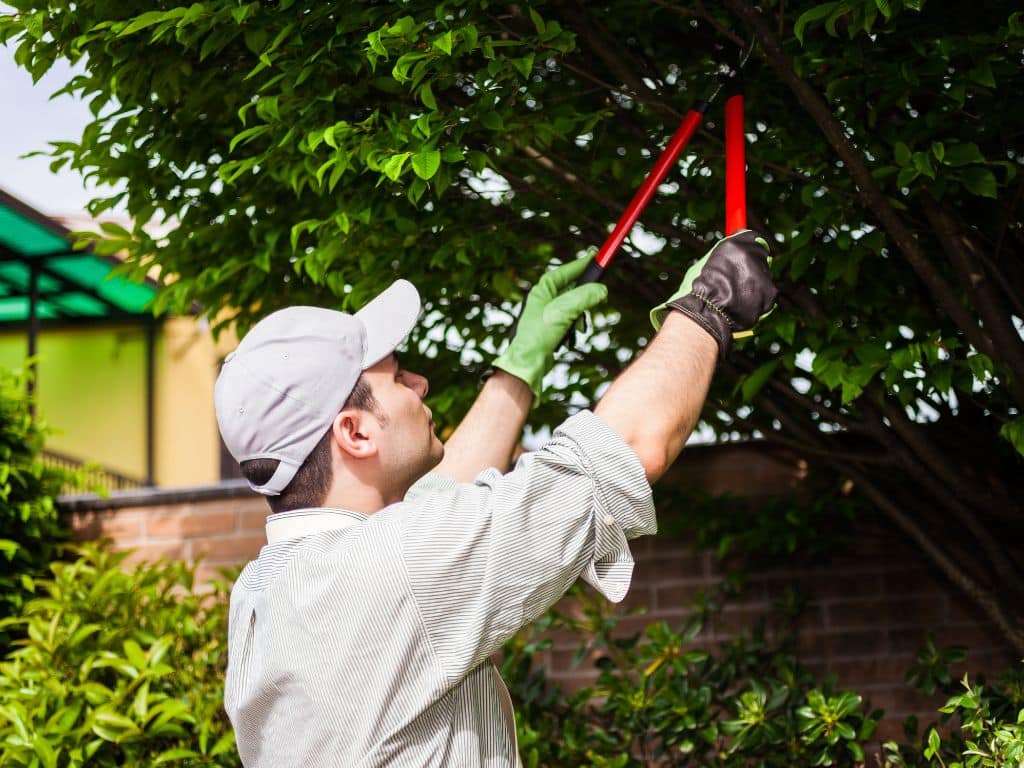
Boundary Trees
If a tree is situated directly on the property line, straddling the boundary between two properties, it is considered a boundary tree. In such cases, both property owners are typically considered co-owners of the tree, and the responsibility for its maintenance and trimming is shared. Decisions regarding such trees should ideally be made jointly, and any costs associated with trimming or removal should be divided equitably. Again, clear communication and written agreements are vital to prevent future disputes.
Homeowners Associations (HOAs) and Covenants, Conditions & Restrictions (CC&Rs)
Many communities in California are governed by Homeowners Associations (HOAs), which have their own set of rules and regulations known as Covenants, Conditions & Restrictions (CC&Rs). These CC&Rs may dictate specific procedures or responsibilities regarding tree maintenance and encroachments. It is essential to review your HOA’s governing documents to understand any specific provisions that might apply to your situation. In some cases, the HOA may be responsible for managing trees on common areas, while individual homeowners are responsible for trees on their private lots.
Municipal Ordinances and Regulations
Certain California cities and counties may have specific ordinances pertaining to trees, particularly those considered heritage trees, protected species, or those that pose a public safety concern. These ordinances can influence who is responsible for trimming and may require permits for certain types of work. For example, some municipalities may have regulations regarding street trees that overhang private property, placing the responsibility on the city for their maintenance.
Utility Easements
If an overhanging branch poses a hazard to power lines or other utility infrastructure, the utility company may have the right and responsibility to trim the branches that interfere with their equipment. Property owners should contact the relevant utility company if they observe such a hazard.
Seeking Professional Guidance
In situations involving significant overhanging branches, valuable trees, or complex property lines, consulting with professionals is highly recommended.
Arborists and Tree Surgeons
Certified arborists are experts in tree care and health. They can assess the condition of a tree, identify potential hazards, and recommend the most appropriate and safe trimming methods. They can also provide documentation of the tree’s health and the necessity of trimming, which can be valuable in disputes. Hiring a qualified arborist ensures that trimming is done correctly, minimizing the risk of damage to the tree and potential liability for the trimmer.
Legal Counsel
When neighborly disputes escalate or when the legal implications of overhanging branches are unclear, seeking advice from a real estate attorney or a legal professional specializing in property law in California is advisable. They can help interpret local laws, review property deeds, and guide you through the process of resolving the issue through negotiation, mediation, or, if necessary, litigation.
Preventing Future Issues
Proactive measures can go a long way in preventing future conflicts related to overhanging branches.
Regular Tree Maintenance
Encouraging neighbors to engage in regular tree maintenance can mitigate many issues before they become problematic. This includes routine inspections for disease or damage and timely pruning.

Property Line Discussions
When purchasing a property in California, it is wise to discuss potential tree-related issues with neighbors early on, especially if there are mature trees near property lines. Understanding the potential for future growth and encroachment can lead to more informed decisions and a more harmonious neighborhood environment.
In conclusion, while California law generally grants property owners the right to trim encroaching branches, the most effective approach to managing overhanging tree branches involves a blend of clear communication, understanding of property rights, adherence to local regulations, and, when necessary, professional guidance. By fostering good neighborly relations and taking a proactive stance, residents can effectively navigate these common issues and maintain the beauty and integrity of their properties.
LifeOutOfTheBox is a participant in the Amazon Services LLC Associates Program, an affiliate advertising program designed to provide a means for sites to earn advertising fees by advertising and linking to Amazon.com. Amazon, the Amazon logo, AmazonSupply, and the AmazonSupply logo are trademarks of Amazon.com, Inc. or its affiliates. As an Amazon Associate we earn affiliate commissions from qualifying purchases.