
The office of the Secretary of State in California is a cornerstone of the state’s governmental framework, responsible for a diverse array of critical functions that impact daily life, business operations, and democratic processes. Far from being a mere ceremonial role, the Secretary of State is a vital administrator, an enforcer of election laws, and a guardian of public records. Understanding who holds this position and the scope of their responsibilities is essential for anyone engaging with the Golden State, whether as a resident, a business owner, or a visitor interested in the intricacies of its governance.

The Multifaceted Role of California’s Secretary of State
The Secretary of State of California serves as the chief elections officer, the keeper of the Great Seal of California, and the administrator of many of the state’s business and public records. This position is one of profound responsibility, encompassing areas that directly affect the integrity of elections, the ease of doing business, and the accessibility of vital government information.
Overseeing Democratic Processes: Elections and Voter Engagement
At the heart of the Secretary of State’s mandate lies the administration of elections. This includes ensuring that elections are conducted fairly, accurately, and in compliance with California’s complex election laws. The office is responsible for:
- Voter Registration: Managing the statewide voter registration database, including processing new registrations, updates, and cancellations. This ensures that eligible citizens can participate in the electoral process.
- Ballot Access: Overseeing the qualification of candidates and ballot measures, ensuring they meet all legal requirements to appear before voters. This involves reviewing petitions, signatures, and other necessary documentation.
- Vote Counting and Certification: Working with county elections officials to ensure that votes are accurately counted and that election results are properly certified. This includes managing the processes for provisional ballots, mail-in ballots, and recounts.
- Election Security: Implementing measures to protect the integrity of the voting process from cyber threats and other forms of interference. This is a growing area of focus given the increasing reliance on technology in elections.
- Voter Education: Providing resources and information to help voters understand their rights, responsibilities, and how to participate in elections. This includes information on polling locations, voter ID requirements, and ballot content.
The office also plays a crucial role in campaign finance disclosure, ensuring that transparency is maintained in political advertising and contributions. This allows the public to see who is funding political campaigns and potentially influencing policy.
The Guardian of Business and Public Records
Beyond elections, the Secretary of State’s office is the central repository for a vast amount of official documentation. This function is critical for the functioning of California’s economy and legal system.
- Business Filings: The office is responsible for the registration of businesses, including corporations, limited liability companies (LLCs), partnerships, and sole proprietorships. This process is fundamental for entrepreneurs and businesses looking to establish or operate within the state.
- Uniform Commercial Code (UCC) Filings: This includes filing and managing liens, security interests, and other financial encumbrances on personal property. These filings are essential for lenders, creditors, and businesses to understand financial obligations and assets.
- Notary Public Administration: The Secretary of State licenses and regulates notaries public, who are essential for verifying the authenticity of signatures on legal documents. This service underpins a wide range of legal and financial transactions.
- Public Records Access: The office provides access to a variety of public records, including corporate filings, notary public information, and election results. This accessibility promotes transparency and accountability within government.
- State Archives: While the main archive function often resides with other agencies, the Secretary of State’s office historically holds and preserves important historical documents and records that are vital for understanding California’s past.
The Keeper of the Great Seal and Official State Documents
The Secretary of State is the custodian of the Great Seal of California, the official emblem of the state. Affixing the Great Seal to official documents signifies their authenticity and validity, making the Secretary of State a crucial figure in the formalization of state actions. This includes:
- Authenticating State Laws: Ensuring that newly passed legislation is properly recorded and authenticated before becoming law.
- Certifying Official Documents: Providing certified copies of official documents for use in legal proceedings or other important matters.
- Overseeing State Publications: While not always the primary publisher, the office often plays a role in the dissemination of official state publications.
Current Leadership and Office Functions
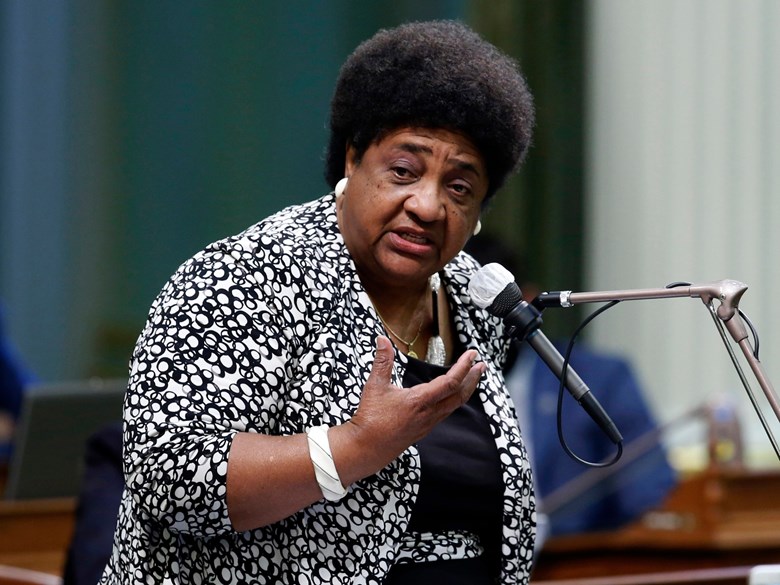
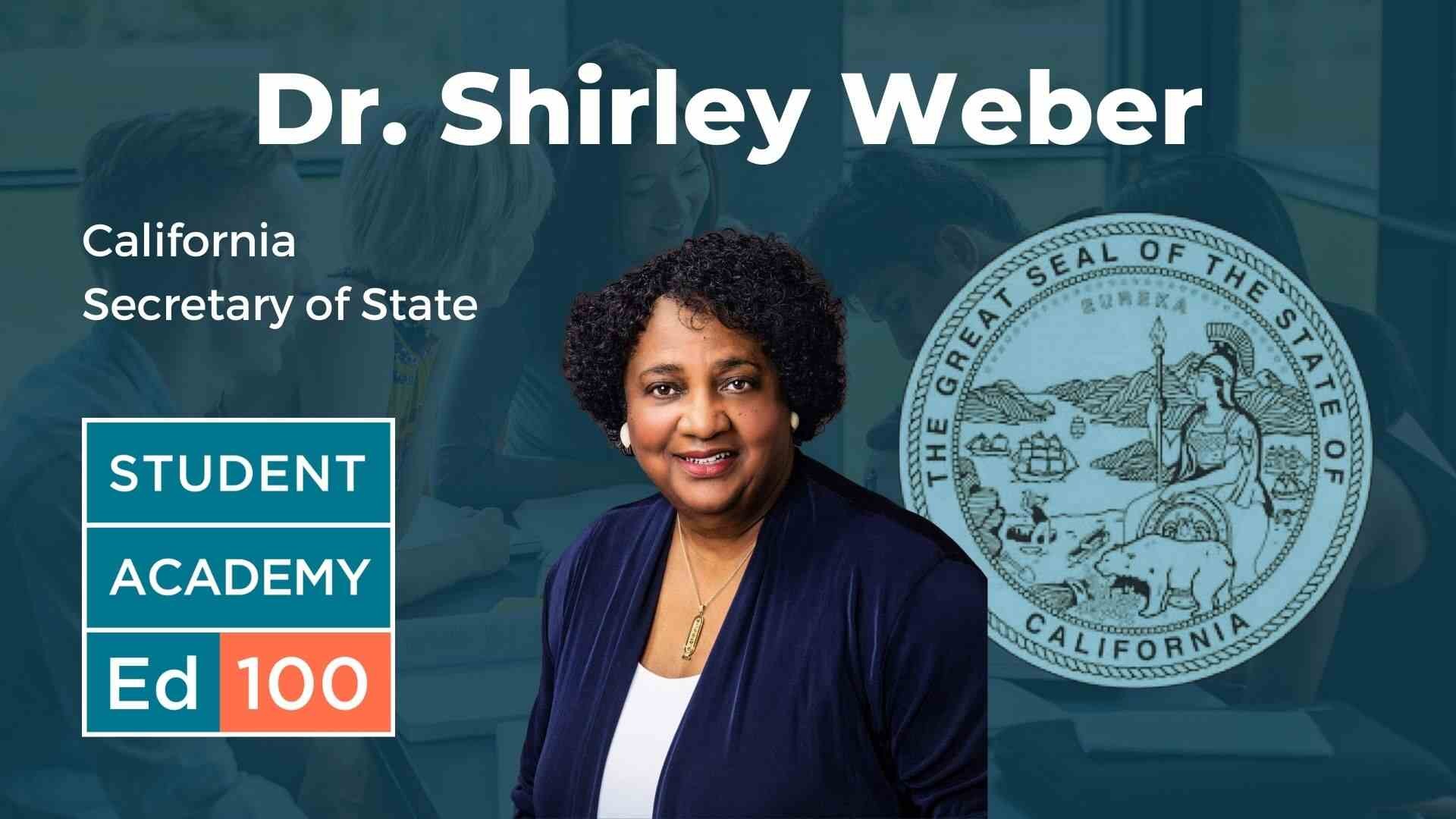
The Secretary of State is an elected official, chosen by the voters of California to serve a four-year term. This elected status ensures accountability to the public and makes the office a significant political position within the state. The current Secretary of State, along with their appointed staff, manages the operations of the office, which is typically organized into various divisions to handle its extensive responsibilities. These divisions often include:
Elections Division
This division is at the forefront of managing all aspects of the electoral process, from voter registration to ballot certification. It works closely with the 58 county elections officials across the state to implement election laws and ensure the integrity of each election.
Business Programs Division
This division is responsible for the efficient and accurate processing of business filings. It provides the essential infrastructure for businesses to legally form and operate in California, including online filing systems and customer support.
Archives and Public Records Division
This division oversees the preservation and accessibility of crucial state records, ensuring that historical documents and current public information are maintained and available to the public, researchers, and government agencies.
Notary Public and Special Services Division
This division manages the licensing and regulation of notaries public, as well as handling other specific governmental services, such as administering oaths and processing apostilles for international document authentication.
The Significance of the Secretary of State in California’s Governance
The role of the Secretary of State is more than just administrative; it is deeply intertwined with the democratic fabric and economic vitality of California. The office serves as a critical check and balance within the state government, ensuring transparency, accountability, and the smooth functioning of key civic processes.
Enhancing Transparency and Accountability
By managing public records and campaign finance disclosures, the Secretary of State’s office fosters an environment of transparency. This allows citizens to scrutinize government actions, understand the influences on policy, and make informed decisions, particularly during elections. The accessibility of business and legal filings also contributes to a predictable and trustworthy business environment.
Facilitating Economic Activity
The efficient processing of business registrations and UCC filings by the Secretary of State’s office is fundamental to California’s status as a global economic powerhouse. Businesses of all sizes rely on these services to establish legal standing, secure financing, and conduct their operations smoothly. A well-functioning business registration system reduces barriers to entry and encourages investment within the state.
Upholding Democratic Principles
The unwavering commitment to fair and secure elections is perhaps the most visible and vital function of the Secretary of State. As the chief elections official, this role is crucial for maintaining public confidence in the democratic process. From ensuring every eligible vote is counted to protecting against interference, the office is a bulwark of democracy in California.
In conclusion, the Secretary of State in California is a powerful and essential figure. Their responsibilities span the fundamental aspects of governance, from the sanctity of the vote to the ease of doing business and the preservation of public trust. Understanding this role provides valuable insight into the intricate machinery that keeps the Golden State running.
LifeOutOfTheBox is a participant in the Amazon Services LLC Associates Program, an affiliate advertising program designed to provide a means for sites to earn advertising fees by advertising and linking to Amazon.com. Amazon, the Amazon logo, AmazonSupply, and the AmazonSupply logo are trademarks of Amazon.com, Inc. or its affiliates. As an Amazon Associate we earn affiliate commissions from qualifying purchases.