
Navigating the complexities of international commerce can be a daunting task, especially when establishing a business presence in a new jurisdiction. For many global enterprises, the allure of the California market—its vast economy, innovative spirit, and access to a diverse consumer base—is undeniable. However, before a foreign business can legally operate and reap the benefits of this dynamic state, understanding and fulfilling registration requirements is paramount. This process is not merely a bureaucratic hurdle; it’s a foundational step that ensures compliance, legitimacy, and smooth integration into the Californian business ecosystem. This article delves into the critical question of who needs to register a foreign business in California, outlining the key scenarios, obligations, and the importance of adhering to these regulations.
Defining “Foreign Business” in the Californian Context
In the realm of business registration within the United States, the term “foreign business” does not refer to businesses originating from another country in the traditional sense. Instead, it denotes a business entity that is formed or organized under the laws of a state other than California. This includes:
- Other U.S. States: A business incorporated in, for instance, Delaware, Texas, or New York, that wishes to conduct business in California, is considered a “foreign” entity within the state.
- International Businesses: Businesses established in countries outside the United States, such as Canada, Mexico, or nations in Europe or Asia, are also classified as foreign businesses when seeking to operate in California.
The critical factor is the jurisdiction of the entity’s original formation. If it was not created under California law, it is considered foreign for registration purposes.
When Registration Becomes Mandatory
The obligation for a foreign business to register in California is triggered by the act of “transacting business” within the state. However, the definition of “transacting business” can be nuanced and is not always straightforward. Generally, it implies a continuous and systematic course of business activities within California. Mere isolated or occasional transactions may not necessitate registration, but this is a fine line to tread, and it’s always prudent to err on the side of caution.
Key activities that typically mandate registration include:
Physical Presence and Operations
- Having a Physical Office or Facility: Owning, leasing, or operating a physical office, warehouse, retail store, or manufacturing plant in California is a clear indicator that registration is required. This physical foothold signifies a substantial presence and commitment to doing business within the state.
- Employing Personnel in California: Hiring employees who work from a California office, or even remotely from their homes within the state, generally constitutes transacting business. This is because employees act as agents of the business, conducting its affairs.
- Maintaining Inventory: Storing goods or inventory within California for sale or distribution is another strong signal that registration is needed. This applies whether the inventory is held in a leased warehouse, a third-party logistics provider’s facility, or a company-owned storage unit.
Engaging in Business Activities
- Soliciting Business Continuously: Actively and regularly soliciting orders or business within California through sales representatives, marketing campaigns, or other means, with the expectation that such orders will be accepted and fulfilled, usually requires registration. This is particularly true if the solicitation leads to contracts formed and executed within the state.
- Entering into Contracts in California: When a foreign business enters into contracts with Californian residents or other businesses, and these contracts are substantially performed or enforced within the state, registration is often a prerequisite. This can include service agreements, lease agreements, or sales contracts.
- Providing Services: If a foreign entity provides services to clients located in California, and these services involve regular engagement or a significant presence (even if temporary), registration may be necessary. This is especially true for businesses offering professional services, consulting, or technical support.
- Selling Goods: Beyond simply shipping goods into California (which might fall under nexus rules for tax purposes), actively selling and distributing products within the state, including through online platforms with substantial Californian customer engagement and fulfillment, often necessitates registration.
Specific Entity Types and Their Triggers
The nature of the business entity also influences the registration requirements. Common business structures include:
- Corporations: Foreign corporations (both C-corps and S-corps) are generally required to register as “foreign corporations” with the California Secretary of State if they are transacting business in the state.
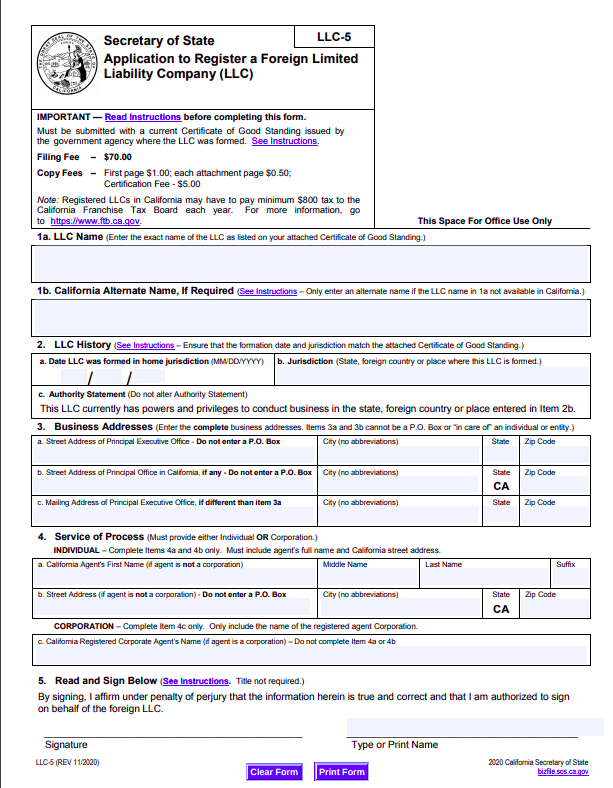
- Limited Liability Companies (LLCs): Similarly, foreign LLCs must register as “foreign limited liability companies” with the California Secretary of State to legally operate.
- Limited Partnerships (LPs) and Limited Liability Partnerships (LLPs): These entities also have specific registration requirements for foreign operations in California.

Each entity type has its own set of forms and procedures to follow during the registration process.
Exemptions and Considerations
While the general rule dictates registration for transacting business, certain activities or circumstances might be exempt. It is crucial to understand these nuances, as misinterpreting an exemption can lead to penalties.
Statutory Exemptions
California law, specifically the Corporations Code, outlines several exemptions from the registration requirement. These often include:
- Maintaining or defending a lawsuit: Simply being involved in litigation in California does not automatically require registration.
- Holding meetings of directors or shareholders: Occasional meetings of governing bodies within the state may not trigger registration.
- Maintaining bank accounts: Having bank accounts in California solely for the purpose of conducting financial transactions is generally not considered transacting business.
- Having directors or officers as Californian residents: The residency of individuals in leadership positions alone typically does not necessitate registration.
- Establishing or acquiring indebtedness or mortgages: Securing loans or mortgages within the state without conducting broader business activities might be exempt.
- Selling through an independent contractor: In some cases, engaging an independent contractor to perform services or sell goods might not require the foreign entity to register, provided the contractor operates independently and does not act as an agent of the foreign business.
However, it’s vital to note that these exemptions are often narrowly interpreted. If the activities extend beyond these specific exemptions, registration is likely required.
Nexus and Tax Implications
It’s important to distinguish between the registration requirement to transact business and the nexus requirements that trigger state taxation. While registration with the Secretary of State is about legal authorization to operate, tax nexus with the California Franchise Tax Board (FTB) or the California Department of Tax and Fee Administration (CDTFA) is about the obligation to pay state income, franchise, or sales and use taxes.
A foreign business might establish sufficient nexus for tax purposes (e.g., through economic nexus triggered by sales volume or the presence of independent contractors) even if it doesn’t meet the criteria for registering to transact business with the Secretary of State. Conversely, registering to transact business often implies that tax nexus has also been established. Understanding both aspects is crucial for comprehensive compliance.
The Registration Process and Its Importance
Registering a foreign business in California involves filing specific forms with the California Secretary of State and paying the requisite fees. The exact forms and procedures depend on the business entity type (corporation, LLC, etc.).
The process typically includes:
- Choosing a Registered Agent: A registered agent is an individual or entity with a physical street address in California designated to receive legal documents (service of process) and official notices on behalf of the foreign business.
- Filing the Application: Submitting the appropriate application form (e.g., Application to Register a Foreign Corporation, Application to Register a Foreign Limited Liability Company) with supporting documentation.
- Obtaining a Certificate of Qualification: Upon approval of the application, the Secretary of State issues a Certificate of Qualification, which legally authorizes the foreign business to transact business in California.

Why Registration Matters
- Legal Compliance: Failure to register when required can result in significant penalties, including fines, back taxes, interest, and the inability to bring lawsuits in California courts. The business may also be subject to administrative dissolution or revocation of its right to do business.
- Credibility and Trust: Registration lends legitimacy to a business in the eyes of Californian customers, suppliers, and partners. It signifies a commitment to operating within the state’s legal framework.
- Access to Californian Markets: Many Californian entities will require a registered foreign business to provide proof of its legal standing before entering into contracts or engaging in significant business dealings.
- Operational Smoothness: Having a registered presence simplifies many aspects of doing business, such as opening bank accounts, obtaining permits, and complying with regulatory requirements.
In conclusion, any foreign business entity contemplating or actively engaging in operations within California—whether through a physical presence, employees, or consistent business activities—must carefully assess its obligations regarding registration. Understanding the definition of “transacting business” and the applicable exemptions is crucial. Proactive compliance not only avoids legal entanglements and financial penalties but also paves the way for successful and sustainable business growth in the vibrant Californian economy. Consulting with legal and tax professionals specializing in California business law is highly recommended to ensure all requirements are met accurately and efficiently.
LifeOutOfTheBox is a participant in the Amazon Services LLC Associates Program, an affiliate advertising program designed to provide a means for sites to earn advertising fees by advertising and linking to Amazon.com. Amazon, the Amazon logo, AmazonSupply, and the AmazonSupply logo are trademarks of Amazon.com, Inc. or its affiliates. As an Amazon Associate we earn affiliate commissions from qualifying purchases.