
The Journey of a Global Culinary Staple for Tourists
California Pizza Kitchen (CPK) has long transcended its origins as a novel pizza concept to become a recognizable fixture in the global casual dining landscape. For millions of travelers, CPK represents a reliable and appealing option, whether they are navigating bustling airports, exploring major urban centers, or seeking familiar comfort in a foreign land. Understanding who owns this pervasive brand is not merely a question of corporate structure but provides insight into the strategic decisions that shape its menu, expansion, and ultimately, the dining experience offered to tourists worldwide. The story of CPK’s ownership is one of innovation, strategic acquisitions, and resilience, all of which have profound implications for its accessibility and appeal to the transient traveler.

From Beverly Hills to International Appeal
The genesis of California Pizza Kitchen dates back to 1985 when attorneys Larry Flax and Rick Rosenfield opened their first restaurant in Beverly Hills, California. Their vision was to introduce an innovative menu featuring hearth-baked pizzas with unconventional toppings like BBQ chicken, Thai chicken, and BLT. This novel approach quickly garnered attention, distinguishing CPK from traditional pizzerias and carving out a unique niche in the American culinary scene. The rapid success of their unique concept saw quick expansion, making CPK a destination not just for locals but also for tourists visiting Southern California. As the chain grew, it became a part of the vibrant food culture that many travelers sought to experience. Its presence soon extended beyond California to other major cities, establishing it as a reliable dining spot for those on the move. The consistent quality and distinctive menu made it a preferred choice for travelers seeking a modern, casual dining experience that was a step above fast food but more accessible than fine dining.
Early Corporate Influence and Brand Identity
The foundational years of California Pizza Kitchen were marked by an acquisition that significantly shaped its national and eventual international footprint. In 1992, the burgeoning restaurant chain was acquired by PepsiCo, a global beverage and snack giant that was, at the time, heavily invested in the restaurant sector through its acquisition of brands like Pizza Hut, KFC, and Taco Bell. This acquisition provided CPK with substantial capital for expansion and leveraged PepsiCo’s extensive operational and marketing expertise. Under PepsiCo’s stewardship, CPK’s brand identity was solidified, ensuring consistent quality and a recognizable menu across its growing number of locations. For tourists, this meant that a CPK experience in Las Vegas would largely mirror one in New York City, offering a sense of familiarity and predictability that is often valued when traveling. While PepsiCo eventually spun off its restaurant division as Tricon Global Restaurants (later Yum! Brands), CPK was not part of that spin-off, instead being sold to a group of private investors. This period, however, was crucial in establishing CPK’s national presence and solidifying its reputation as a consistent, quality option for casual dining, particularly appealing to families and business travelers alike.
Navigating the Restaurant Landscape: Ownership Shifts and Tourist Impact
The ownership trajectory of California Pizza Kitchen continued to evolve, demonstrating the dynamic nature of the restaurant industry. These shifts were not merely corporate transactions; they directly influenced how CPK adapted to changing consumer tastes, expanded into new markets, and positioned itself as a dining choice for diverse tourist demographics.
The Private Equity Era: Golden Gate Capital

In 2011, California Pizza Kitchen was taken private by Golden Gate Capital, a prominent private equity firm. This transition marked a significant period for CPK, as private equity ownership often entails strategic restructuring aimed at optimizing performance, enhancing brand value, and preparing for future growth or resale. Under Golden Gate Capital’s guidance, CPK embarked on initiatives to refresh its brand image, renovate restaurants, and refine its menu to stay relevant in an increasingly competitive casual dining market. For tourists, these changes meant an updated dining environment, a more contemporary menu, and a continued focus on quality service. The investment aimed to ensure CPK remained an attractive option for travelers who sought a modern yet comforting dining experience. Decisions made during this period, often driven by market analysis and customer feedback, directly impacted the types of new dishes introduced, the ambiance of the restaurants, and the overall value proposition, all of which are critical factors for tourists choosing where to eat.
Menu Evolution and Global Palates
Ownership changes often lead to a renewed focus on menu innovation. Over the years, California Pizza Kitchen has consistently evolved its offerings, moving beyond its signature pizzas to include a wide array of salads, pastas, sandwiches, and desserts. This diversification has been particularly beneficial for attracting a broader tourist base, catering to different dietary preferences and culinary desires. Furthermore, CPK’s international expansion, influenced by its various ownership structures, has seen it establish a presence in countries like Dubai, Mexico City, Tokyo, and Honolulu. In these international markets, CPK has often adapted its menu to incorporate local flavors and ingredients while retaining its core identity, offering a unique fusion experience. For instance, a tourist in Dubai might find locally inspired dishes alongside the classic BBQ chicken pizza, providing both familiarity and a touch of local culinary exploration. This strategic menu evolution, driven by the imperative to appeal to diverse palates under different ownerships, has cemented CPK’s role as a versatile and globally sensitive dining option for travelers.
CPK’s Enduring Role in the Tourist Dining Scene
Despite the various ownership changes, California Pizza Kitchen has consistently maintained its position as a significant player in offering accessible, consistent, and appealing dining for travelers. Its strategic location choices and adaptation to modern travel trends underscore its enduring relevance.
Strategic Locations: From Airports to Theme Parks
A key factor in California Pizza Kitchen’s prominence in the tourist experience is its strategic placement. CPK restaurants are frequently found in high-traffic tourist hubs, including major international airports like Los Angeles International Airport and Orlando International Airport, large shopping centers, and popular entertainment complexes. For example, CPK has a notable presence near major attractions such as the Disneyland Resort in Anaheim, California, and at the Walt Disney World Resort in Florida. This calculated placement makes CPK a convenient and reliable choice for weary travelers, families on vacation, or business professionals seeking a quick yet satisfying meal. The brand’s familiarity provides a sense of comfort and predictability in unfamiliar surroundings, a valuable attribute for any tourist. The strategic decision to prioritize these high-visibility locations is often a directive from ownership, understanding the lucrative nature of the travel and tourism market.
Adapting to Modern Travel Tastes
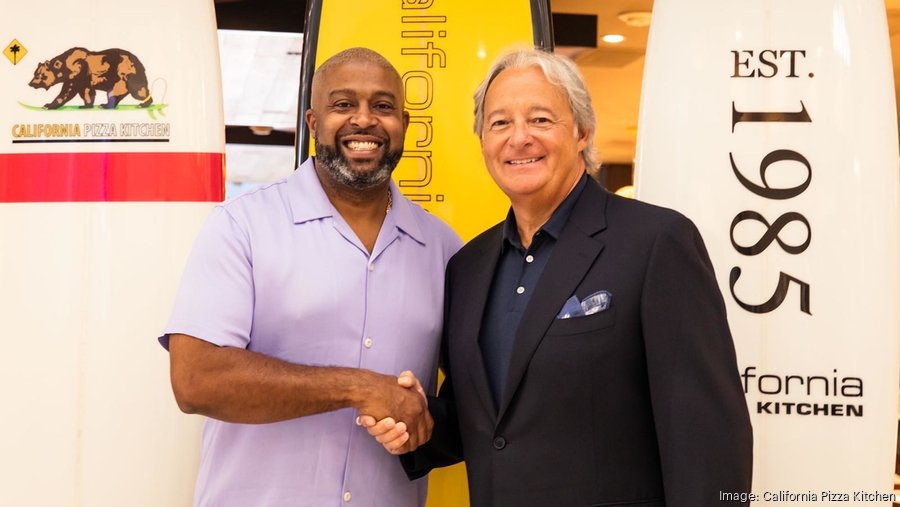
The most recent significant development in California Pizza Kitchen’s ownership came in 2020 when the company filed for Chapter 11 bankruptcy reorganization amidst the challenges of the global pandemic. Emerging from bankruptcy in late 2020, the ownership transferred to a consortium of lenders, primarily managed by G.P. Investments, a subsidiary of Centerbridge Partners. This new stewardship has brought a renewed focus on innovation, cost efficiency, and adapting to the evolving demands of consumers, including modern tourists. This includes an emphasis on digital ordering, expanded takeout and delivery services – crucial for travelers staying in hotels or seeking convenient dining options – and a continued refinement of the menu to include more health-conscious and plant-based options. These adaptations cater directly to the modern tourist’s desire for convenience, variety, and healthier choices, ensuring CPK remains relevant in a rapidly changing travel landscape. The resilience shown by CPK, guided by its current owners, highlights a commitment to maintaining its market position and appealing to a broad customer base, including the millions of tourists who pass through its doors each year.
The Future of a Beloved Brand in Tourism
In conclusion, the answer to “Who owns California Pizza Kitchen?” is not static but a testament to its dynamic history. From its founding by Larry Flax and Rick Rosenfield to its tenures under PepsiCo, Golden Gate Capital, and now primarily G.P. Investments, each ownership phase has contributed to shaping the brand. What remains consistent, however, is CPK’s enduring appeal and strategic importance within the tourism sector. Its menu innovation, commitment to quality, and strategic placement in travel hubs worldwide ensure that it continues to be a go-to dining destination for countless tourists. Regardless of who holds the ultimate corporate reins, CPK’s legacy as a familiar, convenient, and consistently satisfying part of the global travel experience seems poised to continue for many years to come, adapting and evolving to meet the tastes of a world constantly on the move.
LifeOutOfTheBox is a participant in the Amazon Services LLC Associates Program, an affiliate advertising program designed to provide a means for sites to earn advertising fees by advertising and linking to Amazon.com. Amazon, the Amazon logo, AmazonSupply, and the AmazonSupply logo are trademarks of Amazon.com, Inc. or its affiliates. As an Amazon Associate we earn affiliate commissions from qualifying purchases.