
In the modern landscape of global hospitality, the lines between massive corporate chains and intimate boutique experiences have increasingly blurred. Travelers today often seek the charm of a local, neighborhood-centric stay without sacrificing the reliability and rewards programs of a major international brand. One name that consistently rises to the top of this “lifestyle” category is Hotel Indigo. Known for its vibrant decor, localized themes, and artistic flair, many guests find themselves wondering who pulls the strings behind this stylish operation. To understand the ownership of this brand is to understand one of the largest hospitality conglomerates in the world: IHG Hotels & Resorts.
The Corporate Powerhouse: Understanding IHG Hotels & Resorts
The definitive answer to “Who owns Hotel Indigo?” is InterContinental Hotels Group, now officially known as IHG Hotels & Resorts. Headquartered in Denham, Buckinghamshire, within the United Kingdom, this multinational company is a titan of the industry, managing a diverse portfolio of brands that span from budget-friendly essentials to ultra-luxury retreats.
The Evolution from Bass Brewery to a Global Hospitality Leader
The history of the parent company is as fascinating as the hotels themselves. The roots of the organization trace back to the Bass Brewery, established in 1777 in the United Kingdom. Over centuries, the company pivoted from brewing to hospitality. A major milestone occurred in the late 20th century when the company acquired the Holiday Inn brand, which at the time was the largest hotel chain in the United States.
By the early 2000s, after various divestments and acquisitions—including the purchase of the iconic InterContinental Hotels brand—the company emerged as a pure-play hotel group. Today, IHG Hotels & Resorts operates thousands of properties across more than 100 countries, making it a dominant force in Europe, North America, and Asia.
Where Hotel Indigo Fits in the IHG Portfolio
Within the vast IHG Hotels & Resorts ecosystem, brands are categorized into specific tiers: Luxury & Lifestyle, Premium, Essentials, and Suites. Hotel Indigo sits firmly within the “Luxury & Lifestyle” collection. It was specifically designed to compete in the upscale boutique market, bridging the gap between the standardized service of a Crowne Plaza and the high-end luxury of Regent Hotels & Resorts or Six Senses Hotels Resorts Spas.
By placing Hotel Indigo in the lifestyle category, the parent company allows the brand to maintain a unique identity while benefiting from the massive logistical, marketing, and loyalty infrastructure of the IHG One Rewards program.
The Birth and Growth of the Hotel Indigo Brand
The brand was officially launched in 2004, with the first property opening its doors in Atlanta, Georgia. From its inception, the goal was to create a “branded boutique” experience. This was a relatively new concept at the time, aiming to provide the quirky, individualized feel of an independent hotel with the safety net of a major corporation.
Redefining the Boutique Hotel Concept
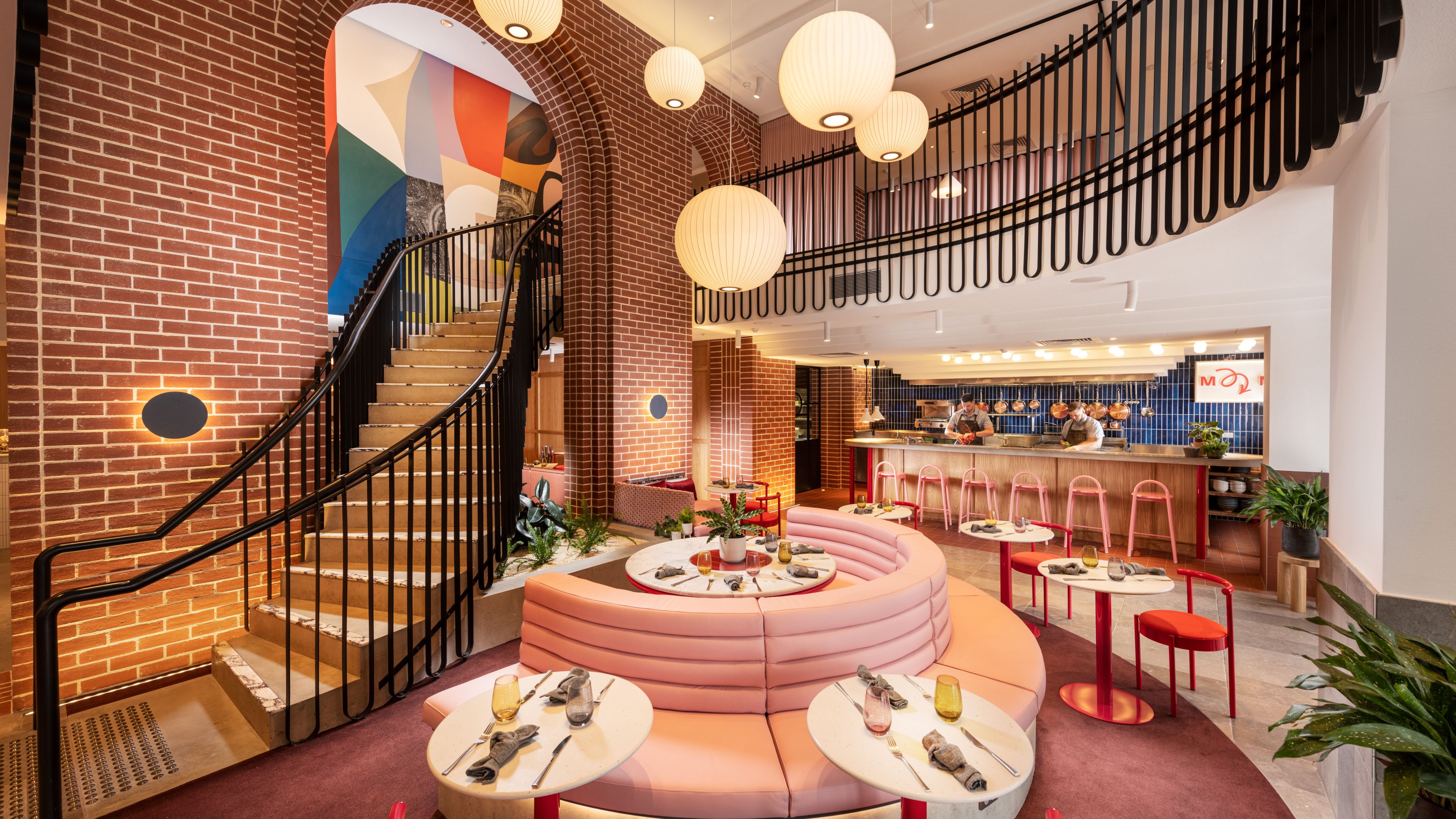
Before the mid-2000s, boutique hotels were often independent properties that lacked the consistency many business travelers required. Hotel Indigo changed this by introducing the “Neighborhood Story” philosophy. Unlike traditional hotel chains where every room in London looks identical to a room in Tokyo, no two Hotel Indigo properties are the same.
The ownership group mandates that each hotel must reflect the local culture, history, and geography of its surroundings. For instance, a property in New York City might feature industrial aesthetics reflecting its history as a garment district, while a location in Bali would emphasize traditional Indonesian craftsmanship and tropical serenity.
Global Expansion and Signature Neighborhood Stories
Since its Atlanta debut, the brand has seen meteoric growth. IHG Hotels & Resorts has strategically expanded the brand into major metropolitan hubs and secondary cities alike. You can now find Hotel Indigo properties in Paris, Berlin, Singapore, and Shanghai.

Each expansion is carefully curated. The corporate team works with local architects and designers to ensure that the “story” of the hotel is authentic. This approach has allowed the brand to capture a significant share of the millennial and Gen Z travel market, demographics that value authenticity and “Instagrammable” aesthetics over corporate uniformity.
The Unique Business Model: Ownership vs. Management
While IHG Hotels & Resorts “owns” the brand Hotel Indigo, the physical buildings and the day-to-day operations are often structured through complex financial arrangements common in the hospitality industry.
The Role of Independent Property Owners
In the majority of cases, IHG Hotels & Resorts does not own the real estate. Instead, the company follows an “asset-light” business model. The actual owners of the buildings are typically private equity firms, real estate investment trusts (REITs), or individual developers. These owners enter into a franchise agreement with IHG Hotels & Resorts to use the Hotel Indigo name, design standards, and booking systems.
For example, a developer in Sydney, Australia, might build a hotel and pay a franchise fee to IHG Hotels & Resorts to brand it as a Hotel Indigo. This model allows the parent company to expand rapidly without the heavy financial burden of purchasing and maintaining thousands of properties worldwide.
Franchise Standards and Brand Identity
Even though the local owners have some creative freedom, IHG Hotels & Resorts maintains strict brand standards to ensure quality. This includes everything from the quality of the linens to the presence of locally inspired food and beverage programs. The parent company provides the “Brand Standards Manual,” but the local owner is responsible for executing that vision through their chosen management team.
In some instances, IHG Hotels & Resorts may also act as the management company, meaning they not only provide the brand name but also hire the staff and run the daily operations on behalf of the building owner. This ensures a high level of professional oversight and consistency across the global portfolio.
Competitive Landscape and Future Outlook
In the current market, Hotel Indigo does not exist in a vacuum. The success of the boutique-corporate hybrid model has led other major players, such as Marriott International, Hilton Worldwide, and Hyatt Hotels Corporation, to launch or acquire their own lifestyle brands.
How Hotel Indigo Compares to Marriott and Hilton Alternatives
Hotel Indigo faces stiff competition from brands like Tribute Portfolio and W Hotels (owned by Marriott International), as well as Curio Collection by Hilton and Canopy by Hilton. Each of these brands targets the same upscale traveler looking for a “vibe” rather than just a bed.
However, Hotel Indigo distinguishes itself through its specific focus on the “neighborhood” rather than just general “luxury.” While a W Hotels property might focus on high-energy nightlife and fashion, Hotel Indigo tends to be more grounded, focusing on local history, neighborhood cafes, and community-driven art. This has helped it carve out a loyal niche within the IHG Hotels & Resorts family, particularly for travelers who want a sophisticated but approachable environment.

Sustainable Growth and the Future of Boutique Travel
As we look toward the future of the brand under the stewardship of IHG Hotels & Resorts, the focus is shifting toward sustainability and technology. Modern travelers are increasingly concerned with the environmental impact of their stays. The parent company has responded by implementing the “Journey to Tomorrow” program, which aims to reduce carbon footprints and waste across all brands, including Hotel Indigo.
Furthermore, the brand is expanding its presence in the Middle East and China, where the demand for unique, culturally relevant accommodation is skyrocketing. With newer sister brands like Vignette Collection and Voco Hotels joining the IHG Hotels & Resorts portfolio, the company is well-positioned to offer a full spectrum of lifestyle choices.
In conclusion, while the individual property owners of a Hotel Indigo may vary from New York to London, the brand’s heart and soul belong to IHG Hotels & Resorts. By balancing the creative freedom of a boutique hotel with the institutional strength of a global leader, Hotel Indigo has redefined what it means to stay local while traveling global. Whether you are a business traveler or a leisure seeker, understanding this ownership structure highlights the blend of innovation and stability that characterizes one of the world’s most successful hotel brands.
LifeOutOfTheBox is a participant in the Amazon Services LLC Associates Program, an affiliate advertising program designed to provide a means for sites to earn advertising fees by advertising and linking to Amazon.com. Amazon, the Amazon logo, AmazonSupply, and the AmazonSupply logo are trademarks of Amazon.com, Inc. or its affiliates. As an Amazon Associate we earn affiliate commissions from qualifying purchases.