
Navigating the highways and byways of Oklahoma can be a seamless and enjoyable experience, especially when you’re well-informed about potential costs. For many travelers, a key consideration is understanding the toll roads and their associated fees. Whether you’re embarking on a cross-state adventure, a quick business trip, or exploring the rich tapestry of Oklahoma‘s attractions, knowing the toll situation can help you budget effectively and plan your route with confidence. This guide delves into the specifics of tolls in Oklahoma, covering the major toll roads, how to pay, and factors that might influence your costs, all within the context of making your travel through this vibrant state as smooth as possible.

Oklahoma‘s toll system is primarily managed by the Oklahoma Turnpike Authority (OTA). The OTA operates a network of toll roads, often referred to as turnpikes, that are crucial for facilitating efficient travel across the state. These roads are designed to provide higher-speed, limited-access routes, bypassing congested areas and connecting major cities and points of interest. Understanding which roads are tolled and how they are structured is the first step to managing your travel expenses.
The primary purpose of toll roads is to generate revenue for their construction, maintenance, and future development. This allows for continuous improvements to the road infrastructure, ensuring a safer and more efficient travel experience for all users. While some drivers prefer to avoid tolls altogether, utilizing alternative routes, many find that the time savings and convenience offered by turnpikes justify the added cost, particularly for longer journeys or when time is of the essence.
Understanding Oklahoma’s Toll Road Network
Oklahoma boasts a comprehensive network of turnpikes, each serving a distinct purpose in connecting various regions of the state. The Oklahoma Turnpike Authority (OTA) oversees these vital arteries, ensuring they are well-maintained and accessible. Familiarizing yourself with the names and locations of these turnpikes is essential for any traveler planning to utilize them.
Major Turnpikes in Oklahoma
The state’s toll road system is comprised of several key turnpikes, each playing a significant role in facilitating travel:
-
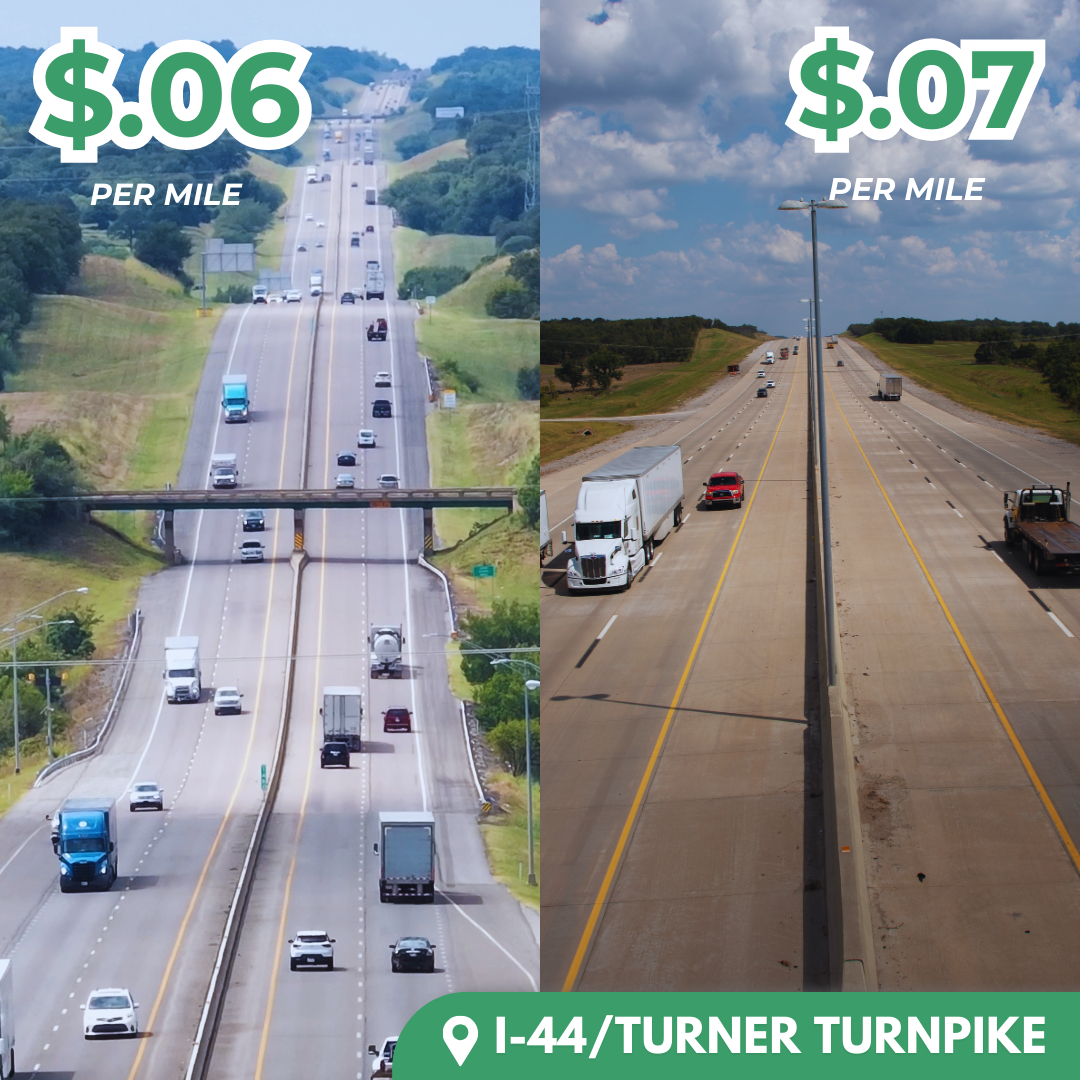
Turner Turnpike: This is one of the oldest and most heavily utilized turnpikes in Oklahoma. It connects Oklahoma City to Tulsa, two of the state’s largest metropolitan areas. The Turner Turnpike is a vital corridor for commerce and tourism, linking these two cultural and economic hubs. Traveling this route offers a direct and efficient way to move between these important cities, saving considerable time compared to non-tolled alternatives.
-
Will Rogers Turnpike: Extending eastward from Tulsa, the Will Rogers Turnpike is another crucial segment of Oklahoma‘s toll road system. It primarily connects Tulsa to the Missouri border, passing through areas that offer opportunities for exploring various attractions and experiencing local culture. This turnpike is a key component for those traveling towards the Midwest and beyond.
-
Cimarron Turnpike: Serving the northern part of Oklahoma, the Cimarron Turnpike runs between Tulsa and Oklahoma City, offering an alternative to the Turner Turnpike. It provides access to communities and landscapes in the northern regions, contributing to the state’s overall connectivity.
-
Cherokee Turnpike: Located in the northeastern corner of Oklahoma, the Cherokee Turnpike connects the Will Rogers Turnpike to the Kansas border. This turnpike is instrumental for travelers heading north into Kansas or for those exploring the scenic beauty of northeastern Oklahoma.
-
Muskogee Turnpike: This turnpike connects Tulsa to Muskogee, providing direct access to a city known for its rich history and attractions. It facilitates travel for those interested in exploring the southeastern part of the state.
-
Indian Nation Turnpike: Running south from the vicinity of Muskogee towards the Texas border, the Indian Nation Turnpike is a significant route for travel in eastern Oklahoma. It connects numerous towns and offers access to various natural landmarks and historical sites in the region.
-
Kilpatrick Turnpike: This is a significant beltway around the northern and western sides of Oklahoma City. It plays a crucial role in alleviating traffic congestion within the Oklahoma City metropolitan area and provides a convenient bypass for through traffic, connecting various suburbs and major highways.
-
Broadway Extension: While often considered part of the Cimarron Turnpike, the Broadway Extension is the stretch of that turnpike that runs north from Oklahoma City‘s downtown core, providing direct access to northern suburbs and connecting to the Cimarron Turnpike itself.
-
Lakeshore Drive: In the Tulsa area, Lakeshore Drive also operates with tolling, providing access to areas around the Arkansas River and contributing to the local traffic management system.
Each of these turnpikes is designed to offer a fast, efficient, and safe travel experience. Understanding their routes will help you choose the most convenient path for your journey, whether you’re heading to a luxurious resort in the Ozarks, exploring the historic Chisholm Trail Museum, or enjoying a family trip to the Oklahoma City Zoo.
Paying Your Tolls: Options and Methods
Navigating Oklahoma‘s toll roads is made convenient through a variety of payment options, designed to suit different traveler preferences. The Oklahoma Turnpike Authority (OTA) has implemented modern systems to ensure a smooth passage.
Cash Payments
Historically, cash was the primary method for paying tolls. While many systems are transitioning to electronic methods, some toll plazas may still accept cash. This option is straightforward: you simply hand the required amount to the toll attendant or deposit it into the designated machine as you pass through the toll booth. However, it’s important to note that reliance on cash can sometimes lead to slight delays, especially during peak travel times, as transactions are processed individually.
PikePass
The most widely used and recommended method for paying tolls in Oklahoma is through PikePass. This electronic toll collection system allows drivers to pass through toll plazas without stopping. PikePass transponders are small electronic devices that are mounted on your vehicle’s windshield. When you pass through a designated PikePass lane, the transponder communicates with the overhead equipment, and the toll amount is automatically deducted from your pre-paid PikePass account.
Signing up for PikePass is a simple process, and it offers several advantages:
- Convenience: No need to stop or fumble for cash.
- Savings: PikePass users often receive discounted toll rates compared to cash or unregistered toll usage.
- Wider Acceptance: PikePass is interoperable with other toll collection systems in many surrounding states, making it incredibly useful for travelers who frequently venture beyond Oklahoma.
You can manage your PikePass account online, where you can check your balance, add funds, and view your transaction history. This makes budgeting for your travel even easier.
Toll by Plate
For drivers who do not have a PikePass transponder, Oklahoma utilizes a “Toll by Plate” system. In this scenario, cameras capture images of your license plate as you pass through a toll plaza. The Oklahoma Turnpike Authority then sends a bill to the registered owner of the vehicle for the tolls incurred.
While this system offers a cashless experience for those without a transponder, it’s generally more expensive than using PikePass. There is often an administrative fee added to the toll amount when bills are mailed. To avoid late fees and ensure smooth processing, it’s advisable to pay these bills promptly upon receipt. If you anticipate using Oklahoma‘s toll roads frequently, obtaining a PikePass is highly recommended to take advantage of the savings and convenience.
E-ZPass and Other Interoperable Transponders
If you already have a transponder from another state’s toll system, such as E-ZPass, it’s worth checking for interoperability. PikePass has agreements with several other toll agencies, meaning your existing transponder might be accepted on Oklahoma‘s turnpikes. This can be a significant advantage for frequent travelers, allowing them to use a single transponder across multiple states. Always check the latest interoperability agreements with the Oklahoma Turnpike Authority or your existing toll provider to confirm compatibility.
Factors Affecting Toll Costs
The amount you pay in tolls in Oklahoma can vary based on several factors. Understanding these elements will help you better estimate your travel expenses.
Distance Traveled
The most fundamental factor influencing toll costs is the distance you travel on a tolled road. Longer journeys naturally incur higher tolls. Each turnpike is divided into segments, and tolls are calculated based on the points at which you enter and exit the tolled system.
Vehicle Type
Toll rates are often differentiated based on the type of vehicle you are driving. Larger vehicles, such as trucks and RVs, typically pay higher tolls than standard passenger cars. This is usually determined by the number of axles and the vehicle’s height or weight. The Oklahoma Turnpike Authority has specific classifications for different vehicle types, so it’s wise to be aware of your vehicle’s classification if you’re driving something larger than a typical car or motorcycle.
Payment Method
As previously discussed, your chosen payment method can significantly impact the cost. Using a PikePass transponder generally provides the lowest per-toll rate due to discounts offered to frequent users. Paying with cash, where available, might be slightly more expensive than PikePass, and using the “Toll by Plate” system without a transponder is typically the most expensive option due to added administrative fees.
Time of Day or Day of Week
While Oklahoma‘s toll system is not as heavily reliant on variable pricing based on time of day as some other states, it’s always a good practice to check for any specific surcharges or changes during peak travel periods. However, generally, the rates are more standardized.
Specific Turnpike Regulations
Each turnpike might have slightly different tolling points and rate structures. For instance, some sections might have fewer toll plazas, while others might have more frequent collection points. This is particularly true for urban bypasses like the Kilpatrick Turnpike, which can accumulate tolls over shorter distances due to its design.

Future Developments and Toll Adjustments
The Oklahoma Turnpike Authority periodically reviews and may adjust toll rates to account for inflation, maintenance costs, and funding for new projects. It’s advisable to check the official OTA website for the most current toll rate information before embarking on your journey, especially for extended trips or when planning routes that include multiple turnpikes. These adjustments are usually announced in advance.
For those planning an extended stay or frequent travel in Oklahoma, considering a PikePass is a wise investment. It not only offers cost savings but also simplifies the payment process, allowing you to focus more on enjoying the diverse attractions of the state, from the vibrant arts scene in Tulsa to the historic landmarks in Oklahoma City, or even a relaxing getaway to a lakeside resort. Planning your travel with toll information in mind will ensure a smoother, more predictable, and budget-friendly experience as you explore the Sooner State.
LifeOutOfTheBox is a participant in the Amazon Services LLC Associates Program, an affiliate advertising program designed to provide a means for sites to earn advertising fees by advertising and linking to Amazon.com. Amazon, the Amazon logo, AmazonSupply, and the AmazonSupply logo are trademarks of Amazon.com, Inc. or its affiliates. As an Amazon Associate we earn affiliate commissions from qualifying purchases.