
In the modern digital era, the landscape of the global travel and accommodation industry is dominated by a few massive conglomerates that oversee hundreds of smaller brands. When travelers search for a place to stay in London or a luxury suite in Paris, they often turn to Hotels.com. As one of the most recognizable names in the online travel agency (OTA) sector, Hotels.com has become a staple for millions of users worldwide. However, the question of who actually owns this platform reveals a complex history of corporate acquisitions, strategic mergers, and the centralization of the booking market.
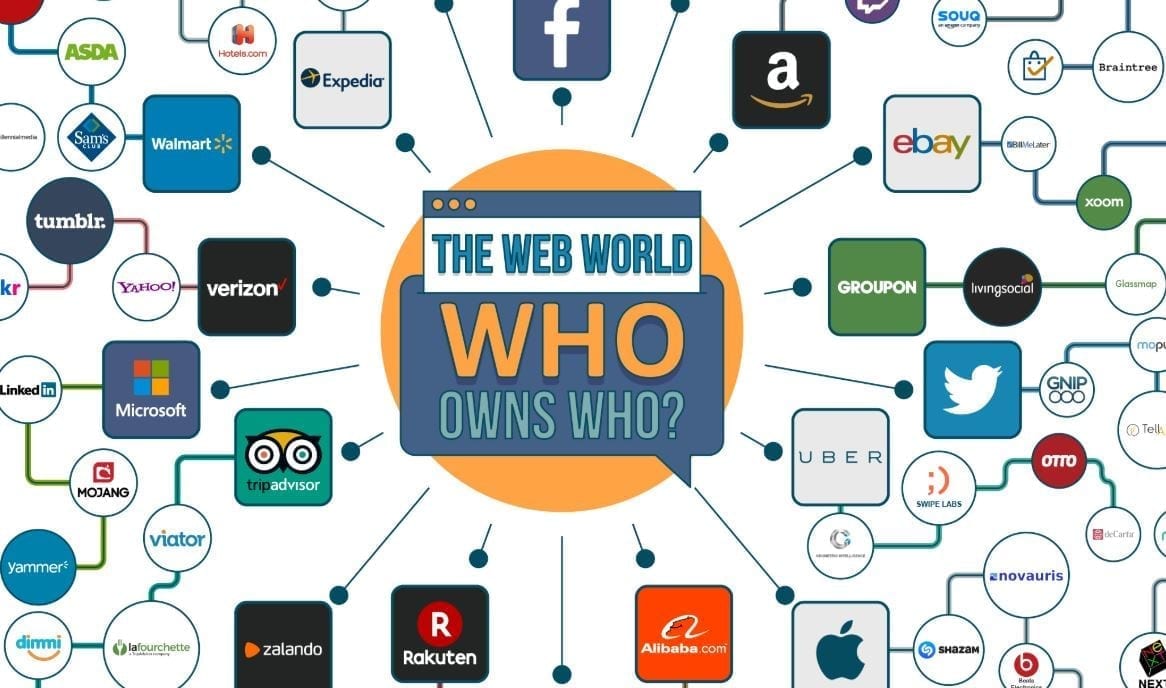
Hotels.com is currently owned and operated by Expedia Group, a global travel technology giant headquartered in Seattle, Washington. This ownership places the platform within a vast network of travel-related services that shape how we book everything from short-term apartments in New York City to sprawling resorts in Dubai. Understanding the corporate architecture behind Hotels.com provides essential insight into the current state of the accommodation industry and the competitive forces that drive pricing, loyalty programs, and user experience.
The Corporate Lineage of Hotels.com
The journey of Hotels.com from a localized startup to a subsidiary of one of the world’s largest travel companies is a testament to the rapid evolution of the internet economy. To understand its current standing under Expedia Group, one must look back at its origins and the pivotal moments that led to its acquisition.
From HRN to a Global Powerhouse
Hotels.com was not always known by its current name. It was founded in 1991 as the Hotel Reservations Network (HRN) in Dallas, Texas. Initially, the company focused on providing a toll-free telephone service for booking hotel rooms at discounted rates in major cities across the United States. This was a revolutionary concept at the time, as it gave consumers more power to compare prices before the internet was a household utility.
As the 1990s progressed and the World Wide Web began to take hold, HRN recognized the potential of online booking. In 2002, the company underwent a major rebranding and officially became Hotels.com. This strategic move secured one of the most valuable domain names in the travel industry, positioning the brand as the primary destination for anyone seeking accommodations online.
The Transition to Expedia Group
The ownership history took a significant turn in 2001 when USA Networks, later known as InterActiveCorp (IAC), acquired a majority stake in the company. Under the leadership of IAC, Hotels.com was grouped with other emerging travel brands, including Expedia. In 2005, IAC decided to spin off its travel-related businesses into a separate publicly traded entity, creating what is now known as Expedia Group.
Since then, Hotels.com has remained a cornerstone of the Expedia Group portfolio. This corporate structure allows Hotels.com to share technological infrastructure, data analytics, and marketing resources with other major brands like Vrbo, Orbitz, and Travelocity. This consolidation has made Expedia Group a dominant force in North America and a fierce competitor on the global stage.
The Role of Hotels.com in the Global Accommodation Market
Within the vast ecosystem of Expedia Group, Hotels.com serves a specific niche focused on variety, ease of use, and traveler loyalty. While other platforms might emphasize flights or car rentals, Hotels.com has maintained its identity as the go-to specialist for accommodation, ranging from boutique hotels in Tokyo to family-friendly villas in Florida.
Comparing the Giants: Expedia vs. Booking Holdings
To understand the ownership of Hotels.com, one must also understand its primary rival: Booking Holdings. The global OTA market is essentially a duopoly. On one side, you have Expedia Group (owning Hotels.com, Trivago, and Hotwire). On the other side, you have Booking Holdings, which owns Booking.com, Agoda, Priceline, and Kayak.
This rivalry shapes the booking experience for travelers in Europe, Asia, and beyond. While Booking.com has historically had a stronger foothold in Germany and France, Hotels.com remains a dominant player in the USA and Canada. The ownership by Expedia Group gives Hotels.com the financial backing to compete with the massive marketing budgets of these international competitors.
The Impact of Consolidation on Traveler Choice
The fact that a single parent company owns so many different booking sites has led to questions regarding market transparency. When a traveler uses Trivago to compare prices, they might see listings from Hotels.com and Expedia appearing alongside each other. Since all three are owned by Expedia Group, the competition is, in some ways, internal.

However, for the consumer, this consolidation often leads to better integration. If you are booking a stay at the Marriott in Rome or a Hilton in Las Vegas, the ownership of the platform ensures that the inventory is updated in real-time across multiple sites, reducing the likelihood of overbooking and ensuring a wider variety of choices for the user.
Maximizing the Booking Experience through Ownership Synergies
One of the greatest benefits of Hotels.com being part of the Expedia Group family is the shared loyalty and rewards infrastructure. For years, Hotels.com was famous for its “Stay 10 nights, get one free” program, which was a major draw for frequent travelers visiting cities like Sydney or Chicago.
The Evolution of Loyalty Programs: One Key
In a major strategic shift, Expedia Group recently launched “One Key,” a unified loyalty program that integrates Hotels.com, Expedia, and Vrbo. This move highlights the power of the parent company’s ownership. Instead of earning rewards that only apply to hotels, travelers can now earn and spend rewards across a broader spectrum of accommodations and travel services.
Whether you are booking a luxury apartment through Vrbo in Mexico or a business hotel through Hotels.com in Singapore, the One Key program provides a cohesive experience. This synergy is a direct result of the centralized ownership, allowing the company to leverage its vast scale to offer value that smaller, independent booking sites cannot match.
Technological Innovations in Modern Booking Platforms
The ownership by a tech-heavy parent company like Expedia Group also means that Hotels.com benefits from advanced Artificial Intelligence and machine learning algorithms. These technologies help personalize searches for users looking for specific amenities, such as “pet-friendly” hotels in Austin or “rooftop pools” in Bangkok.
Furthermore, the integration of customer service resources across the group means that travelers have access to more robust support systems. While Hotels.com maintains its own front-end identity, the back-end operations are powered by the global reach of Expedia Group, ensuring that users in Australia or the United Kingdom receive consistent service levels regardless of their location.
Navigating the Future of Digital Accommodations
As the travel industry continues to recover and grow, the ownership of platforms like Hotels.com will likely become even more influential. The shift toward “alternative accommodations”—such as those found on Airbnb—has forced traditional booking platforms to adapt.
The Rise of Alternative Accommodations and Boutique Stays
Under the umbrella of Expedia Group, Hotels.com has expanded its inventory beyond traditional hotels. Today, a search for a place to stay in Barcelona or Amsterdam on the site will yield results for apartments, hostels, and even unconventional stays like treehouses or houseboats. This diversification is part of a broader strategy to compete with the growing popularity of vacation rentals.
The ownership structure allows Hotels.com to cross-list properties with Vrbo, ensuring that property owners get maximum exposure and travelers get the best possible range of choices. This holistic approach to the accommodation market is a hallmark of the Expedia Group philosophy.
The Importance of Reviews and Transparency
In an industry built on trust, the role of verified reviews is paramount. Hotels.com leverages its massive user base to provide millions of reviews for properties ranging from the InterContinental Hotels Group to independent bed and breakfasts in Ireland. Being part of a major corporate entity provides the resources necessary to filter out fraudulent reviews and maintain a high standard of transparency.
As the industry moves toward more sustainable travel, Hotels.com and its parent company are also focusing on highlighting eco-friendly accommodations. This initiative is particularly important for travelers visiting environmentally sensitive areas like Iceland or the Galapagos Islands. By using its platform to promote green practices, Expedia Group is helping to shape the future of responsible accommodation.
In conclusion, while the average traveler might simply see Hotels.com as a convenient website for finding a room in Hong Kong or Los Angeles, it is actually a vital component of the Expedia Group empire. This ownership provides the platform with the technological prowess, marketing reach, and loyalty infrastructure needed to remain a leader in the highly competitive global accommodation market. Whether you are looking for a budget stay in India or a five-star resort in Italy, the influence of Expedia Group ensures that Hotels.com remains at the forefront of the digital booking revolution.
LifeOutOfTheBox is a participant in the Amazon Services LLC Associates Program, an affiliate advertising program designed to provide a means for sites to earn advertising fees by advertising and linking to Amazon.com. Amazon, the Amazon logo, AmazonSupply, and the AmazonSupply logo are trademarks of Amazon.com, Inc. or its affiliates. As an Amazon Associate we earn affiliate commissions from qualifying purchases.