
Alaska, often called the Last Frontier, conjures images of vast wilderness, towering glaciers, and incredible wildlife. For many aspiring travelers, the allure of an Alaskan adventure is undeniable, but a fundamental question often arises: “How long is summer in Alaska?” Understanding the nuances of the Alaskan summer is not merely a matter of dates on a calendar; it’s about grasping the unique climate, the endless daylight, and the optimal windows for experiencing the state’s unparalleled beauty. This guide delves into the specifics of Alaska’s summer, offering insights crucial for planning an unforgettable journey to this majestic destination.
Unpacking Alaska’s Unique Summer Season
Unlike temperate regions where summer is a clearly defined, three-month period, Alaska’s summer is a more complex and often fleeting phenomenon, heavily influenced by its high latitude and diverse geography. It’s a season of vibrant life, profound daylight, and spectacular natural displays, but its duration and characteristics vary significantly across the state.
Defining “Summer” in the Last Frontier
While meteorological summer officially spans June, July, and August, the “travel summer” in Alaska often stretches a bit further, from late May through early September. This broader definition captures the shoulder seasons when conditions are favorable for tourism, albeit with variations in temperature, daylight, and available activities. The perception of summer in Alaska is intrinsically linked to the retreat of snow and ice, the flourishing of flora and fauna, and the emergence of the Midnight Sun.
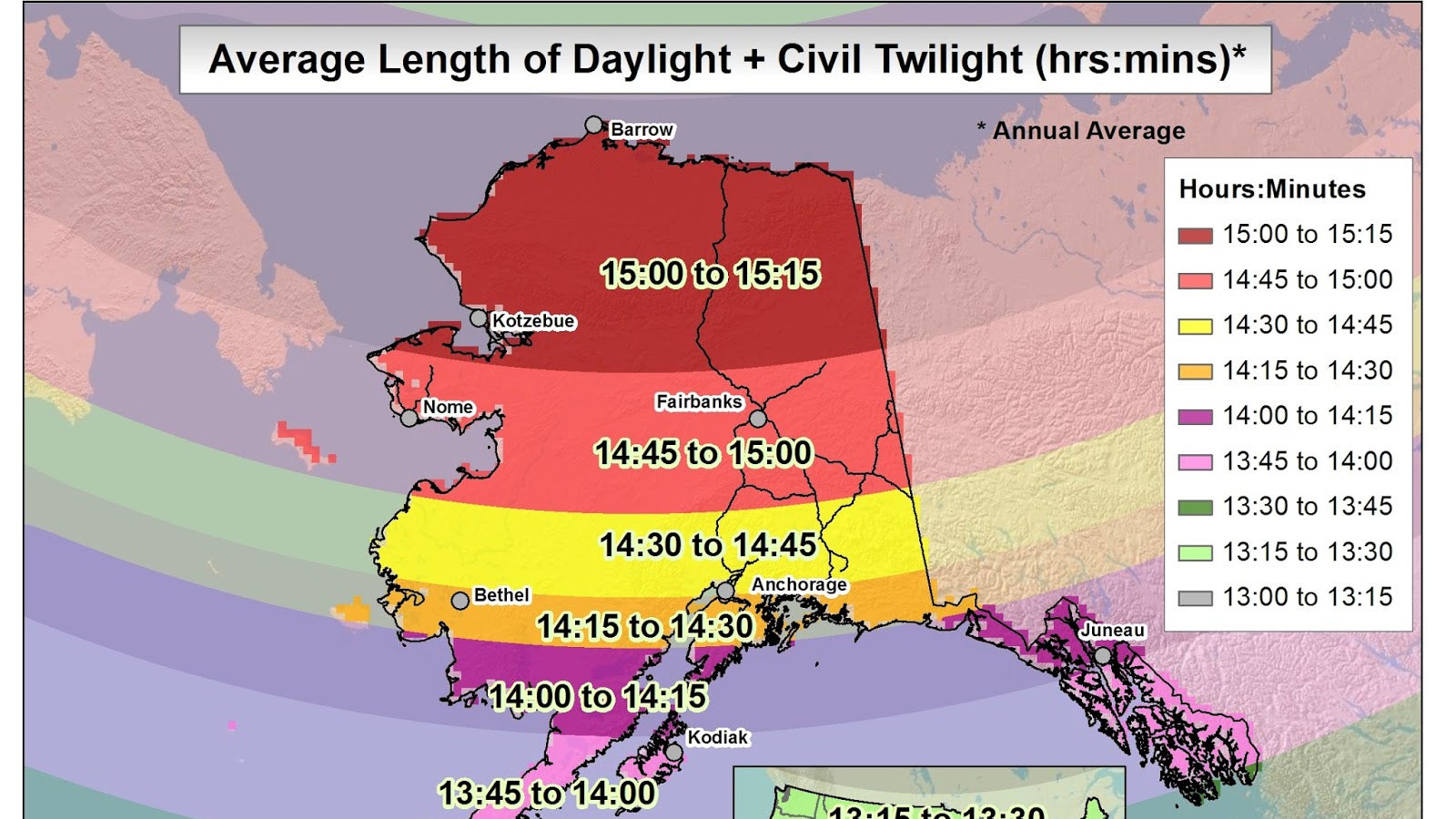
Geographically, Alaska is immense, and its climate zones range from maritime in the south-central and southeastern regions to continental in the interior and arctic in the far north. Consequently, when summer arrives and how long it lingers differs. Coastal areas like Juneau, Seward, and those along the Inside Passage experience milder, wetter summers. The Interior, home to cities like Fairbanks and near Denali National Park and Preserve, sees warmer, drier days but also colder nights. The Arctic Circle region has the shortest, coolest summer, with some areas experiencing continuous daylight for months.
The Phenomenon of Daylight: Midnight Sun and Its Impact
Perhaps the most defining characteristic of Alaskan summer is the “Midnight Sun.” Due to the Earth’s tilt, regions at high latitudes experience extended periods of daylight during their summer months. In Alaska, this means incredibly long days, especially from late May through late July. In Fairbanks, for instance, the sun barely dips below the horizon around the summer solstice, providing nearly 24 hours of usable daylight. Further north, above the Arctic Circle, the sun literally doesn’t set for weeks.
This abundance of light profoundly impacts the travel experience. It allows for longer days of exploration, hiking late into the evening, and enjoying activities that would be restricted by darkness elsewhere. It fuels the growth of giant vegetables, invigorates wildlife, and creates a unique atmosphere where time seems to stretch. However, it also requires travelers to adapt, often necessitating sleep masks or blackout curtains to ensure restful sleep. The long daylight hours are a core reason why visitors flock to Alaska during this period, seeking to maximize every moment of their adventure.
Key Travel Windows: When to Visit Alaska
While summer technically spans three months, the optimal time to visit depends on individual priorities, interests, and tolerance for crowds. Each segment of the Alaskan summer offers a distinct flavor.
Early Summer (June): Awakening and Discovery
Late May and June mark the beginning of Alaska’s bustling tourist season. The landscape awakens from its winter slumber, snow begins to melt, and wildflowers start to bloom. This period offers several advantages for travelers. Crowds are generally lighter than in peak July, and accommodation and tour prices might be slightly lower. Wildlife, especially moose and bears, are active and often visible with their young. River levels are high due to snowmelt, making for exhilarating rafting experiences.
However, early summer also brings cooler temperatures, especially in the mornings and evenings, and the possibility of late-season snow in higher elevations. Some hiking trails might still be muddy or partially covered in snow. Mosquitoes begin to emerge, particularly in damp areas. Despite these minor considerations, June is an excellent time for those who prefer a quieter experience and want to witness the Alaskan wilderness in its freshest, greenest state.
Mid-Summer (July): Peak Season and Warmest Days
July is unequivocally the peak of the Alaskan summer. The weather is typically at its warmest and most stable, with average daily temperatures ranging from 60-70°F (15-21°C) in many areas, though it can soar higher in the Interior. All tours, attractions, and services are fully operational. This is prime time for salmon runs, which in turn attract an abundance of bears, creating spectacular wildlife viewing opportunities at places like Brooks Falls in Katmai National Park and Preserve.
The downside of July’s perfection is the crowds. Popular destinations like Anchorage, Seward, and Denali National Park and Preserve can be bustling, and booking accommodations, tours, and transportation (like the Alaska Railroad) well in advance is essential. Prices are generally at their highest. For those seeking the full, vibrant Alaskan summer experience with guaranteed access to all activities and the best chance for warm weather, July is the ideal choice, provided they plan meticulously.
Late Summer (August-Early September): Fall Colors and Aurora Potential
As August progresses into early September, the Alaskan summer begins its graceful transition into autumn. The first hints of fall foliage emerge, painting the landscape in stunning reds, oranges, and yellows, particularly in the Interior and mountainous regions. Crowds begin to thin out, offering a more serene travel experience while most attractions remain open. Temperatures become cooler and crisper, especially at night.
A unique advantage of late summer is the increased chance of witnessing the aurora borealis, or Northern Lights. As the days shorten and darkness returns to the night sky, the aurora becomes more visible, particularly from late August onwards in areas like Fairbanks and north. While temperatures drop and rain becomes more frequent, the beauty of the changing leaves and the potential for aurora viewing make late summer an incredibly rewarding time to visit, especially for photographers and those seeking a different kind of Alaskan magic. By mid-September, many seasonal businesses begin to close, signaling the end of the travel summer.
Must-Experience Alaskan Summer Adventures
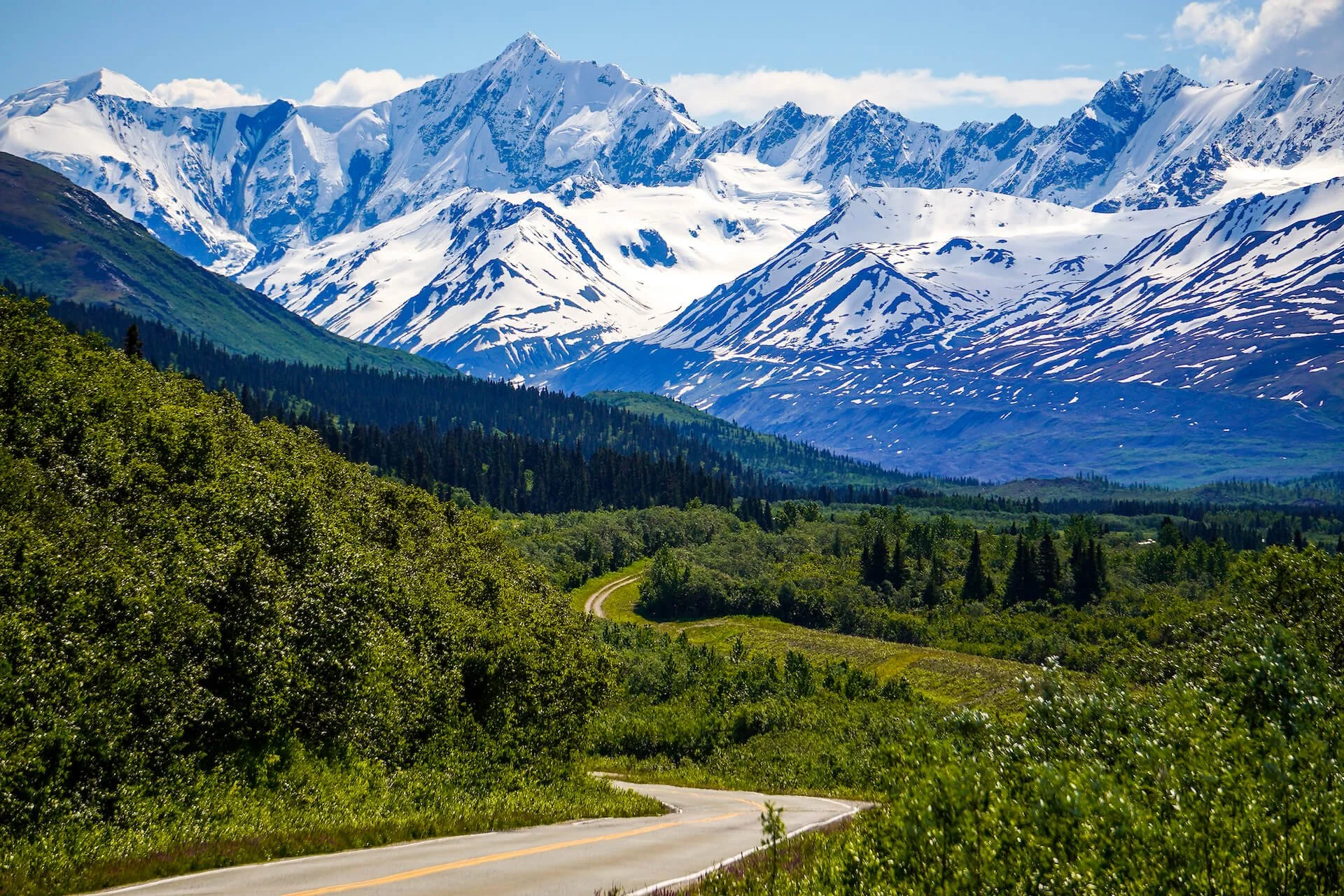
Regardless of when you visit within the summer window, Alaska offers an astounding array of activities and sights that capitalize on the long daylight hours and vibrant natural world.
Iconic National Parks and Wilderness Areas
Alaska is home to an incredible eight national parks, many of which are best explored in summer. Denali National Park and Preserve, with its majestic Mount McKinley (also known as Denali), offers bus tours deep into the wilderness, providing unparalleled wildlife viewing and breathtaking vistas. Kenai Fjords National Park is famous for its tidewater glaciers and marine wildlife cruises departing from Seward. Wrangell-St. Elias National Park and Preserve, the largest national park in the US, is a mecca for backcountry adventurers, offering glacier trekking, hiking, and mountaineering. Glacier Bay National Park and Preserve, accessible primarily by cruise ship or small plane from Juneau or Gustavus, showcases dramatic glacial landscapes and abundant marine life. Each park provides a unique window into Alaska’s diverse ecosystems.
Wildlife Viewing Extravaganzas
Summer is prime time for wildlife viewing in Alaska. Bears—black, grizzly, and even polar bears in the far north—are actively feeding. Coastal waters teem with marine mammals: humpback whales breaching, orcas hunting, sea otters frolicking, and seals basking. Birdwatchers will delight in the migratory birds that return to nest. Land mammals like moose, caribou, Dall sheep, and wolves are frequently sighted, especially along park roads and hiking trails. Guided tours, whether by boat, bus, or small plane, significantly enhance the chances of unforgettable wildlife encounters while ensuring visitor safety and respect for the animals.
Outdoor Activities for Every Traveler
The long summer days invite endless outdoor pursuits. Hiking trails crisscross the state, from easy walks near cities to multi-day backcountry treks. Kayaking and rafting are popular on Alaska’s numerous rivers and coastal waters, offering unique perspectives of glaciers and wildlife. Fishing for salmon and halibut is a major draw, with charter trips available from towns like Homer, Seward, and Ketchikan. Flightseeing tours provide stunning aerial views of glaciers, mountains, and vast wilderness areas. Even opportunities for glacier walks, dog mushing on dry land, and gold panning can be found, catering to a wide range of interests and adventure levels.
Planning Your Alaskan Summer Trip
Effective planning is paramount for a successful Alaskan summer vacation, especially given the state’s popularity and the unique challenges it presents.
Choosing Your Destination and Itinerary
Alaska’s vastness means you cannot see it all in one trip. Decide whether you prefer coastal adventures (like a cruise along the Inside Passage visiting towns such as Sitka and Ketchikan), an Interior exploration focused on Denali National Park and Preserve and Fairbanks, or a combination. Popular starting points include Anchorage, the state’s largest city and a major transportation hub, and Juneau, the capital, which is only accessible by air or sea. Consider a trip on the Alaska Railroad for scenic travel between key destinations like Seward, Anchorage, Talkeetna, and Fairbanks. Crafting a realistic itinerary that accounts for travel time between locations is crucial.
Accommodation and Logistics
Due to the limited summer season and high demand, accommodations, from hotels in Anchorage to wilderness lodges near Denali National Park and Preserve, book up quickly. It is highly recommended to reserve lodging, rental cars, and popular tours months in advance, especially for July and early August. Transportation within Alaska often involves a mix of driving, rail, small planes, and ferries. Rental cars are essential for flexibility in many regions, but consider that some areas, like Juneau, are not connected by road to the rest of the North American highway system.
Packing Essentials for Alaskan Summers
Despite it being summer, Alaska’s weather can be unpredictable, with sudden shifts in temperature and frequent rain. Layering is key: pack moisture-wicking base layers, insulating mid-layers (fleece or down), and a waterproof and windproof outer shell. Sturdy, waterproof hiking boots are a must. Don’t forget essentials like bug spray (especially for mosquitoes), sunscreen (due to extended daylight and reflective surfaces), a wide-brimmed hat, sunglasses, and a good quality eye mask to aid sleep during the Midnight Sun. Binoculars are invaluable for wildlife viewing, and a camera to capture the stunning landscapes is a given.
Beyond the Calendar: Maximizing Your Alaskan Summer
To truly appreciate the Alaskan summer, it’s about more than just checking off sights; it’s about embracing its unique rhythm and respecting its wild spirit.
Embracing the Midnight Sun
The extended daylight hours are a gift, allowing for more exploration and longer evenings spent under the glowing sky. Plan your days to take full advantage, perhaps an early morning hike followed by an evening boat tour. However, also be mindful of its impact on your sleep schedule. Stick to a routine, use blackout curtains, and consider an eye mask to ensure you get adequate rest and avoid “sun fatigue.”
Respecting Nature and Local Culture
Alaska is a wild place, and responsible tourism is vital. Stay on marked trails, dispose of waste properly, and maintain a safe distance from wildlife. Engage with local communities and learn about the diverse cultures, including the rich heritage of Alaska Natives. Support local businesses and endeavor to leave no trace, preserving the pristine environment for future generations.
In conclusion, “How long is summer in Alaska?” is a question with a dynamic answer, stretching from late May through early September. It’s a season defined not just by its calendar length, but by the intensity of its daylight, the richness of its wildlife, and the sheer magnitude of its natural beauty. By understanding these nuances and planning thoughtfully, travelers can unlock an Alaskan summer adventure that truly lasts a lifetime, regardless of its precise duration.
LifeOutOfTheBox is a participant in the Amazon Services LLC Associates Program, an affiliate advertising program designed to provide a means for sites to earn advertising fees by advertising and linking to Amazon.com. Amazon, the Amazon logo, AmazonSupply, and the AmazonSupply logo are trademarks of Amazon.com, Inc. or its affiliates. As an Amazon Associate we earn affiliate commissions from qualifying purchases.