
The arrival of Formula 1 in Las Vegas was more than just a sporting event; it was a cultural phenomenon that blended high-speed engineering with the unparalleled glitz of the world’s entertainment capital. When people ask “Who won F1 Las Vegas?” they are often looking for the name of the driver on the podium, but from a tourism perspective, the answer is much broader. The city itself, the spectators, and the local tourism industry all emerged as victors in a weekend that redefined what a global sporting spectacle can look like in Nevada.
The Las Vegas Grand Prix transformed the iconic Las Vegas Strip into a high-octane circuit, challenging the best drivers in the world under the glow of millions of LED lights. This fusion of sport and tourism created a unique atmosphere that can only be found in the United States, proving that the “winner” of the event was the collective experience of everyone involved.
The On-Track Champions: Who Actually Won the Race?
To answer the most literal interpretation of the question, we must look at the results of the inaugural 2023 race on the Las Vegas Strip Circuit. Despite early logistical hiccups, the race delivered one of the most exciting sporting contests of the season, featuring overtakes, drama, and a photo finish that kept fans on the edge of their seats.
Max Verstappen and Red Bull Racing
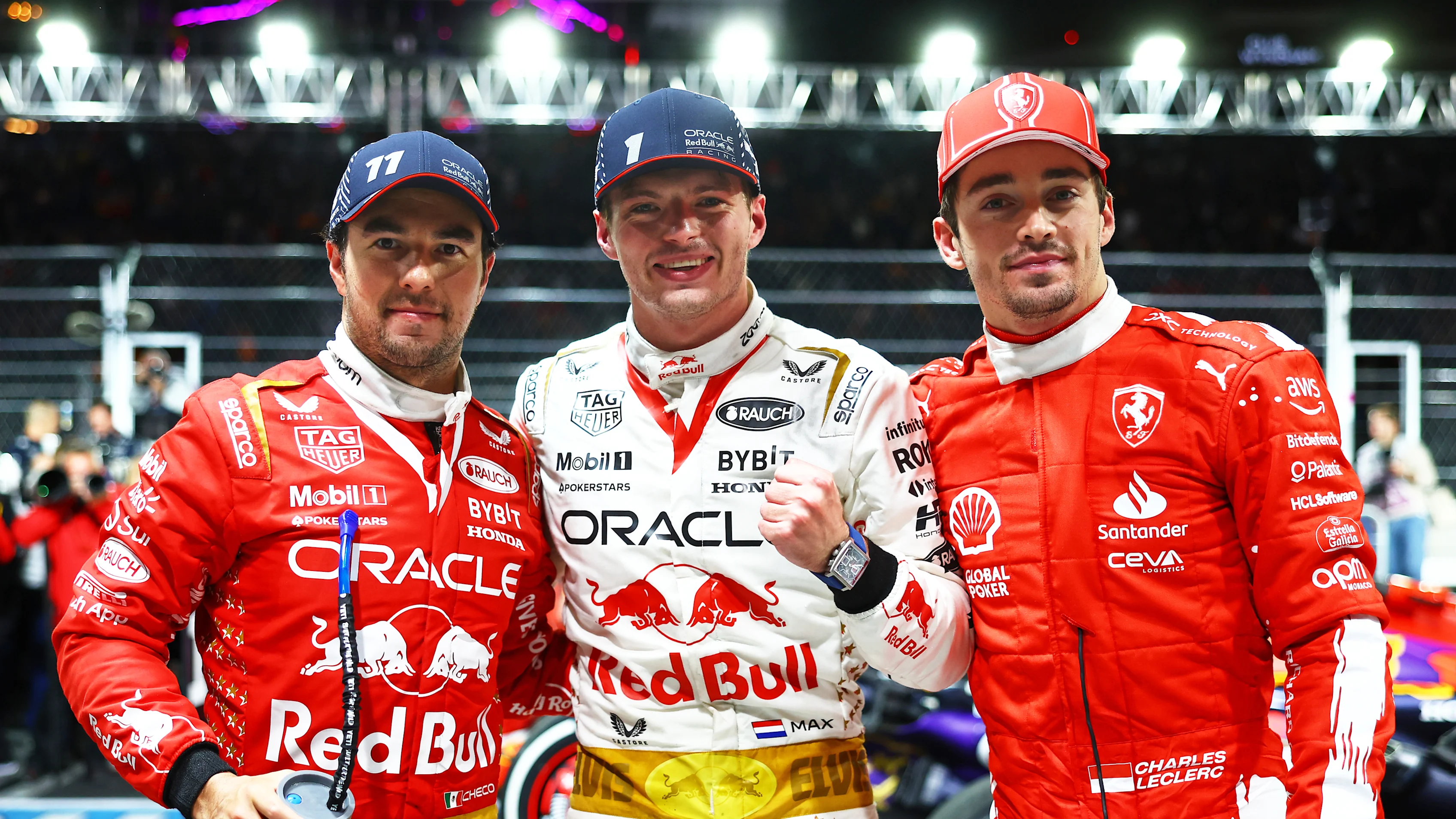
The official winner of the first modern Las Vegas Grand Prix was Max Verstappen, driving for Red Bull Racing. His victory was hard-fought, as he overcame a penalty and significant pressure from rivals to take the top spot. Max Verstappen famously celebrated by singing “Viva Las Vegas” over the team radio, a moment that quickly became a highlight for the tourism boards promoting the city. His dominance solidified his place in the history of Nevada sports, but the race was far from a one-man show.
Charles Leclerc and Ferrari’s Resilience
While Max Verstappen took the trophy, many argue that Charles Leclerc, driving for Ferrari, was the star of the weekend. Starting from pole position, Charles Leclerc showcased incredible skill on the cold asphalt of the Las Vegas streets. His last-lap overtake of Sergio Perez to secure second place was a masterclass in racing. For the thousands of fans who traveled from Italy and across the United States to support the Scuderia, Charles Leclerc was a winner in his own right, providing the competitive spark that the event needed to succeed.
The Tourism Triumph: How the City Redeemed the Spectacle
Beyond the checkered flag, the real winner was the tourism ecosystem of Las Vegas. The event was a massive gamble by Liberty Media, but it paid off by showcasing the city’s ability to host world-class events while maintaining its local charm and high-end hospitality standards.
The Sphere as a New Iconic Landmark
One of the biggest “winners” of the weekend was The Sphere. This revolutionary entertainment venue served as a giant backdrop for the race, displaying real-time data, driver helmets, and psychedelic visuals that mesmerized TV audiences worldwide. From a tourism standpoint, The Sphere became the ultimate marketing tool, proving that Las Vegas is at the forefront of architectural and digital innovation. It wasn’t just a building; it was a character in the race, changing the way spectators interacted with the circuit.
Gastronomy and the Paddock Club Experience
Las Vegas is world-renowned for its culinary scene, and the Formula 1 weekend took this to a new level. The Paddock Club offered a luxury tourism experience unlike any other, featuring menus curated by celebrity chefs from Wynn Las Vegas and Bellagio. For many visitors, the race was secondary to the food and beverage offerings. The city’s famous restaurants, such as those within Caesars Palace and MGM Grand, saw record bookings, proving that the intersection of sport and fine dining is a winning formula for high-end tourism.
Navigating the Strip: Essential Tips for Race Fans
For those planning to visit for future iterations of the Las Vegas Grand Prix, understanding the tourism logistics is vital. The “winner” of the weekend is often the prepared traveler who knows how to navigate a city that is partially closed for a high-speed race.
Best Vantage Points and Grandstands
Choosing where to watch the race is the most important decision for a visiting tourist. The East Harmon Zone near the start/finish line offers the most prestige, but the T-Mobile Zone at Sphere provides the most unique visual experience. For a more classic Las Vegas view, the grandstands across from the Bellagio Fountains allow fans to see the cars fly past the water displays. If you are looking for a more budget-friendly tourism experience, several “Fan Zones” offer screens and entertainment without the premium grandstand price tag.
Understanding the Logistics of Koval Lane and Flamingo Road
During race week, the typical flow of Las Vegas traffic is completely altered. Major arteries like Koval Lane and Flamingo Road become part of the circuit or restricted access zones. To truly “win” your trip, you must utilize the Las Vegas Monorail or plan for significant walking. Many seasoned tourists found that staying at a property like The Venetian or Caesars Palace allowed them to access the circuit on foot, avoiding the gridlock that plagued the city’s ride-share services during the late-night sessions.
The Future of Racing Tourism in Nevada
The success of the race has sparked a conversation about the long-term impact on Las Vegas culture. While there was initial pushback from locals regarding construction and road closures, the economic influx and global exposure have positioned the city as a permanent fixture on the international sporting calendar.
Long-term Economic Impact
Tourism officials in Nevada reported that the inaugural race weekend generated hundreds of millions of dollars in economic impact. This wasn’t just from ticket sales, but from hotel stays, luxury shopping at The Forum Shops at Caesars, and extended vacations in nearby areas like Red Rock Canyon. The city demonstrated that it could handle the influx of a different type of tourist—the international racing fan who may have never considered visiting Las Vegas before. In this sense, the local economy was the biggest winner of all.

Comparing Las Vegas to Monaco and Miami
With the addition of Las Vegas, the United States now hosts multiple races, including the Miami Grand Prix and the United States Grand Prix in Austin. However, Las Vegas is frequently compared to Monaco due to its street-circuit nature and focus on luxury. The “winner” of this comparison is subjective, but Las Vegas offers a level of accessibility and night-time vibrancy that Monte Carlo cannot match. The 10:00 PM start time was designed for European audiences, but it created a unique late-night tourism culture in Las Vegas that felt like a continuous party from the track to the casino floor.
The question of “Who Won F1 Las Vegas?” carries multiple layers. While Max Verstappen holds the trophy and Red Bull Racing holds the points, the city of Las Vegas holds a new reputation as the premier destination for sports tourism. The blend of high-speed racing and the iconic Las Vegas Strip proved to be a winning combination for the fans, the city, and the global image of Nevada. Whether you were there for the roar of the engines or the glamour of the after-parties, the inaugural Las Vegas Grand Prix was a victory for everyone who participated in this neon-lit chapter of racing history.
LifeOutOfTheBox is a participant in the Amazon Services LLC Associates Program, an affiliate advertising program designed to provide a means for sites to earn advertising fees by advertising and linking to Amazon.com. Amazon, the Amazon logo, AmazonSupply, and the AmazonSupply logo are trademarks of Amazon.com, Inc. or its affiliates. As an Amazon Associate we earn affiliate commissions from qualifying purchases.