
The grandeur and scale of a Las Vegas Strip icon like the Mandalay Bay Hotel naturally spark curiosity about its ownership and operational structure. This sprawling resort, a destination in itself, is more than just a collection of rooms and amenities; it’s a significant asset within the complex landscape of the hospitality and entertainment industry. Understanding its ownership delves into the intricate world of corporate entities, strategic acquisitions, and the business dynamics that drive the success of major integrated resorts.
The ownership of such a prominent establishment is not typically held by a single individual, but rather by a large, publicly traded corporation. This corporate structure allows for diversified investment, shared risk, and the ability to leverage vast resources for development, marketing, and operational excellence. For Mandalay Bay Hotel, its current stewardship is firmly in the hands of a company that has a significant footprint across the global gaming and hospitality sectors.
The Corporate Architect: MGM Resorts International
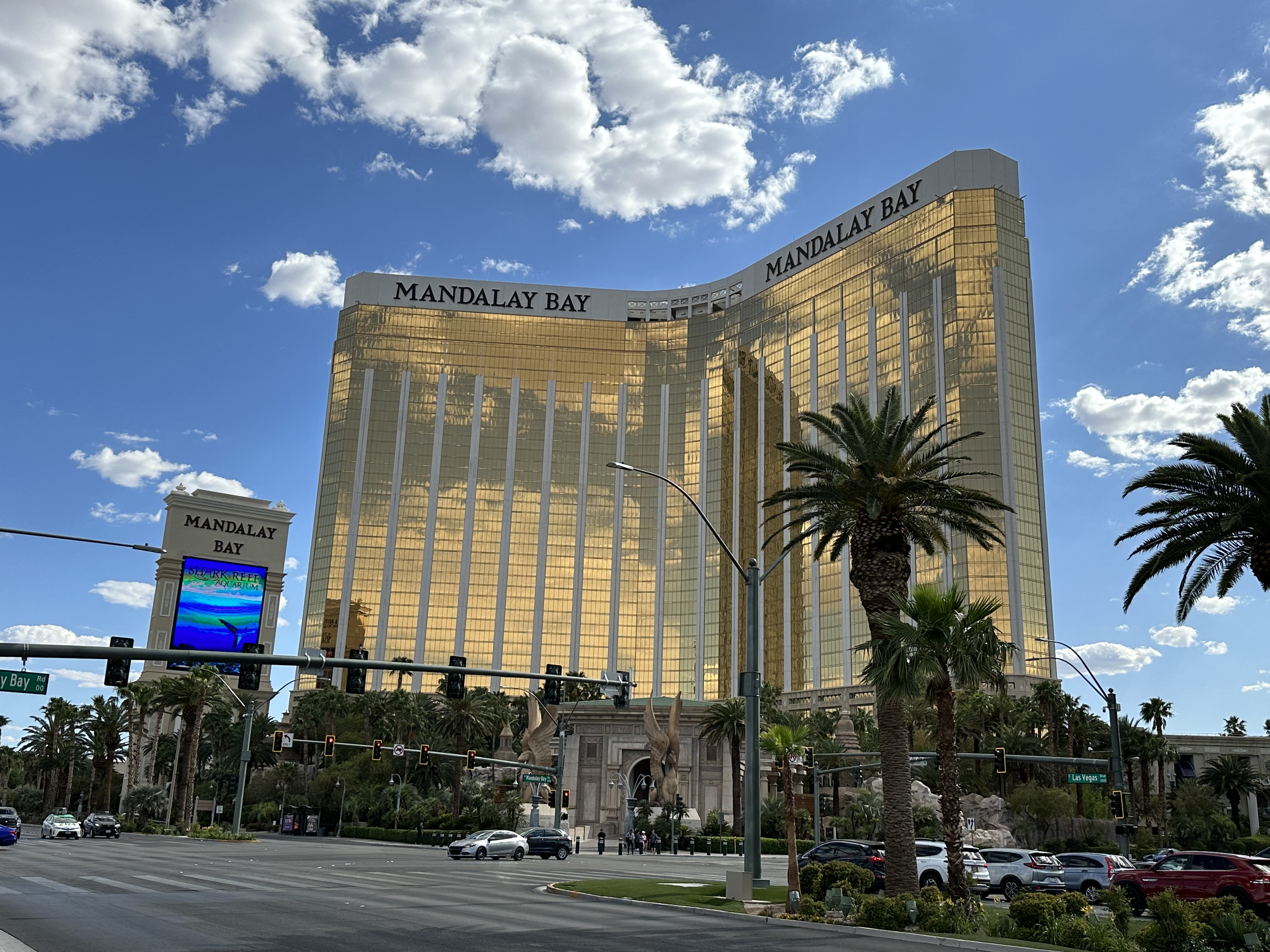
The primary entity responsible for the ownership and operation of the Mandalay Bay Hotel is MGM Resorts International. This multinational hospitality and entertainment company, headquartered in Paradise, Nevada, is one of the world’s largest and most recognized operators of resorts, casinos, and entertainment venues. Its portfolio includes a prestigious collection of iconic properties, primarily situated on the Las Vegas Strip and in other key global markets.
MGM Resorts International is a publicly traded company listed on the New York Stock Exchange under the ticker symbol MGM. This public ownership means that shares of the company are owned by a multitude of investors, ranging from large institutional funds to individual shareholders. Therefore, in a broad sense, the owners of Mandalay Bay Hotel are the collective shareholders of MGM Resorts International.
A Legacy of Expansion and Integration
The journey to MGM Resorts International owning Mandalay Bay Hotel is a narrative of strategic growth and corporate consolidation within the highly competitive Las Vegas market. The acquisition and integration of properties have been key strategies for major gaming corporations to enhance their market share, diversify their offerings, and create synergistic operational efficiencies.
The Acquisition of Mandalay Resort Group
The pivotal moment in the ownership of Mandalay Bay Hotel occurred in 2005 when MGM Mirage, the precursor to MGM Resorts International, acquired the Mandalay Resort Group for approximately $7.9 billion. This landmark transaction significantly expanded the company’s presence on the Las Vegas Strip, bringing several prominent resorts, including Mandalay Bay and Luxor, under its umbrella.
The acquisition of Mandalay Resort Group was a strategic move designed to solidify MGM Mirage’s position as a dominant player in the Las Vegas market. It allowed the company to leverage existing infrastructure, integrate marketing efforts, and capitalize on the cross-promotional opportunities between its newly acquired and existing properties. This merger was instrumental in shaping the modern landscape of Las Vegas hospitality.
Operational Structure and Management
While MGM Resorts International is the ultimate owner, the day-to-day management and operational responsibilities of Mandalay Bay Hotel are handled by dedicated teams within the corporation. These teams oversee all aspects of the resort’s functioning, from hotel operations, guest services, and food and beverage to casino management, entertainment, and conventions.
Integrated Resort Model
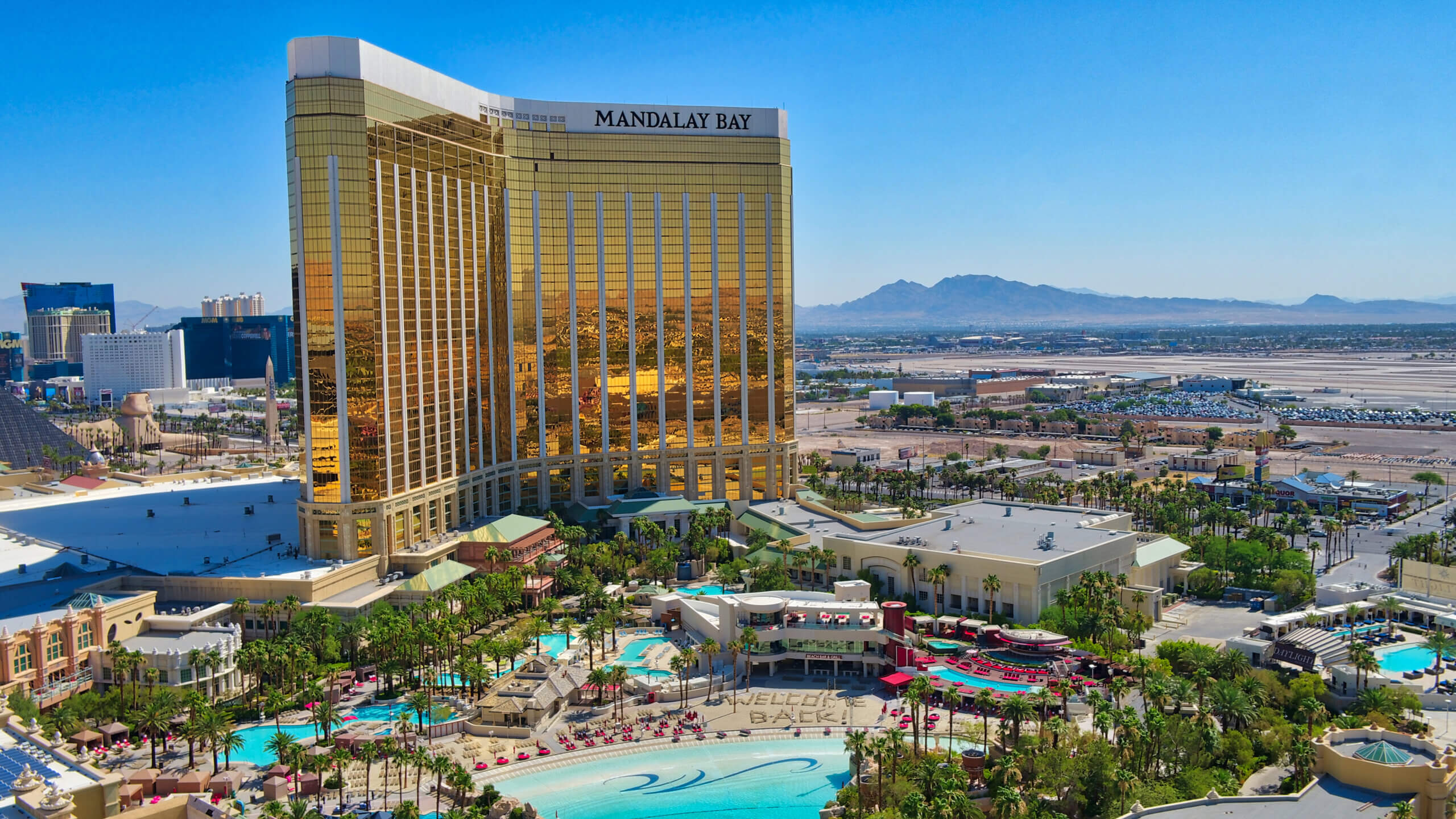
Mandalay Bay Hotel operates as an integrated resort, a hallmark of the Las Vegas Strip. This model combines a casino with a wide range of amenities, including hotel accommodations, restaurants, retail outlets, entertainment venues, and convention facilities. This comprehensive approach aims to provide guests with a complete experience, encouraging them to spend more time and money within the resort.
The management structure within Mandalay Bay Hotel reflects this integrated model, with specialized departments for each key area. General managers and executive teams are responsible for ensuring the smooth operation of each division and for aligning their efforts with the overarching business objectives of MGM Resorts International.
Real Estate and Asset Management
The ownership of a physical asset like Mandalay Bay Hotel also involves complex real estate and asset management considerations. In many cases, large hotel and casino companies operate under a “REIT” (Real Estate Investment Trust) structure or similar arrangements, where the real estate itself is owned by one entity and the operations are managed by another. This structure can offer tax advantages and allows for flexibility in financing and capital allocation.
Strategic Partnerships and Leases
In some instances, large hospitality groups may engage in complex real estate transactions, such as sale-leaseback agreements. For example, MGM Resorts International has historically utilized such structures for some of its properties to unlock capital and improve financial flexibility. While Mandalay Bay Hotel is a core asset within the MGM Resorts International portfolio, understanding its specific real estate ownership structure would require a deeper dive into its financial reporting and corporate filings. However, the general principle remains: the operational entity is typically a subsidiary of a larger, publicly traded corporation.
The management of the physical asset itself—the building, its infrastructure, and its grounds—is a continuous process. This includes regular maintenance, renovations, and capital expenditures to ensure that Mandalay Bay Hotel remains competitive and attractive to guests. Decisions regarding significant capital investments or property enhancements are made at the corporate level by MGM Resorts International, based on market trends, financial performance, and strategic growth plans.
The Broader Context: Las Vegas Hospitality
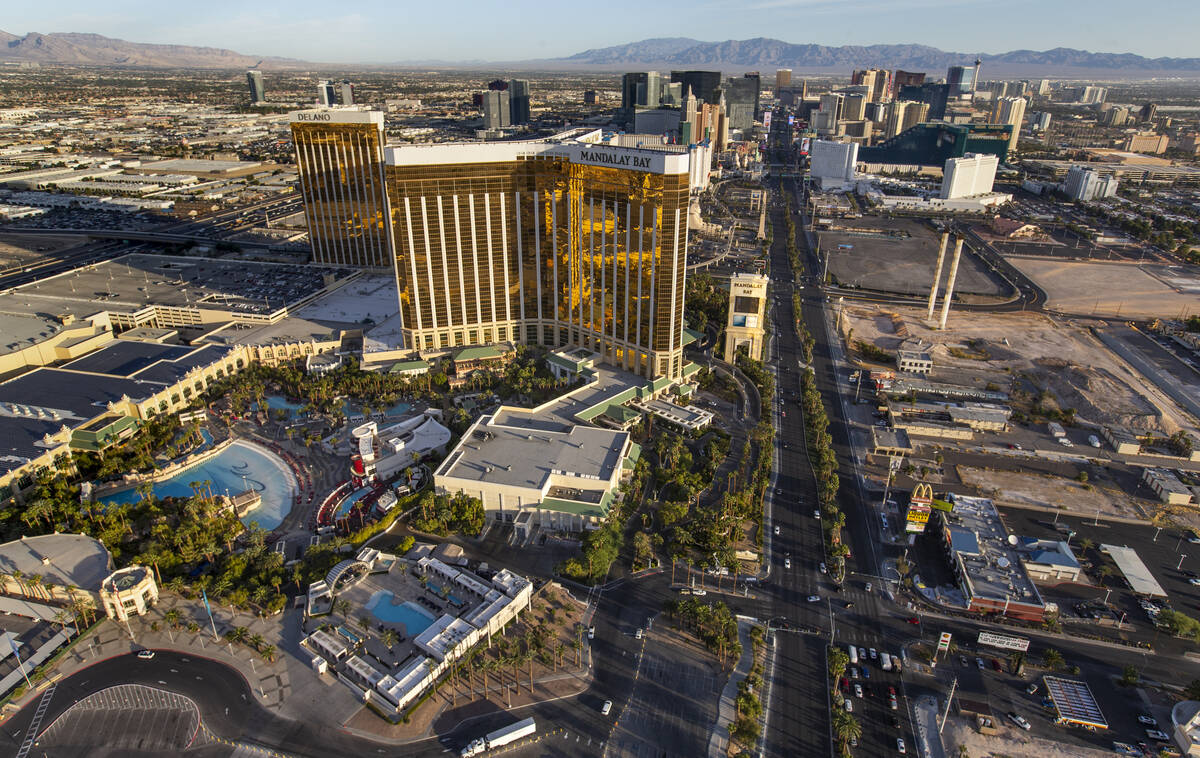
The ownership of Mandalay Bay Hotel by MGM Resorts International places it within a larger ecosystem of consolidated ownership on the Las Vegas Strip. The era of individual entrepreneurs owning and operating single casinos has largely given way to large corporations that manage multiple properties, often under different brands and catering to diverse market segments.
This consolidation allows for greater economies of scale in areas like marketing, procurement, and technology adoption. It also means that decisions impacting one resort can have ripple effects across an entire portfolio. For guests, this can translate into more standardized service levels, loyalty programs that span multiple properties, and a consistent brand experience.
Industry Trends and Future Outlook
The hospitality and gaming industry is dynamic, influenced by economic conditions, consumer preferences, technological advancements, and regulatory changes. MGM Resorts International, as the owner of Mandalay Bay Hotel, continually adapts to these trends. This might involve investing in new attractions, enhancing digital guest experiences, or exploring new markets.
The future ownership and operational structure of Mandalay Bay Hotel will likely continue to be dictated by the strategic decisions of MGM Resorts International. As a publicly traded entity, its direction is shaped by its board of directors and ultimately by its shareholders, all with the goal of maximizing shareholder value and maintaining its position as a leader in the global hospitality and entertainment industry. The iconic status of Mandalay Bay ensures it will remain a significant asset within the MGM Resorts International portfolio for the foreseeable future.
LifeOutOfTheBox is a participant in the Amazon Services LLC Associates Program, an affiliate advertising program designed to provide a means for sites to earn advertising fees by advertising and linking to Amazon.com. Amazon, the Amazon logo, AmazonSupply, and the AmazonSupply logo are trademarks of Amazon.com, Inc. or its affiliates. As an Amazon Associate we earn affiliate commissions from qualifying purchases.