
For many individuals seeking flexibility, supplementary income, or a pathway into a new career, part-time employment offers a compelling lifestyle choice. California, renowned for its dynamic economy and innovative spirit, also stands out for its progressive labor laws designed to protect workers. A frequently asked question, particularly for those navigating the landscape of part-time work in the Golden State, revolves around the crucial aspect of sick pay. Understanding your rights to paid sick leave is not merely a legal detail; it’s a fundamental component of financial security, work-life balance, and overall well-being, directly influencing the quality and sustainability of one’s lifestyle.
Understanding California’s Progressive Sick Leave Policies for a Balanced Lifestyle
California has been at the forefront of establishing comprehensive protections for workers, recognizing that unexpected illness or personal emergencies can significantly disrupt an individual’s life and financial stability. The state’s robust sick leave laws aim to provide a safety net, ensuring that part-time employees are not forced to choose between their health and their livelihood. This legislative framework plays a pivotal role in fostering a more equitable and stable working environment, allowing individuals to pursue a flexible work lifestyle without undue stress.
The Foundation: Healthy Workplaces, Healthy Families Act
At the heart of California’s sick leave provisions is the Healthy Workplaces, Healthy Families Act of 2014. This landmark legislation mandated paid sick leave for eligible employees across the state, effectively establishing a uniform standard that protects millions of workers, including a significant portion of the part-time workforce. The Act ensures that employees can take time off to care for themselves or a family member, attend medical appointments, or address issues related to domestic violence, sexual assault, or stalking, all without fear of losing pay or facing disciplinary action. For those pursuing a lifestyle that balances work with other commitments, such as education, family care, or personal passions, this provision offers invaluable peace of mind. It underscores the state’s commitment to prioritizing public health and economic stability for all its residents, reinforcing the idea that a stable personal life is foundational to a productive working life.
Who Qualifies? Broad Coverage for Part-Time Workers
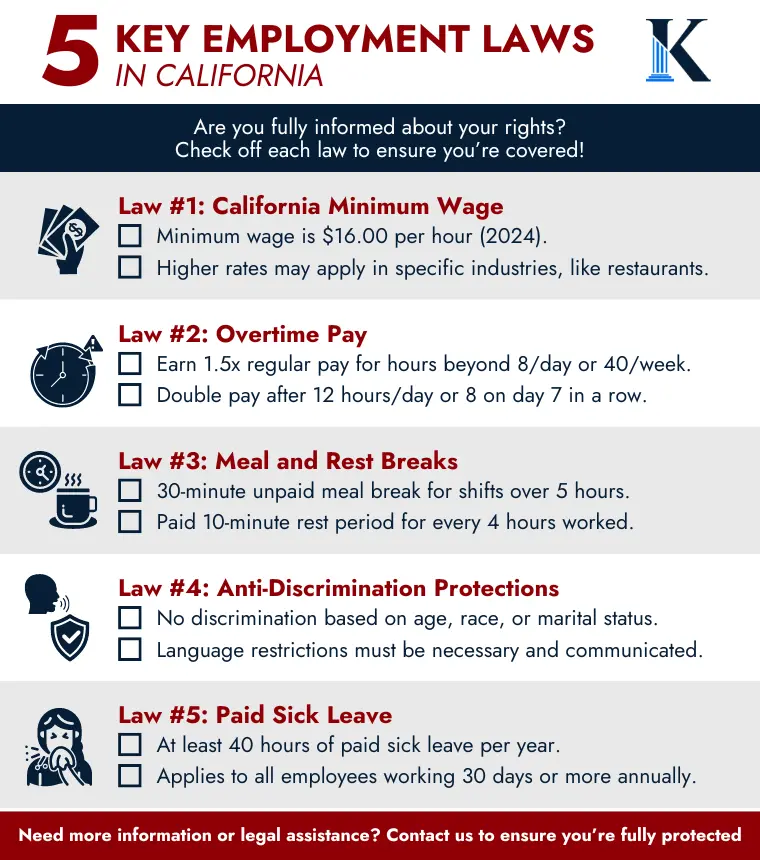
One of the most impactful aspects of California’s paid sick leave law is its broad applicability. Unlike some previous regulations that might have excluded part-time or temporary workers, the state law is designed to cover nearly all employees. To qualify, an employee must work for the same employer for at least 30 days within a year in California and must satisfy a 90-day employment period before using accrued sick leave. This means that if you’re working part-time – whether it’s 10 hours a week or 30 hours a week – you are generally entitled to accrue and use paid sick leave, provided you meet these basic criteria. This inclusive approach recognizes the diverse nature of the modern workforce and ensures that a significant segment of the population, crucial to the state’s economy, is afforded essential protections. For individuals who rely on part-time roles to manage their finances, pursue creative endeavors, or maintain a specific life rhythm, this broad coverage is a cornerstone of their financial planning and lifestyle sustainability.
Impact on Lifestyle: Financial Security and Well-being
The ability to earn sick pay directly translates into tangible lifestyle benefits, moving beyond mere legal compliance to genuinely enhance an individual’s quality of life. For part-time employees, who often operate with tighter financial margins and less access to traditional benefits, paid sick leave can be a game-changer.
Mitigating Financial Stress from Illness
Imagine working part-time to fund a passion project, support a family, or save for future travels. An unexpected illness, whether yours or a family member’s, can quickly derail these plans. Without paid sick leave, missing even a few shifts could mean a significant loss of income, forcing difficult choices between health needs and financial obligations. California’s sick pay provisions alleviate this burden. By guaranteeing compensation for missed work due to illness, the law helps part-time employees maintain their financial stability, reducing the stress and anxiety associated with unforeseen health events. This financial safety net is crucial for maintaining a balanced lifestyle, enabling individuals to recover without the added worry of depleted savings or unpaid bills. It allows for a greater focus on health and recovery, rather than the immediate financial repercussions of illness.
Encouraging Healthier Work-Life Balance
Beyond financial relief, paid sick leave promotes a healthier work-life balance. When employees know they can take time off without penalty, they are more likely to prioritize their health and the health of their loved ones. This prevents the spread of illness in the workplace, creates a more humane working environment, and ultimately contributes to overall public health. For part-time workers, who might juggle multiple jobs or personal responsibilities, the flexibility offered by sick leave is invaluable. It empowers them to manage their health proactively, attend preventative care appointments, or simply take a much-needed rest day without compromising their income. This empowerment is a significant factor in shaping a sustainable and healthier lifestyle, especially in a fast-paced environment like California.
Planning for the Unexpected: A Lifestyle Imperative
Effective lifestyle planning involves accounting for both the expected and the unexpected. Paid sick leave fits squarely into the latter category, acting as an essential buffer against life’s unpredictable moments. For those who choose part-time work as a deliberate lifestyle decision—perhaps to pursue entrepreneurial ventures, higher education, or dedicate more time to family—the assurance of sick pay allows for more robust long-term planning. It means having the freedom to pursue these goals with a foundational level of security, knowing that an illness won’t completely disrupt their chosen path. This proactive approach to well-being and financial planning is critical for anyone striving to maintain a resilient and fulfilling lifestyle in today’s complex world.
Accrual, Usage, and Payout: Navigating the System
While the right to sick pay is clear, understanding the mechanics of how it accrues, can be used, and any specific limitations is essential for part-time employees to fully leverage this benefit for their lifestyle management.
How Sick Leave Accrues for Part-Timers
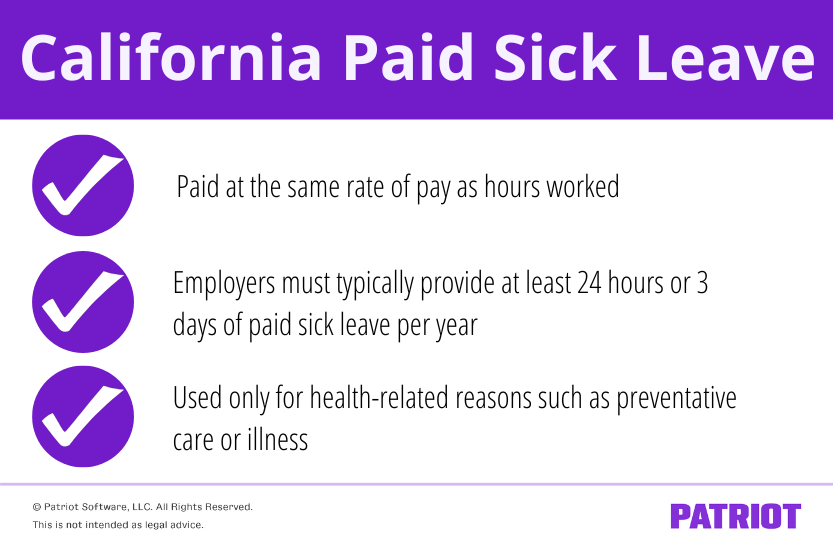
Under California law, eligible employees accrue paid sick leave at a rate of no less than one hour for every 30 hours worked. This method ensures that part-time employees accrue sick leave proportionally to their hours, making the benefit accessible regardless of their weekly schedule. For example, an employee working 20 hours a week would accrue roughly two-thirds of an hour of sick leave each week. Employers can cap an employee’s use of paid sick leave at 24 hours (or three days) per year, though many employers allow for more generous accrual and usage. Understanding this accrual rate allows part-time workers to anticipate their available sick leave, integrating it into their personal and financial planning.

Permissible Uses: Beyond Personal Illness
California’s paid sick leave law permits usage for a broader range of needs than just personal illness. This expanded scope is particularly beneficial for those managing complex lifestyles. Employees can use sick leave for their own medical diagnosis, care, or treatment of an existing health condition, or for preventative care. Crucially, it can also be used for the same reasons for a family member, defined broadly to include a child, spouse, parent, grandparent, grandchild, or sibling. Furthermore, sick leave can be used for victims of domestic violence, sexual assault, or stalking for specific related purposes. This comprehensive approach recognizes the interconnectedness of family and personal well-being, providing essential support that helps maintain the fabric of a stable lifestyle.
Carryover and Payout: What Happens to Unused Leave?
Unused sick leave generally carries over to the following year, though employers can cap the total amount of accrued sick leave an employee can hold at 48 hours (or six days). This carryover provision is vital as it allows employees to build up a reserve for more serious or prolonged illnesses, reinforcing their long-term financial and health security. However, it’s important to note that employers are generally not required to pay out unused sick leave upon an employee’s termination, resignation, or retirement, unlike vacation time. This distinction highlights the specific purpose of sick leave as a benefit tied to ongoing employment and health management, rather than a form of deferred compensation.
Local Nuances and Employer Responsibilities: What to Know
While state law provides a foundational level of protection, some local jurisdictions within California have adopted even more generous sick leave ordinances. Awareness of these local differences is critical for part-time employees, as they can further enhance lifestyle security.
The Role of Local Ordinances (e.g., San Francisco, Los Angeles)
Cities like San Francisco, Los Angeles, and San Diego have their own paid sick leave ordinances that, in some cases, offer greater benefits than the state law. For example, a local ordinance might allow for a higher accrual rate, a larger cap on accrued leave, or broader definitions of eligible family members. When both state and local laws apply, employers must follow the provision that is most generous to the employee. For part-time workers living and working in these areas, understanding the specific local regulations is essential to ensure they are receiving all the benefits they are entitled to, optimizing their lifestyle choices and financial planning within their urban environment. These local protections underscore a community-level commitment to worker well-being.
Employer Obligations and Employee Rights
Employers in California have clear obligations under the sick leave law. They must provide written notice of an employee’s sick leave balance, either on their pay stubs or in a separate written statement. They also cannot retaliate against an employee for using or attempting to use paid sick leave. Employees have the right to use their accrued sick leave without providing a doctor’s note, although employers can generally require reasonable documentation for absences longer than three days. Knowing these rights and employer responsibilities empowers part-time employees to assert their entitlements confidently, ensuring their lifestyle choices are protected by law.
Resources for Employees: Ensuring Your Lifestyle is Protected
For any questions or concerns regarding paid sick leave, part-time employees in California have access to valuable resources. The California Department of Industrial Relations and its Division of Labor Standards Enforcement (DLSE) provide comprehensive guidance and can investigate complaints of non-compliance. These government bodies serve as crucial safeguards, ensuring that the progressive labor laws intended to protect workers’ lifestyles are indeed upheld.
Embracing a Flexible Work Lifestyle in California with Confidence
The question of whether part-time employees get sick pay in California is unequivocally answered with a resounding yes. This fundamental right significantly shapes the ability to pursue and sustain a flexible work lifestyle within the state.
The Appeal of Part-Time Work in the Golden State
California’s diverse industries, vibrant cultural scenes, and stunning natural landscapes make it an attractive place for a variety of lifestyles. For many, part-time work offers the ideal balance, allowing them to pursue educational goals, creative endeavors, family responsibilities, or simply enjoy more leisure time. The assurance of paid sick leave removes a major obstacle that might otherwise deter individuals from embracing this flexible path, fostering a more resilient and desirable work-life ecosystem. It provides the necessary security to engage fully with all aspects of life in the Golden State, from its bustling cities to its serene coastlines.
Empowering Employees for Sustainable Lifestyles
The comprehensive sick leave provisions empower part-time employees by providing a safety net that supports health, financial stability, and personal well-being. This empowerment is vital for building sustainable lifestyles, enabling individuals to confidently manage their work alongside their personal lives. It’s a recognition that a healthy, secure workforce is the backbone of a thriving society, and that even those in part-time roles contribute significantly to the state’s economic and social fabric.
A Future of Work-Life Integration
California’s approach to paid sick leave for part-time employees represents a progressive vision of work-life integration. It acknowledges that life is unpredictable and that employees, regardless of their working hours, deserve fundamental protections that allow them to live fulfilling lives. For anyone considering or currently engaged in part-time work in California, understanding these rights is not just about compliance; it’s about claiming the security and flexibility necessary to thrive in a modern, dynamic economy.
LifeOutOfTheBox is a participant in the Amazon Services LLC Associates Program, an affiliate advertising program designed to provide a means for sites to earn advertising fees by advertising and linking to Amazon.com. Amazon, the Amazon logo, AmazonSupply, and the AmazonSupply logo are trademarks of Amazon.com, Inc. or its affiliates. As an Amazon Associate we earn affiliate commissions from qualifying purchases.