
For decades, the vibrant towers of the Rio Las Vegas have defined the skyline just west of the world-famous The Strip. Known for its festive Brazilian theme and its status as one of the first all-suite resorts in Las Vegas, the property has undergone significant changes in recent years. As the hospitality landscape in Nevada continues to evolve, many travelers and industry enthusiasts are asking: Who owns Rio Las Vegas today? The answer lies in a multi-million dollar transition that marks a new chapter for this iconic United States landmark, moving it away from a long-standing corporate giant into the hands of a visionary real estate firm.
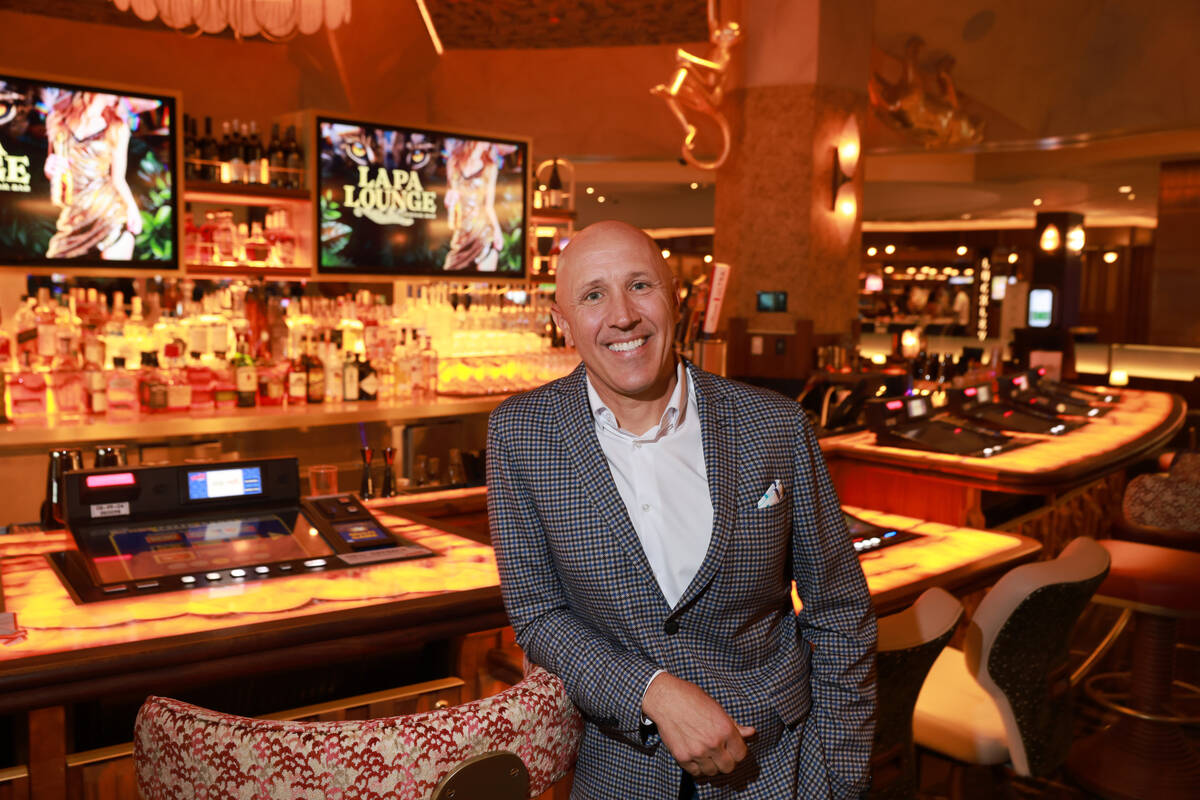
The Ownership Transition: From Caesars Entertainment to Dreamscape Companies
The story of the current ownership of the Rio Hotel & Casino is a tale of strategic divestment and fresh investment. For nearly twenty years, the resort was a staple of the Caesars Entertainment portfolio. During that era, the property was synonymous with the World Series of Poker and served as a major hub for the Caesars Rewards loyalty program. However, as the hospitality industry moved toward modernization, the need for a focused redevelopment of the Rio Las Vegas became evident.
The Acquisition by Dreamscape Companies
In late 2019, it was officially announced that Dreamscape Companies, a real estate development and investment firm based in New York, had purchased the resort for approximately $516 million. Led by founder Eric Birnbaum, the company sought to revitalize the property, which many felt had lost its luster compared to the newer, multi-billion dollar resorts on the main boulevard.
While the sale was finalized years ago, Caesars Entertainment continued to manage the hotel operations under a lease agreement until late 2023. This transition period allowed Dreamscape Companies to finalize its master plan for a massive renovation. As of early 2024, the firm has taken full operational control, marking the end of the Caesars Entertainment era and the beginning of an independent future for the resort.
A Legacy of Ownership
To understand the weight of this change, one must look back at the origins of the hotel. Originally opened in 1990 by Marnell Corrao Associates, the Rio Las Vegas was the first all-suite resort in the city. It was eventually acquired by Harrah’s Entertainment in 1999, which later rebranded as Caesars Entertainment. Throughout these ownership shifts, the resort maintained its identity as an off-strip destination that offered more spacious accommodations than the traditional hotel rooms found at the Flamingo Las Vegas or Ballys Las Vegas.
A New Strategic Partnership with Hyatt Hotels Corporation
Perhaps the most exciting development under the new ownership is the partnership between Dreamscape Companies and Hyatt Hotels Corporation. Rather than operating as a purely independent boutique hotel, the Rio Las Vegas is undergoing a phased rebranding to join the World of Hyatt network. This move is a significant win for travelers who prefer the reliability and perks of a global hotel brand.
Integration into the World of Hyatt
The transition into the Hyatt Hotels Corporation ecosystem is being handled with precision. The resort is being integrated into the Destination by Hyatt brand, which focuses on unique, high-end properties that embody the spirit of their location. This allows the Rio Las Vegas to keep its distinct personality while benefiting from Hyatt Hotels Corporation global distribution and marketing power.
For guests, this means that their stays now contribute to World of Hyatt points and tier status. This is a major shift from the previous Caesars Rewards structure, positioning the hotel as a premier choice for business travelers and loyalists of the Chicago-based hotel giant. The partnership also signifies a commitment to elevated service standards, as Hyatt Hotels Corporation is known for its rigorous quality controls.
Managing a Destination Resort
Operating a property with over 2,500 suites is no small feat. Under the guidance of Dreamscape Companies, the management team has focused on improving the guest journey from check-in to check-out. By moving away from the high-volume, “casino-first” mentality that often dominates Las Vegas, the new management is emphasizing the “Resort” in Rio Hotel & Casino. This involves upgrading the technology systems, improving the efficiency of the front desk, and ensuring that the legendary hospitality of the Rio Las Vegas is modernized for a 21st-century audience.
Revitalizing the All-Suite Experience: Renovations and Amenities
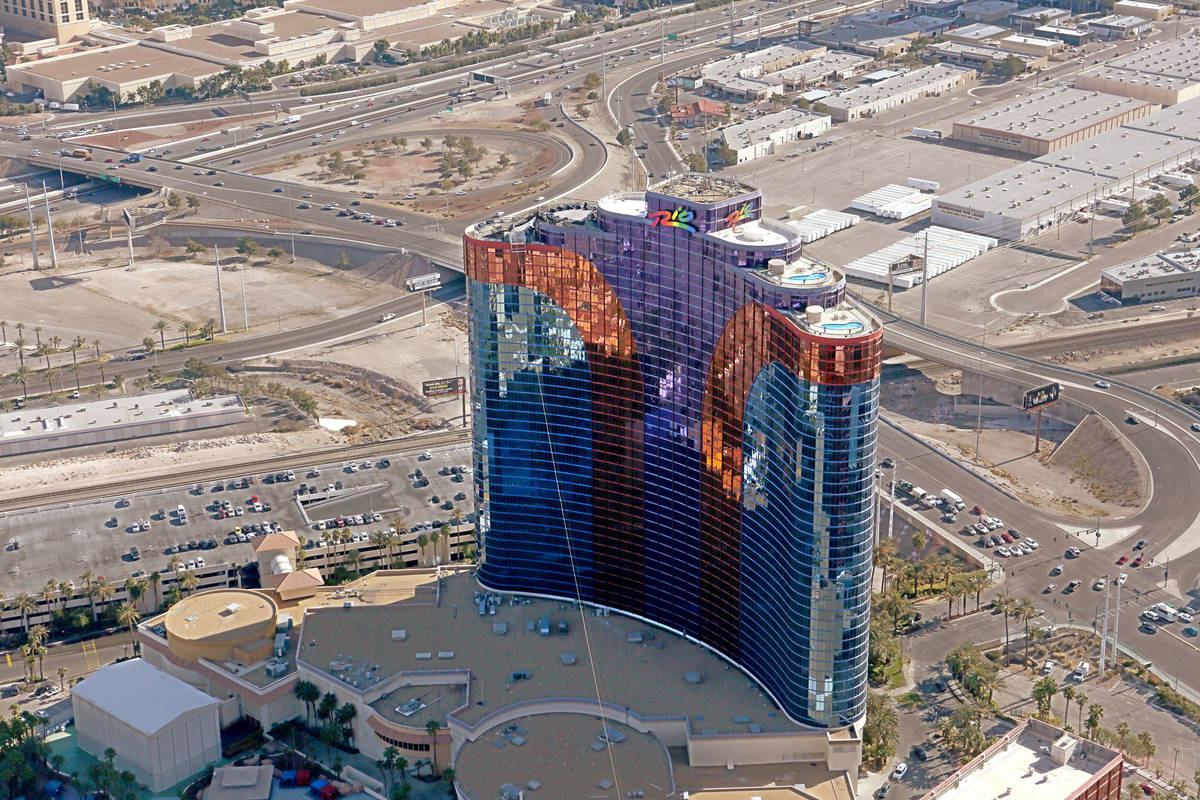
Central to the new ownership’s vision is a comprehensive multi-year renovation project. Dreamscape Companies has committed hundreds of millions of dollars to refresh the resort, which had not seen a major overhaul in over a decade. The focus of these renovations is to restore the property to its former glory while introducing contemporary luxury elements that appeal to modern travelers.
Redesigning the Ipanema Tower
The first phase of the renovation has centered on the Ipanema Tower. Every single suite in this tower is being reimagined with new furniture, updated bathrooms, and state-of-the-art climate control systems. Because the Rio Las Vegas was built as an all-suite hotel, the rooms are naturally larger than standard hotel rooms in California or other major markets, often starting at 600 square feet.
The new design aesthetic moves away from the heavy, dark palettes of the past toward a bright, airy, and sophisticated look. Floor-to-ceiling windows, a hallmark of the Rio Las Vegas architecture, are being cleaned and optimized to provide guests with stunning views of The Strip and the Spring Mountains. Following the completion of the Ipanema Tower, work is expected to begin on the Masquerade Tower, ensuring a consistent level of quality across the entire resort.
Enhancing Resort Amenities and the Gaming Floor
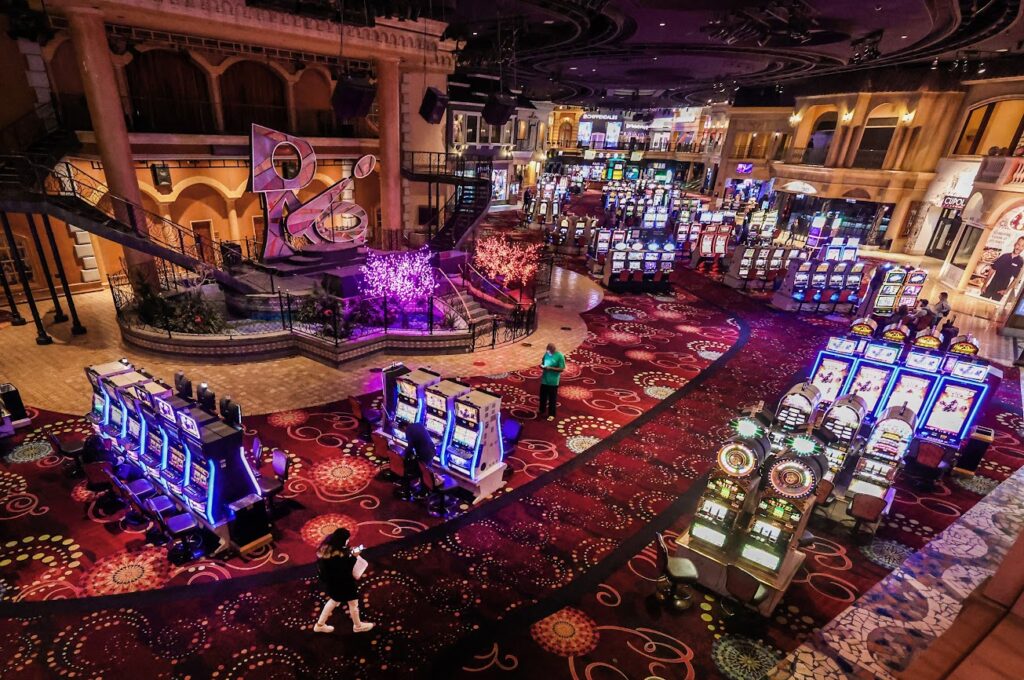
Beyond the suites, the ownership is investing heavily in the “lifestyle” aspects of the resort. This includes a complete refresh of the five-acre pool deck, which has long been a favorite for families and groups seeking a tropical escape. The gaming floor is also seeing a massive upgrade, with new slot machines, refreshed table games, and the introduction of the Rio Rewards program, which replaces the outgoing loyalty system.
Dining has always been a core part of the Rio Las Vegas experience. The new owners have introduced the Canteen Food Hall, a curated collection of culinary concepts that replace the traditional buffet model. This reflects a broader trend in Las Vegas hotels toward high-quality, fast-casual dining options that cater to diverse palates.
The Strategic Importance of Location and Architecture
One of the most valuable assets Dreamscape Companies inherited is the physical structure and location of the Rio Las Vegas. Situated on Flamingo Road, the hotel offers a unique perspective of the city. While it is technically “off-strip,” its proximity makes it a central hub for those who want easy access to the action without the constant congestion of the main thoroughfare.
The Legacy of Brazilian-Themed Architecture
The architectural design of the Rio Las Vegas, inspired by the Rio de Janeiro Carnival, remains one of the most recognizable in the United States. The purple and red neon glass of the towers serves as a beacon for travelers arriving from McCarran International Airport. Dreamscape Companies has wisely chosen to maintain this iconic exterior while modernizing the interior.
The Masquerade Village area, once famous for its “Show in the Sky,” is being repurposed to better serve modern guests. While the floating gondolas may be a thing of the past, the vast, open spaces of the village are being utilized for new retail experiences and entertainment venues. The VooDoo Rooftop Nightclub, located on the 50th and 51st floors, continues to offer one of the best panoramic views of Nevada, remaining a centerpiece of the resort’s nightlife.
A Destination for Entertainment
The ownership of a hotel like the Rio Las Vegas involves managing world-class entertainment contracts. The resort remains the home of the legendary duo Penn & Teller. Keeping such high-caliber acts is essential for maintaining the hotel’s status as a destination resort. The management team is also exploring new residency options and specialized events to fill the various theaters and lounges within the property, ensuring that there is always a reason for visitors to make the short trip across the freeway from The Strip.
Looking Ahead: The Future of Rio Las Vegas
The transition of ownership to Dreamscape Companies and the partnership with Hyatt Hotels Corporation represent a bold bet on the future of Las Vegas hospitality. By focusing on the “all-suite” advantage and investing in modern amenities, the new owners are positioning the Rio Las Vegas to compete with major players like MGM Resorts and Wynn Resorts.
The evolution of the Rio Las Vegas is a testament to the resilience of the Las Vegas hotel market. As the renovation phases conclude over the next few years, guests can expect a seamless blend of classic Vegas charm and contemporary luxury. Whether you are a long-time fan of the resort or a World of Hyatt member looking for a new place to stay, the current ownership’s commitment to excellence ensures that the Rio Las Vegas will remain a cornerstone of the city’s hotel industry for years to come.
In summary, while Caesars Entertainment may have been the face of the Rio Las Vegas for nearly two decades, the keys have officially been handed over. Dreamscape Companies now steers the ship, with Hyatt Hotels Corporation providing the operational backbone and brand prestige. This new era promises a more refined, suite-focused experience that honors the property’s history while looking firmly toward the future.
LifeOutOfTheBox is a participant in the Amazon Services LLC Associates Program, an affiliate advertising program designed to provide a means for sites to earn advertising fees by advertising and linking to Amazon.com. Amazon, the Amazon logo, AmazonSupply, and the AmazonSupply logo are trademarks of Amazon.com, Inc. or its affiliates. As an Amazon Associate we earn affiliate commissions from qualifying purchases.