
The Roosevelt Hotel has stood as a silent sentinel of Manhattan for nearly a century, witnessing the evolution of New York City from the Jazz Age to the digital era. Known as the “Grand Dame of Madison Avenue,” this iconic establishment is more than just a place for rest; it is a complex intersection of international diplomacy, high-stakes real estate, and hospitality history. For travelers and historians alike, the question of who owns the Roosevelt Hotel reveals a fascinating narrative involving a national airline, a foreign government, and the shifting tides of the global economy.
The Sovereign Ownership: Pakistan International Airlines
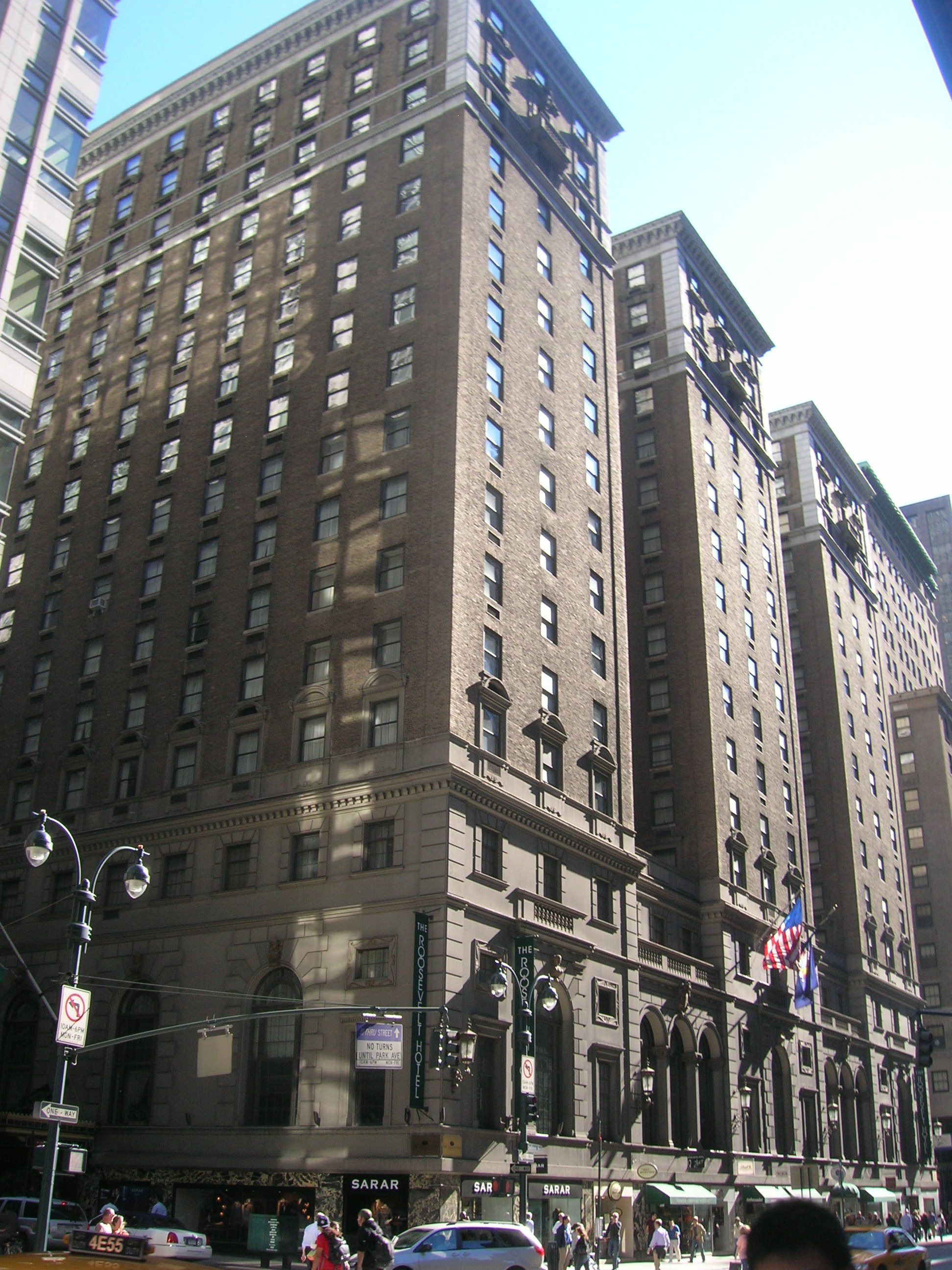
The current ownership of the Roosevelt Hotel is perhaps one of the most unique arrangements in the United States hospitality market. Unlike many luxury properties owned by private equity firms or American hotel conglomerates, the Roosevelt Hotel is owned by Pakistan International Airlines, often referred to as PIA. This ownership is funneled through PIA Investments Limited, a subsidiary based in the British Virgin Islands.
The Acquisition Journey
The path to ownership for Pakistan International Airlines began in the late 1970s. In 1979, the airline, under the leadership of its then-managing director, sought to diversify its assets. They initially leased the property from the Milstein Family, a prominent name in New York real estate. The deal was structured as a partnership with Prince Faisal bin Khalid bin Abdulaziz Al Saud of Saudi Arabia.
By 2005, PIA moved to consolidate its control, purchasing the Saudi Arabia prince’s share and the remaining equity to become the sole owner. This was seen as a major strategic move for the government of Pakistan, as the hotel occupied prime real estate in Midtown Manhattan, directly adjacent to Grand Central Terminal.
The Role of the Government of Pakistan
Because PIA is a state-owned enterprise, the ultimate control of the Roosevelt Hotel rests with the government of Pakistan. Decisions regarding its sale, renovation, or management are often debated in the parliament in Islamabad. The hotel has frequently become a point of political discussion, viewed both as a “crown jewel” of Pakistani overseas assets and a financial burden during periods of economic downturn.
A Legacy of Hospitality Management
While ownership remains with Pakistan International Airlines, the day-to-day operations of the Roosevelt Hotel have historically been handled by world-class hospitality management companies. This allowed the airline to benefit from professional hotelier expertise while maintaining the underlying real estate value.
The Era of Professional Operators
For decades, the Roosevelt Hotel functioned as a premier destination for business travelers and tourists. At various points in its history, the hotel was managed by groups such as the InterContinental Hotels Group. These management agreements ensured that the hotel maintained the standards expected of a luxury Midtown Manhattan property.
During its peak years of operation, the hotel featured over 1,000 rooms and more than 30,000 square feet of meeting space. It became a hub for the Republican National Committee and served as the election night headquarters for several political figures, including Thomas Dewey.
Architectural and Cultural Identity
The ownership legacy is intertwined with the building’s physical presence. Named in honor of Theodore Roosevelt, the 26th president of the United States, the hotel was designed by the architectural firm George B. Post & Sons. Its Renaissance Revival style set it apart from the more modern skyscrapers emerging in Manhattan.
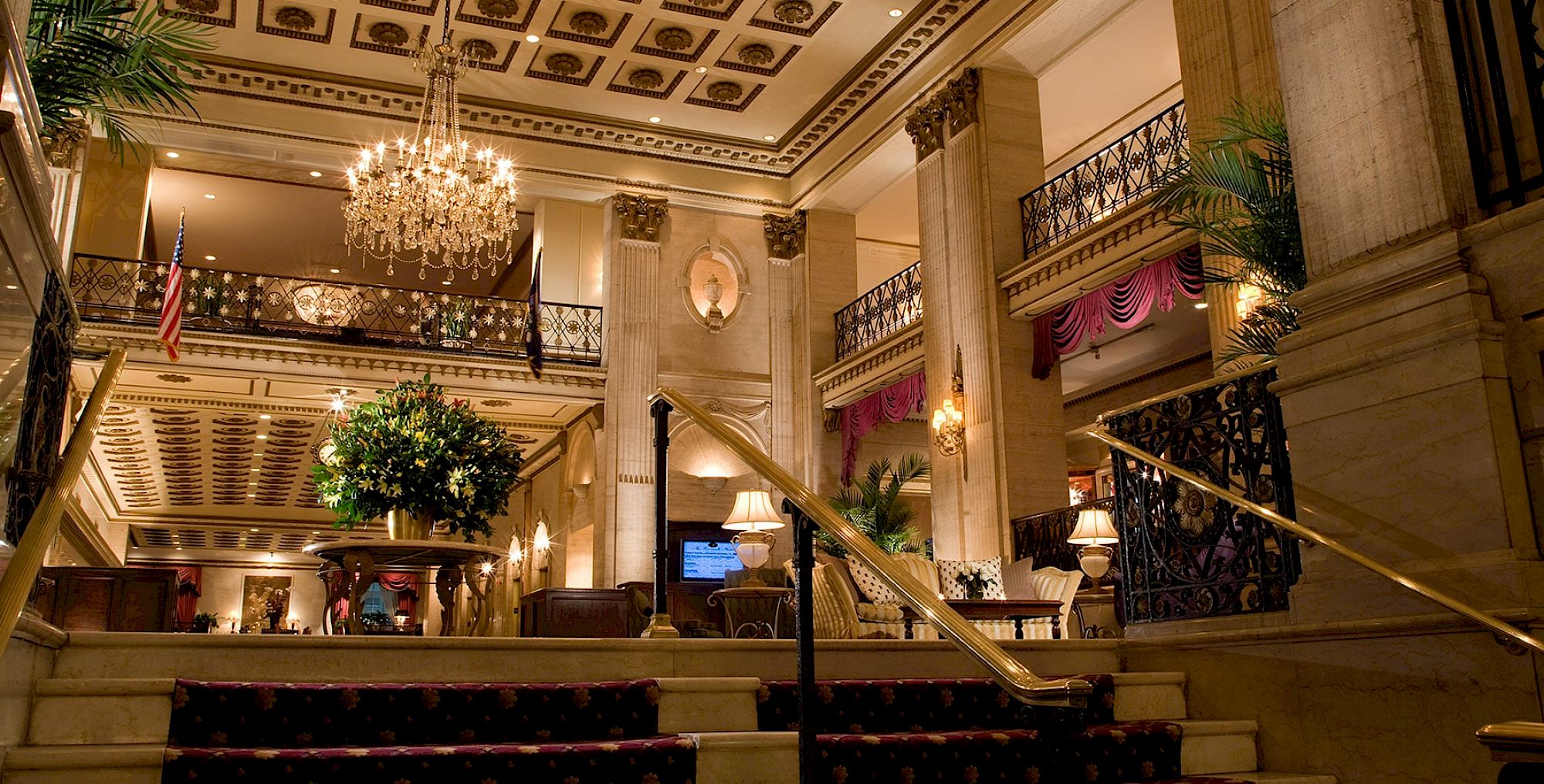
The hotel’s ownership has carefully preserved its historic lobby, which features soaring ceilings and ornate detailing that transport guests back to 1924. This cultural cachet has made the hotel a favorite for Hollywood, appearing in films such as Wall Street, The Irishman, and Men in Black 3.
The Closure and Modern Transition
The narrative of who owns the Roosevelt Hotel took a dramatic turn in late 2020. The onset of the COVID-19 pandemic dealt a catastrophic blow to the hospitality industry across North America. For a property as massive and expensive to maintain as the Roosevelt Hotel, the drop in global travel was unsustainable.
Why the Hotel Closed Its Doors
In October 2020, PIA announced that the hotel would cease operations as a commercial lodging facility. The decision was driven by mounting financial losses and the significant investment required to modernize the aging infrastructure. While the airline maintained ownership of the land and the building, the halls that once echoed with the music of Lawrence Welk fell silent.
For several years, the future of the Roosevelt Hotel remained in limbo. Speculation ran wild in New York City real estate circles: would it be converted into luxury condos, demolished for a modern office tower, or sold to a competitor like Marriott International?
The Shift to a Humanitarian Role
In 2023, the ownership structure of the Roosevelt Hotel facilitated a new, unexpected chapter. The government of Pakistan entered into a multi-year lease agreement with the New York City administration under Mayor Eric Adams.
The hotel was repurposed as a centralized intake center and emergency shelter for asylum seekers arriving in New York State. This arrangement provided a steady stream of revenue for Pakistan International Airlines, helping to settle debts while providing the city with a critical piece of infrastructure during a humanitarian crisis.
Future Outlook: Sale or Redevelopment?
The question of ownership is currently at a crossroads. While Pakistan International Airlines remains the owner of record, the financial climate in Karachi and Islamabad is putting pressure on the government to privatize state assets.
The Privatization Debate
The International Monetary Fund (IMF) has frequently encouraged Pakistan to divest from non-core assets like the Roosevelt Hotel to stabilize its economy. There have been numerous reports of interest from international developers and hospitality brands. Estimates for the property’s value often exceed $1 billion, given its location near Vanderbilt Avenue and Madison Avenue.
However, selling such a landmark is not a simple transaction. It requires approval from the highest levels of the Pakistani government and must navigate the complex zoning laws of New York City. Some proponents in Pakistan argue that the government should never sell the land, as it is a “legacy asset” that will only appreciate in value.
Potential Redevelopment Scenarios
If the ownership were to transfer to a private developer, the Roosevelt Hotel could see a transformation similar to the Waldorf Astoria New York, which underwent a massive renovation to include both hotel rooms and private residences. Alternatively, its proximity to the recently completed One Vanderbilt tower makes the site prime for high-end office redevelopment.
Regardless of who eventually takes the keys, the Roosevelt Hotel remains a centerpiece of Manhattan history. Its current status as a state-owned asset of Pakistan is a testament to the global nature of New York City real estate, where a national airline from South Asia can own a historic landmark in the heart of the United States.
Summary of the Roosevelt’s Influence on Manhattan
The story of the Roosevelt Hotel ownership is a microcosm of the hospitality world’s challenges. It highlights how luxury properties must adapt to survive economic shifts and how ownership can define a building’s purpose. From its opening as a beacon of high society to its current role in the city’s social services, the hotel has remained indispensable.
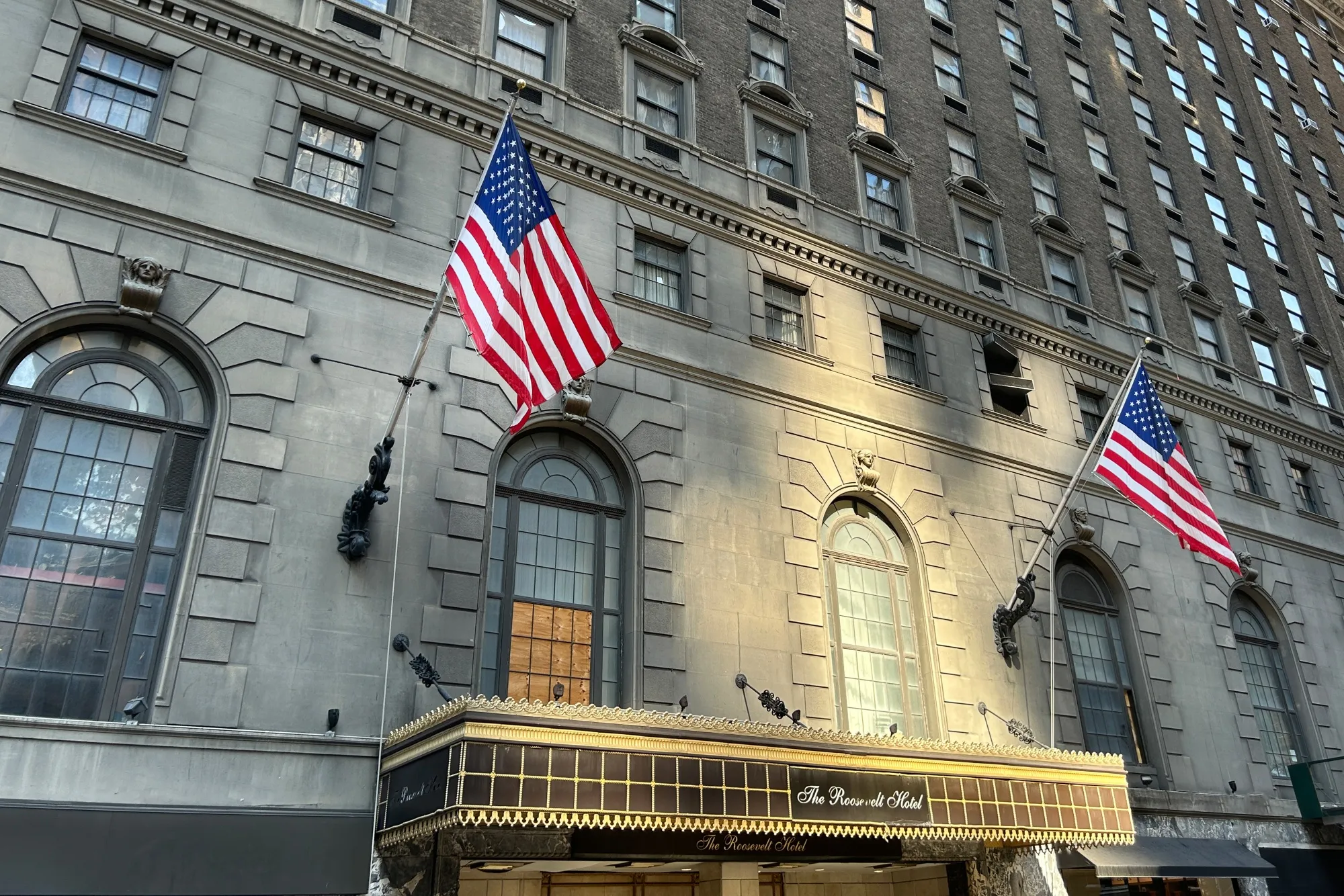
For the New York City visitor passing by 45 East 45th Street, the Roosevelt Hotel stands as a reminder that the world of hotels is never just about beds and breakfasts. It is about the powerful entities behind the scenes—whether they are national airlines like PIA or the governments of distant nations—and the lasting legacy they leave on the skyline of the world’s most famous city.
LifeOutOfTheBox is a participant in the Amazon Services LLC Associates Program, an affiliate advertising program designed to provide a means for sites to earn advertising fees by advertising and linking to Amazon.com. Amazon, the Amazon logo, AmazonSupply, and the AmazonSupply logo are trademarks of Amazon.com, Inc. or its affiliates. As an Amazon Associate we earn affiliate commissions from qualifying purchases.