
California, a land of unparalleled natural beauty, from its sun-drenched coastlines to its towering mountains, also harbors one of the most intricate and contentious systems of water rights in the world. This vital resource, often referred to as liquid gold, is fundamental to the state’s economy, ecology, and daily life. Understanding who owns water rights in California is not merely a legal inquiry; it’s a journey through history, geology, engineering marvels, and socio-political struggles that have shaped the very face of the Golden State. From ancient Indigenous practices to colonial decrees, Gold Rush-era doctrines, and modern environmental regulations, the story of water ownership is etched into California’s most enduring landmarks and its very essence.

California’s Liquid Legacy: Tracing Water Rights Through Historic Landmarks
The foundation of water rights in California is a complex tapestry woven from centuries of diverse legal traditions, each representing a significant “landmark” in the evolution of resource management. Before European settlement, Indigenous communities managed water resources through sophisticated, sustainable practices often based on communal stewardship. The arrival of European powers, however, introduced alien legal frameworks that would fundamentally alter this relationship with water.
Spanish and Mexican Roots: Early Legal Landmarks
The earliest codified water laws in California trace back to the Spanish and Mexican periods. Under Spanish colonial rule, water was considered a public good, with primary allocation favoring pueblos (towns) for municipal and agricultural use. This doctrine, known as pueblo water rights, granted cities like Los Angeles and San Diego (though San Diego is not in this article list, so I won’t link it) a paramount right to water originating within their historic boundaries, a legal landmark that continues to influence water allocation today. When Mexico gained independence from Spain, it largely maintained these principles, adding further layers of land and water grants that recognized certain private entitlements but still prioritized community welfare.
The Gold Rush and the Birth of Dual Systems: Legal Landmarks of Appropriation
The 1848 Gold Rush was a watershed moment, creating a practical and legal vacuum that rapidly shaped new water laws. Miners, desperate for water to extract gold, developed a system based on “first in time, first in right.” This custom, where the first person to divert and use water for a beneficial purpose gained a superior right, became known as the doctrine of appropriative rights. It starkly contrasted with the existing English common law principle of riparian rights, which granted landowners adjacent to a natural watercourse the right to reasonably use its water.
California’s unique legal landscape thus developed with two coexisting and often conflicting systems:
- Riparian Rights: Tied to land ownership, allowing reasonable use of water flowing across or adjacent to a property. These rights are not lost if unused.
- Appropriative Rights: Not tied to land ownership, acquired by diverting water and putting it to beneficial use. These rights are prioritized by seniority – older rights take precedence during shortages – and can be lost if not used.
This dual system is a profound legal landmark, setting the stage for centuries of litigation and negotiation over water allocation, particularly as the state’s population and agricultural demands surged.
Engineering Marvels and Natural Wonders: The Landmarks of Water Infrastructure
Beyond legal doctrines, the physical landscapes of California are themselves testaments to the fierce pursuit and management of water. Iconic engineering projects and natural water bodies are central to the story of who owns water and how it gets to those who need it.
Aqueducts and Dams: Mega-Projects as Landmarks of Supply
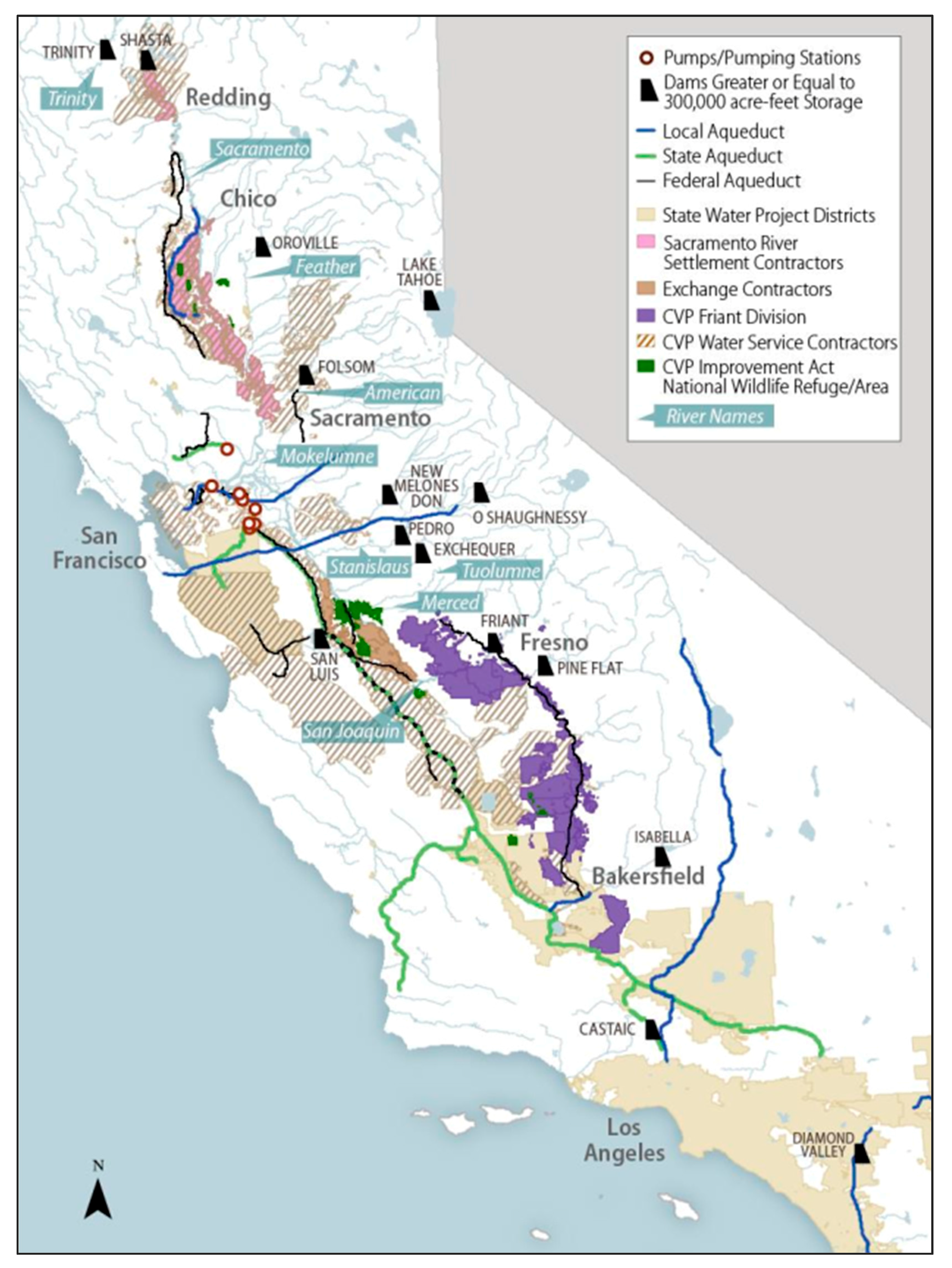
California’s vast system of dams, reservoirs, and aqueducts represents some of the most ambitious engineering landmarks in human history. These structures, built to transport water hundreds of miles from wetter northern regions and the Colorado River to the arid south and the Central Valley, are inextricably linked to who holds the rights.
- The Los Angeles Aqueduct: A controversial early 20th-century landmark project that famously diverted water from the Owens Valley to fuel the growth of Los Angeles. The city acquired vast tracts of land and water rights, demonstrating the power of municipal appropriative rights.
- The Hetch Hetchy Valley Project: Another contentious landmark, leading to the damming of a scenic valley within Yosemite National Park (not in list, so not linked) to supply San Francisco. This project solidified San Francisco’s substantial water rights.
- The California Aqueduct and State Water Project: A monumental system of canals, pipes, and pumping stations, the California Aqueduct delivers water from the Sacramento-San Joaquin Delta to two-thirds of the state’s population. Water rights for this system are complex, involving contracts with numerous urban and agricultural water agencies, often tied to appropriative rights held by the state.
- The Colorado River Aqueduct: Drawing water from the Colorado River, this system serves millions in Southern California (not in list). California’s share of the Colorado River is governed by the Colorado River Compact and subsequent legal agreements, a monumental interstate landmark in water law. Key players like the Metropolitan Water District of Southern California hold significant rights.

Natural Waterways: The Living Landmarks of Supply and Conflict
Natural features like rivers, lakes, and groundwater basins are also critical landmarks in the water rights discussion.
- The Sacramento-San Joaquin Delta: This vast estuary is the hub of California’s water system, where the state’s two largest rivers meet before flowing into San Francisco Bay. It’s a natural landmark of immense ecological importance, but also a battleground for competing water rights for agriculture, urban supply, and environmental protection.
- Groundwater Basins: While surface water rights are well-defined, groundwater, historically less regulated, has become a critical focus. Over-pumping of groundwater, particularly in the Central Valley, has led to land subsidence and water quality issues. The Sustainable Groundwater Management Act (SGMA) of 2014 is a modern regulatory landmark aiming to bring groundwater use under sustainable management, affecting countless property owners.
The Human Element: Communities, Agriculture, and the Struggle for Water
Water rights are not abstract legal concepts; they are deeply personal and profoundly impact communities and industries across California. The “ownership” of water manifests in the prosperity or struggle of towns, farms, and ecosystems.
Agricultural Empires: The Central Valley’s Water Landmarks
California’s Central Valley, one of the most productive agricultural regions globally, is sustained by extensive water rights. Major irrigation districts, some with very senior appropriative rights dating back to the late 19th and early 20th centuries, control vast quantities of water. Farmers within these districts, such as the Palo Verde Irrigation District and the Imperial Irrigation District, rely on these rights for their livelihoods. These districts, and the rich agricultural landscapes they support, are economic landmarks shaped entirely by water access. The ongoing debates about water allocation often pit agricultural water users against urban centers and environmental advocates, highlighting the intense pressure on this finite resource.
Urban Centers: Cities as Water Consumers and Managers
Major cities like Los Angeles and San Francisco, with their vast populations and economies, are massive water consumers. Their historic pueblo and appropriative rights, coupled with intricate water distribution networks managed by powerful entities like the Metropolitan Water District of Southern California, ensure their continued growth. These urban centers, themselves global landmarks, represent concentrated demand that often drives inter-basin transfers and complex negotiations over water rights.
Environmental Stewardship: New Landmarks in Water Allocation
The latter half of the 20th century saw the rise of environmental concerns as a significant factor in water rights. Historic diversions had severely impacted natural ecosystems, leading to the recognition of instream flow requirements for fish and wildlife, protection of the Sacramento-San Joaquin Delta, and conservation efforts in areas like the Owens Valley. Legal mandates to balance human water use with ecological needs have become crucial new landmarks in water law, challenging established rights and demanding innovative solutions.
Navigating the Future: Environmental Landmarks and Evolving Water Policy
California’s water future is one of continuous adaptation and re-evaluation, marked by new legislative and scientific landmarks. Climate change introduces unprecedented challenges, including more extreme droughts and floods, making the question of water ownership and allocation more urgent than ever.
Regulatory Oversight: The California State Water Resources Control Board
The primary body overseeing surface water rights in California is the California State Water Resources Control Board. This agency serves as a critical regulatory landmark, issuing permits for new appropriative rights, administering existing ones, and enforcing water quality standards. Its decisions often involve balancing competing claims, adjudicating disputes, and responding to evolving environmental imperatives. The Board’s authority is immense, acting as a crucial arbiter in determining who can use water and under what conditions.
Climate Change and Resilience: Landmarks of Adaptation
As California confronts increasingly severe droughts and shifts in precipitation patterns, the state is investing in new approaches to water management. These include significant infrastructure upgrades (like the new dam at Sites Reservoir, not in list), water recycling, stormwater capture, and desalination projects. These innovative solutions are becoming new landmarks of resilience, seeking to augment supply and optimize existing rights rather than solely relying on traditional diversions. The focus is shifting towards integrated water management, where every drop is accounted for and utilized efficiently, pushing the boundaries of traditional “ownership” towards collaborative stewardship.
In conclusion, “who owns water rights in California?” is a question with no simple answer. It is a mosaic of historical doctrines, complex legal precedents, massive engineering feats, invaluable natural landmarks, and the diverse needs of millions. From the senior appropriative rights of agricultural powerhouses in the Central Valley to the pueblo rights of Los Angeles, and the evolving environmental rights for fish in the Sacramento-San Joaquin Delta, water ownership in California is a dynamic, ever-contested, and foundational aspect of the state’s identity. Understanding these interlocking “ownerships” is key to appreciating the past, present, and future of this extraordinary state.
LifeOutOfTheBox is a participant in the Amazon Services LLC Associates Program, an affiliate advertising program designed to provide a means for sites to earn advertising fees by advertising and linking to Amazon.com. Amazon, the Amazon logo, AmazonSupply, and the AmazonSupply logo are trademarks of Amazon.com, Inc. or its affiliates. As an Amazon Associate we earn affiliate commissions from qualifying purchases.