
Building a Resilient Lifestyle: The Role of California‘s Unemployment Insurance Fund
Understanding the mechanics of unemployment insurance (UI) funding in California is a critical component of a well-informed financial lifestyle, whether you’re an individual planning for contingencies or a business owner managing operational costs. The system provides a vital safety net, designed to offer temporary financial support to eligible workers who lose their jobs through no fault of their own. But the question of “who pays” delves into the intricate financial contributions that underpin this essential social program. For many, a secure financial foundation is the bedrock upon which various lifestyle choices—from planning family trips to pursuing entrepreneurial ventures—are built. A robust UI system indirectly supports these aspirations by buffering the impact of economic shocks.
The Foundation of Financial Security: Employer Contributions
The primary source of funding for California’s Unemployment Insurance program comes directly from employers. Unlike some other states or federal programs where employees might also contribute, the Golden State places the burden squarely on businesses. This mandatory contribution is not merely a tax; it’s an investment in economic stability and a crucial aspect of responsible business practice that shapes an employer’s financial lifestyle.
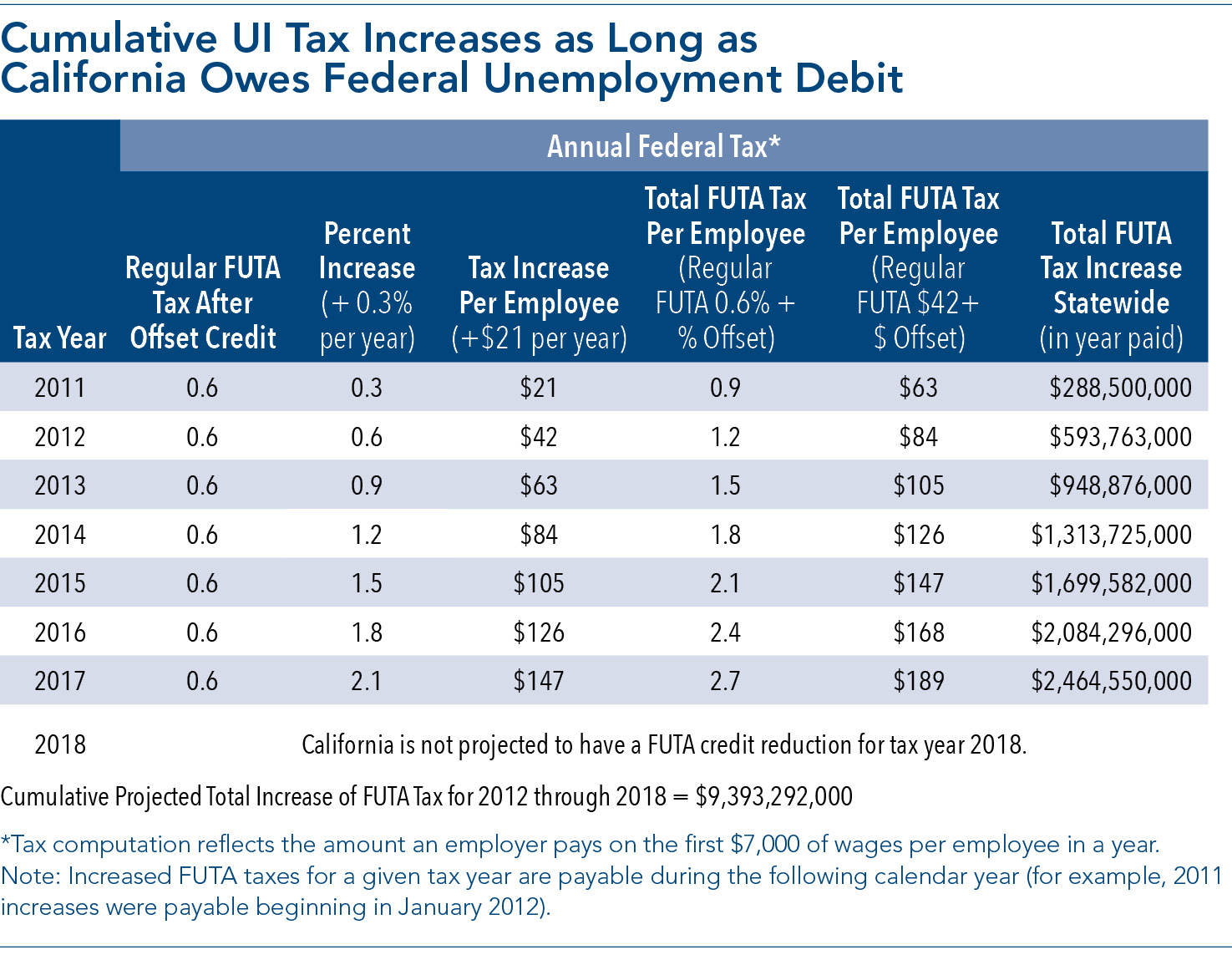
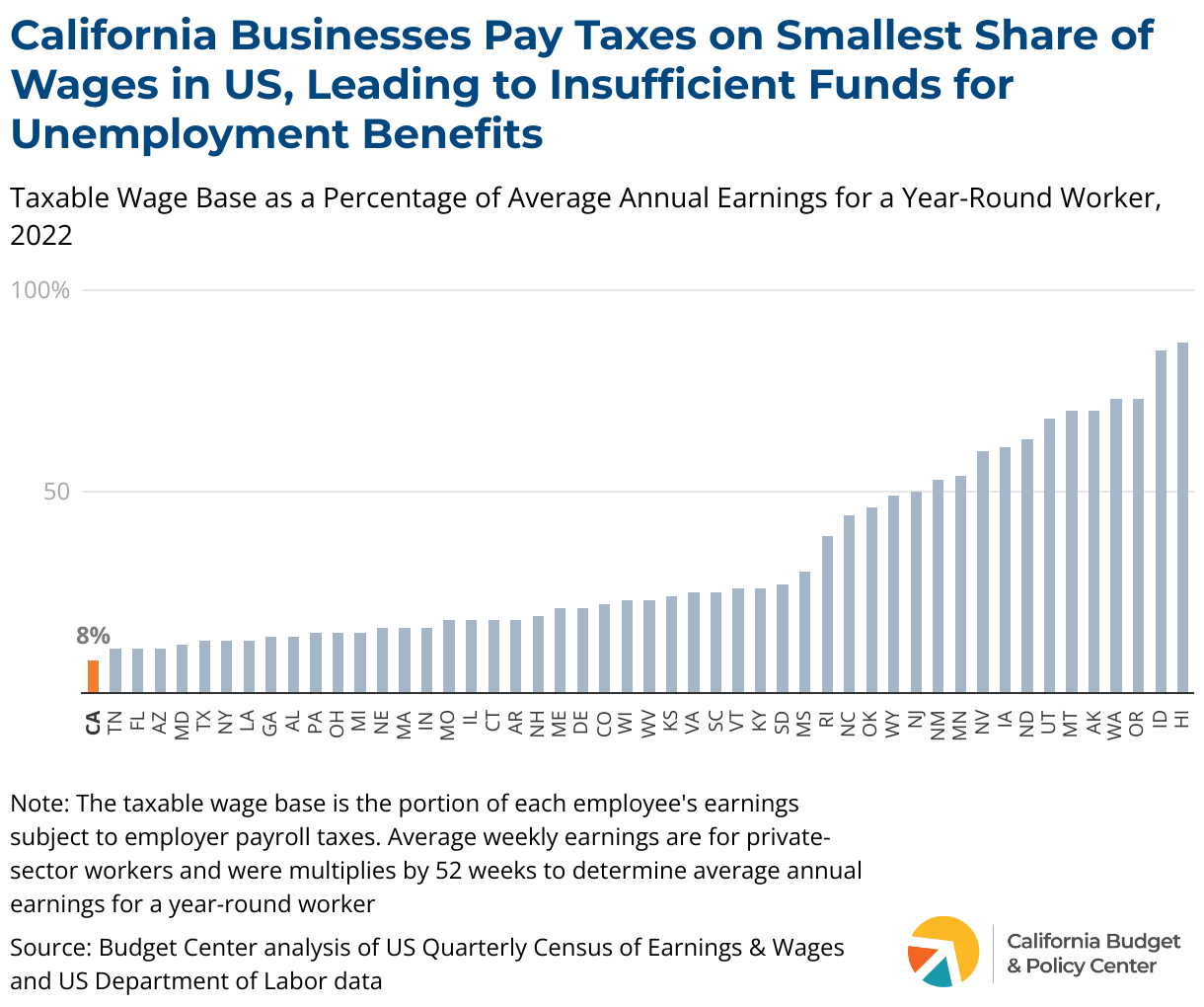
Employers are required to pay unemployment insurance taxes on the first portion of each employee’s wages, known as the “wage base.” In California, this wage base has historically been set at $7,000 per employee per year. The actual tax rate an employer pays can vary significantly, ranging from a minimum of 1.5% to a maximum of 6.2% (excluding the Employment Training Tax and the SDI withholding rate, which are separate). This rate is not arbitrary; it’s determined by an “experience rating” system. An employer’s experience rating reflects their history of laying off employees who subsequently collect UI benefits. Businesses with a higher incidence of former employees claiming benefits typically face higher tax rates, while those with stable workforces enjoy lower rates.
For a business owner, managing these UI contributions is an integral part of their financial lifestyle and operational strategy. These costs directly impact profitability, hiring decisions, and long-term financial planning. A business that effectively manages its workforce, prioritizes employee retention, and handles separations judiciously can maintain a lower experience rating, thereby reducing its UI tax burden. This allows for greater financial flexibility, potentially freeing up resources for investment in growth, employee development, or even more competitive wages, all of which contribute to a more robust and sustainable business lifestyle. Understanding and strategically managing these contributions is therefore not just about compliance, but about cultivating a healthier financial ecosystem for the enterprise.
Dispelling Myths: Employee Contributions and the True Picture
A common misconception among workers and even some employers in California is that employees also contribute to the Unemployment Insurance Fund through payroll deductions. It’s crucial for an informed financial lifestyle to clarify this distinction: employees in California do not directly pay into the Unemployment Insurance Fund.
This confusion often arises because employees do see deductions on their paychecks for other state-mandated programs, most notably State Disability Insurance (SDI). SDI is a separate program funded entirely by employee contributions (a percentage of their wages up to a certain maximum) that provides partial wage replacement benefits to eligible workers who are unable to work due due to non-work-related illness, injury, or pregnancy. This also includes Paid Family Leave (PFL).
While both UI and SDI provide wage replacement benefits, their funding mechanisms are distinct. The UI system in California relies solely on employer taxes. This clear understanding is vital for individuals to accurately assess their financial obligations and benefits, and for employers to correctly administer payroll and adhere to state regulations. It underscores the unique framework California employs to fund its unemployment safety net, placing the responsibility on the employing entities rather than a shared contribution model with employees.
The Ripple Effect: How UI Funding Shapes Individual and Community Lifestyles
The flow of UI funds, from employer contributions to benefit disbursements, creates a significant ripple effect that extends beyond individual claimants and directly impacts broader community and economic lifestyles. This intricate financial ecosystem plays a crucial role in maintaining stability, especially during periods of economic uncertainty, which in turn supports the ability of individuals and communities to sustain their chosen ways of life.
Sustaining Lifestyles During Economic Transitions
For individuals, unemployment benefits serve as a critical bridge during periods of joblessness. While no one plans for unemployment, understanding this safety net is fundamental to a resilient financial lifestyle. When a worker loses their job, UI benefits provide a temporary, partial replacement of lost wages. This financial support helps individuals cover essential living expenses such as rent or mortgage payments, groceries, utilities, and healthcare costs. Without this buffer, many would face immediate and severe financial hardship, potentially leading to homelessness, food insecurity, and escalating debt.
The ability to cover these basic needs directly contributes to sustaining an individual’s lifestyle during a challenging transition. It prevents the forced liquidation of savings or investments earmarked for long-term lifestyle goals, such as retirement, education, or even future travel plans. For families, UI benefits can be particularly vital, allowing them to maintain a semblance of normalcy, ensuring children’s needs are met, and reducing the stress that can accompany sudden income loss. This temporary relief allows individuals to focus on their job search with less immediate panic, supporting a more deliberate and effective re-entry into the workforce, ultimately preserving their long-term financial health and lifestyle choices.
Strengthening Local Economies: A Lifestyle Benefit for All
Beyond individual claimants, the Unemployment Insurance system significantly contributes to the stability and vitality of local economies, which, in turn, underpins the quality of life and “lifestyle” for everyone in a community. When individuals receive UI benefits, they don’t typically hoard the money; they spend it on necessities within their local communities. This continued consumer spending acts as an automatic stabilizer during economic downturns.
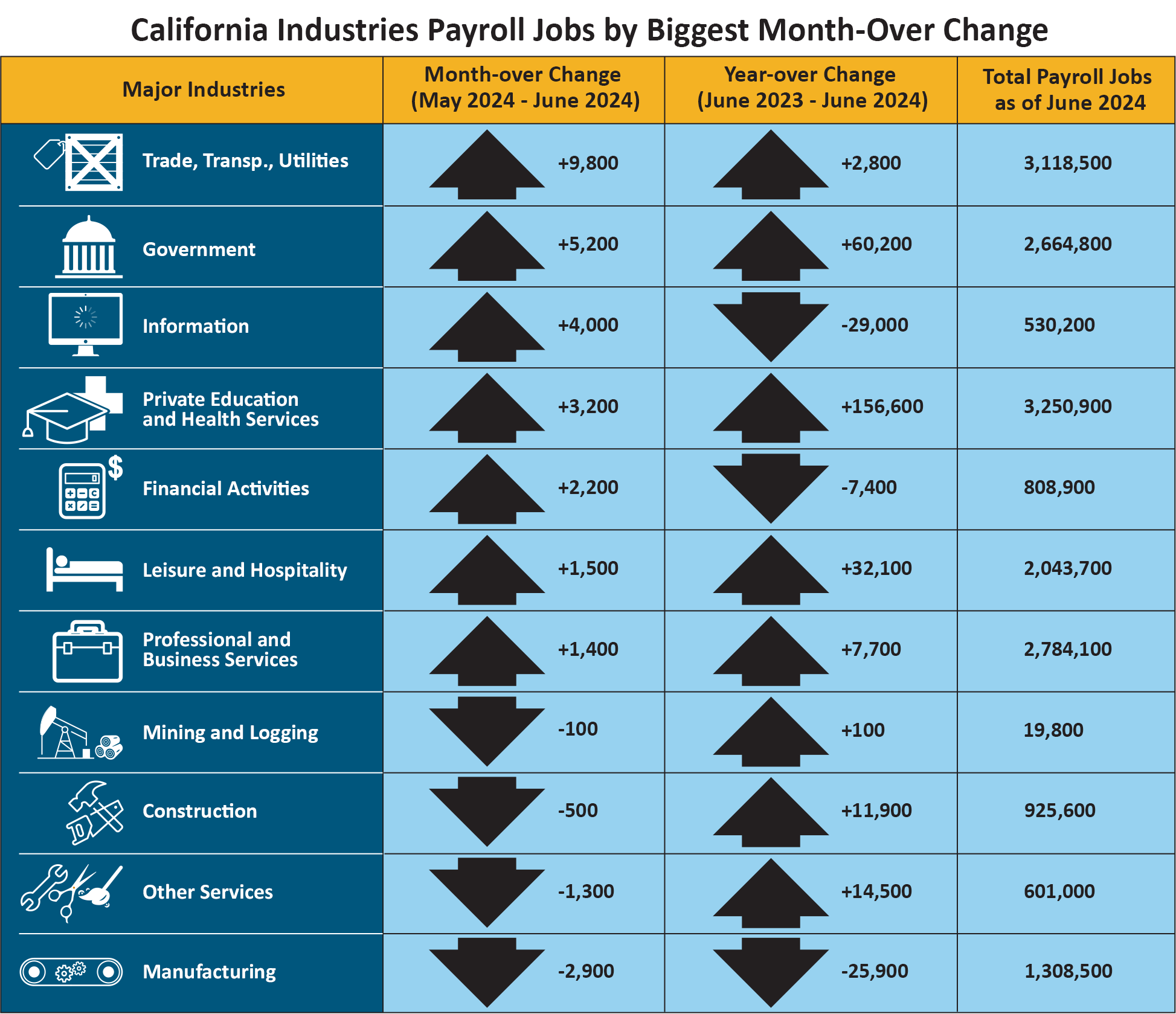
Imagine a scenario where a large employer in a city, perhaps one central to the local tourism or hospitality lifestyle, experiences layoffs. Without UI benefits, hundreds or thousands of suddenly unemployed individuals would drastically cut their spending. This sharp reduction in demand would quickly cascade through local businesses—restaurants, retail shops, service providers, and even local attractions—leading to further job losses and a deeper economic slump.
However, with UI benefits circulating, a portion of that lost purchasing power is maintained. This helps to keep local businesses afloat, preserves other jobs, and prevents a more severe contraction. By maintaining consumer demand, UI indirectly supports the diverse array of small businesses and service providers that contribute to a vibrant local lifestyle. It ensures that local amenities, leisure opportunities, and cultural experiences remain viable, supporting the overall quality of life and the attractiveness of California as both a place to live and visit. This broad economic stability is a fundamental aspect of a healthy community lifestyle that benefits residents and visitors alike.
Business Lifestyle and UI Management: Strategic Considerations for Employers
For businesses in California, managing Unemployment Insurance contributions is more than just a regulatory requirement; it’s a strategic component of their financial lifestyle. Proactive and informed management of UI can significantly impact a company’s bottom line, influence its operational decisions, and contribute to its long-term sustainability and growth.
Experience Rating: Shaping Your Business’s Financial Lifestyle
The concept of “experience rating” is central to understanding how UI contributions specifically impact a business’s financial lifestyle. As mentioned, an employer’s UI tax rate is directly tied to the number of former employees who have collected UI benefits. Businesses with frequent layoffs or high turnover that result in benefit claims will generally have a higher experience rating and, consequently, pay a higher UI tax rate. Conversely, businesses with stable workforces and low claim rates will enjoy lower tax rates.
This system creates a direct financial incentive for employers to maintain stable employment. Companies that invest in employee training, foster positive workplace environments, offer competitive compensation, and implement robust retention strategies often see the benefit in reduced UI costs. For a business, this means that strategic human resources practices are not just about employee morale or productivity, but also about directly influencing operating expenses. A lower UI tax rate translates into more capital available for reinvestment, expansion, or distribution to owners, significantly shaping the financial agility and overall lifestyle of the business. Managing this rating is a continuous process that reflects a company’s commitment to its workforce and its own fiscal health.
Compliance and Contribution: A Non-Negotiable Aspect of the Entrepreneurial Lifestyle
For almost all employers operating in California, contributing to the Unemployment Insurance Fund is a mandatory obligation. The program is administered by the Employment Development Department (EDD), which collects the UI taxes and oversees the distribution of benefits. Adhering to EDD regulations, accurately calculating and remitting contributions, and maintaining meticulous payroll records are non-negotiable aspects of an entrepreneurial lifestyle in the state.
Failure to comply with UI tax laws can lead to significant penalties, including fines, interest charges on overdue contributions, and even legal repercussions. These financial penalties can severely disrupt a business’s cash flow, erode profits, and create administrative burdens that detract from strategic growth initiatives. For a small business or startup, such penalties could even threaten its viability. Therefore, understanding these obligations and ensuring timely and accurate compliance is a foundational element of a responsible and sustainable business lifestyle in California. It underscores the principle that the collective strength of the state’s workforce safety net is built upon the consistent contributions of its employers.
Planning for a Secure Lifestyle: Individual and Business Perspectives
The question of “Who pays for unemployment in California?” ultimately leads to insights that are invaluable for both individuals and businesses seeking to build and maintain a secure and resilient financial lifestyle. Understanding the mechanisms of UI funding and benefits empowers proactive planning and fosters greater stability in the face of economic fluctuations.
For Individuals: Integrating UI into Your Financial Wellness Lifestyle
For individual workers, recognizing that employers fund UI means understanding that this safety net is a benefit earned through their participation in the workforce, without direct personal contributions. This knowledge should be integrated into a comprehensive financial wellness lifestyle. While UI benefits offer a crucial temporary income stream, they are not intended to replace 100% of lost wages, nor are they a long-term solution.
Therefore, a truly secure lifestyle involves complementing UI with personal financial planning. This includes building an emergency fund sufficient to cover several months of living expenses. Such a fund provides an additional layer of security beyond UI benefits, allowing for greater peace of mind during job transitions and more flexibility in pursuing new career opportunities. Understanding UI eligibility, how to apply for benefits, and the duration of support are all components of being financially prepared. This proactive approach to financial health ensures that individuals can navigate unforeseen challenges while safeguarding their ability to achieve long-term lifestyle goals, from homeownership to significant travel experiences.
For Businesses: Cultivating a Sustainable Financial Lifestyle Through UI Strategy
For businesses, particularly those operating in California’s dynamic economic landscape, strategically managing UI contributions is paramount to cultivating a sustainable financial lifestyle. Recognizing that UI costs are directly influenced by an employer’s experience rating empowers businesses to implement policies that minimize these expenses responsibly.
This involves a holistic approach that prioritizes employee retention through competitive compensation, positive workplace culture, and opportunities for growth. When separations are unavoidable, careful documentation and adherence to proper protocols can help mitigate potential UI claims. Regularly reviewing UI statements from the Employment Development Department (EDD) and proactively addressing any discrepancies is also crucial. Businesses should consider seeking professional advice from HR consultants or tax specialists who can help optimize UI cost management strategies. By viewing UI contributions not merely as an expense but as a managed cost that reflects workforce stability, businesses can ensure their compliance, foster a more engaged workforce, and ultimately secure a more predictable and resilient financial lifestyle for their operations, allowing for continued investment, innovation, and growth.
LifeOutOfTheBox is a participant in the Amazon Services LLC Associates Program, an affiliate advertising program designed to provide a means for sites to earn advertising fees by advertising and linking to Amazon.com. Amazon, the Amazon logo, AmazonSupply, and the AmazonSupply logo are trademarks of Amazon.com, Inc. or its affiliates. As an Amazon Associate we earn affiliate commissions from qualifying purchases.