
The bustling metropolis of New York City, a global hub of finance, fashion, and culture, is a place that conjures images of towering skyscrapers, iconic landmarks, and a vibrant, diverse population. But as with any great city, its origins are rooted in history, and understanding its genesis requires a look back at the early days of European exploration and settlement. While the question of a single “founder” can be complex when considering the indigenous peoples who first inhabited the land, in the context of its establishment as a colonial outpost and eventual major city, the narrative often centers on a key figure from the Dutch colonial era.
The story of New York‘s founding is intertwined with the ambitions of European powers during the 17th century, a period marked by fierce competition for trade routes and territorial expansion. It was a time when explorers and merchants sought new opportunities across the globe, leading to the establishment of trading posts and settlements that would eventually grow into some of the world’s most significant cities.
The Dutch Beginnings: New Netherland
Before New York City, there was New Amsterdam. The land that New York City now occupies was originally inhabited by the Lenape people for thousands of years. However, the European chapter of its history began in the early 17th century with the arrival of Dutch explorers and traders. The Dutch West India Company, a powerful trading entity, was instrumental in establishing a presence in the region, which they named New Netherland.
The Arrival of Henry Hudson
While not a founder in the traditional sense, the English explorer Henry Hudson, sailing for the Dutch, played a pivotal role in opening the door to this territory. In 1609, he sailed up the river that now bears his name, the Hudson River, exploring the area and recognizing its potential for trade, particularly in furs. His voyages provided the initial impetus for Dutch claims and subsequent settlement.
Establishing New Amsterdam
The true genesis of what would become New York City as a permanent European settlement can be traced to the establishment of New Amsterdam on the southern tip of Manhattan Island. In 1624, the Dutch West India Company sent colonists to establish a fort and trading post. However, the year 1626 is often cited as the pivotal moment in the city’s founding narrative.
It was in 1626 that Peter Minuit, the Director-General of New Netherland, is famously credited with “purchasing” Manhattan Island from the Lenape people for goods valued at 60 Dutch guilders. This transaction, while historically significant, is viewed through a modern lens with a complex understanding of land ownership and cultural exchange. Regardless of the historical nuances, this event marked the formal establishment of New Amsterdam as a Dutch colonial settlement.
Peter Minuit was the administrator tasked with overseeing the Dutch West India Company‘s interests in the region. His primary objective was to secure the valuable fur trade and establish a strategic outpost for the Netherlands. Under his leadership, the settlement of New Amsterdam began to take shape, with fortifications being built and a rudimentary governance structure put in place. The strategic location at the mouth of the Hudson River provided excellent access for trade and defense.
The early years of New Amsterdam were characterized by its role as a commercial hub. The Dutch were primarily interested in the lucrative fur trade, exchanging European goods for valuable pelts from indigenous populations. The settlement grew slowly but steadily, attracting merchants, artisans, and laborers. The diversity of New Amsterdam was a hallmark from its earliest days, with people of various nationalities and religious backgrounds contributing to its unique character.
The Transition to English Rule

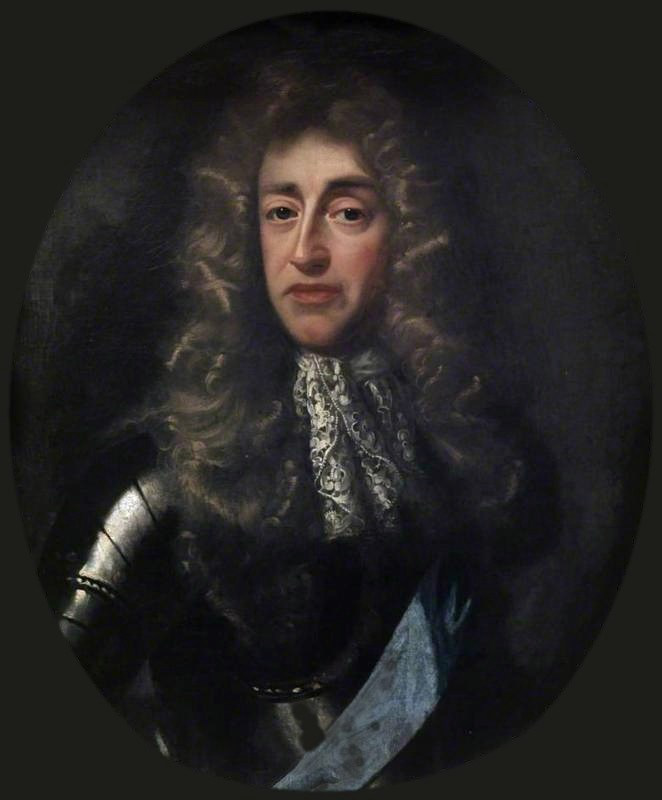
The Dutch control over New Netherland was relatively short-lived. In 1664, during the Second Anglo-Dutch War, the English fleet sailed into New Amsterdam‘s harbor and demanded surrender. The Duke of York, to whom the English King Charles II had granted the territory, sent an expedition to seize the colony. Facing overwhelming force and lacking adequate defenses, the Dutch governor, Peter Stuyvesant, surrendered the colony without a shot being fired.
Following the English conquest, the city was renamed New York in honor of the Duke of York. This marked a significant turning point, ushering in a new era of English administration and influence. While the Dutch left their indelible mark on the region’s culture, language, and place names, New York began its transformation into an English colonial center.
The Legacy of Peter Minuit
While Peter Minuit is the individual most often associated with the “founding” of New York in the context of its colonial establishment, it’s crucial to acknowledge the broader historical forces and the indigenous inhabitants who were present long before European arrival. Minuit’s role was as an agent of the Dutch West India Company, carrying out their colonial ambitions.
His actions in 1626, specifically the symbolic “purchase” of Manhattan Island, solidified the Dutch claim and laid the groundwork for the settlement that would eventually become one of the world’s greatest cities. The transaction itself, the exchange of goods for land, reflects the differing cultural understandings of property and territory that existed between Europeans and indigenous peoples.
The development of New Amsterdam under Dutch rule was focused on establishing a viable trading post and settlement. This involved building infrastructure, including a wall across the northern end of Manhattan Island (which gave its name to Wall Street) and rudimentary dwellings and businesses. The settlement was a melting pot of nationalities, reflecting the global reach of the Dutch West India Company.
The Transformation of New Amsterdam to New York
The arrival of the English in 1664 brought about a fundamental shift in governance and identity. The Duke of York‘s proprietary colony replaced Dutch rule, and the city was christened New York. The English brought their own administrative systems, legal frameworks, and social structures. While the Dutch cultural influence persisted in many ways, the English influence became dominant.
Under English rule, New York continued to grow as a port city and commercial center. Its strategic location remained a key asset, facilitating trade with England and other colonies. The city’s population grew, and its importance in the British colonial empire increased. The foundations laid by the Dutch, however, were not erased. Many early settlers, their customs, and even some place names remained, contributing to the unique tapestry of New York‘s identity.
Exploring the Roots of New York
Understanding who founded New York is not just about pinpointing a single individual but appreciating the complex tapestry of history, exploration, and colonial ambition. From the indigenous Lenape people who first called this land home, to the Dutch explorers and settlers who established New Amsterdam, and finally to the English who renamed it New York, each played a role in shaping the city we know today.
When visiting New York City, whether you’re marveling at the architecture of the Empire State Building, strolling through Central Park, or experiencing the vibrant culture of Times Square, it’s worth remembering the centuries of history that unfolded to create this iconic destination. The legacy of Peter Minuit and the Dutch colonial period is a crucial chapter in this ongoing narrative, a testament to the ambition and enterprise that first transformed a strategic harbor into a global metropolis.
The story of New York‘s founding is a reminder that great cities are built over time, through the contributions of many, and are shaped by the currents of history. From its humble beginnings as a Dutch trading post to its current status as a global beacon, New York‘s journey is a compelling saga of human endeavor. As travelers explore its many facets, from its luxurious resorts and boutique hotels to its diverse culinary scene and historical landmarks, they are walking through layers of a rich and fascinating past, a past that began with the ambition to establish a presence on this strategic island, an ambition most directly embodied by the actions of Peter Minuit in the 17th century.
LifeOutOfTheBox is a participant in the Amazon Services LLC Associates Program, an affiliate advertising program designed to provide a means for sites to earn advertising fees by advertising and linking to Amazon.com. Amazon, the Amazon logo, AmazonSupply, and the AmazonSupply logo are trademarks of Amazon.com, Inc. or its affiliates. As an Amazon Associate we earn affiliate commissions from qualifying purchases.