
The intersection of music history and the hospitality industry is rarely as poignant as it is in the story of one of the world’s most famous songs. While millions of people can hum the melody of “Heartbreak Hotel,” few realize that the song’s origins are rooted in a tragic newspaper clipping about a lonely soul in a hotel room. To answer the question of who wrote “Heartbreak Hotel,” we must look at the collaborative efforts of Mae Boren Axton and Tommy Durden, who co-wrote the track in 1955. However, for those in the world of luxury travel and boutique accommodations, the title represents far more than a chart-topping hit; it represents the birth of a specific aesthetic in the United States that blends melancholy, nostalgia, and rock-and-roll luxury.
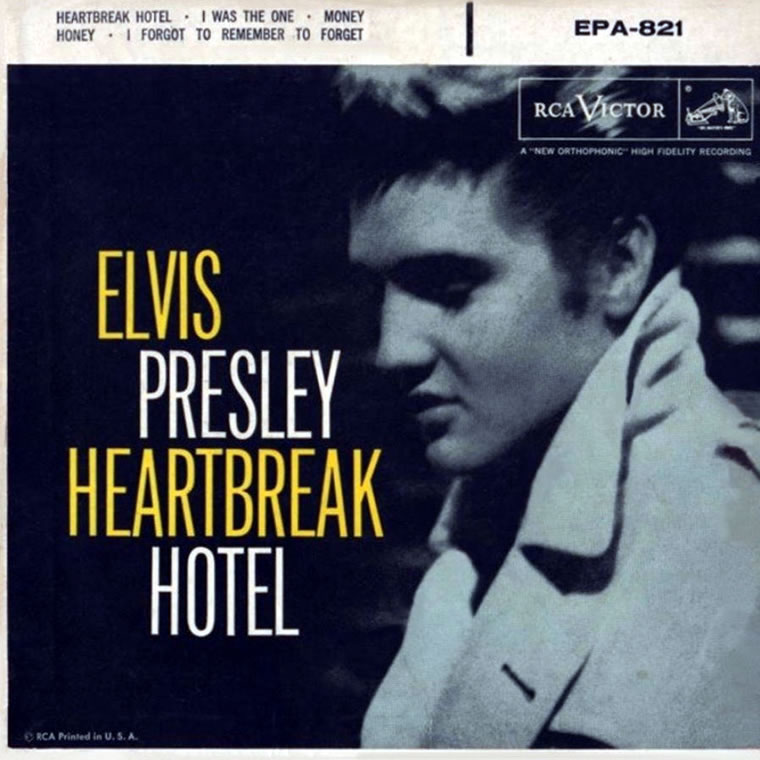
The song was famously recorded by Elvis Presley and released in 1956, becoming his first gold record. But the “Heartbreak Hotel” is not just a lyrical construct. It has manifested as a physical destination for fans and travelers alike, influencing the way we view themed lodging and the emotional resonance of a stay away from home. From the neon-lit streets of Memphis to the high-end suites of modern resorts, the legacy of this song continues to shape the hospitality landscape.
The Architectural and Emotional Inspiration of the Heartbreak Hotel
The genesis of the song is famously attributed to a news report about a man who committed suicide by jumping from a hotel window, leaving behind a note that simply read, “I walk a lonely street.” This haunting imagery served as the blueprint for the fictionalized hotel described in the lyrics. In the hospitality world, the “lonely street” and the “desk clerk dressed in black” created a gothic, almost noir-esque image of what a hotel could be—a place of transition and deep emotion.
From a Song to a Memphis Landmark
For decades, the most literal interpretation of this song was found in Memphis, Tennessee. For many years, travelers making the pilgrimage to Graceland could actually stay at a property officially named the Heartbreak Hotel. This boutique property was designed to immerse guests in the 1950s era of Elvis Presley, featuring themed suites that ranged from the “Burning Love” suite to the “Hollywood” suite.
The hotel served as a bridge between the music industry and the lodging sector, proving that a hotel could be more than just a place to sleep; it could be a curated extension of a celebrity’s brand. The Heartbreak Hotel in Memphis offered amenities that catered specifically to the “super-fan,” including a 24-hour Elvis movie channel and decor that mirrored the flamboyant style of the King himself.
The Evolution of Themed Suites
The success of the original Heartbreak Hotel paved the way for a new era of themed accommodation. It taught the industry that guests were willing to pay a premium for “immersion.” Today, we see this trend reflected in luxury properties across Nashville and Las Vegas, where suites are meticulously designed to evoke the spirit of a specific musical era or artist. The modern traveler seeks a narrative, and the story behind who wrote “Heartbreak Hotel” provides the perfect historical backdrop for a lodging experience that feels both storied and exclusive.
Modern Successors: Luxury Lodging at The Guest House at Graceland
As the original Heartbreak Hotel reached the end of its life cycle, it paved the way for a much more ambitious project. In 2016, a new chapter in music-themed hospitality began with the opening of The Guest House at Graceland. This $92 million resort-style hotel redefined what it meant to stay near a landmark like Graceland.
Amenities and Upscale Design
The Guest House at Graceland moved away from the kitsch of the original and toward a more sophisticated “Southern Colonial” style. With 450 rooms and two restaurants, the hotel offers luxury amenities that include a 464-seat theater for live performances and a stunning outdoor pool area. The suites here are the crowning jewel, designed under the supervision of Priscilla Presley to reflect the personal taste of Elvis.
Travelers looking for the ultimate experience can book the “King’s Suites,” which features a canopy bed and a television embedded in the ceiling—a direct nod to the eccentric luxury found inside Graceland itself. This transition from a simple boutique hotel to a full-scale resort demonstrates the enduring power of the “Heartbreak Hotel” concept in the modern market.

Integrating Local Culture and Hospitality
The rise of these specialized hotels has also boosted the local economy in Tennessee. By creating a world-class resort like The Guest House at Graceland, the hospitality industry has turned a singular song title into a multi-million dollar engine for tourism. It allows guests to experience the culture of the American South while enjoying the comforts of a four-diamond resort. This blend of history and high-end service is what defines the contemporary guest experience in major cultural hubs.
Famous Music-Inspired Hotels Around the World
The influence of “Heartbreak Hotel” extends far beyond the borders of Memphis. The concept of a hotel as a sanctuary for artists and a monument to musical history has become a global phenomenon. When we ask who wrote the songs that define our lives, we often find that those songs were written within the walls of legendary hotels.
The Chelsea Hotel and the New York Scene
In New York City, the Chelsea Hotel stands as the ultimate testament to the relationship between music and lodging. While not themed after a single song, it has been the birthplace of countless masterpieces. Artists like Leonard Cohen and Janis Joplin have immortalized this property in their work. Much like the fictional hotel in the song written by Axton and Durden, the Chelsea Hotel is a place where the walls seem to speak of the creative triumphs and heartbreaks of its guests.
The Hard Rock Hotel Global Footprint
Perhaps no brand has capitalized on the spirit of the “Heartbreak Hotel” more than the Hard Rock Hotel chain. From London to Florida, these properties serve as living museums of music history. The Hard Rock Hotel in Las Vegas and the Hard Rock Hotel and Casino in Hollywood, California have taken the “rock star lifestyle” and turned it into a standardized luxury amenity. Guests can check out Fender guitars to use in their rooms or listen to curated playlists that evoke the era when “Heartbreak Hotel” first topped the charts.
Why Musicians and Travelers Alike are Drawn to Iconic Hotels
There is a psychological connection between the act of traveling and the feeling of heartbreak or longing, which is why the song “Heartbreak Hotel” resonates so deeply. In the hotel industry, understanding this emotional connection is key to providing a memorable stay. A hotel is a temporary home, a sanctuary for the weary, and sometimes, a place to reinvent oneself.
The Allure of Boutique Experiences
The trend toward boutique hotels in cities like Miami and Austin suggests that travelers are increasingly looking for properties that have a “soul.” This is exactly what the authors of “Heartbreak Hotel” captured in their lyrics. A great hotel isn’t just about the thread count of the sheets; it’s about the atmosphere. Whether it’s a vinyl record player in the lobby or a bar that serves drinks inspired by 1950s rock-and-roll, these small touches are what turn a standard room into a “Heartbreak Hotel” experience.

Designing for the Modern Nomad
Today’s luxury hotels are designing spaces that cater to the “modern nomad.” This includes soundproofed rooms for traveling musicians, state-of-the-art media centers, and communal spaces that encourage the kind of serendipitous meetings that lead to the next great song. By looking back at who wrote “Heartbreak Hotel” and the circumstances of its creation, architects and interior designers can find inspiration for spaces that balance solitude with social connection.
In conclusion, while Mae Boren Axton and Tommy Durden may have written the lyrics to a song, they inadvertently helped write the script for a significant niche in the hospitality industry. The “Heartbreak Hotel” is more than a melody; it is a symbol of how music, history, and lodging can intertwine to create a destination that stands the test of time. Whether you are staying at a high-end resort in Tennessee or a historic building in New York City, the ghost of that “lonely street” remains a powerful draw for travelers seeking a connection to the legendary stories of the past.
LifeOutOfTheBox is a participant in the Amazon Services LLC Associates Program, an affiliate advertising program designed to provide a means for sites to earn advertising fees by advertising and linking to Amazon.com. Amazon, the Amazon logo, AmazonSupply, and the AmazonSupply logo are trademarks of Amazon.com, Inc. or its affiliates. As an Amazon Associate we earn affiliate commissions from qualifying purchases.